Why West Kinzie Street matters.
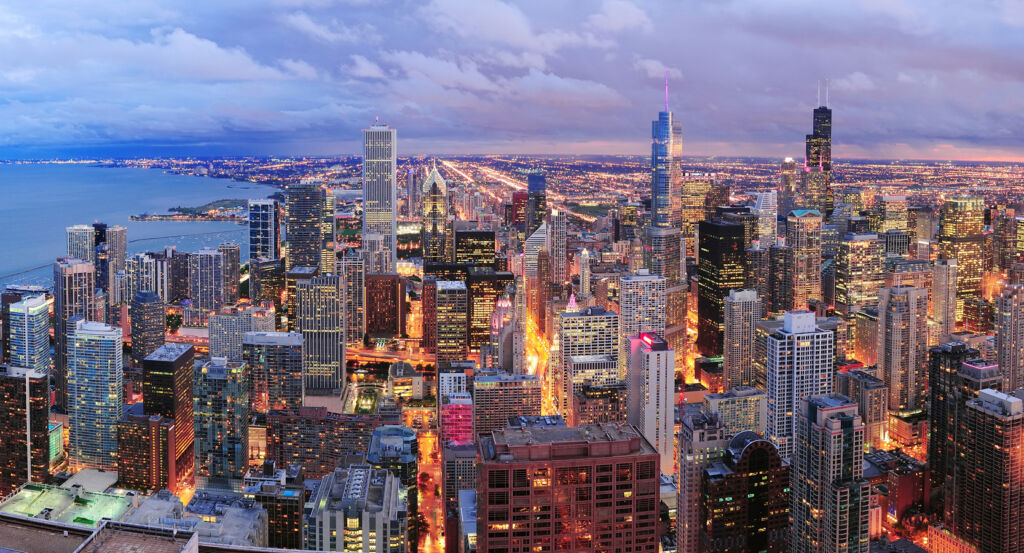
West Kinzie Street is a dynamic urban corridor where industrial heritage, culinary innovation, and architectural reinvention converge along one of the West Loop's most influential streets.
Running through Fulton Market between River North and the West Loop, this historic street connects former warehouse districts, acclaimed restaurants, creative offices, hospitality destinations, residential developments, and cultural landmarks that have shaped local life for generations. Converted industrial buildings, cobblestone remnants, contemporary workspaces, neighborhood institutions, public gathering places, and evolving streetscapes create an environment defined by reinvention and enterprise. The corridor emerged as part of Chicago's nineteenth-century meatpacking and wholesale market economy, serving industries that fueled the city's rise as a commercial powerhouse. Merchants, manufacturers, entrepreneurs, chefs, developers, and residents helped establish a reputation that continues to attract investment and innovation from around the world. To the east, River North extends naturally from West Kinzie Street through a network of historic industrial corridors, creative destinations, and architectural landmarks that reinforce the street's enduring significance. The result is a street defined by transformation, entrepreneurship, and urban vitality.
What defines West Kinzie Street.
West Kinzie Street is best known for running through Fulton Market, the former meatpacking district that transformed into one of America's most successful examples of industrial adaptive reuse and urban revitalization.
For much of the twentieth century, the surrounding district functioned as a center of food processing, warehousing, and wholesale commerce that supplied businesses across the Midwest. As industrial activity declined, developers, restaurateurs, and entrepreneurs repurposed historic warehouse buildings into restaurants, offices, hotels, and creative workspaces while preserving much of the area's industrial character. The transformation attracted major corporations, acclaimed chefs, and innovative businesses, establishing Fulton Market as a national model for neighborhood reinvention. Today, the district stands as one of Chicago's most visible examples of balancing historic preservation with economic growth. Few American streets are associated with an urban transformation that so successfully reimagined an industrial landscape for the twenty-first century.
How West Kinzie Street fits.
West Kinzie Street works as an exploration of Fulton Market's industrial heritage, culinary excellence, and creative energy.
Begin at Fulton Market, where the street's defining relationship with commerce, food culture, and neighborhood reinvention immediately comes into focus. Continue toward Time Out Market Chicago, whose collection of local culinary talent reveals the entrepreneurial forces that helped shape the district across generations. From there, make your way to the Fulton-Randolph Market Historic District, where one of Chicago's most important preservation areas provides a broader perspective on the industrial legacy and architectural character that continue to define the neighborhood today. Along the route, you'll encounter historic warehouses, acclaimed restaurants, creative offices, architectural landmarks, public gathering spaces, hospitality destinations, and celebrated streetscapes that showcase the corridor's remarkable depth. The progression moves naturally from historic market district to culinary hub to preservation landmark, revealing the forces that transformed West Kinzie Street into one of Chicago's most compelling urban corridors. West Kinzie Street remains one of the city's most rewarding streets, preserving a distinctive balance between industrial heritage, culinary achievement, and modern innovation.
Where your story begins.
Foresyte Travel reveals places that feel extraordinary long before you arrive.
Enjoy editorial crafted for luxury travelers.
Foresyte may earn a commission when you book.