Why you should experience Whitefield Square in Savannah, Georgia.
Whitefield Square is a serene Historic District square where Savannah's Victorian heritage, African American history, urban preservation, and Oglethorpe's visionary city plan converge within one of the city's most contemplative public spaces.
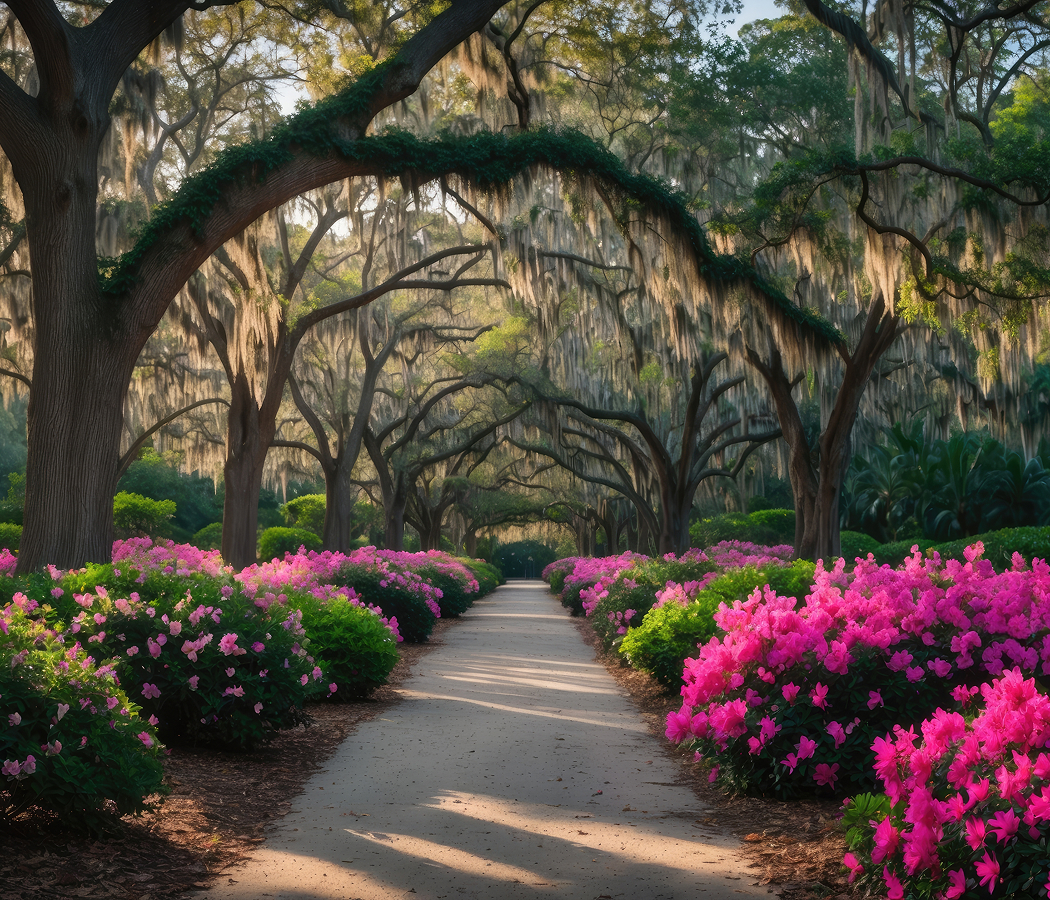
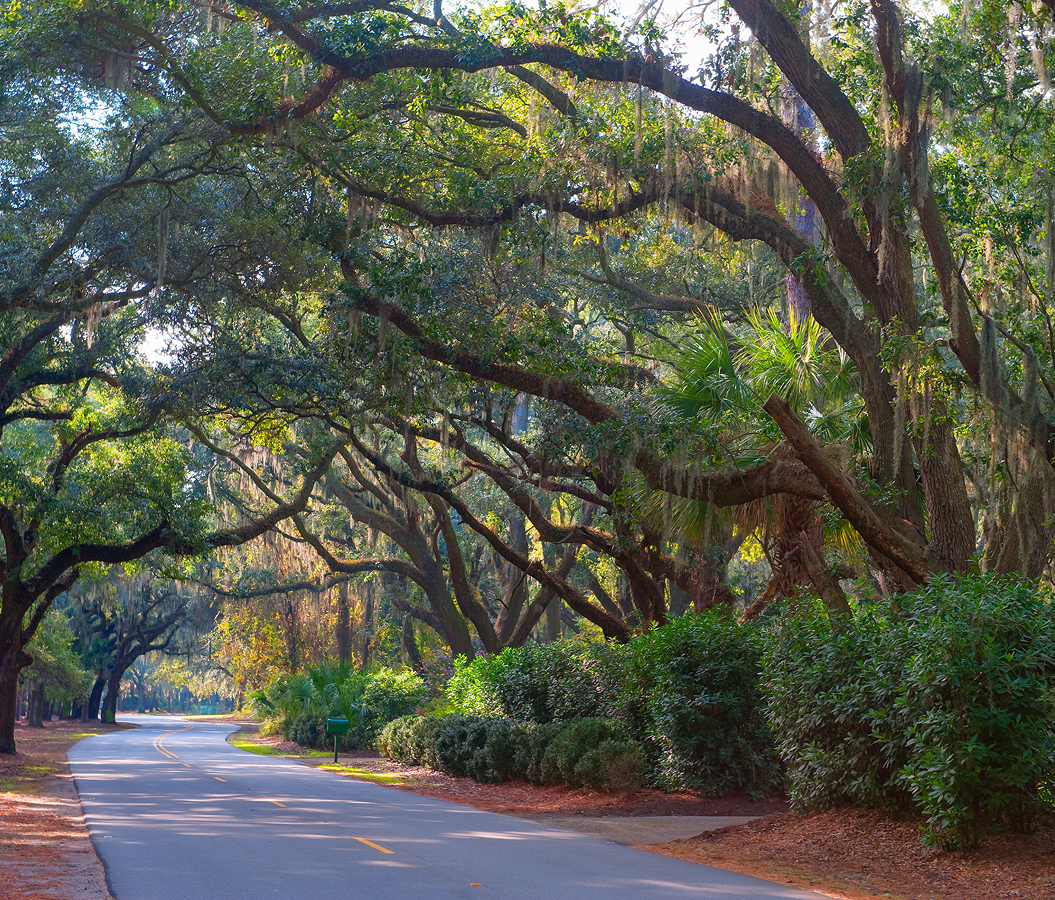
Positioned between Taylor Square, Troup Square, and Forsyth Park, this intimate garden square combines a charming Victorian gazebo, mature live oaks, seasonal azaleas, beautifully preserved nineteenth-century homes, and historic churches within the final square added to Savannah's celebrated ward system. Quiet residential streets, elaborate Victorian architecture, and thoughtfully landscaped green space create an atmosphere that feels distinctly removed from the city's busier civic squares while preserving a profound connection to Savannah's layered cultural history. Every path reflects generations of preservation that have safeguarded both remarkable architecture and stories of resilience, faith, and community. The result is a square defined by historic continuity, architectural preservation, and one of Savannah's most meaningful neighborhood landscapes.
What you should know about Whitefield Square.
Whitefield Square is best known for being established in 1851 as the final public square added to Savannah's original Oglethorpe Plan, honoring the Reverend George Whitefield, the eighteenth-century evangelist who founded Bethesda Home for Boys, among America's oldest continuing charitable institutions, while transforming land that had previously served for decades as one of Savannah's principal burial grounds for enslaved and free African Americans into the last great civic square of the historic city grid. The site preserves an extraordinarily layered history through landmarks including the 1895 First Congregational Church, established by northern missionaries to educate formerly enslaved residents following the Civil War, Beth Eden Baptist Church, completed in 1893, and a surrounding collection of late nineteenth-century Victorian residences whose development reflected the neighborhood's rapid growth after emancipation. Although nineteenth-century officials believed the earlier cemetery had been relocated, ground-penetrating radar investigations completed in 2025 identified eighty probable unmarked graves beneath portions of the square, reinforcing its profound significance within Savannah's African American history while renewing efforts to appropriately commemorate those buried there. The square also narrowly escaped major roadway expansion after the removal of streetcar tracks in the mid-twentieth century before a comprehensive 1973 landscape redesign by noted landscape architect Cy Paumier and the addition of its distinctive octagonal gazebo in 1975 preserved one of Savannah's most peaceful historic squares for future generations.
Elegant Victorian cottages, Gothic Revival churches, shaded walkways, and carefully restored landscaping create one of the Historic District's most intimate residential environments while illustrating the remarkable success of Savannah's long-standing preservation movement. Every element demonstrates how sensitive stewardship, historical recognition, and thoughtful landscape design have protected one of the city's most historically significant public spaces without sacrificing the quiet neighborhood character that continues defining Whitefield Square today.
How to fold Whitefield Square into your trip.
Whitefield Square works as part of an exploration through Savannah's southeastern Historic District and its rich African American heritage.
Begin at Taylor Square, where one of Savannah's most historically significant wards introduces the southern reaches of the original city plan before strolling east to Whitefield Square to experience one of its most peaceful green spaces. Continue to First Congregational Church, whose remarkable post-Civil War history deepens appreciation for the neighborhood's enduring cultural legacy. Conclude at Forsyth Park, where Savannah's grand public promenade provides a memorable finale celebrating the city's internationally renowned landscape architecture and historic urban design. The progression moves naturally from historic square to contemplative neighborhood landscape before concluding within Savannah's most celebrated public park, revealing why Whitefield Square remains one of the Historic District's most meaningful places for understanding the city's architectural and cultural evolution.
Where your story begins.
Foresyte Travel reveals places that feel extraordinary long before you arrive.
Experience premium editorial crafted for luxury travelers.