Why you should experience Wormsloe Tabby Ruins in Savannah, Georgia.
Wormsloe Tabby Ruins are evocative colonial remains where Isle of Hope's early settlement history, pioneering construction techniques, archaeological significance, and coastal landscapes preserve one of Georgia's oldest surviving structures.
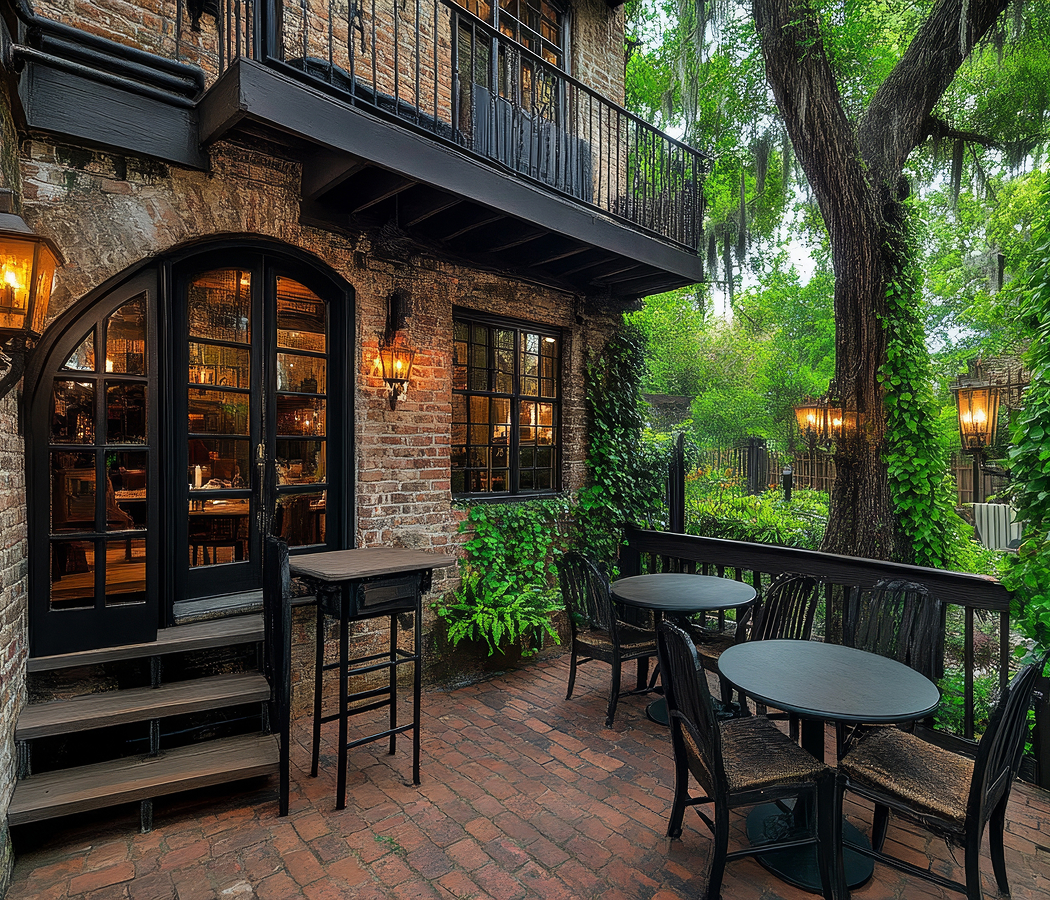
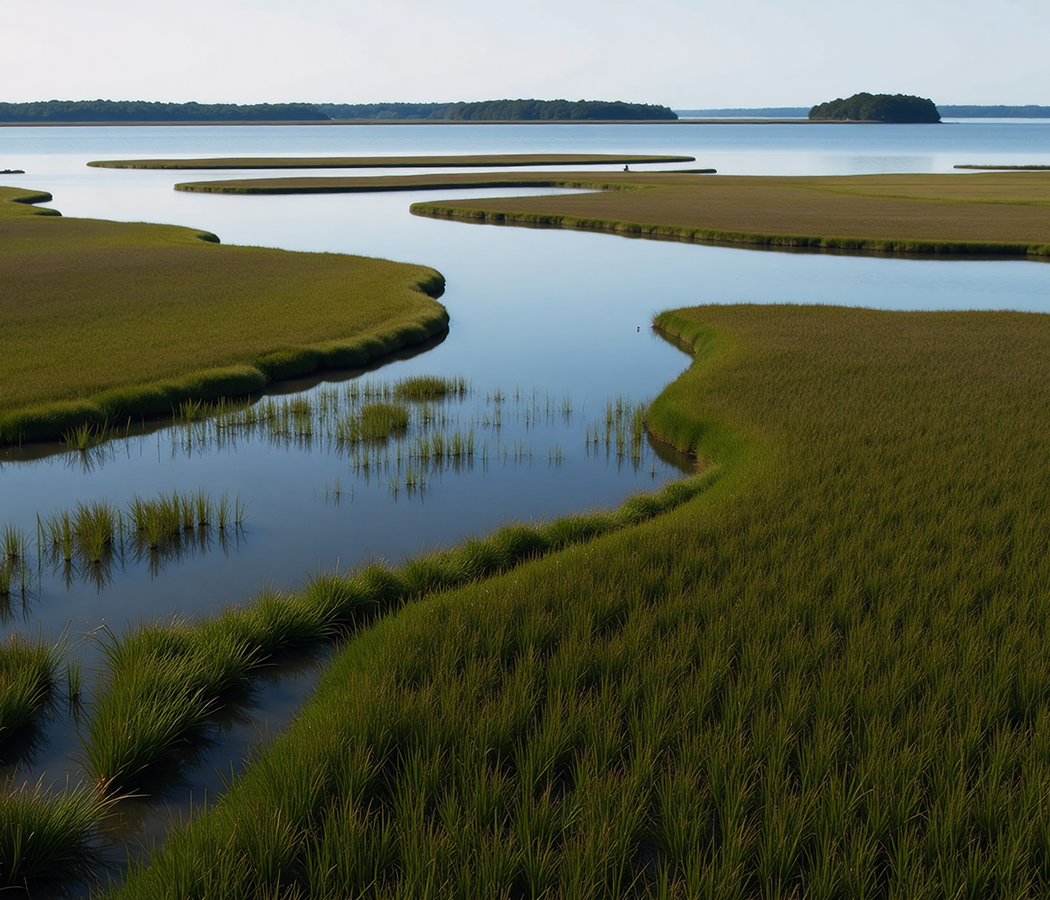
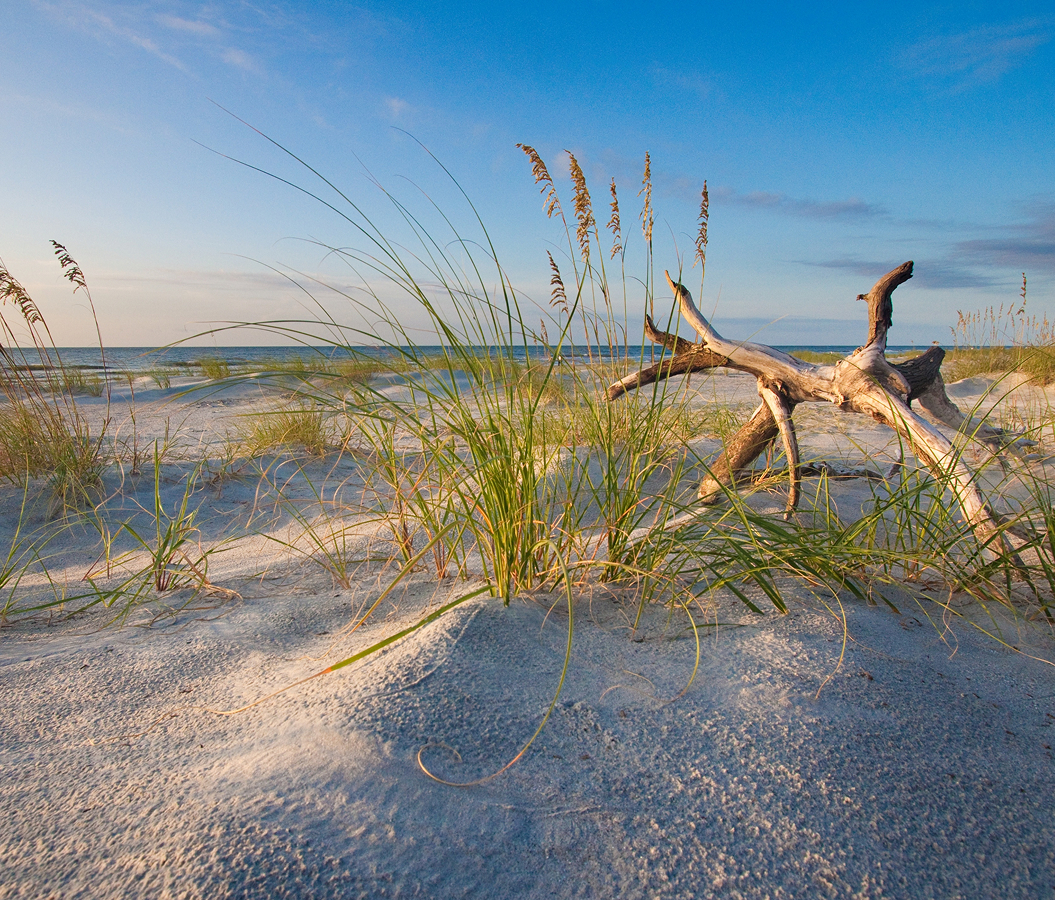
Set along Wormsloe Road near Skidaway Road and just steps from the Wormsloe Historic Site Visitor Center, these weathered tabby ruins preserve the remnants of an eighteenth-century fortified estate through oyster-shell concrete walls, colonial foundations, mature live oaks, maritime forests, and sweeping marsh views overlooking the Isle of Hope River. Surrounded by one of Georgia's most picturesque coastal landscapes, the ruins vividly demonstrate the ingenuity and resilience of the colony's earliest settlers. The result is a destination defined by archaeological significance, colonial heritage, and exceptional historical preservation.
What you should know about Wormsloe Tabby Ruins.
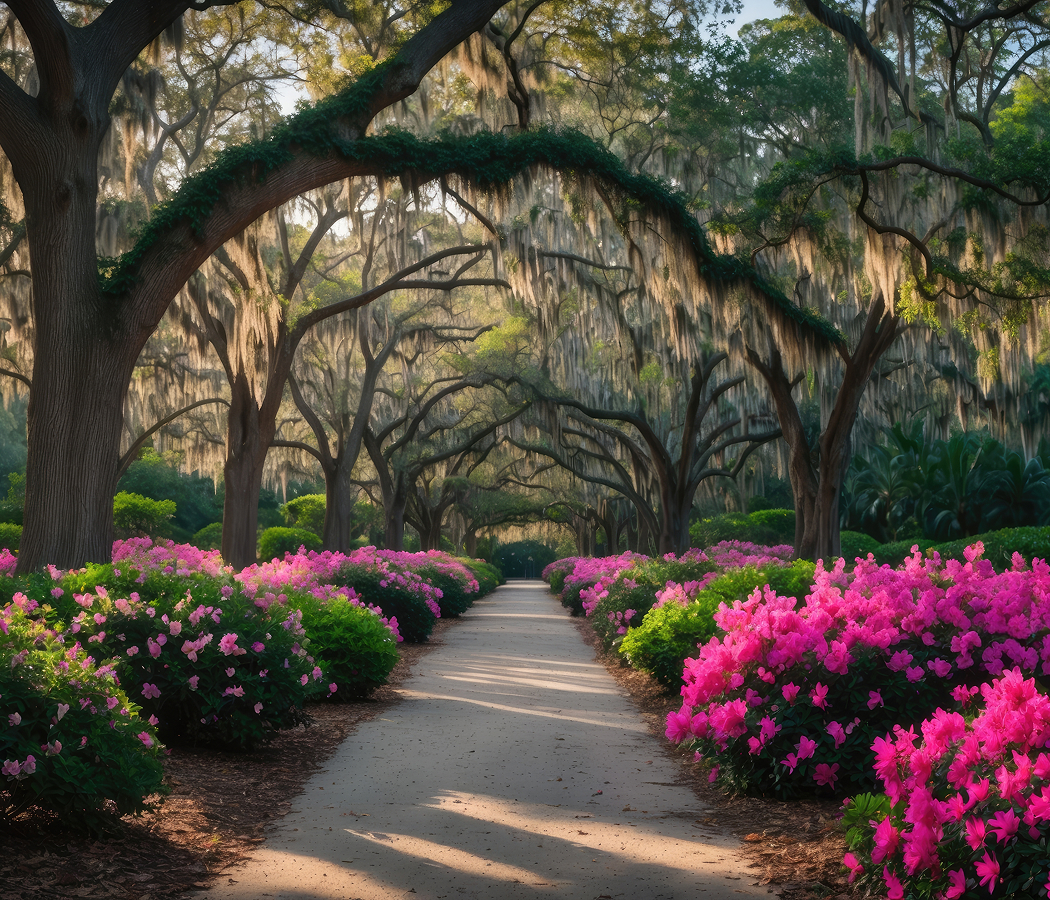
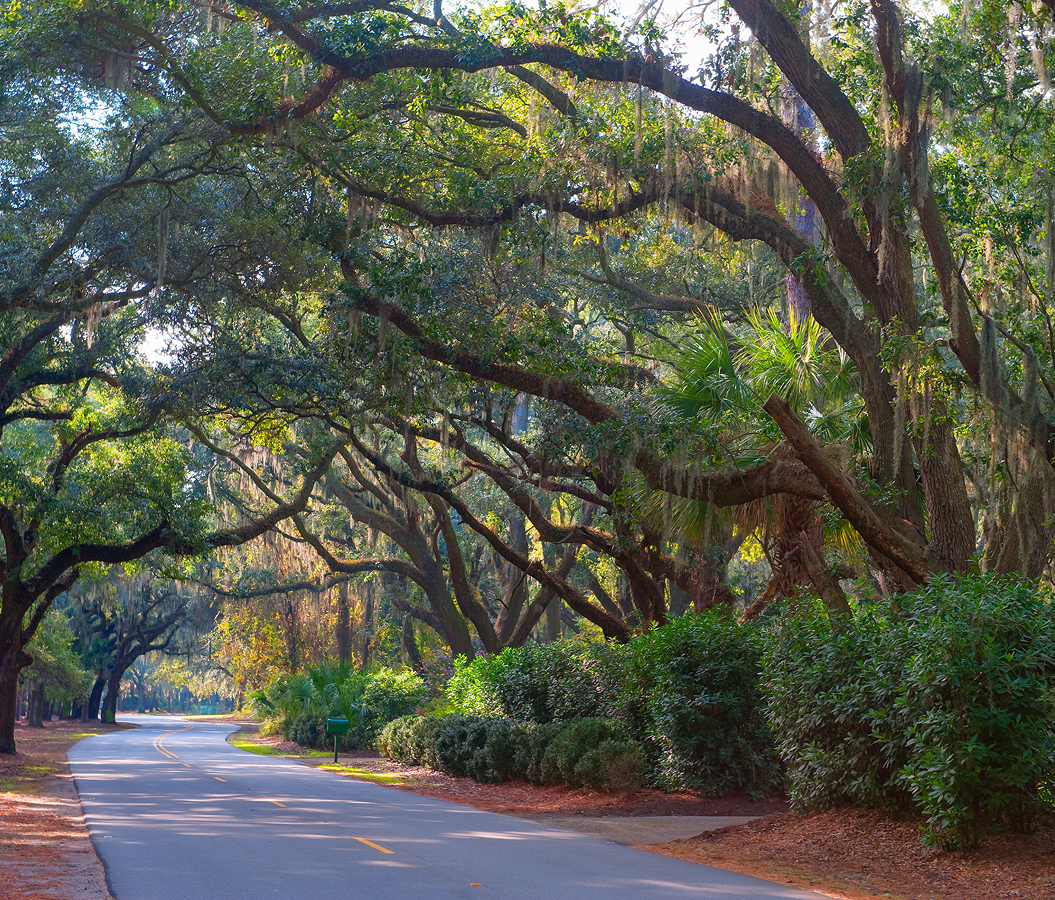
Wormsloe Tabby Ruins are best known for preserving the fortified estate established by Noble Jones beginning in 1736, representing the oldest standing tabby structure in Savannah and one of the earliest surviving examples of tabby construction in British North America. Jones, among General James Oglethorpe's original colonists who arrived aboard the Anne in 1733, received 500 acres on the Isle of Hope after distinguishing himself during the founding of the Georgia colony. To defend the vulnerable southern approach to Savannah, he constructed a fortified residence using tabby, an innovative concrete composed of burned oyster shells, lime, sand, water, and ash that proved exceptionally durable in the humid coastal climate. The estate featured defensive walls, bastions, and strategically positioned openings overlooking the surrounding waterways, serving both as a plantation headquarters and a military outpost protecting Georgia's southern frontier against Spanish incursions from Florida. Although later family residences replaced the original structure during the eighteenth and nineteenth centuries, the surviving tabby walls remain among the oldest intact architectural remnants associated with Georgia's colonial period. Archaeological investigations have uncovered evidence of the original fortifications, domestic life, agricultural operations, and defensive planning, providing invaluable insight into the earliest decades of British settlement in the American South. Today the ruins form the historic centerpiece of Wormsloe Historic Site, preserving nearly three centuries of Georgia history beneath one of the state's most celebrated avenues of live oaks.
Massive tabby masonry, carefully conserved archaeological remains, and remarkably intact colonial defensive features continue demonstrating the durability of one of the earliest construction methods developed in coastal Georgia. Ongoing archaeological research, preservation initiatives, and historical interpretation reveal the engineering, military strategy, and daily life that shaped the colony's formative years, while the surrounding maritime forest reinforces the extraordinary sense of place that has distinguished Wormsloe for generations. Colonial engineering, archaeological preservation, and foundational importance to Georgia's history collectively establish Wormsloe Tabby Ruins among the state's most significant historic sites.
How to fold Wormsloe Tabby Ruins into your trip.
Wormsloe Tabby Ruins are best experienced as part of an exploration through Savannah's celebrated colonial landscapes.
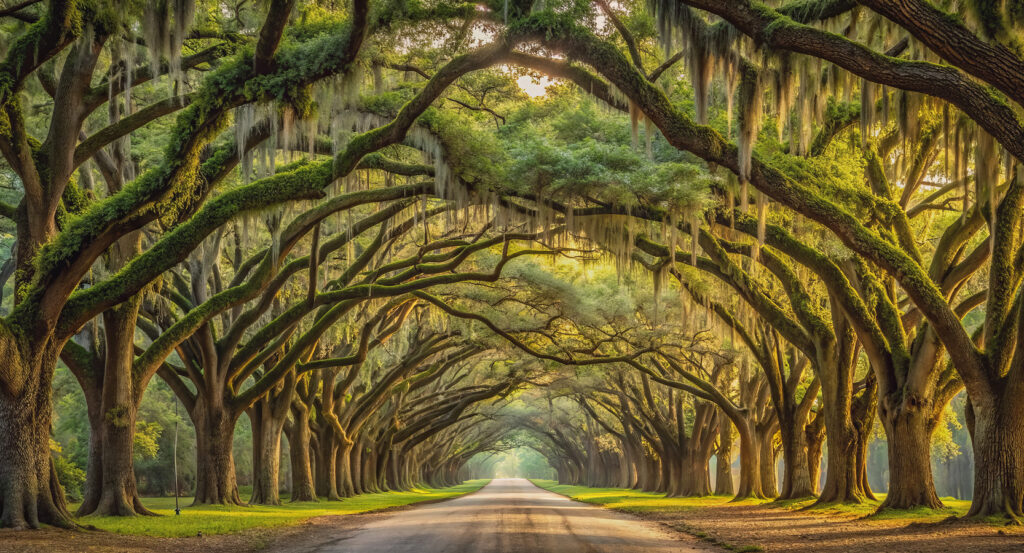
Begin at the Wormsloe Historic Site Visitor Center, where exhibits introduce Noble Jones and Georgia's earliest colonial history before walking to the Wormsloe Tabby Ruins. Continue along the Wormsloe Oak Avenue, whose breathtaking canopy of live oaks creates one of the South's most celebrated scenic drives. Conclude at Pin Point Heritage Museum, where the cultural traditions of Savannah's Gullah Geechee community provide a memorable finale celebrating the region's enduring coastal heritage. The progression moves naturally from colonial archaeology to Savannah's most photographed landscape before concluding with the stories of the communities that shaped Georgia's coast, revealing why Wormsloe Tabby Ruins remain one of the state's most important colonial landmarks.
Where your story begins.
Foresyte Travel reveals places that feel extraordinary long before you arrive.
Experience premium editorial crafted for luxury travelers.