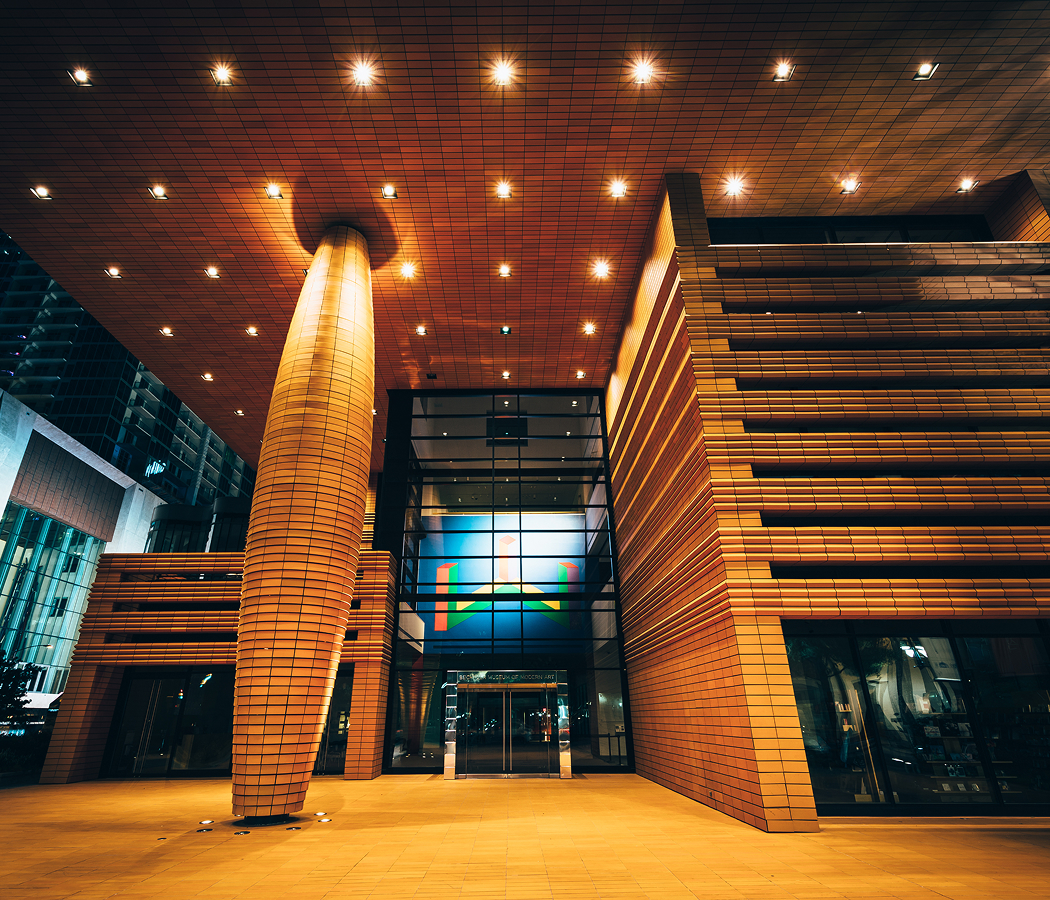
Why you should experience Wylie Street in Atlanta, Georgia.
Wylie Street is a historic Sweet Auburn corridor where civil rights history, African American entrepreneurship, and cultural legacy converge along one of Atlanta's most influential streets.
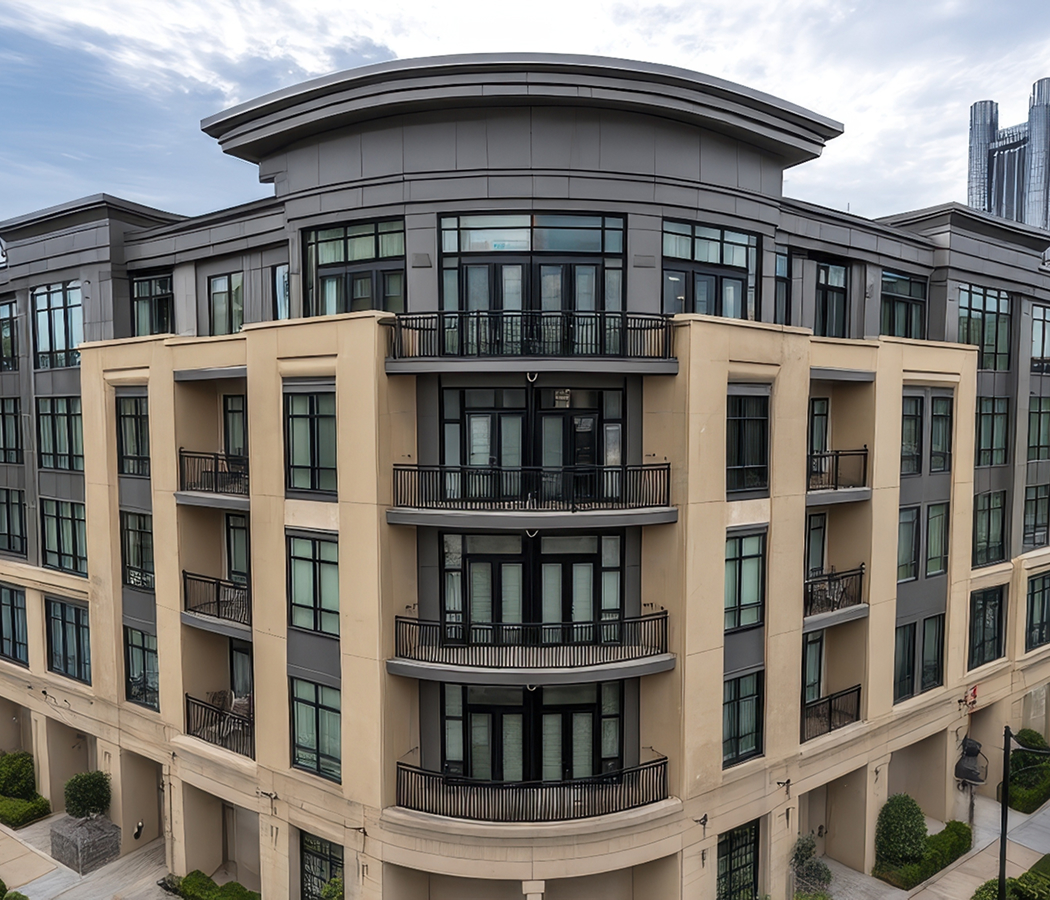
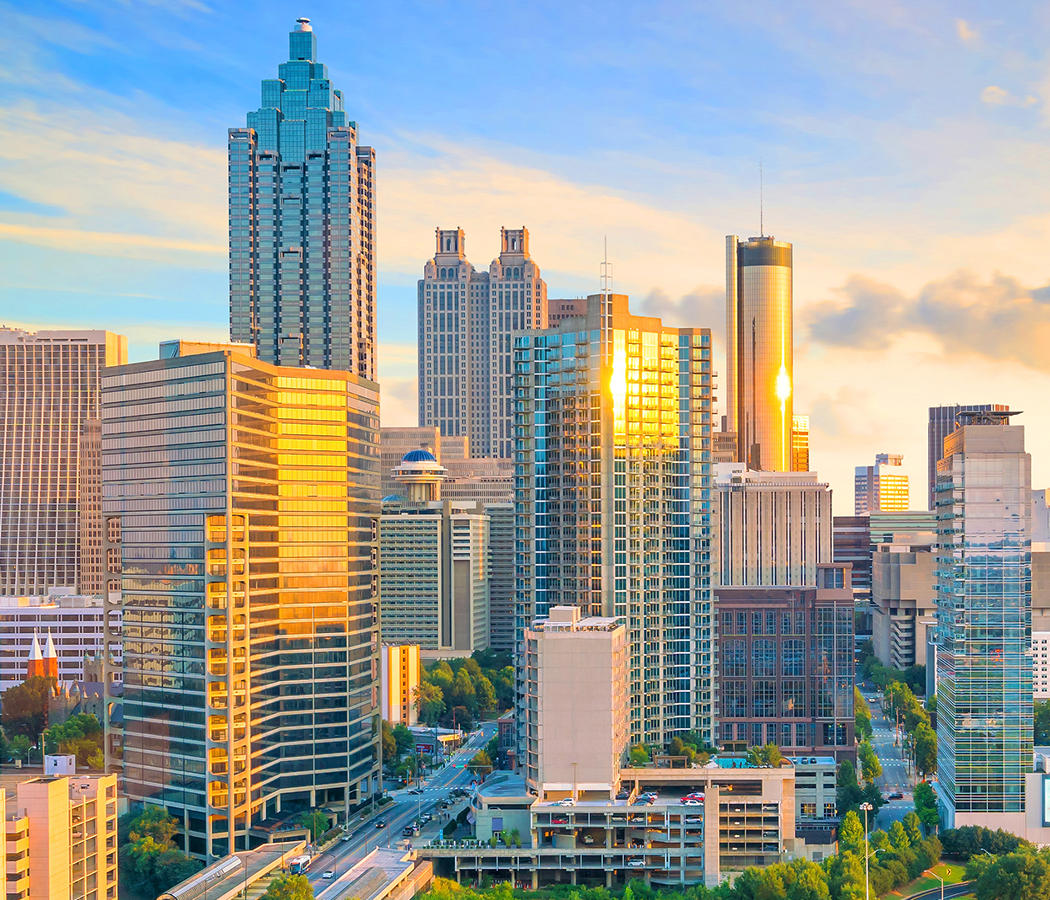
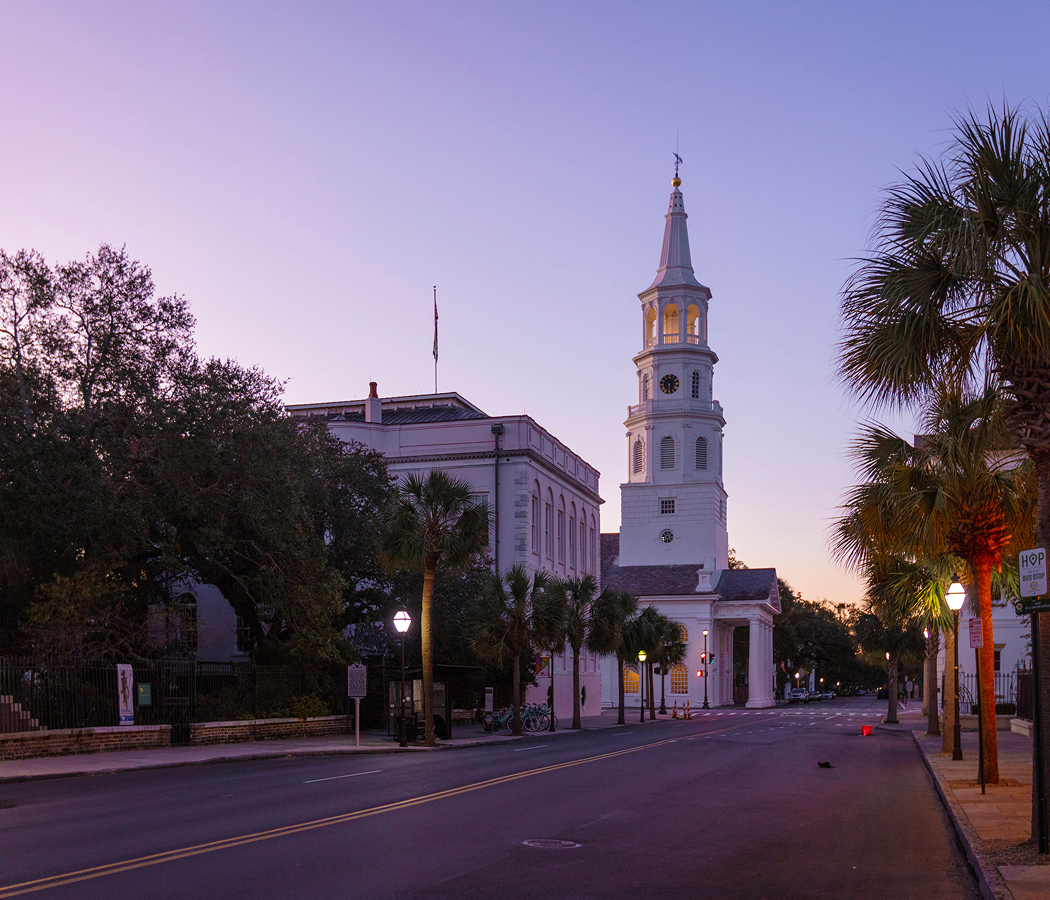
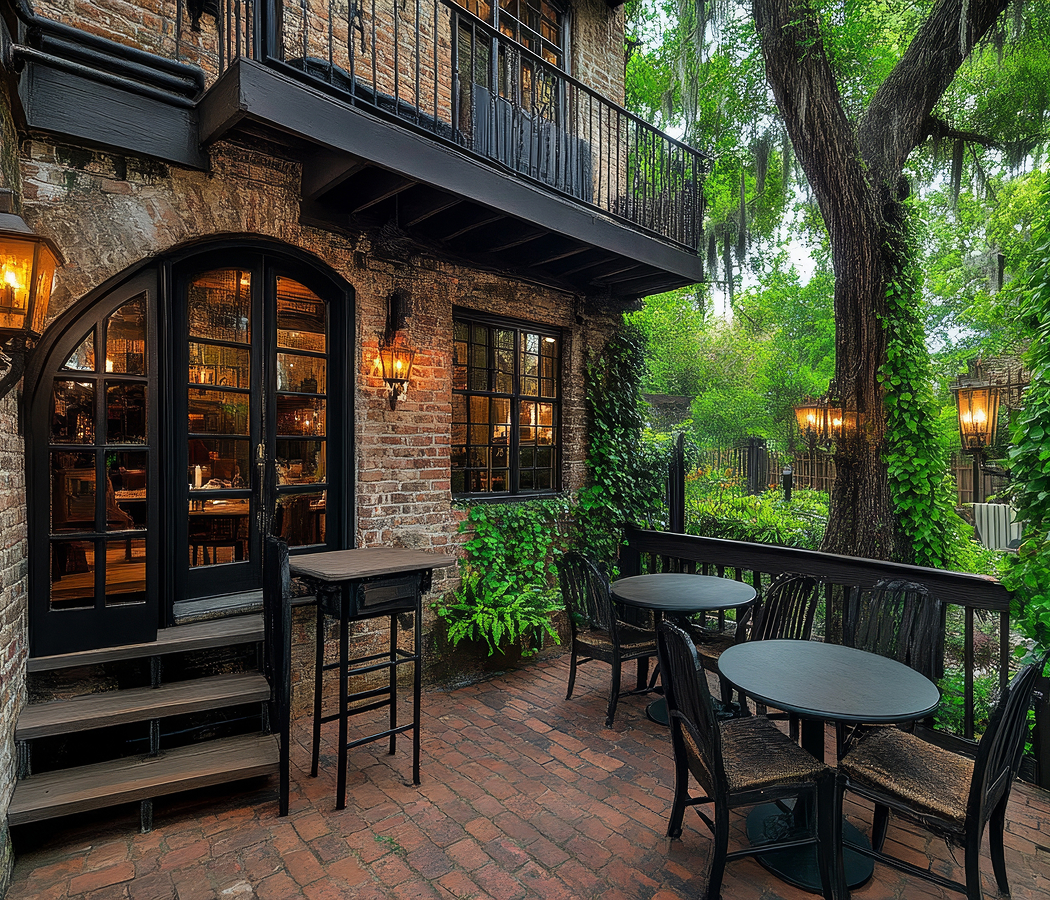
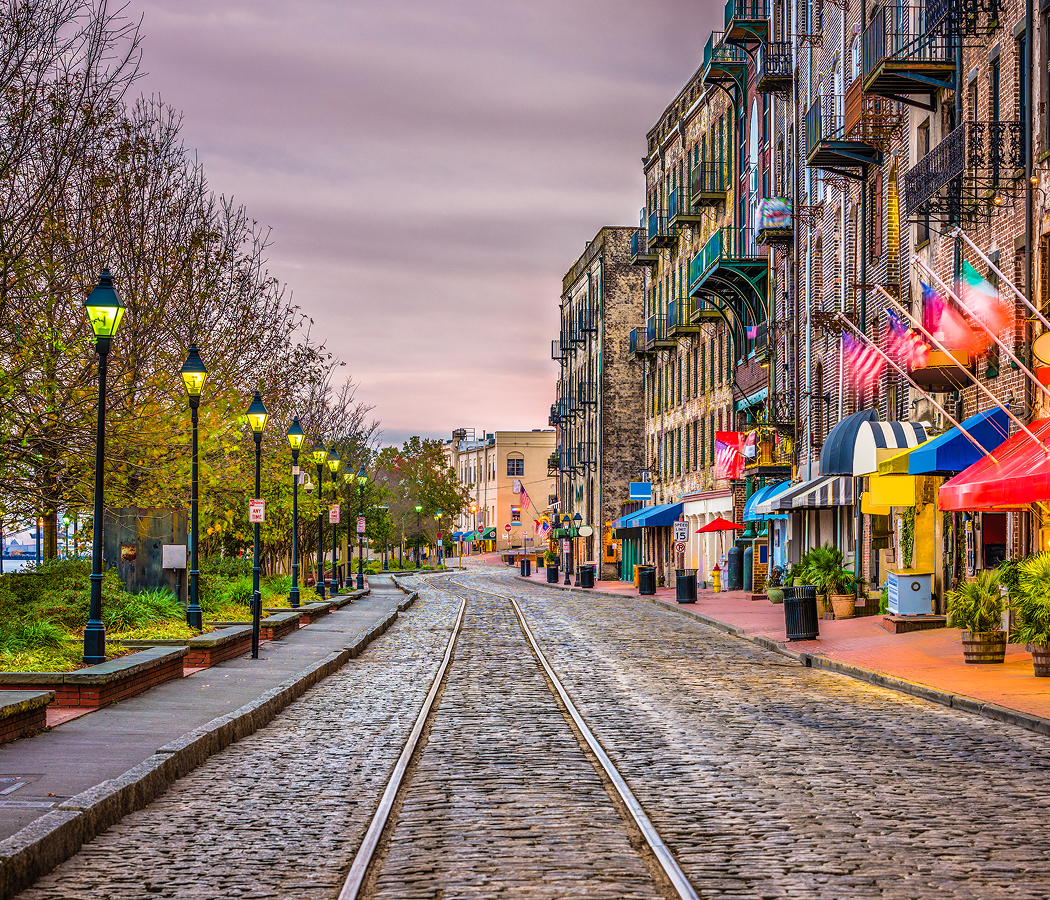
Running through Sweet Auburn between Jackson Street and Boulevard, this historic corridor blends landmark churches, preserved commercial buildings, celebrated cultural institutions, neighborhood businesses, public art, and enduring heritage sites into a destination that reflects generations of Black leadership and community resilience. Historic storefronts stand beside restored civic landmarks, while walkable streets and year-round cultural programming create an atmosphere where history, entrepreneurship, and social progress flourish together. Throughout every season, Wylie Street remains one of Atlanta's defining heritage corridors. The result is a street where civil rights leadership, Black enterprise, and enduring community character continue to shape one of America's most historically significant urban neighborhoods.
What you should know about Wylie Street.
Wylie Street is best known for forming the commercial heart of Atlanta's historic Sweet Auburn district, once described by Fortune magazine in 1956 as “the richest Negro street in the world” because of its extraordinary concentration of Black-owned businesses, banks, and professional offices.
During the first half of the twentieth century, Sweet Auburn emerged as one of the nation's most prosperous African American business districts despite the constraints of segregation. Wylie Street became one of its principal commercial corridors, lined with Black-owned banks, insurance companies, newspapers, retailers, entertainment venues, and professional offices that fostered economic independence and civic leadership. This remarkable concentration of successful Black enterprise earned Sweet Auburn national recognition and helped establish Atlanta as a center of African American commerce and influence. Few streets in the United States are so closely associated with the economic achievements of Black America during the Jim Crow era.
How to fold Wylie Street into your trip.
Wylie Street works as an exploration of Sweet Auburn's remarkable blend of civil rights landmarks, historic architecture, and cultural heritage.
Begin along Wylie Street, where preserved commercial buildings immediately establish the corridor's extraordinary historical character. Continue to Martin Luther King Jr. National Historical Park, whose preserved landmarks celebrate the life and legacy of the civil rights leader born in the neighborhood. From there, explore the Apex Museum, where exhibits illuminate Atlanta's African American history and cultural achievements, before concluding at the Municipal Market, whose historic market hall provides a memorable finale to an afternoon shaped by history, culture, and neighborhood discovery. Along the route, heritage façades, public art, neighborhood cafés, pedestrian-friendly streets, interpretive exhibits, community landmarks, and energetic cultural spaces demonstrate how Sweet Auburn continues to celebrate one of America's richest legacies of African American history.
Where your story begins.
Foresyte Travel reveals places that feel extraordinary long before you arrive.
Experience premium editorial crafted for luxury travelers.