Why 10th Avenue matters.
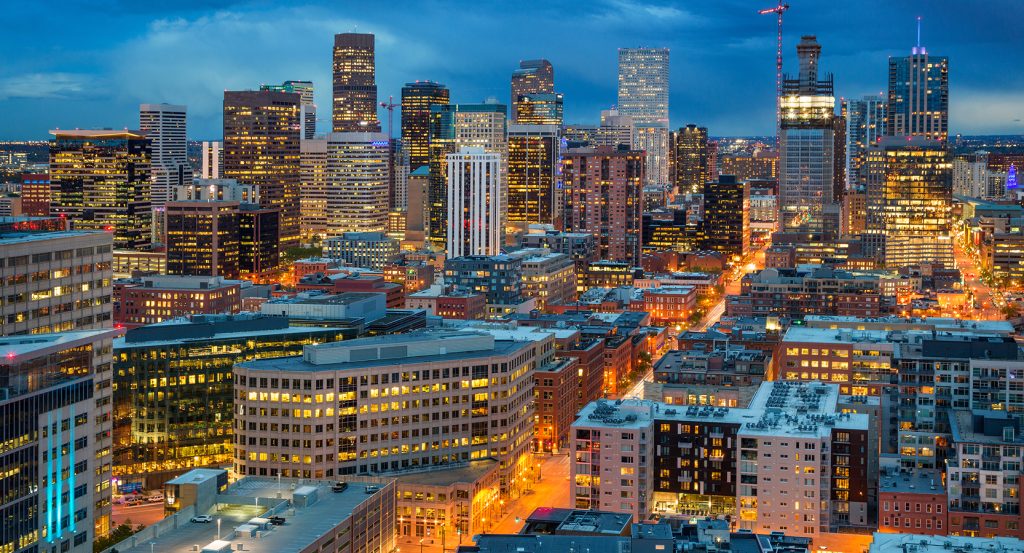
10th Avenue is an enterprising corridor where Lincoln Park's immigrant heritage, institutional legacy, industrial craftsmanship, and enduring neighborhood character converge across one of Denver's most historically layered streets.
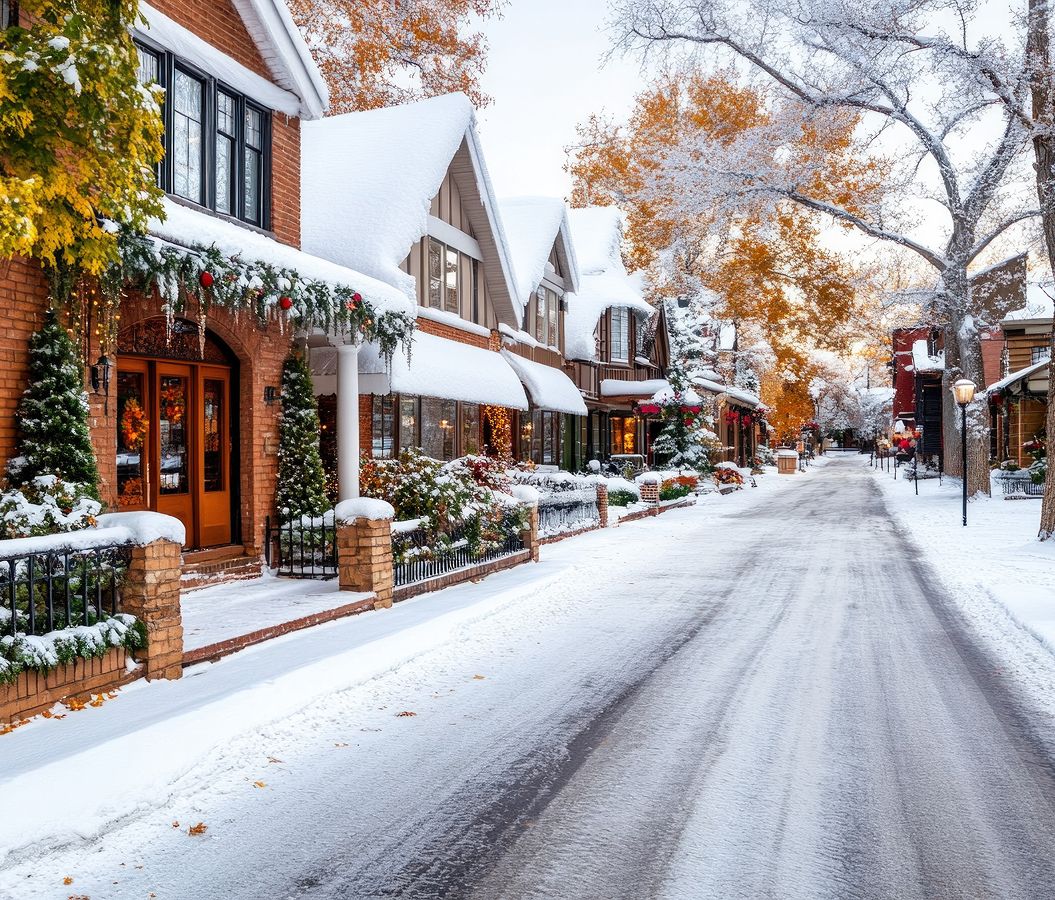
Running through Lincoln Park between the Santa Fe Arts District and Auraria, the avenue chronicles Denver's transformation from a railroad-era working neighborhood into a center for education, public institutions, and creative enterprise while retaining visible evidence of its nineteenth-century foundations. Historic brick commercial blocks, masonry residences, institutional campuses, warehouses, and broad tree-lined streets preserve a corridor shaped by generations of continual adaptation. The corridor ultimately reflects how industry, education, and community investment collectively defined one of Denver's most enduring urban landscapes. The result is an experience distinguished by historical depth, architectural continuity, and lasting cultural character.
What you should know 10th Avenue.
10th Avenue is best known for extending across portions of Lincoln Park Addition, Cheltenham Heights, and adjoining nineteenth-century subdivision plats that supported Denver's southwest expansion during the 1870s and 1880s as rail-served industry and residential development advanced together. Building permits and City and County of Denver historic resource inventories document successive construction of brick cottages, Denver Squares, commercial storefronts, apartment buildings, warehouses, churches, and institutional facilities that collectively demonstrate more than half a century of neighborhood growth. Architectural surveys identify Italianate, Queen Anne, Classical Revival, Mission Revival, and Craftsman influences distributed throughout the corridor, reflecting changing design preferences between the late nineteenth century and the 1930s. Construction methods evolved from load-bearing brick masonry and locally quarried sandstone foundations to reinforced concrete framing, structural clay tile, ornamental terra-cotta detailing, and pressed-metal cornices as building technology matured across successive decades.
Industrial directories and property records document long-term occupancy by food processors, printing companies, machine shops, wholesale distributors, metal fabricators, and building suppliers whose operations reinforced the corridor's importance within Denver's manufacturing economy without overlapping the visitor destinations highlighted elsewhere. Preservation surveys also record original wood sash windows, decorative brick corbelling, carved stone lintels, heavy timber roof framing, steel warehouse sash, and intact loading bays that preserve evidence of evolving commercial construction practices. Historic documentation further demonstrates that many parcels retain their original lot dimensions, alley relationships, and building orientation established during the nineteenth century, creating a remarkably coherent record of industrial and residential development across multiple generations. Together, subdivision history, documented industrial investment, construction technology, architectural inventories, and surviving commercial craftsmanship establish 10th Avenue as one of Lincoln Park's defining historic corridors.
How 10th Avenue fits.
10th Avenue works as an exploration of Lincoln Park's artistic energy, neighborhood history, and cultural evolution.
Begin at the Kirkland Museum of Fine & Decorative Art, where internationally significant collections introduce Denver's artistic development while establishing the creative spirit that increasingly defines the surrounding district. Continue to the Center for Visual Art, whose contemporary exhibitions broaden the narrative by connecting the neighborhood's historic fabric with its continuing role as a place for artistic experimentation and public engagement. Conclude at the Buckhorn Exchange, where Colorado's oldest continuously operating restaurant provides the historical payoff by preserving tangible connections to Denver's frontier era and the commercial traditions that shaped Lincoln Park's early development. The sequence progresses from artistic heritage through contemporary creativity before culminating in a historic institution that synthesizes the neighborhood's enduring cultural legacy.
Where your story begins.
Foresyte Travel reveals places that feel extraordinary long before you arrive.
Enjoy editorial crafted for luxury travelers.
Foresyte may earn a commission when you book.