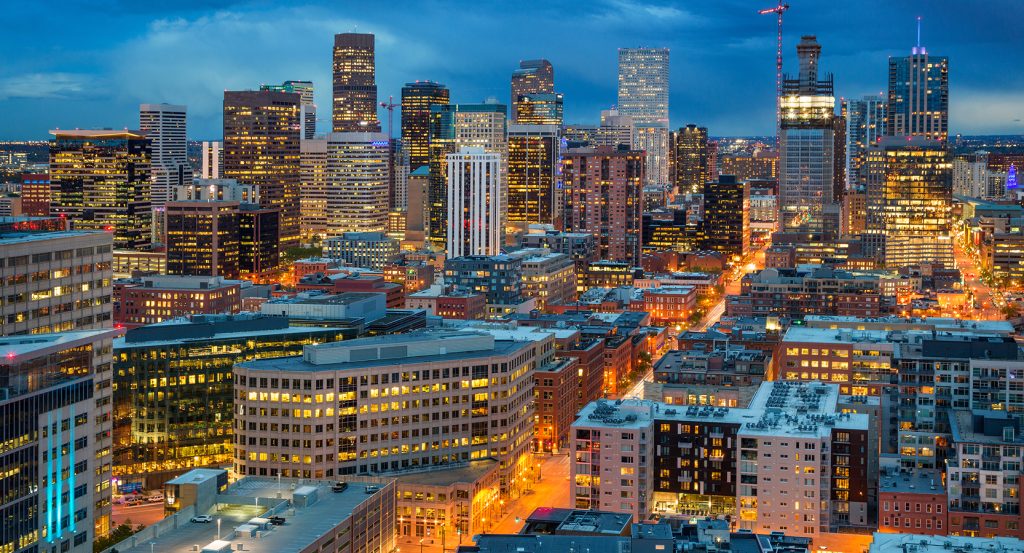
Why 13th Street matters.
13th Street is a distinctive corridor where Auraria's frontier origins, institutional legacy, architectural continuity, and enduring urban character remain closely intertwined.
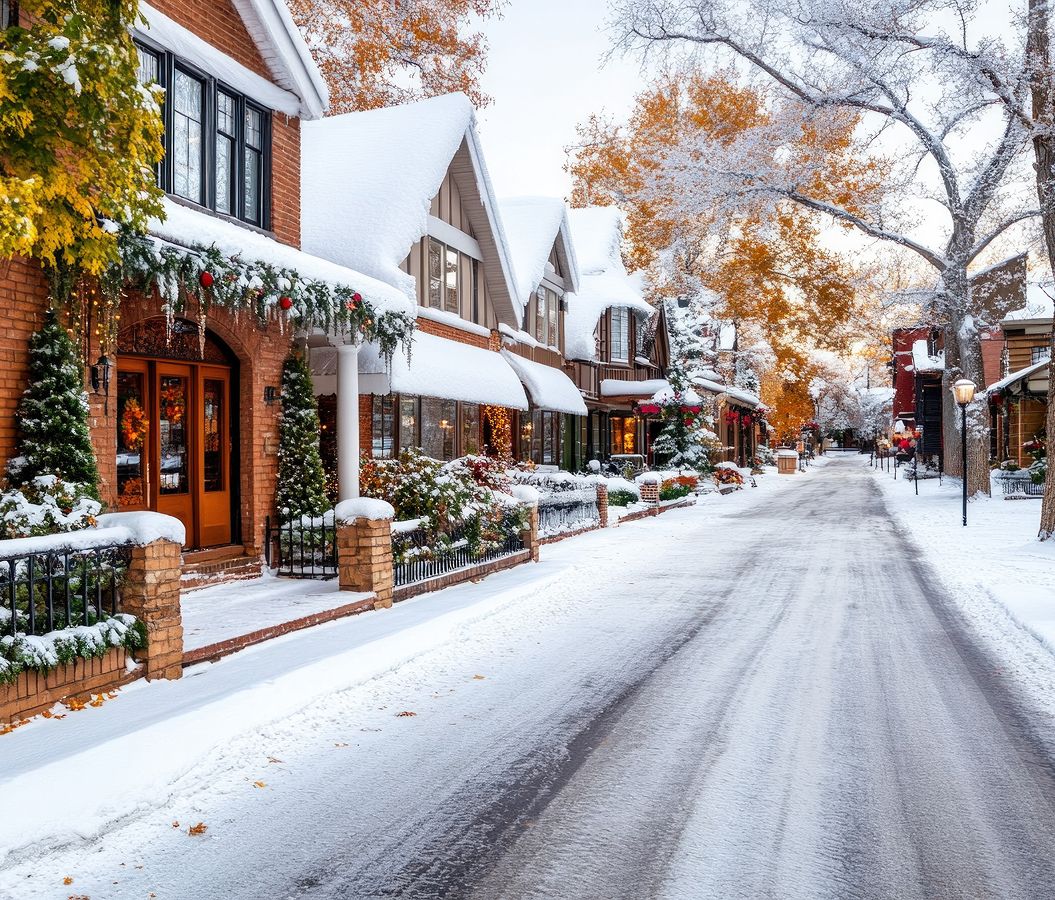
Running through Auraria between Lincoln Park and Downtown, the corridor preserves the physical structure of one of the city's earliest settlements, where successive generations adapted historic streets to accommodate education, commerce, and civic growth. Brick institutional buildings, restored nineteenth-century structures, mature streetscapes, and contemporary academic facilities reveal more than a century of continuous evolution. The corridor ultimately expresses how Denver's earliest neighborhood adapted to changing civic priorities while preserving tangible connections to its past. The result is an experience defined by historical depth, architectural continuity, and enduring cultural significance.
What you should know 13th Street.
13th Street is best known for occupying part of the original Auraria Town Company plat established in 1858, months before Denver City emerged across Cherry Creek, making the corridor part of one of Colorado's earliest permanent urban settlements. The surrounding district developed through successive phases of territorial expansion, incorporating early commercial buildings, residences, churches, and municipal institutions before large-scale redevelopment reshaped much of Auraria during the 1960s and 1970s. Construction of the Auraria Higher Education Center beginning in 1976 consolidated three public institutions onto a single campus while preserving selected nineteenth-century buildings and portions of the original street grid. Historic documentation records surviving Italianate commercial buildings, style brick residences, masonry churches, and archaeological resources that collectively demonstrate Auraria's transition from frontier settlement to educational district.
Archaeological investigations conducted before campus construction recovered thousands of artifacts including domestic ceramics, glass containers, architectural hardware, faunal remains, and household goods that document daily life within Denver's earliest neighborhood across multiple generations. Preservation planning also incorporated the relocation, stabilization, and continued use of selected nineteenth-century structures rather than wholesale demolition, creating an unusual record of adaptive conservation within a major urban redevelopment project. Historic surveys further identify original brick masonry, sandstone foundations, timber framing, decorative cornices, and surviving lot configurations that continue illustrating the corridor's nineteenth-century construction practices despite extensive twentieth-century change. Together, frontier town planning, archaeological research, documented preservation efforts, construction history, and surviving architectural fabric establish 13th Street as one of Auraria's most historically significant corridors.
How 13th Street fits.
13th Street works as an exploration of Auraria's early history, artistic expression, and educational legacy.
Begin at the Tivoli Student Union, where the preserved nineteenth-century brewery introduces Auraria's industrial past while establishing the historical context for the neighborhood's remarkable transition into a modern higher education campus. Continue to the Center for Visual Art, whose contemporary exhibitions expand the experience by demonstrating how creative practice now occupies spaces rooted in one of Denver's oldest urban districts. Conclude at St. Cajetan's Church, where carefully preserved architecture and enduring community history provide the historical payoff by illustrating the cultural traditions that continued shaping Auraria long before its academic transformation. The sequence progresses from industrial enterprise through contemporary creativity before culminating in the place that most completely synthesizes Auraria's architectural and cultural legacy.
Where your story begins.
Foresyte Travel reveals places that feel extraordinary long before you arrive.
Enjoy editorial crafted for luxury travelers.
Foresyte may earn a commission when you book.