Why you should experience 19th Street in Atlanta, Georgia.
19th Street is an elevated corridor where Atlantic Station's industrial reinvention, engineering achievement, urban design, and commercial vitality define one of Atlanta's most ambitious contemporary streets.
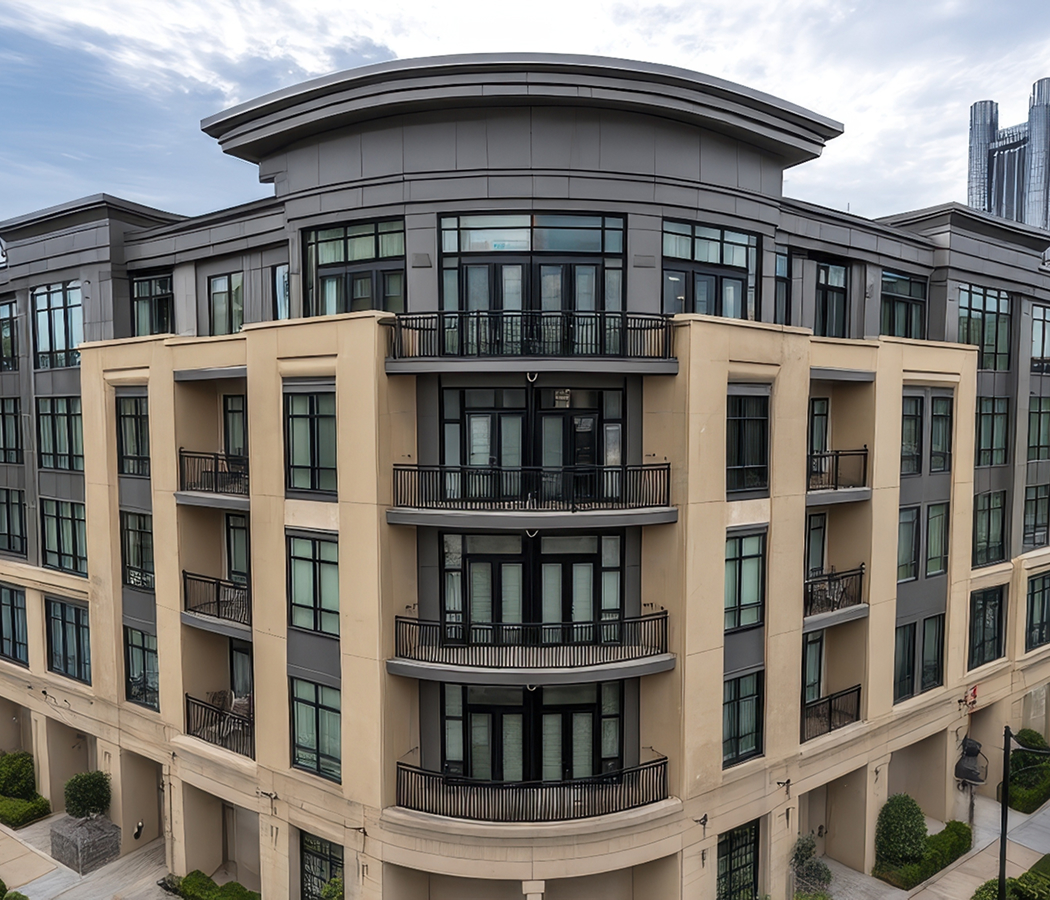
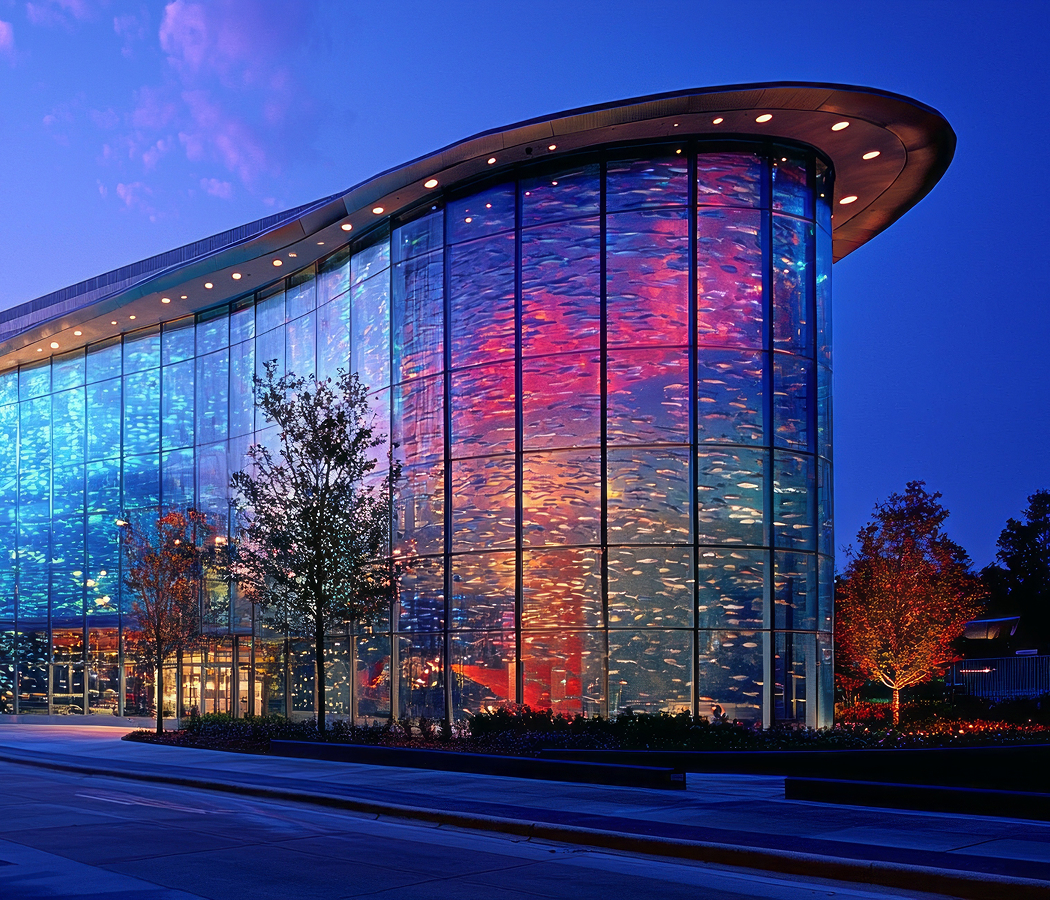
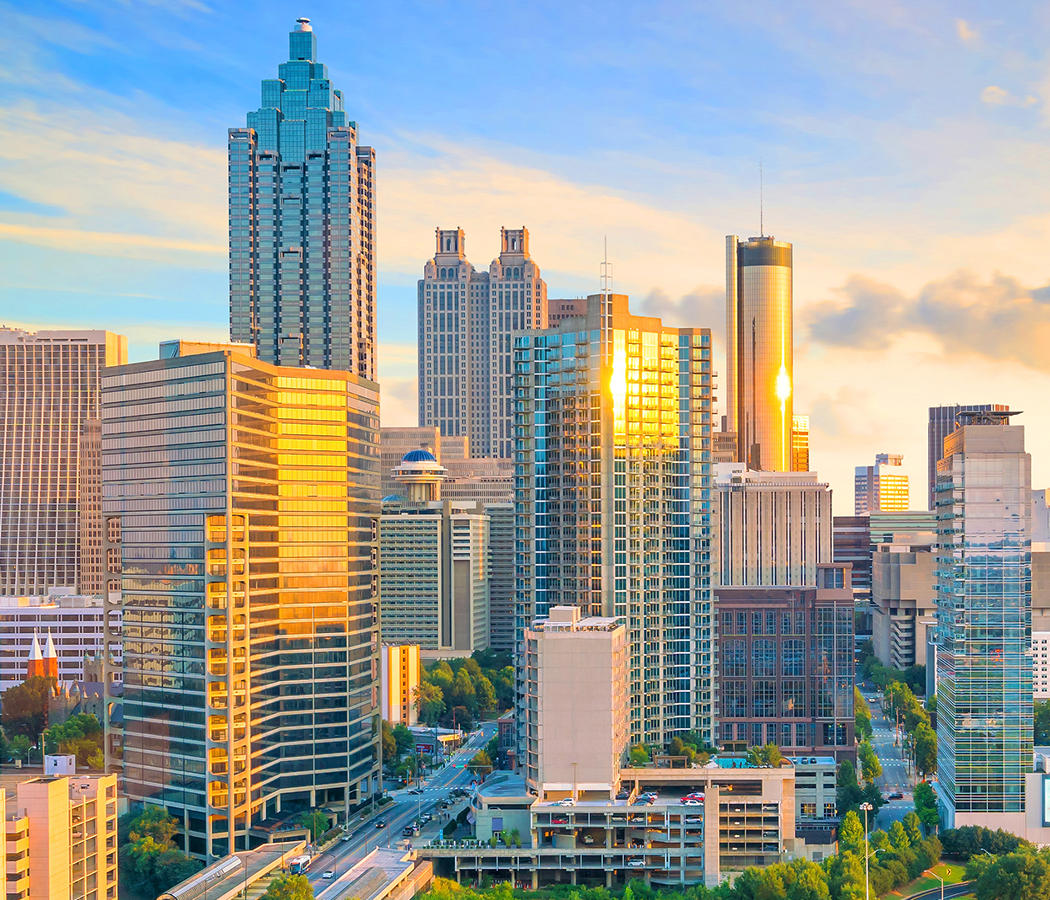
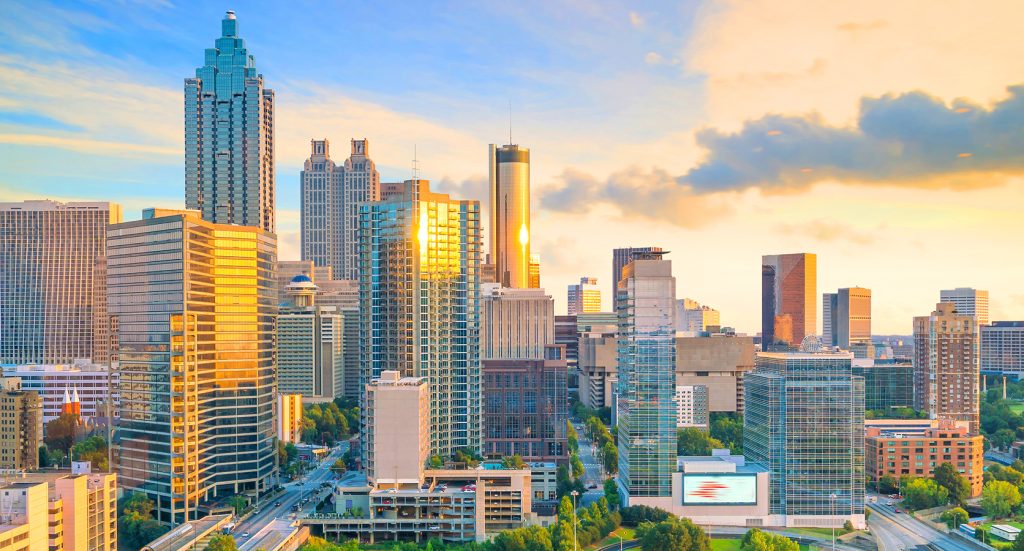
Running through Atlantic Station between Home Park and Loring Heights, the corridor connects offices, residences, retail destinations, and public gathering spaces that collectively reflect the transformation of a former steel manufacturing district into one of the nation's largest urban brownfield redevelopments. Successive blocks reveal how environmental remediation, structural engineering, and carefully coordinated planning established a streetscape that continues linking Midtown's innovation economy with Atlanta's westside neighborhoods. Contemporary architecture, landscaped boulevards, pedestrian promenades, and integrated public spaces document an environment shaped by twenty-first-century urban redevelopment. The result is an experience defined by ingenuity, connectivity, and one of Atlanta's most consequential modern corridors.
What you should know about 19th Street.
19th Street is best known for serving as one of the principal east-west corridors within Atlantic Station, the 138-acre redevelopment of the former Atlantic Steel mill that operated from 1901 until 1998, producing structural steel, wire products, and military materials while employing thousands of workers throughout much of the twentieth century. Redevelopment commenced in the early 2000s after one of the nation's largest urban environmental remediation efforts transformed the contaminated industrial property into a mixed urban district through extensive soil remediation, groundwater treatment, and engineered site stabilization. Construction required installation of new utility networks, reinforced concrete foundations, structural steel framing, multimodal street infrastructure, and the 17th Street Bridge, completed in 2004, which reconnected the isolated property with Midtown across the Downtown Connector. Streets surrounding 19th Street demonstrate contemporary urban engineering through complete-street design, landscaped medians, underground utilities, coordinated stormwater systems, and pedestrian-oriented block planning that established Atlantic Station as a nationally recognized redevelopment model. Collectively, the Atlantic Steel legacy, large-scale environmental remediation, construction of the 17th Street Bridge, advanced civil engineering, and comprehensive urban redevelopment established 19th Street as one of Atlanta's defining contemporary corridors.
Throughout the corridor, Atlantic Steel's industrial legacy remains evident through retained site grading, carefully engineered elevation changes, and redevelopment patterns that continue reflecting the footprint of the former manufacturing complex rather than an entirely new street grid. Successive phases of construction introduced LEED-certified office buildings, energy-efficient glazing systems, district-scale utility infrastructure, and structured parking integrated beneath commercial blocks, extending the engineering principles established during the initial redevelopment without altering the corridor's cohesive urban structure. Continued private investment attracted corporate employers including Microsoft, whose regional presence reinforced Atlantic Station's transition from heavy industry to technology and knowledge-based enterprise while sustaining demand for additional commercial and workplace development. Together, the preserved industrial structure, sustainable construction standards, advanced infrastructure, and evolving corporate investment demonstrate how 19th Street continues expressing the long-term evolution of one of America's most ambitious brownfield redevelopment projects.
How to fold 19th Street into your trip.
19th Street works as an exploration of Atlanta's industrial transformation, contemporary architecture, and urban innovation.
Begin at Millennium Gate Museum, where exhibitions interpreting Georgia's economic and cultural history establish the historical context for Atlantic Station before naturally leading into the surrounding district. Continue to Atlantic Green, where the neighborhood's central gathering space demonstrates the pedestrian-focused planning that distinguishes the redevelopment while extending the experience through its civic heart. Conclude at SCAD FASH Museum of Fashion + Film, where internationally focused exhibitions provide a fitting finale celebrating the creative energy that complements Atlantic Station's architectural and commercial evolution. The progression moves naturally from historical interpretation to civic design before concluding with contemporary cultural expression, revealing why 19th Street remains central to Atlantic Station's enduring identity.
Where your story begins.
Foresyte Travel reveals places that feel extraordinary long before you arrive.
Experience premium editorial crafted for luxury travelers.