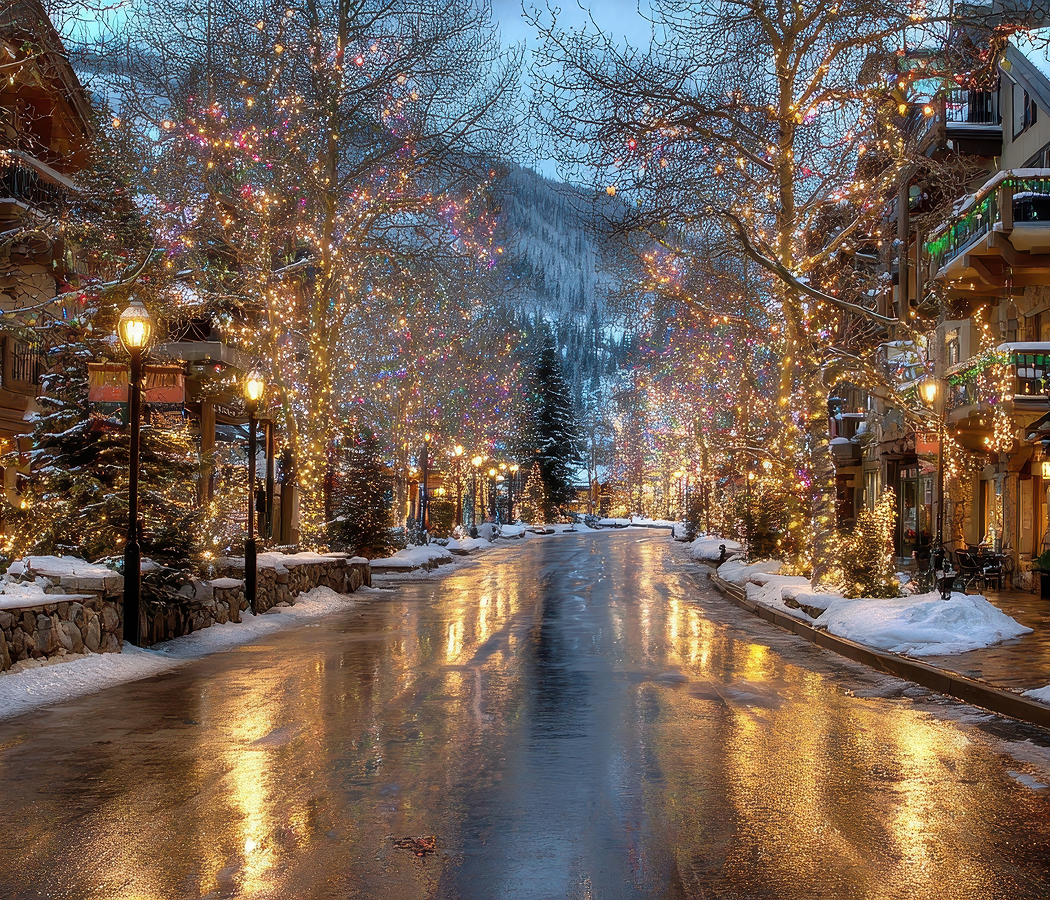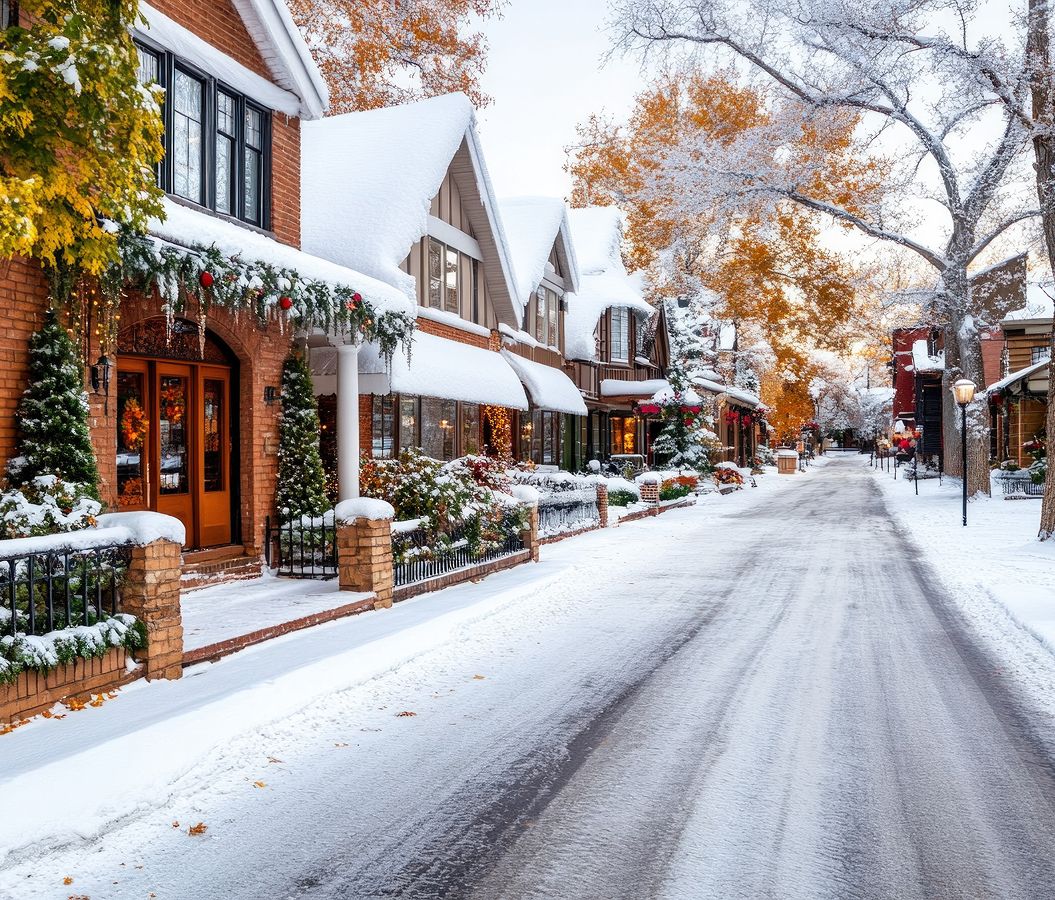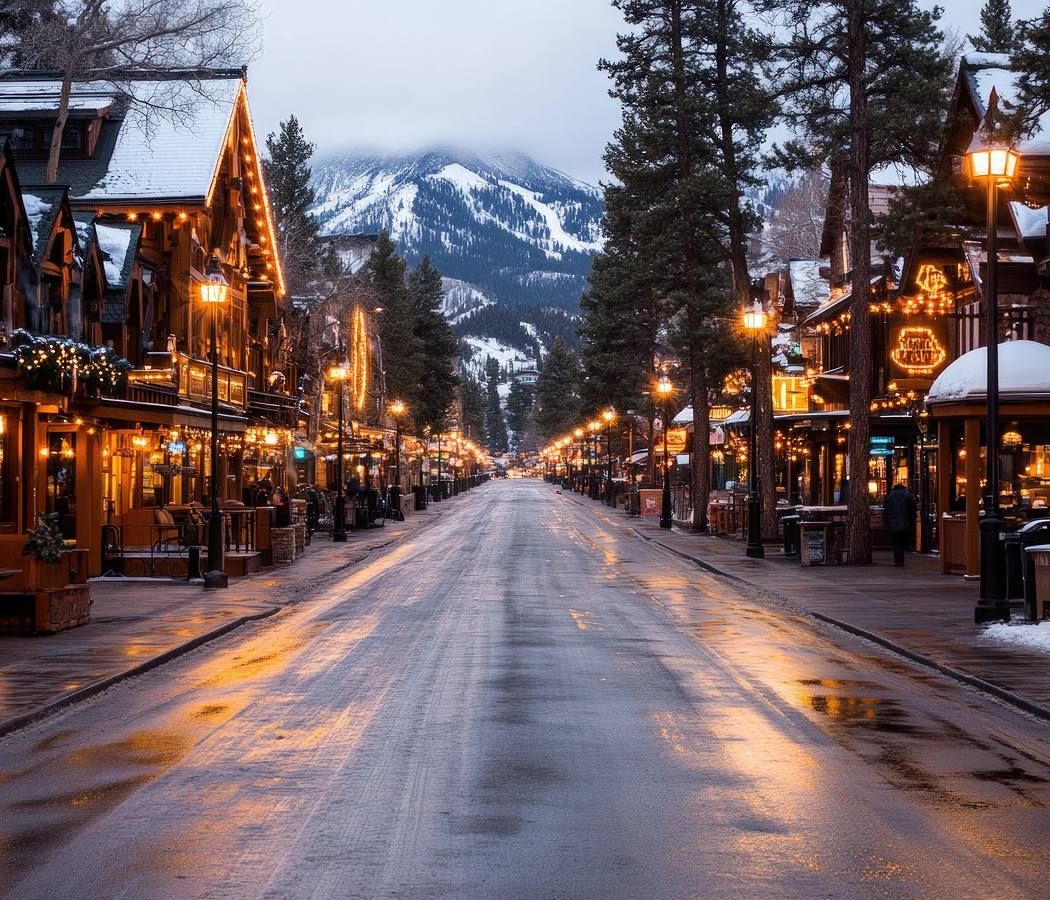
Why you should experience 26th Avenue in Denver, Colorado.
26th Avenue is a steadfast corridor where Jefferson Park's civic legacy, industrial foundations, neighborhood renewal, and evolving urban fabric converge along one of Central Denver's defining east-west streets.
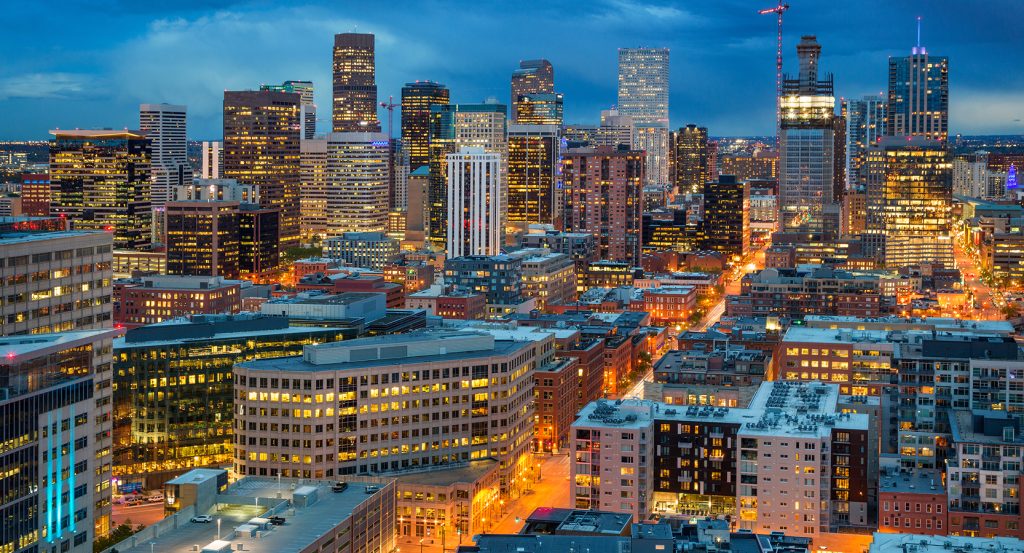
Running through Jefferson Park between Sloan Lake and Highland, 26th Avenue connects established residential blocks, former industrial districts, neighborhood institutions, and major transportation corridors that collectively reveal more than a century of urban transformation. Early brick residences, adaptive-reuse commercial buildings, mature street trees, landscaped setbacks, and thoughtfully integrated contemporary development establish a streetscape where successive eras of growth remain visibly connected. The corridor reaches its defining character where industrial history, residential continuity, and sustained public investment continue reinforcing one another. The result is an experience defined by resilience, authenticity, and Jefferson Park's enduring neighborhood character.
What you should know about 26th Avenue.
26th Avenue is best known for forming one of Jefferson Park's principal east-west corridors between the neighborhood's residential blocks and Denver's historic riverfront industrial district, where growth accelerated after the arrival of the Denver Pacific Railway in 1870 and the expansion of the Colorado Central Railroad freight network. Establishment of Jefferson Park in 1886 encouraged residential subdivision immediately west of downtown while nearby rail-served flour mills, wholesale produce houses, stockyards, lumber yards, and manufacturing facilities transformed the surrounding area into one of Denver's principal employment centers during the late nineteenth and early twentieth centuries. Construction of Speer Boulevard as part of Mayor Robert W. Speer's City Beautiful program reshaped circulation approaching the corridor, while the completion of Interstate 25 introduced a new regional transportation spine that permanently altered movement across Northwest Denver. More recent redevelopment has introduced higher-density housing, adaptive reuse of industrial buildings, multimodal transportation improvements, and upgraded pedestrian infrastructure while preserving 26th Avenue's role as a neighborhood connector between historic residential streets and the South Platte corridor.
Transportation modernization along the corridor has increasingly emphasized neighborhood connectivity through intersection reconstruction, bicycle infrastructure, curb-ramp upgrades, and stormwater improvements completed under successive projects led by the Denver Department of Transportation and Infrastructure. Those public investments have complemented the rehabilitation of nearby brick warehouses, where heavy-timber construction, steel sash windows, original freight openings, and load-bearing masonry walls have been retained as industrial buildings found new commercial and creative uses. Historic granite curbs, surviving alley alignments, common-bond brickwork, and early concrete paving continue revealing how freight movement and municipal engineering shaped the physical evolution of 26th Avenue across multiple generations of development. Together, transportation improvements, adaptive industrial reuse, preserved construction materials, and sustained civic investment demonstrate how 26th Avenue continues linking Jefferson Park's railroad-era foundations with its contemporary urban resurgence.
How to fold 26th Avenue into your trip.
26th Avenue works as an exploration of Jefferson Park's civic heritage, industrial evolution, and urban transformation.
Begin at Jefferson Park, where Denver's oldest public park west of downtown introduces the neighborhood's historic civic foundation before naturally leading toward 26th Avenue. Continue to Empower Field at Mile High, whose grand scale demonstrates the district's continuing regional significance while contrasting with the surrounding nineteenth-century street grid. Conclude at Downtown Aquarium, where the adaptive reuse of a former industrial property provides the historical payoff by reflecting the broader transformation of Denver's riverfront from manufacturing center to recreation, education, and public life. The progression moves naturally from Jefferson Park's original civic centerpiece through its contemporary character before concluding at a destination that captures the area's long-term urban evolution.
Where your story begins.
Foresyte Travel reveals places that feel extraordinary long before you arrive.
Experience premium editorial crafted for luxury travelers.