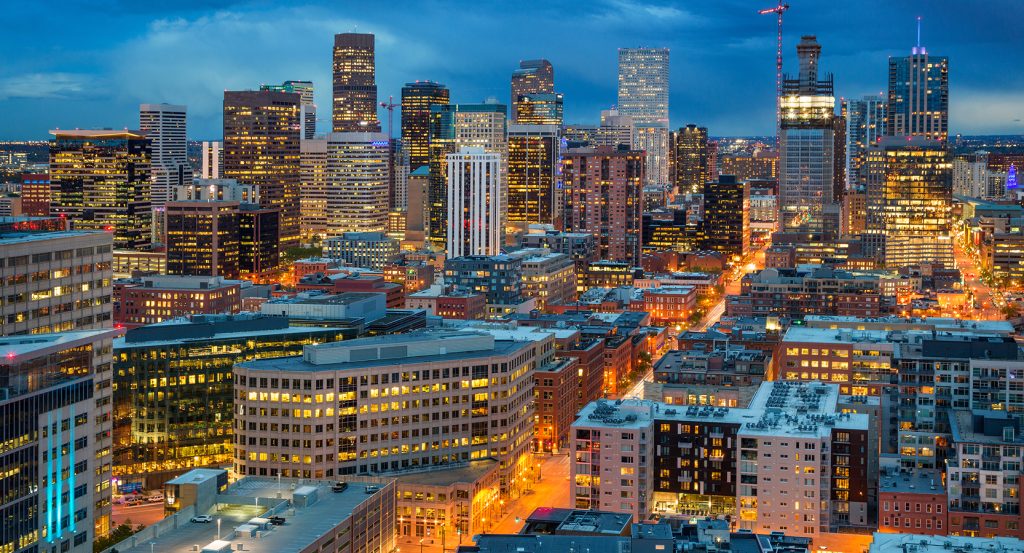
Why 27th Street matters.
27th Street is a resilient corridor where Jefferson Park's industrial legacy, neighborhood revival, civic investment, and evolving urban character converge along one of Central Denver's most consequential north-south connections.
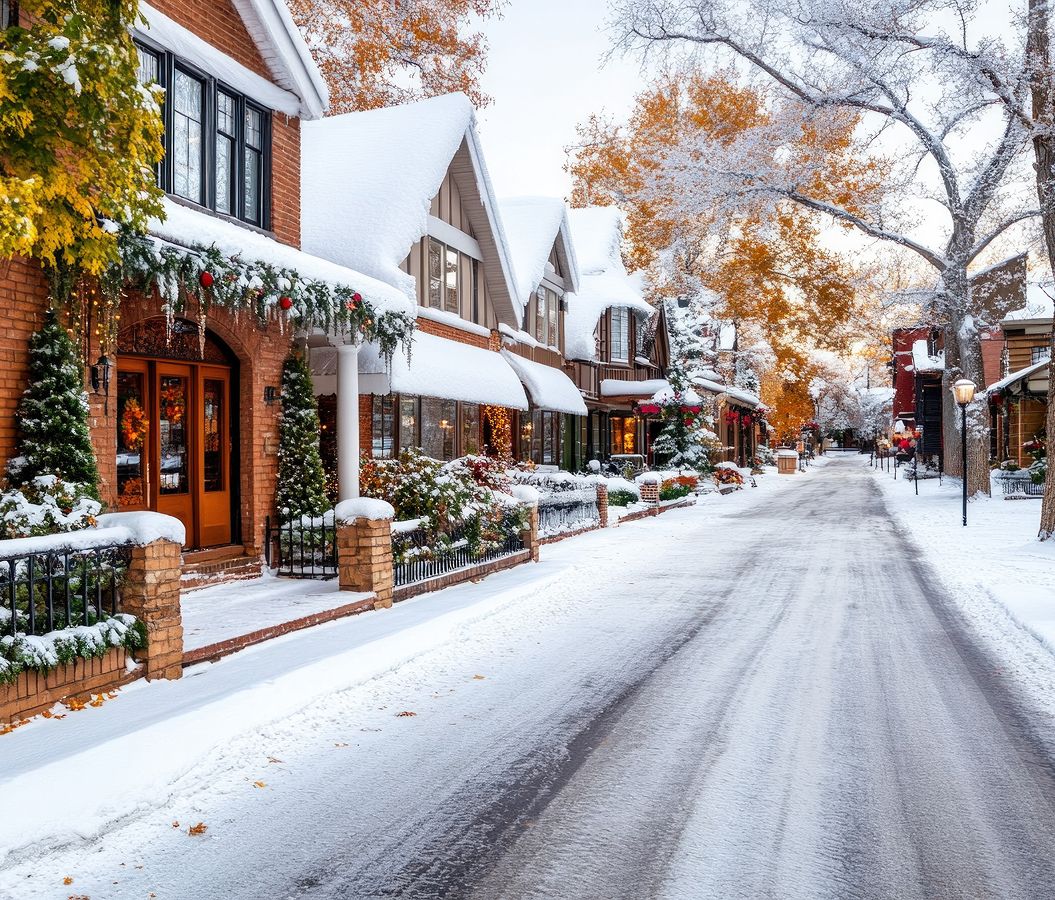
Running through Jefferson Park between Highland and Auraria, 27th Street links historic residential blocks, former industrial properties, neighborhood parks, and major transportation corridors that together reveal more than a century of changing urban priorities. Early brick residences, converted warehouse buildings, modern infill, mature street trees, and broad sidewalks establish a streetscape where successive generations of development remain visibly layered. The corridor reaches its defining character where Denver's industrial past, residential renewal, and contemporary urban growth continue reinforcing one another. The result is an experience defined by continuity, reinvention, and Jefferson Park's enduring civic identity.
What you should know 27th Street.
27th Street is best known for connecting Jefferson Park with the industrial districts that developed beside the South Platte River after the arrival of the Denver Pacific Railway in 1870 and the expansion of the Colorado Central Railroad, both of which accelerated manufacturing and warehouse construction across Northwest Denver. Following the creation of Jefferson Park in 1886, residential blocks expanded east of the river while nearby foundries, rail sidings, flour mills, and freight facilities established one of the city's most productive industrial landscapes during the late nineteenth and early twentieth centuries. Completion of Speer Boulevard during the City Beautiful improvements initiated by Mayor Robert W. Speer reshaped circulation around the corridor, while later construction of Interstate 25 permanently altered regional access patterns and reinforced 27th Street's importance as a local north-south connection. Ongoing redevelopment throughout the early twenty-first century introduced new residential construction, adaptive reuse projects, and public infrastructure improvements while retaining the corridor's historic relationship with Denver's industrial west side.
Redevelopment of former warehouse parcels encouraged adaptive reuse rather than wholesale clearance, allowing historic brick industrial buildings to accommodate offices, creative workspaces, and neighborhood-serving businesses while preserving tangible evidence of the corridor's manufacturing past. Successive streetscape projects undertaken by the City and County of Denver introduced upgraded pedestrian crossings, curb extensions, street lighting, and accessible sidewalks that strengthened connections between established residential blocks and emerging mixed-employment areas. Historic loading docks, heavy-timber structural systems, common-bond brick masonry, and surviving rail-oriented lot configurations continue illustrating how industrial engineering shaped the physical character of 27th Street long after freight traffic diminished. Together, adaptive reuse, municipal infrastructure investment, preserved industrial construction, and evolving neighborhood activity demonstrate how 27th Street continues expressing Jefferson Park's transition from a railroad-supported manufacturing district into one of Denver's most steadily revitalized urban corridors.
How 27th Street fits.
27th Street works as an exploration of Jefferson Park's industrial heritage, civic landscape, and architectural evolution.
Begin at Jefferson Park, where Denver's oldest public park west of downtown introduces the neighborhood's historic civic foundation before naturally leading toward 27th Street. Continue to Empower Field at Mile High, whose massive contemporary presence demonstrates the district's continuing regional importance while contrasting sharply with the surrounding nineteenth-century street grid. Conclude at Downtown Aquarium, where the adaptive reuse of a former industrial property provides the historical payoff by reflecting the broader transformation of Denver's riverfront districts from manufacturing centers into destinations for recreation, education, and public life. The progression moves naturally from the neighborhood's original civic anchor through its modern character before concluding with a site that captures the area's long-term urban evolution.
Where your story begins.
Foresyte Travel reveals places that feel extraordinary long before you arrive.
Enjoy editorial crafted for luxury travelers.
Foresyte may earn a commission when you book.