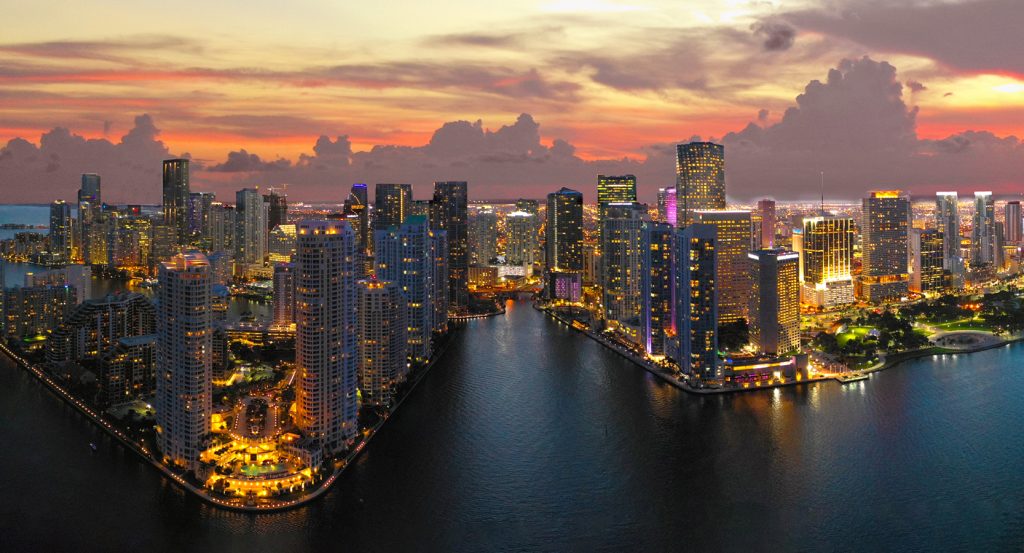
Why 2nd Street matters.
2nd Street is a storied corridor where Downtown's waterfront origins, commercial ambition, civic identity, and architectural evolution continue defining the historic heart of the city.
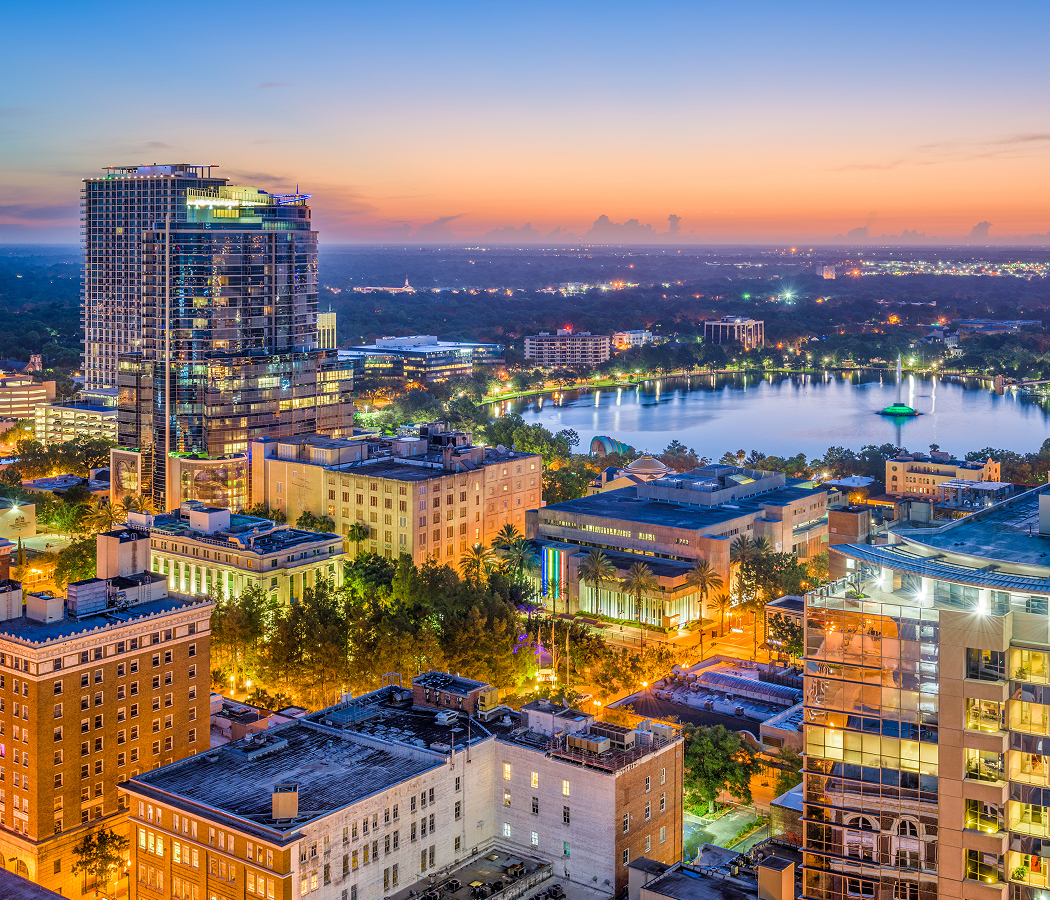
Running through Downtown near Biscayne Boulevard and the Miami River, the corridor links early commercial blocks, government institutions, waterfront infrastructure, and contemporary office towers that collectively reflect Miami's transformation from a frontier settlement into an international financial center. Historic masonry buildings, modern high-rise construction, landscaped streetscapes, and public plazas reinforce an urban environment shaped by more than a century of continuous development. Throughout the corridor, business, government, transportation, and waterfront activity remain closely intertwined with the city's historical foundations. The result is an experience defined by urban continuity, architectural variety, and one of Miami's most historically significant downtown corridors.
What you should know 2nd Street.
2nd Street is best known for extending through the original commercial core that developed after Julia Tuttle encouraged Henry Flagler to extend the Florida East Coast Railway to Miami, leading to the city's incorporation in 1896 and the rapid expansion of businesses surrounding the Miami River and Biscayne Bay. Banks, shipping companies, retail merchants, professional offices, and municipal institutions established Downtown as South Florida's principal financial and governmental center throughout the twentieth century, while construction of the Brickell Avenue Bridge, PortMiami, Interstate 95, and the Metromover system strengthened regional accessibility. The corridor also reflects successive architectural periods ranging from early masonry commercial buildings and mid-century office towers to contemporary glass skyscrapers designed by internationally recognized architectural firms. Royal palms, live oaks, gumbo limbo, white ibis, brown pelicans, zebra longwing butterflies, native landscaping, granite sidewalks, and limestone accents collectively demonstrate the ecological and architectural character surrounding the corridor within subtropical Miami.
Financial institutions surrounding 2nd Street expanded alongside Miami's emergence as a gateway to Latin America, attracting multinational banks, international law firms, trade organizations, insurance companies, and corporate headquarters that strengthened the city's global economic influence. Public infrastructure investments introduced underground utilities, resilient stormwater systems, elevated pedestrian connections, intelligent traffic management technologies, and extensive streetscape improvements supporting continued urban growth within the downtown core. Museums, performing arts organizations, educational institutions, engineering consultancies, and nonprofit foundations further diversify the district by contributing cultural programming, professional services, and civic engagement throughout the year. Together, these financial networks, infrastructure investments, and institutional partnerships demonstrate how 2nd Street continues expressing Downtown's enduring importance as the city's commercial, governmental, and economic center.
How 2nd Street fits.
2nd Street works as an exploration of Downtown's waterfront origins, civic development, and architectural evolution.
Begin at Bayfront Park, where Biscayne Bay, public gathering spaces, and expansive civic design introduce the waterfront setting that shaped Miami's early growth. Continue to HistoryMiami Museum, whose exhibitions trace the city's development through transportation, immigration, commerce, and community history while providing valuable context for the surrounding streets. Conclude at Miami Riverwalk, where the historic riverfront provides the historical payoff by illustrating how maritime commerce, shipping, and early settlement established the economic foundations that continue influencing Downtown today. The progression moves naturally from the waterfront through the city's historical narrative before concluding along the river that gave rise to modern Miami.
Where your story begins.
Foresyte Travel reveals places that feel extraordinary long before you arrive.
Enjoy editorial crafted for luxury travelers.
Foresyte may earn a commission when you book.