Why you should experience 38th Avenue in Denver, Colorado.
38th Avenue is a spirited corridor where West Highland's neighborhood heritage, commercial vitality, architectural character, and independent local culture define one of Northwest Denver's most beloved east-west streets.
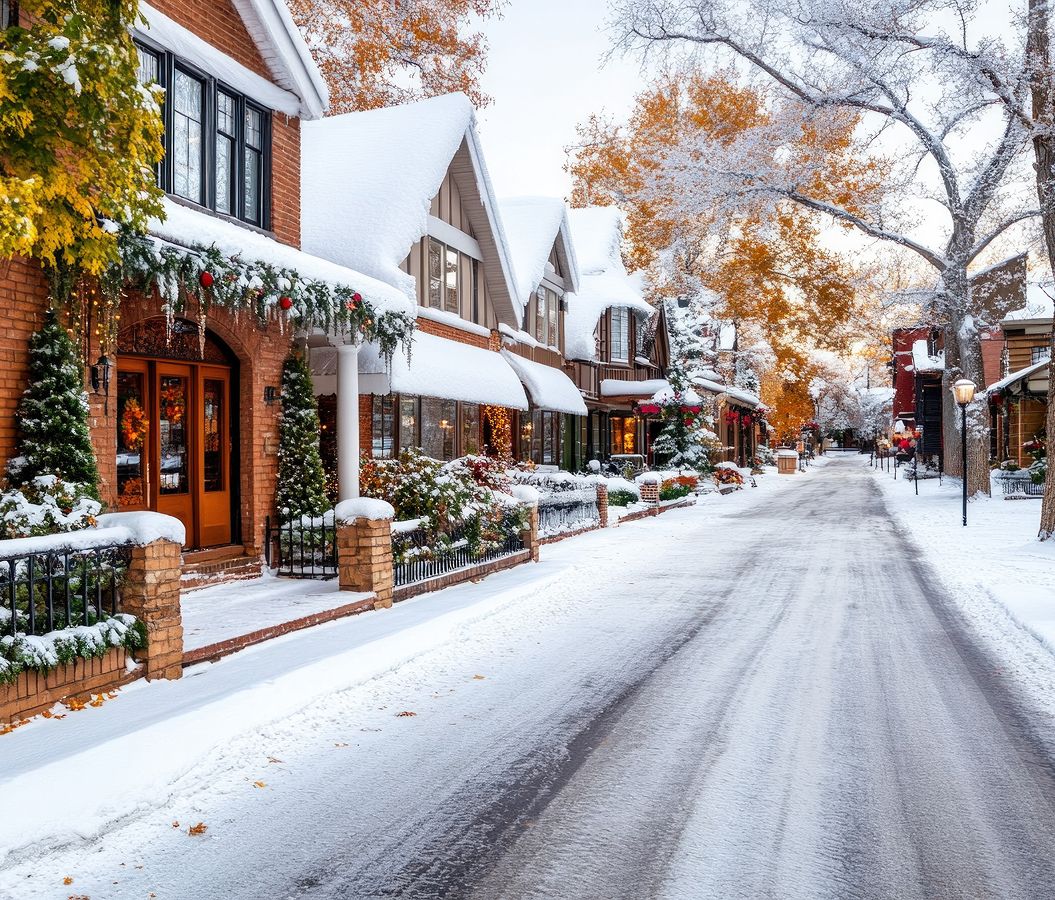
Running through West Highland between Berkeley and Highland, 38th Avenue connects early-twentieth-century residential blocks, locally owned businesses, neighborhood gathering places, and walkable commercial districts that collectively reflect more than a century of thoughtful urban evolution. Historic brick storefronts, Craftsman homes, mature tree canopies, broad sidewalks, and lively outdoor cafés establish a streetscape where neighborhood continuity and entrepreneurial energy remain closely intertwined. The corridor reaches its defining character where architectural preservation, independent commerce, and community stewardship reinforce one another across successive generations. The result is an experience defined by authenticity, walkability, and West Highland's enduring neighborhood spirit.
What you should know about 38th Avenue.
38th Avenue is best known for serving as the principal commercial spine of West Highland, a neighborhood that expanded rapidly following the annexation of the independent Town of Highlands by the City of Denver in 1896 after voters approved consolidation in 1895. Intensive development between the 1900s and 1930s established continuous rows of one- and two-story brick commercial buildings alongside substantial collections of Denver Squares, Craftsman bungalows, Foursquare residences, and Tudor Revival homes that continue defining the corridor's architectural identity. The avenue benefited from service provided by the Denver Tramway Company, whose electric streetcar lines encouraged compact commercial development and reinforced 38th Avenue as the neighborhood's principal retail and social destination. Original masonry storefronts, recessed entrances, decorative cornices, and historic lot patterns remain visible throughout much of the corridor, preserving the physical structure established during Denver's streetcar era.
Commercial revitalization beginning in the late twentieth century encouraged adaptive reuse of early storefronts, façade rehabilitation, pedestrian-oriented streetscape improvements, and investment by independent retailers while maintaining the avenue's historic scale. Preservation efforts led by Historic Denver, the West Highland Neighborhood Association, and the Denver Public Library have documented the corridor's architectural significance through neighborhood surveys, archival collections, and historical research. Brick parapets, prism transom windows, decorative corbeling, original storefront pilasters, mature street trees, and restored pedestrian lighting continue illustrating the craftsmanship that distinguished the avenue's principal period of construction. Together, preservation leadership, commercial reinvestment, enduring masonry architecture, and neighborhood continuity explain why 38th Avenue remains one of Northwest Denver's defining historic corridors.
How to fold 38th Avenue into your trip.
38th Avenue works as an exploration of West Highland's neighborhood culture, architectural heritage, and enduring local character.
Begin at Highland Square, where independent boutiques, neighborhood cafés, and preserved early-twentieth-century storefronts establish the commercial heart that has anchored West Highland for generations before naturally leading along 38th Avenue. Continue to Linger, whose adaptive reuse of the former Olinger Mortuary demonstrates how historic architecture can acquire an entirely new civic life while remaining deeply rooted in the surrounding neighborhood. Conclude at Hirshorn Park, where broad lawns, mature trees, and views across the neighborhood provide the resonant payoff by revealing the residential landscape that has always sustained West Highland beyond its celebrated commercial corridor. The progression moves naturally from the neighborhood's historic main street through an inventive example of architectural preservation before concluding in the public green space that best expresses West Highland's enduring sense of place.
Where your story begins.
Foresyte Travel reveals places that feel extraordinary long before you arrive.
Experience premium editorial crafted for luxury travelers.