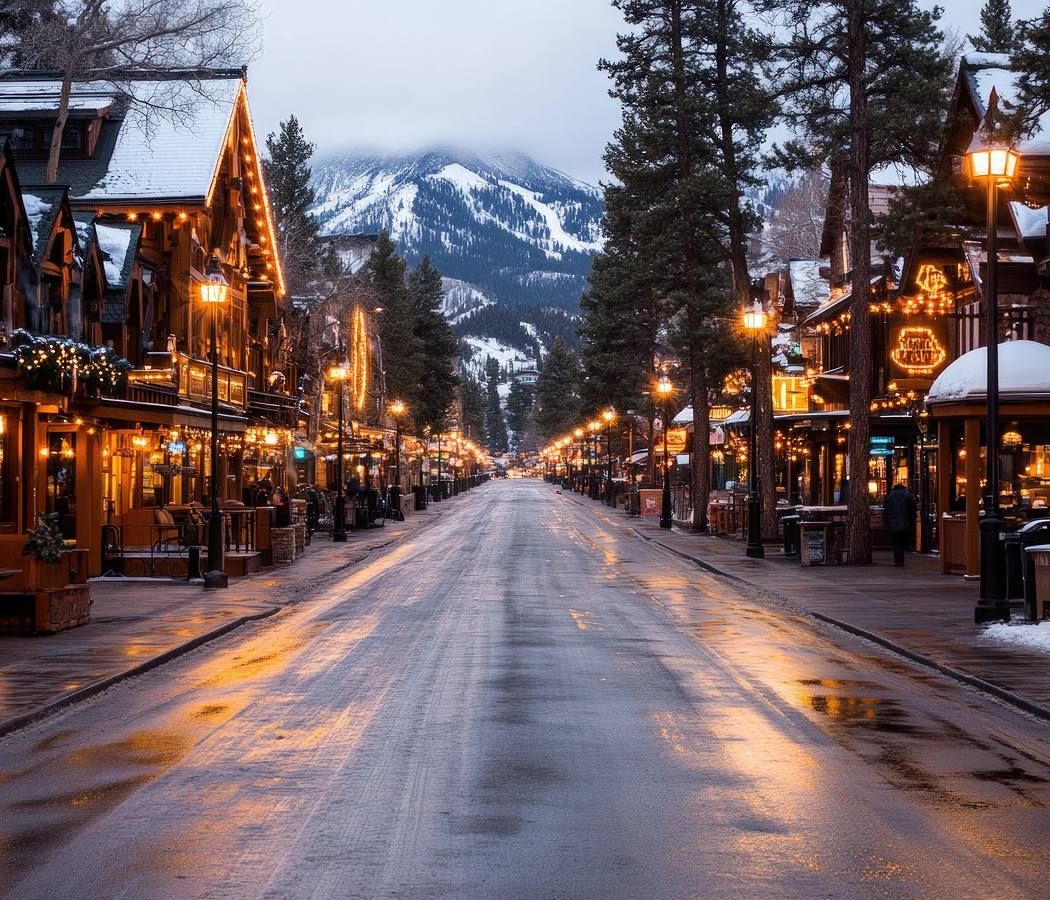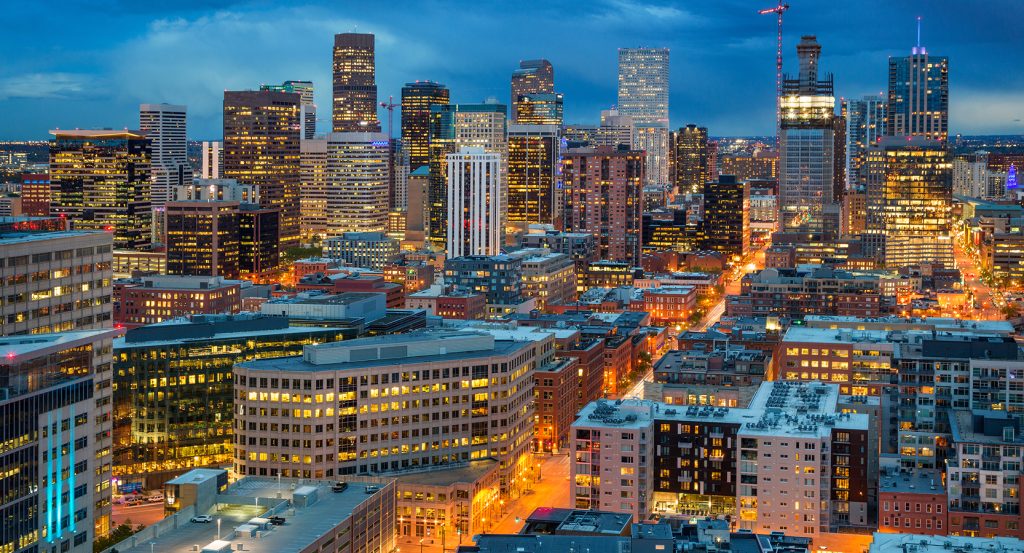
Why you should experience 40th Avenue in Denver, Colorado.
40th Avenue is a resilient corridor where Elyria-Swansea's industrial heritage, immigrant traditions, transportation legacy, and neighborhood perseverance continue shaping one of North Denver's defining east-west streets.
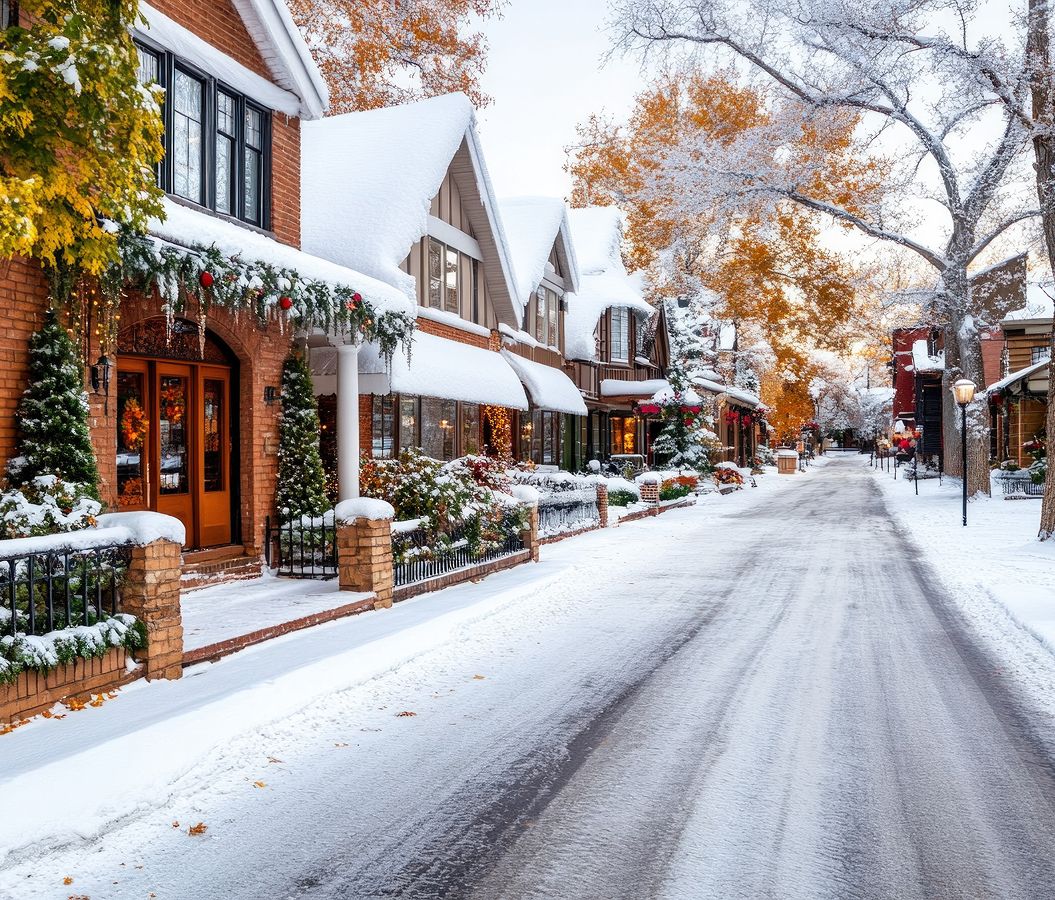
Running through Elyria-Swansea between Globeville and Northeast Park Hill, 40th Avenue links established residential blocks, historic industrial properties, freight rail infrastructure, neighborhood parks, and civic institutions that collectively reflect more than a century of economic and community development. Brick workers' homes, railroad crossings, mature street trees, long-standing industrial buildings, and modern transportation improvements establish a streetscape where manufacturing history and neighborhood continuity remain inseparable. The corridor reaches its defining character where industrial enterprise, community resilience, and careful reinvestment reinforce one another across successive generations. The result is an experience defined by authenticity, industrial heritage, and Elyria-Swansea's enduring contribution to Denver's evolution.
What you should know about 40th Avenue.
40th Avenue is best known for developing alongside Elyria and Swansea as expansion of the Denver Pacific Railway, Union Pacific Railroad, and Denver & Rio Grande Railroad transformed North Denver into one of Colorado's foremost industrial districts during the late nineteenth century. Manufacturing growth throughout the 1890s and early twentieth century attracted meatpacking facilities, foundries, rail-served warehouses, metal fabrication plants, and wholesale distribution centers whose operations depended upon direct freight access and proximity to Downtown. Residential construction introduced Workers' Cottages, Craftsman bungalows, modest brick homes, and neighborhood churches that supported generations employed throughout the surrounding industrial economy while establishing a cohesive community identity. The corridor later assumed regional transportation importance through its relationship with Interstate 70, making 40th Avenue an important local connector within Denver's evolving transportation network.
Reconstruction associated with the Central 70 Project introduced replacement bridges, upgraded sidewalks, bicycle facilities, landscaped public improvements, and improved east-west neighborhood connections designed to restore accessibility across Elyria-Swansea. Documentation prepared by History Colorado, the Denver Public Library, and the Globeville Elyria-Swansea Coalition Organization preserves detailed records of the neighborhood's industrial expansion, immigrant communities, and architectural evolution through archival collections and preservation research. Reinforced-concrete warehouses, riveted steel railroad bridges, historic brick masonry, industrial loading docks, and surviving rail infrastructure continue illustrating the engineering practices that defined the corridor's principal era of development. Together, transportation modernization, preservation scholarship, industrial craftsmanship, and neighborhood continuity explain why 40th Avenue remains one of North Denver's defining historic corridors.
How to fold 40th Avenue into your trip.
40th Avenue works as an exploration of Denver's industrial heritage, riverfront renewal, and transportation history.
Begin at National Western Center, where Colorado's agricultural traditions, exhibition facilities, and continuing redevelopment establish the commercial foundations that shaped the surrounding industrial neighborhoods before naturally leading toward 40th Avenue. Continue to Globeville Landing Park, whose restored South Platte River shoreline, ecological improvements, and multiuse trails reveal how environmental restoration has become an integral chapter in North Denver's continuing story. Conclude at Forney Museum of Transportation, where historic locomotives, streetcars, automobiles, and engineering artifacts provide a fitting finale by illustrating the transportation systems that fueled the growth of Elyria-Swansea and the wider metropolitan region. The progression moves naturally from agricultural commerce through river restoration before concluding with the vehicles and infrastructure that powered Denver's industrial expansion.
Where your story begins.
Foresyte Travel reveals places that feel extraordinary long before you arrive.
Experience premium editorial crafted for luxury travelers.