Why 46th Avenue matters.
46th Avenue is a steadfast corridor where Elyria-Swansea's industrial heritage, immigrant traditions, neighborhood determination, and contemporary renewal express one of North Denver's most enduring urban streets.
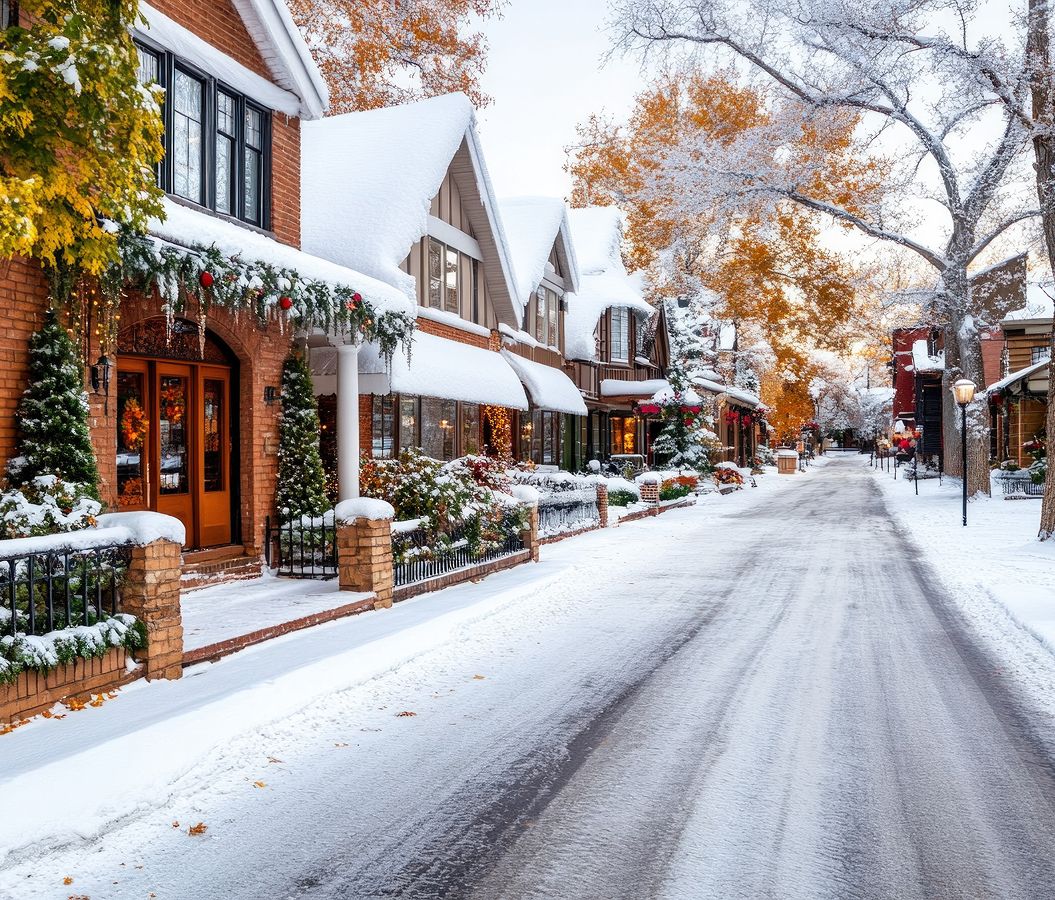
Running through Elyria-Swansea between Globeville and Northeast Park Hill, 46th Avenue connects established residential blocks, industrial campuses, freight infrastructure, neighborhood institutions, and expanding public spaces that collectively reflect more than a century of North Denver's economic and cultural evolution. Historic brick homes, active railroad corridors, manufacturing buildings, mature street trees, and carefully renewed civic improvements establish a streetscape where working-class heritage and neighborhood continuity remain closely intertwined. The corridor reaches its defining character where industrial enterprise, community stewardship, and long-term investment reinforce one another across successive generations. The result is an experience defined by resilience, authenticity, and Elyria-Swansea's enduring contribution to Denver's industrial landscape.
What you should know 46th Avenue.
46th Avenue is best known for developing alongside Elyria and Swansea during the late nineteenth and early twentieth centuries, when expanding Union Pacific and Denver & Rio Grande Western rail corridors attracted foundries, meatpacking operations, warehouses, stockyards, and manufacturing facilities that established North Denver as one of Colorado's principal industrial centers. Residential construction between the 1890s and 1940s introduced enduring collections of Workers' Cottages, Craftsman bungalows, Denver Squares, and modest brick residences that accommodated generations employed throughout the surrounding industrial economy. The corridor evolved in close relationship with the nearby National Western Stock Show, founded in 1906, whose livestock commerce, rail accessibility, and agricultural exhibitions reinforced the district's statewide economic importance throughout the twentieth century. Original industrial buildings, historic residential streets, and long-established commercial properties continue illustrating the physical evolution of Elyria-Swansea while supporting modern logistics, manufacturing, and neighborhood investment.
Construction associated with the Central 70 Project introduced reconstructed transportation infrastructure, expanded neighborhood open space, improved pedestrian connections, and environmental enhancements that strengthened local accessibility while addressing decades of transportation-related challenges across the surrounding community. Research conducted by History Colorado, Historic Denver, and the Globeville Elyria-Swansea Coalition Organization has documented the neighborhood's immigrant heritage, industrial development, and architectural evolution through preservation initiatives and community archives. Reinforced-concrete warehouses, steel railroad bridges, hand-laid brick masonry, neighborhood churches, and long-standing family-owned businesses continue expressing the craftsmanship and cultural traditions established across successive generations of residents. Together, transportation modernization, preservation scholarship, enduring industrial architecture, and neighborhood resilience explain why 46th Avenue remains one of North Denver's defining historic corridors.
How 46th Avenue fits.
46th Avenue works as an exploration of North Denver's industrial heritage, environmental renewal, and creative transformation.
Begin at the National Western Center, where historic livestock facilities, educational programming, and ongoing redevelopment establish the agricultural and industrial traditions that shaped the surrounding neighborhoods before naturally leading toward 46th Avenue. Continue to Globeville Landing Park, whose restored South Platte River habitat, multiuse trails, and community gathering spaces deepen the experience while illustrating the area's commitment to environmental restoration and renewed public access. Conclude at RiNo Art District, where adaptive reuse of former industrial buildings, expansive murals, and thriving creative enterprises provide a fitting finale celebrating North Denver's continuing evolution from manufacturing powerhouse to cultural destination. The progression moves naturally from Colorado's agricultural legacy through riverfront restoration before culminating in one of Denver's most compelling examples of industrial reinvention.
Where your story begins.
Foresyte Travel reveals places that feel extraordinary long before you arrive.
Enjoy editorial crafted for luxury travelers.
Foresyte may earn a commission when you book.