Why 72nd Avenue matters.
72nd Avenue is an lively corridor where Westchester's multicultural neighborhoods, educational institutions, suburban maturity, and tropical landscape create one of western Miami's defining north-south thoroughfares.
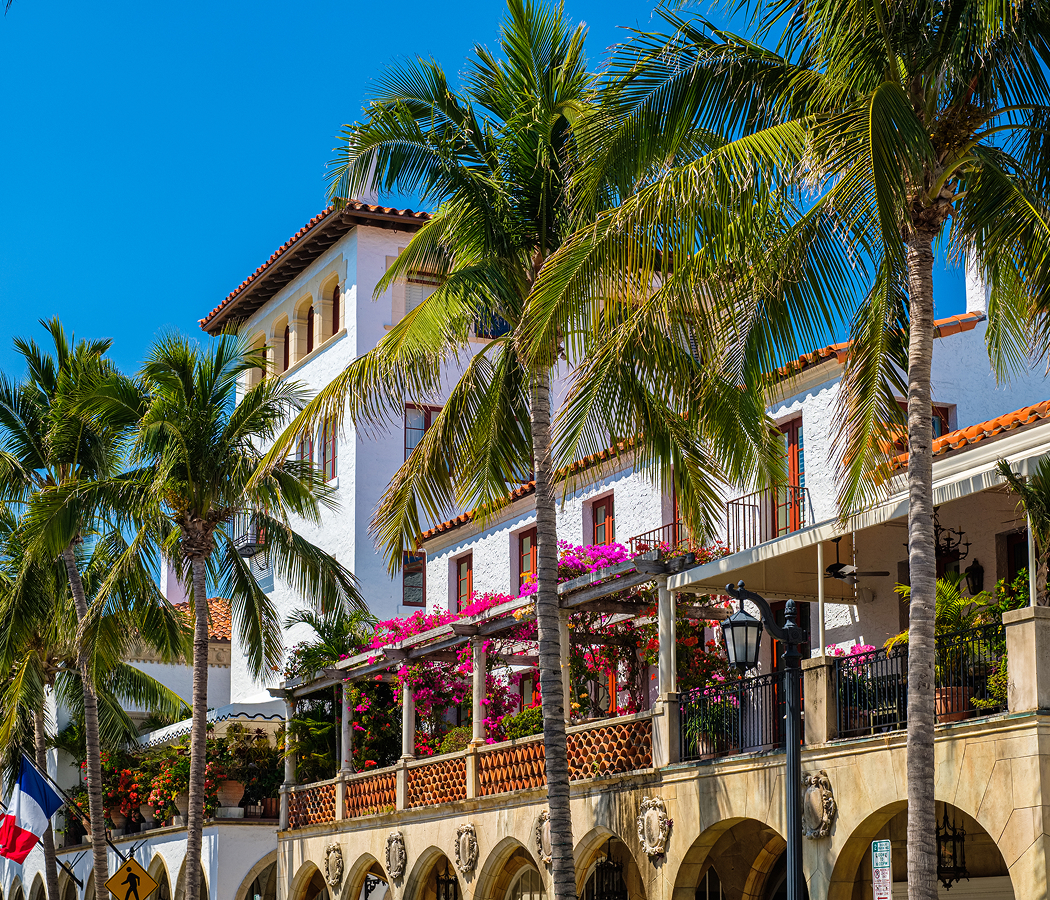
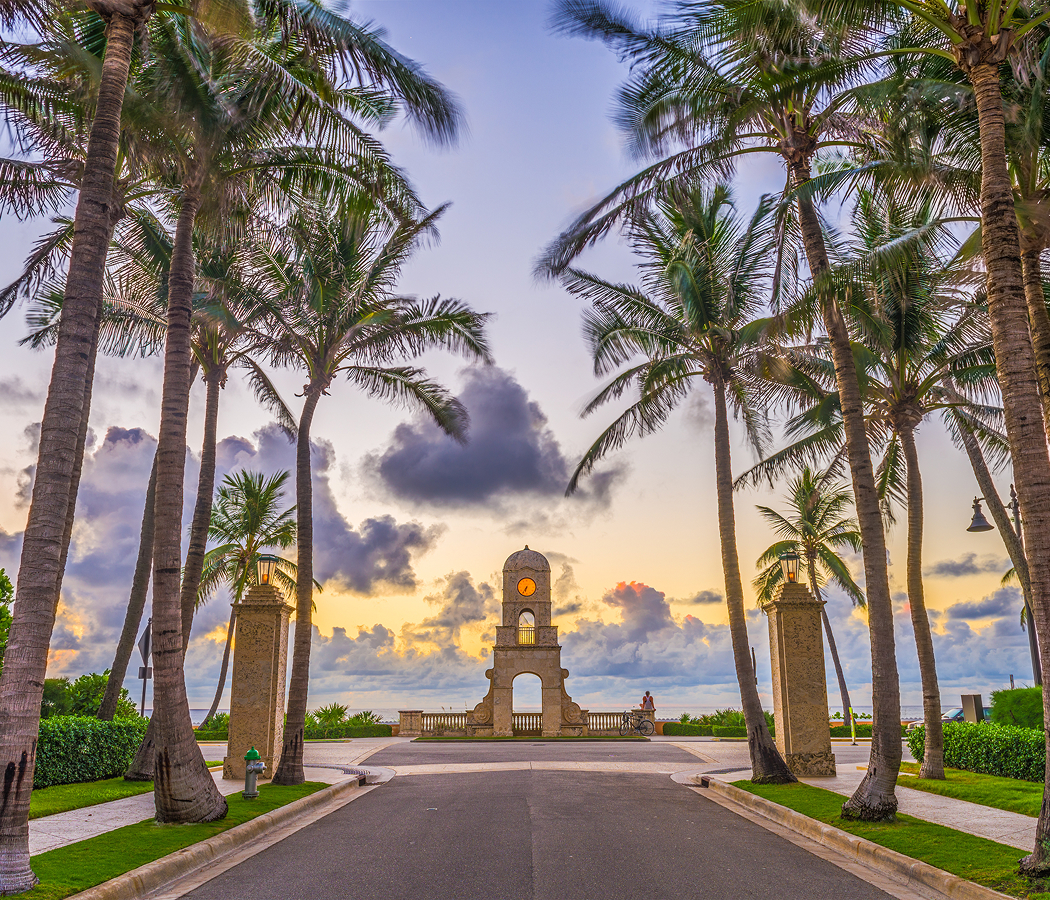
Running through Westchester between Doral and Glenvar Heights, the corridor connects established residential communities, neighborhood parks, schools, commercial districts, and healthcare facilities that collectively reflect Miami-Dade County's sustained westward expansion during the second half of the twentieth century. Landscaped medians, mature royal palms, shaded sidewalks, and long-established neighborhood businesses create a streetscape where community life and regional mobility remain closely intertwined. Throughout the corridor, independent enterprises, educational campuses, and flourishing subtropical vegetation reinforce an environment shaped by generations of residential growth, immigration, and neighborhood investment. The result is an experience defined by accessibility, community vitality, and one of western Miami's most enduring suburban corridors.
What you should know 72nd Avenue.
72nd Avenue is best known as Northwest and Southwest 72nd Avenue, a major north-south arterial that developed alongside western Miami-Dade County's transition from agricultural land into established suburban communities during the decades following World War II. The corridor originally crossed citrus groves, avocado orchards, tomato fields, dairy farms, and pine rocklands before residential subdivisions, neighborhood shopping centers, schools, municipal facilities, and healthcare campuses steadily expanded between the 1950s and the 1980s to accommodate Miami's rapidly growing population. Strategic intersections with Northwest 36th Street, Southwest 8th Street, Coral Way, Bird Road, Miller Drive, Sunset Drive, and Kendall Drive established the avenue as an important transportation link connecting Doral, Westchester, Olympia Heights, and Glenvar Heights while strengthening the county's evolving roadway network. Reinforced concrete canal bridges, engineered stormwater infrastructure, hurricane-resilient utility corridors, adaptive traffic signal systems, landscaped medians, and widened multilane intersections document decades of public investment that supported sustained suburban growth throughout western Miami. Royal palms, live oaks, gumbo limbo, sabal palms, green buttonwood, white ibis, great egrets, red-shouldered hawks, monarch butterflies, and native pollinator species remain closely associated with roadside landscapes and freshwater canal corridors, preserving ecological diversity despite extensive urbanization.
Miami-Dade College's InterAmerican Campus strengthened educational opportunities within the surrounding area through bilingual academic programs, workforce development, and community partnerships that continue serving one of Miami's most diverse populations. Tropical hardwood hammocks preserved within nearby parks continue supporting native species including pigeon plum, paradise tree, wild tamarind, and Florida fiddlewood, providing ecological continuity with the natural landscape that preceded suburban development. Cuban, Colombian, Venezuelan, Nicaraguan, Dominican, and Peruvian entrepreneurs established generations of independently owned bakeries, specialty markets, restaurants, and professional offices throughout surrounding commercial districts, reflecting the multicultural evolution that continues defining western Miami. Together, these educational institutions, preserved native ecosystems, and longstanding immigrant business traditions demonstrate how 72nd Avenue evolved from an agricultural route into one of western Miami's most established suburban corridors.
How 72nd Avenue fits.
72nd Avenue works as an exploration of western Miami's cultural destinations, neighborhood parks, and tropical landscapes.
Begin at Frost Art Museum, where internationally recognized collections, contemporary exhibitions, and striking architecture introduce Miami's creative landscape before following 72nd Avenue through Westchester. Continue to Tropical Park, whose freshwater lakes, equestrian facilities, and expansive recreational spaces broaden the appreciation for the outdoor environments that define western Miami. Conclude at Fairchild Tropical Botanic Garden, where internationally significant tropical plant collections, rainforest landscapes, and rare palms provide the culminating reward by celebrating South Florida's extraordinary botanical diversity. The progression moves naturally from artistic discovery through expansive public parkland before concluding amid world-renowned botanical collections, revealing how 72nd Avenue connects education, community life, and Miami's remarkable natural heritage.
Where your story begins.
Foresyte Travel reveals places that feel extraordinary long before you arrive.
Enjoy editorial crafted for luxury travelers.
Foresyte may earn a commission when you book.