Why Coral Way matters.
Coral Way is a historic Shenandoah corridor where Mediterranean elegance, pioneering urban planning, and tree-lined beauty converge along one of Miami's most iconic boulevards.
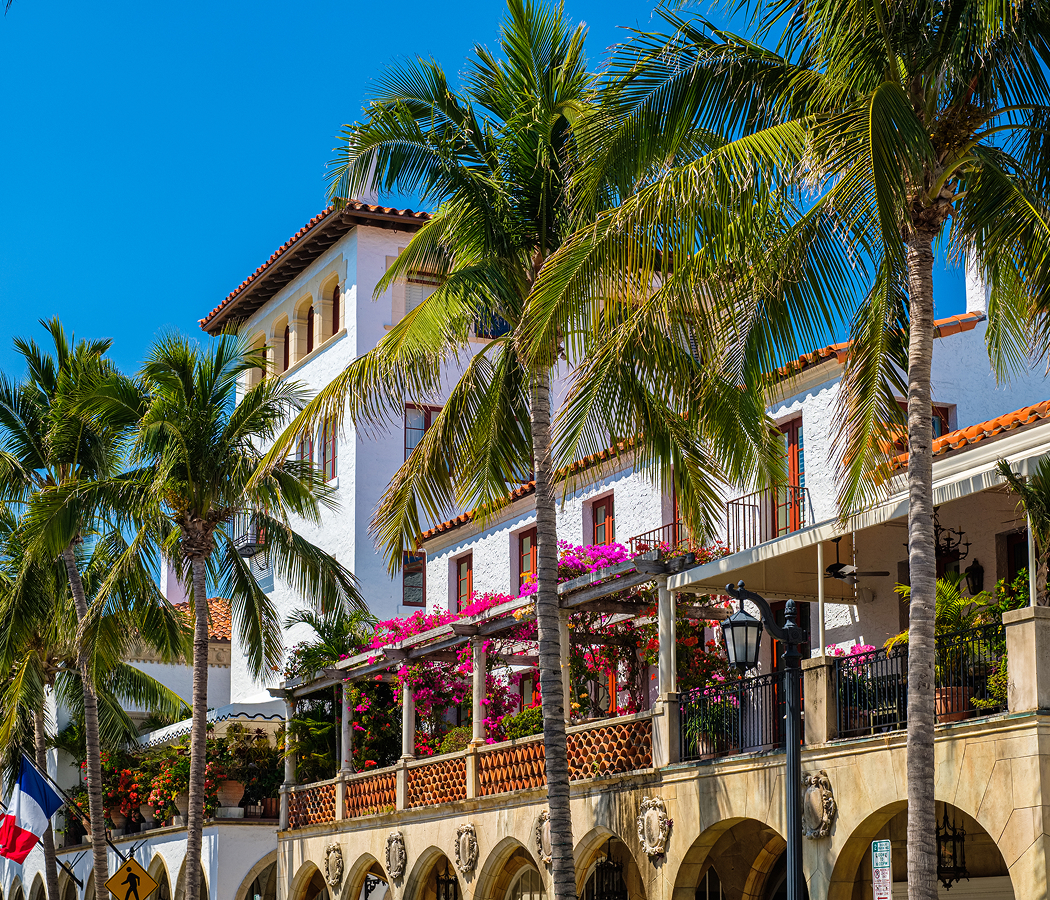
Running through Shenandoah between Brickell and Coral Gables, this distinguished corridor weaves together grand banyan trees, Mediterranean Revival architecture, neighborhood cafés, historic churches, parks, cultural landmarks, and energetic commercial districts into one of South Florida's most recognizable streets. Originally conceived as the ceremonial gateway connecting Miami with George Merrick's visionary City Beautiful, Coral Way has retained much of its historic character while evolving into one of the city's most beloved urban corridors. The sweeping tree canopy and landscaped median continue to create a streetscape unlike anywhere else in Miami. The result is a corridor defined by architectural heritage, timeless beauty, and enduring civic significance.
What defines Coral Way.
Coral Way is best known for becoming the first roadway in Miami-Dade County landscaped with a continuous banyan tree canopy, creating one of the city's most celebrated scenic corridors while serving as the grand boulevard that linked Downtown with the newly planned City of Coral Gables during the 1920s Florida land boom.
George Merrick envisioned Coral Way as far more than a transportation route, designing it as an expansive landscaped boulevard that reflected the Mediterranean-inspired planning principles defining Coral Gables. Hundreds of banyan trees, royal palms, and lush medians transformed the roadway into a destination in its own right, establishing a model for boulevard design that influenced subsequent development throughout South Florida. Even as Miami expanded into a major international metropolis, Coral Way retained its distinctive landscape through preservation efforts that protected both its historic tree canopy and architectural character. Today, motorists, cyclists, and pedestrians continue to experience one of Florida's most beautiful urban streets, where nearly a century of thoughtful planning remains remarkably intact.
How Coral Way fits.
Coral Way works as an exploration of Miami's historic neighborhoods, architectural landmarks, and tropical streetscapes.
Begin at Vizcaya Museum & Gardens, where one of America's finest historic estates immediately establishes the elegance that defines Coral Way's eastern approach. Continue toward Shenandoah Park, whose recreational spaces and neighborhood character provide a broader perspective on the communities that flourished along the boulevard. From there, make your way to Miracle Mile, where Mediterranean Revival architecture, boutique shopping, and celebrated restaurants complete one of Miami's most rewarding urban journeys. Along the route, historic homes, shaded sidewalks, neighborhood cafés, churches, landscaped medians, and architectural landmarks reveal why Coral Way has remained one of Miami's most admired boulevards for generations. The progression moves naturally from Gilded Age grandeur to neighborhood life and finally to Coral Gables' celebrated commercial heart, revealing why Coral Way continues to define one of South Florida's most beautiful corridors.
Where your story begins.
Foresyte Travel reveals places that feel extraordinary long before you arrive.
Enjoy editorial crafted for luxury travelers.
Foresyte may earn a commission when you book.