Why you should experience Hotel Grand Girdhar in Indore, India.
Hotel Grand Girdhar is Indore with the lights turned low, a city of temple bells and late-night street food, of mercantile ambition and old-Holkar ghosts, all held in one steady grip that feels strangely glamorous for a place that has never needed to beg for attention.
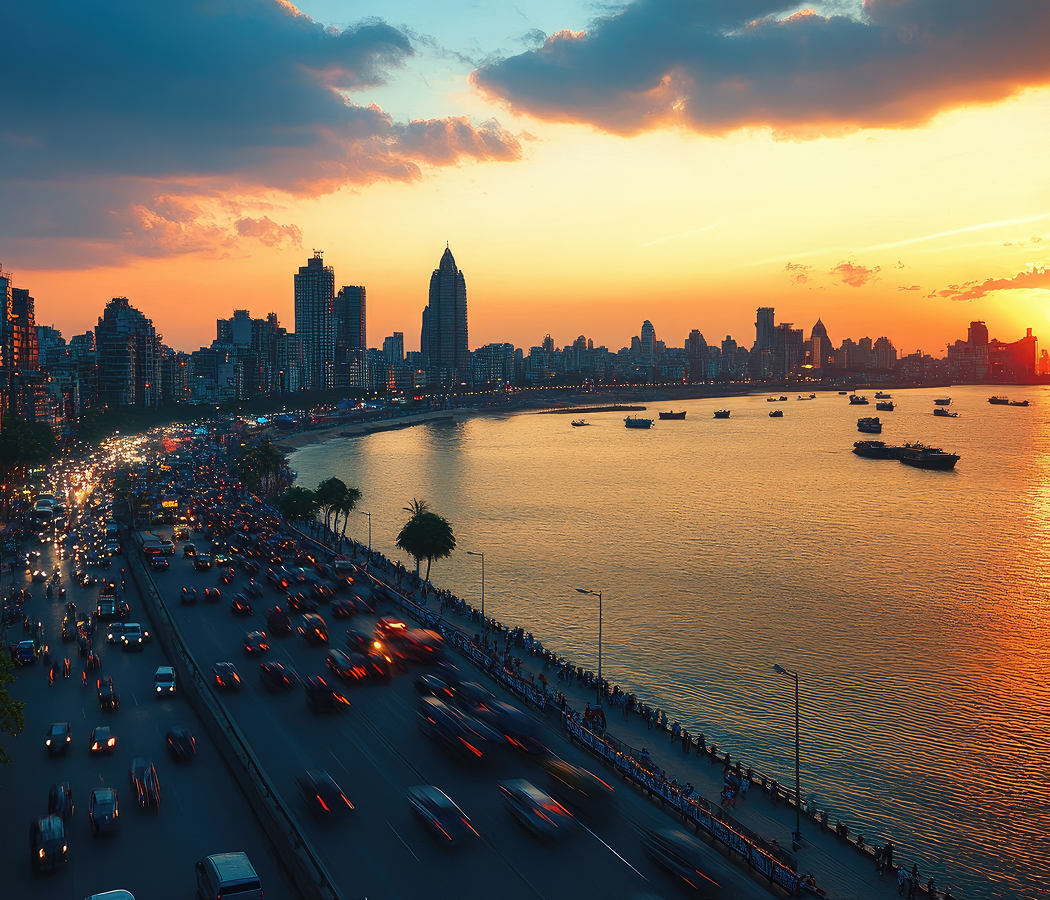
Indore does not announce itself the way India's headline cities do; it doesn't perform for the visitor or over-explain its importance, instead revealing its power through motion, through trade negotiated over tea, devotion practiced before sunrise, business conducted at speed, and food served well past midnight as a civic ritual. The hotel's presence is quietly confident, grounded in functionality. Location does most of the persuasion here, and Hotel Grand Girdhar uses it with precision, placing you within efficient reach of Indore's major commercial corridors while keeping the city's cultural and spiritual landmarks within easy orbit, so your days can move fluidly from meetings or errands to history and ritual without logistical fatigue. Step outside and Indore immediately asserts itself: the hum of traffic, the choreography of scooters, vendors setting up shop, incense drifting from nearby shrines, the sense that this is a city built on momentum. Yet returning to the hotel recalibrates that energy; the lobby and common spaces feel measured and calm, favoring order and warmth over excess, while rooms are arranged to feel residential. There is an honesty to the experience, nothing inflated, nothing apologetic, just a clear understanding of what the traveler here actually needs: reliability, comfort, and a sense of being properly situated within Indore's rhythm. This is not a hotel that tries to turn Indore into something else; it accepts the city on its own terms and invites you to do the same, which is precisely why it works so well for travelers who value immersion over fantasy and substance over spectacle.
What you didn't know about Hotel Grand Girdhar.
Hotel Grand Girdhar exists within a city whose identity has always been shaped more by commerce, faith, and governance than by overt tourism, and understanding that context explains the hotel's quiet authority.
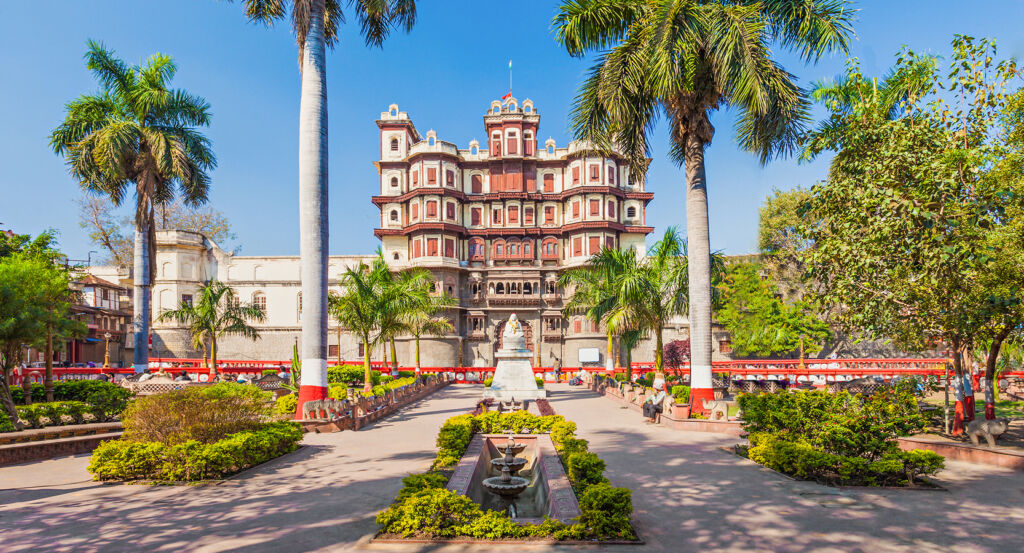
Indore rose to prominence under the Holkar dynasty as a strategic and administrative center. Landmarks like Rajwada Palace and Lal Bagh Palace speak to this balance of power and restraint, structures that communicate authority through proportion and placement. Unlike heritage properties that trade heavily on nostalgia, this hotel aligns itself with Indore's contemporary role as Madhya Pradesh's commercial engine, catering to travelers who are here to move, negotiate, attend, and participate. Its proximity to major medical institutions and business districts is not incidental; it reflects the city's status as a regional hub for healthcare, education, and industry, drawing visitors whose stays are purposeful and whose expectations are exacting. Yet Indore's spiritual undercurrent remains inseparable from daily life, and the hotel sits within easy reach of sites like Khajrana Ganesh Mandir, one of the city's most revered places of worship, where early-morning prayers and evening aartis draw crowds that cut cleanly across class and profession. This coexistence of pragmatism and devotion defines Indore more than outsiders realize, and Hotel Grand Girdhar mirrors that duality by offering spaces that feel orderly and modern without stripping away warmth or cultural grounding. Even Indore's food culture follows this logic: Sarafa Bazaar and Chhappan Dukan are not curated food districts but living institutions, where business owners, families, and students gather nightly in an unspoken agreement that the city's best conversations happen over plates shared after dark. Staying at Hotel Grand Girdhar places you close enough to participate in these rituals without being consumed by them, reinforcing the hotel's role as a stabilizing counterpoint to a city that is always in motion.
How to fold Hotel Grand Girdhar into your trip.
Hotel Grand Girdhar works best when you allow it to structure your days without dictating them, using it as a steady axis around which Indore can unfold naturally.
Begin your mornings early, as the city does, with a quiet start at the hotel before heading out toward Khajrana Ganesh Mandir or a walk near Rajwada Palace, when the streets feel purposeful. Return mid-morning to regroup, using the hotel as a pause point before meetings, errands, or exploration, then spend your afternoons moving between Indore's commercial districts and cultural landmarks like Lal Bagh Palace, where the scale and restraint of Holkar-era architecture provides context for the city you are navigating today. As evening approaches, let Indore shift gears around you; venture to Sarafa Bazaar or Chhappan Dukan after dark, when the city collectively exhales and food becomes both celebration and sustenance, then retreat back to Hotel Grand Girdhar for rest. The hotel's value lies in this rhythm, not as an escape from Indore, but as a place that helps you metabolize it, so that by the time you leave, the city no longer feels chaotic or opaque, but legible, layered, and quietly compelling. Hotel Grand Girdhar folds seamlessly into that experience, offering a stay that is not defined by spectacle, but by accuracy, an honest reflection of Indore itself, steady, purposeful, and far more memorable than it first appears.
Hear it from the Foresyte community.
Just enough life around you not to be overwhelming. Right pace.
Where your story begins.
Start your planning journey with Foresyte Travel.
Experience immersive stories crafted for luxury travelers.