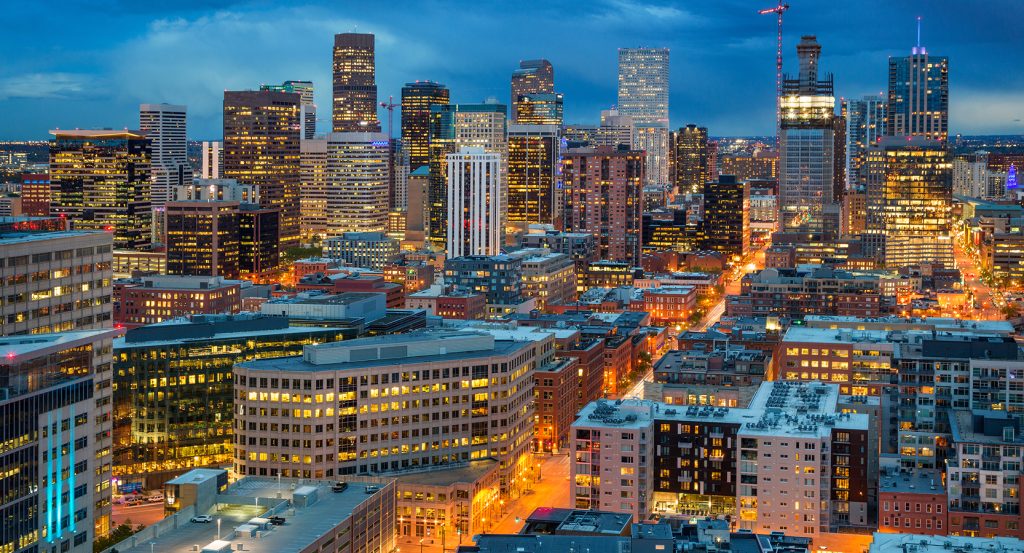
Why you should experience Havana Street in Denver, Colorado.
Havana Street is an enterprising corridor where Windsor's international character, entrepreneurial spirit, regional significance, and ever-evolving cultural mosaic create one of eastern Denver's most compelling urban experiences.
Running through Windsor between Lowry Field and Montbello, Havana Street links long-established neighborhoods, internationally diverse business districts, employment centers, civic institutions, and modern commercial destinations that collectively reflect decades of demographic change and economic reinvention across Denver's eastern edge. Independent storefronts, globally inspired restaurants, contemporary commercial architecture, mature residential districts, and steadily evolving public spaces produce a streetscape where local enterprise and cultural diversity shape the corridor's unmistakable identity. The corridor reaches its defining character where international commerce, neighborhood continuity, and sustained private investment reinforce one another throughout the district. The result is a corridor defined by entrepreneurial energy, cultural richness, and Windsor's enduring role as one of metropolitan Denver's most diverse gateways.
What you should know about Havana Street.
Havana Street is best known for emerging as a principal north-south arterial following Denver's postwar expansion during the 1950s and 1960s, when eastern neighborhoods rapidly developed beyond the city's traditional urban core. Improvements to Interstate 70, construction of Interstate 225, expansion of the regional arterial network, and coordinated metropolitan transportation planning established Havana Street as a critical connector between Denver, Aurora, and surrounding employment centers. Successive Denver Comprehensive Plans, regional mobility initiatives, and coordinated zoning policies encouraged commercial investment, business development, and long-term economic growth along the corridor. Together, transportation investment, metropolitan planning, coordinated zoning, and regional connectivity established Havana Street as one of eastern Denver's defining commercial corridors.
Commercial redevelopment during the 1980s, 1990s, and twenty-first century attracted internationally owned businesses, hospitality enterprises, professional services, healthcare offices, and independent retailers that collectively transformed the corridor into one of Colorado's most diverse economic districts. Business leadership through organizations including the On Havana Street Business Improvement District encouraged coordinated marketing, corridor beautification, infrastructure advocacy, and sustained private reinvestment that strengthened long-term economic vitality. Collaboration among municipal planners, business owners, neighborhood organizations, and regional economic development partners continues supporting multimodal accessibility, streetscape improvements, redevelopment initiatives, and continued commercial diversification. Together, entrepreneurial investment, international business growth, coordinated leadership, and sustained reinvestment explain why Havana Street remains one of metropolitan Denver's most distinctive economic corridors.
How to fold Havana Street into your trip.
Havana Street works as an exploration of eastern Denver's cultural diversity, public landscapes, and evolving commercial identity.
Begin at Bluff Lake Nature Center, where restored wetlands, native prairie, and wildlife habitat introduce the natural landscape that once defined Denver's eastern edge while establishing an ecological foundation for understanding the area's remarkable urban transformation. Continue to Stanley Marketplace, where a thoughtfully adapted aviation-era building filled with independent restaurants, artisans, and local businesses demonstrates how entrepreneurial reinvention has become a defining characteristic of the surrounding district before naturally leading toward the corridor's commercial heart. Conclude at The Shops at Northfield, where contemporary retail, dining, and community gathering spaces provide a fitting culmination by illustrating how decades of regional growth, private investment, and cultural diversity have reshaped eastern Denver into one of the metropolitan area's most dynamic destinations. The progression moves from the region's original landscape through adaptive reuse before culminating in a contemporary commercial center that captures the corridor's continuing evolution.
Where your story begins.
Foresyte Travel reveals places that feel extraordinary long before you arrive.
Experience premium editorial crafted for luxury travelers.