Why you should experience 36th Avenue in Denver, Colorado.
36th Avenue is a welcoming corridor where West Highland's neighborhood heritage, independent spirit, architectural craftsmanship, and enduring sense of community shape one of Northwest Denver's defining east-west streets.
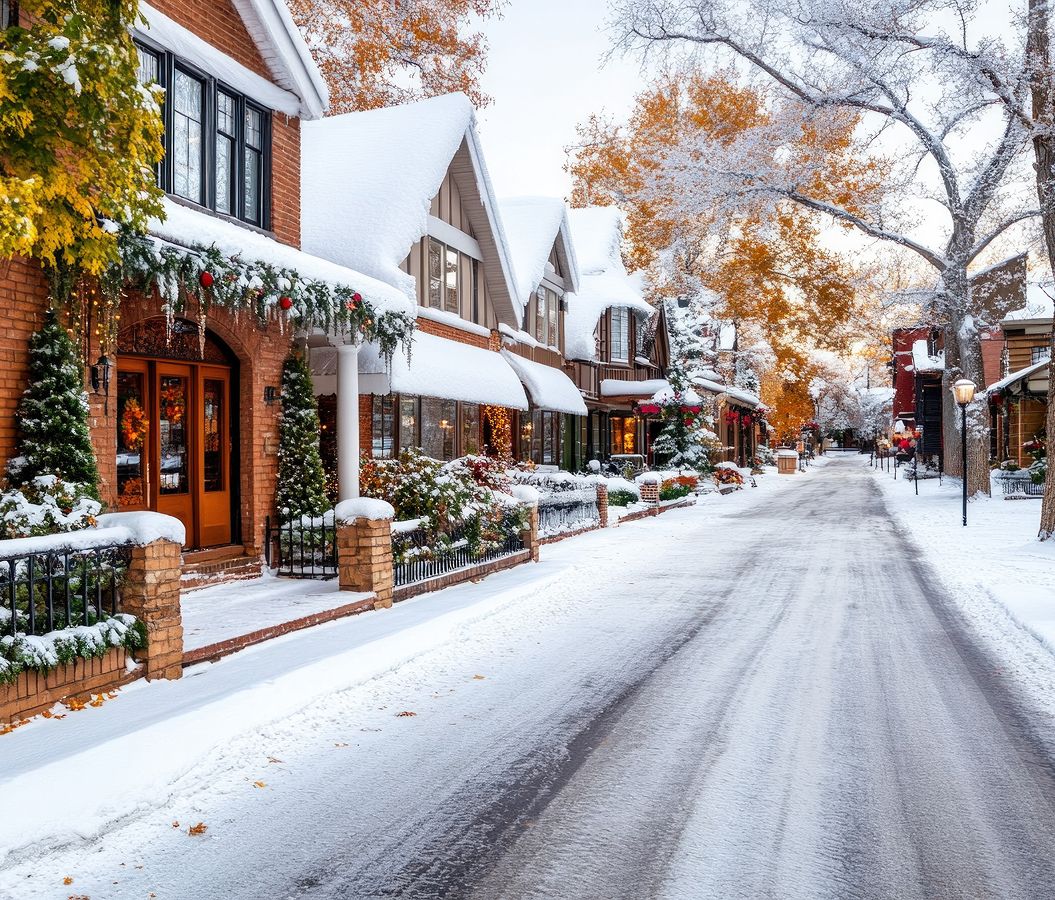
Running through West Highland between Berkeley and Highland, 36th Avenue connects established residential blocks, neighborhood businesses, civic institutions, and walkable commercial pockets that collectively reflect more than a century of thoughtful urban development. Brick Denver Squares, Craftsman bungalows, mature shade trees, neighborhood storefronts, and carefully maintained streetscapes establish an environment where architectural continuity and local enterprise remain closely intertwined. The corridor reaches its defining character where residential character, neighborhood stewardship, and generations of independent investment continue reinforcing one another. The result is an experience defined by authenticity, architectural continuity, and West Highland's enduring neighborhood identity.
What you should know about 36th Avenue.
36th Avenue is best known for evolving as West Highland expanded after the consolidation of the independent Town of Highlands with the City of Denver in 1896, following voter approval in 1895, which accelerated residential construction and commercial investment throughout Northwest Denver. Building activity between the 1900s and 1930s introduced cohesive collections of Denver Squares, Craftsman bungalows, Foursquare residences, and Tudor Revival homes distinguished by brick masonry, broad front porches, decorative woodwork, and landscaped setbacks that continue defining the corridor's architectural identity. Service provided by the Denver Tramway Company encouraged compact neighborhood development, allowing 36th Avenue to function as an important residential connector linking surrounding commercial streets with nearby civic institutions. Original street grids, historic alleys, neighborhood churches, and long-established residential blocks continue illustrating the corridor's evolution during Denver's principal era of streetcar-oriented growth.
Neighborhood reinvestment during the late twentieth and early twenty-first centuries supported rehabilitation of historic residences, restoration of masonry storefronts, expanded pedestrian infrastructure, and context-sensitive infill that respected West Highland's established scale. Documentation prepared by Historic Denver, the Denver Public Library, and the West Highland Neighborhood Association has preserved records of the corridor's architectural development through neighborhood surveys, preservation studies, and archival collections. Decorative brick corbeling, sandstone foundations, original retaining walls, mature American elm canopies, historic alley access, and early concrete sidewalks continue expressing the craftsmanship associated with the neighborhood's formative decades. Together, preservation leadership, architectural stewardship, neighborhood investment, and enduring residential continuity explain why 36th Avenue remains one of West Highland's defining historic corridors.
How to fold 36th Avenue into your trip.
36th Avenue works as an exploration of West Highland's neighborhood heritage, local gathering places, and historic residential character.
Begin at Highland Square, where independent bookstores, neighborhood cafés, and preserved brick storefronts introduce the commercial traditions that have anchored West Highland for generations before naturally leading toward 36th Avenue. Continue to Highland Park, whose open lawns, mature shade trees, and long-standing role as a neighborhood gathering place reveal the quieter civic landscape supporting the surrounding residential streets. Conclude at Historic Elitch Theatre, where one of Denver's oldest surviving theatrical venues provides the historical payoff by connecting West Highland's neighborhood story to the city's rich tradition of entertainment, preservation, and cultural life. The progression moves naturally from the neighborhood's commercial heart through its shared public landscape before concluding at a cultural institution that captures West Highland's enduring historical legacy.
Where your story begins.
Foresyte Travel reveals places that feel extraordinary long before you arrive.
Experience premium editorial crafted for luxury travelers.