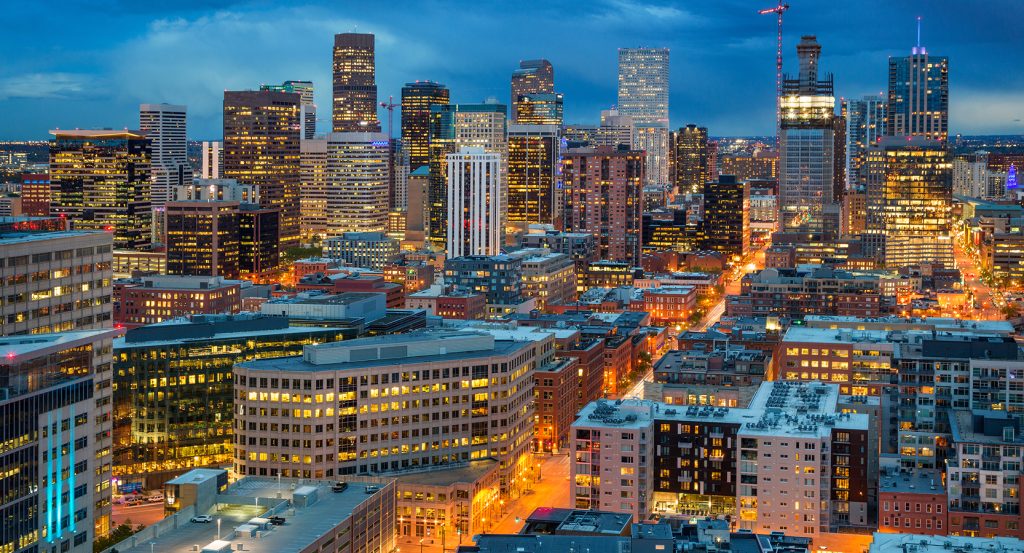
Why you should experience 40th Street in Denver, Colorado.
40th Street is a resilient corridor where Elyria-Swansea's industrial heritage, railroad legacy, neighborhood resilience, and continuing reinvestment define one of Northeast Denver's most consequential urban connections.
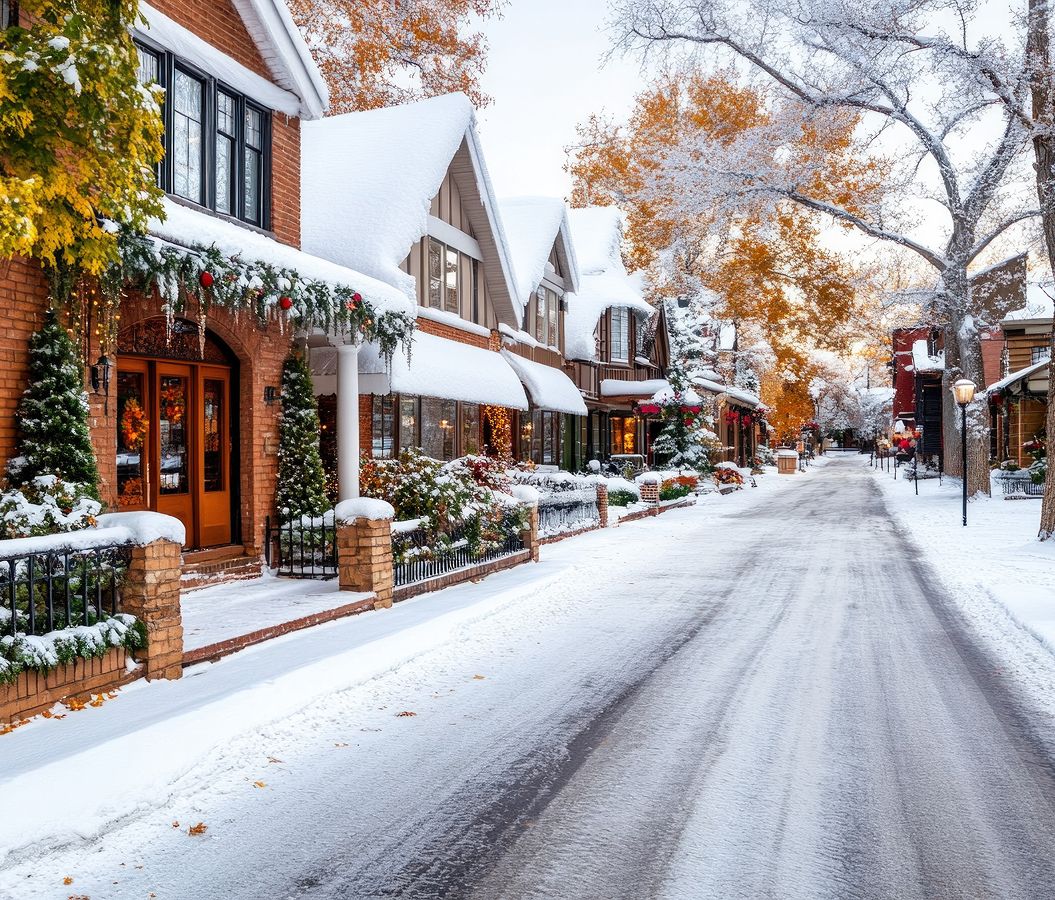
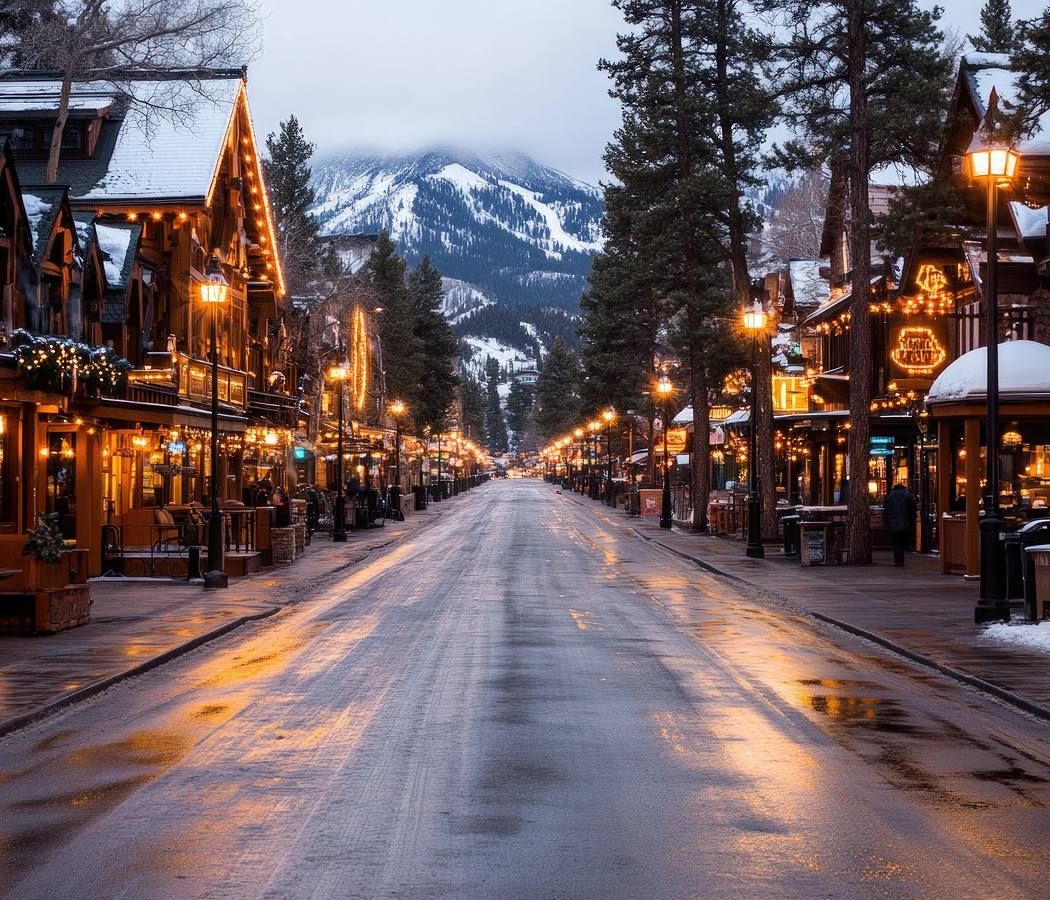
Running through Elyria-Swansea between Globeville and Northeast Park Hill, 40th Street links long-established residential blocks, freight rail infrastructure, industrial campuses, civic facilities, and emerging public spaces that together reflect more than a century of economic and neighborhood evolution. Rail overpasses, brick industrial buildings, modest early-twentieth-century homes, mature street trees, and modern transportation improvements establish a streetscape where manufacturing traditions and community continuity remain closely connected. The corridor reaches its defining character where transportation infrastructure, neighborhood persistence, and industrial craftsmanship continue shaping the surrounding landscape. The result is an experience defined by authenticity, industrial continuity, and Elyria-Swansea's enduring role in Denver's growth.
What you should know about 40th Street.
40th Street is best known for developing alongside Elyria and Swansea after the arrival of the Denver Pacific Railway, Union Pacific Railroad, and Denver & Rio Grande Railroad, whose expanding freight corridors during the late nineteenth century established the surrounding district as one of Denver's foremost manufacturing and distribution centers. Industrial expansion during the 1890s and early twentieth century attracted foundries, metal fabrication plants, warehouses, meatpacking operations, and rail-served industries that depended upon direct freight access throughout the Front Range. Residential construction introduced Workers' Cottages, Craftsman bungalows, and modest brick homes that accommodated employees working throughout the surrounding industrial economy while establishing cohesive neighborhood blocks within Elyria-Swansea. The corridor later gained regional transportation significance through its relationship with Interstate 70, whose original construction and subsequent reconstruction substantially influenced circulation, freight movement, and neighborhood connectivity across North Denver.
Completion of the Central 70 Project introduced reconstructed bridges, expanded pedestrian facilities, landscaped public improvements, and the four-acre Cover Park, creating new east-west neighborhood connections while reducing the physical barrier created by the interstate. Preservation research prepared by History Colorado, the Denver Public Library, and the Globeville Elyria-Swansea Coalition Organization documents the corridor's industrial development, immigrant communities, and architectural history through archival collections and neighborhood surveys. Steel railroad bridges, reinforced-concrete industrial buildings, historic brick masonry, original alley networks, and surviving warehouse complexes continue illustrating the engineering practices and construction techniques associated with the district's principal period of industrial expansion. Together, transportation investment, preservation scholarship, industrial infrastructure, and neighborhood resilience explain why 40th Street remains one of Northeast Denver's defining urban corridors.
How to fold 40th Street into your trip.
40th Street works as an exploration of Denver's industrial heritage, environmental renewal, and civic evolution.
Begin at National Western Center, where Colorado's agricultural traditions, exhibition facilities, and continuing redevelopment establish the economic foundation that shaped the surrounding industrial neighborhoods before naturally leading toward 40th Street. Continue to Globeville Landing Park, whose restored South Platte River shoreline, multiuse trails, and ecological improvements reveal how environmental restoration has become an integral part of North Denver's continuing story. Conclude at Forney Museum of Transportation, where historic locomotives, rail equipment, automobiles, and engineering artifacts provide a fitting finale by connecting the transportation systems that fueled the growth of Elyria-Swansea and the wider city. The progression moves naturally from agricultural commerce through river restoration before concluding with the machines and infrastructure that powered Denver's industrial development.
Where your story begins.
Foresyte Travel reveals places that feel extraordinary long before you arrive.
Experience premium editorial crafted for luxury travelers.