Why you should experience 28th Street in Atlanta, Georgia.
28th Street is a tranquil corridor where Brookwood Hills' residential elegance, landscape design, architectural heritage, and neighborhood continuity preserve one of Atlanta's most refined streets.
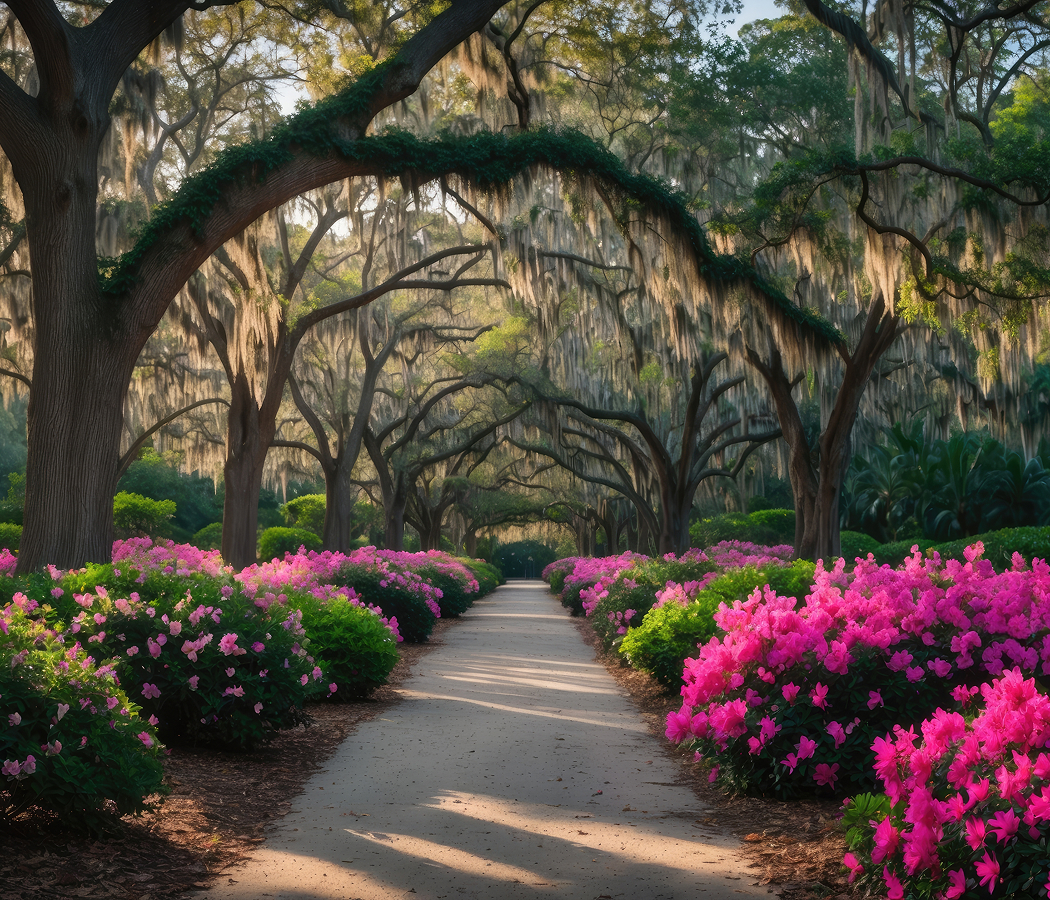
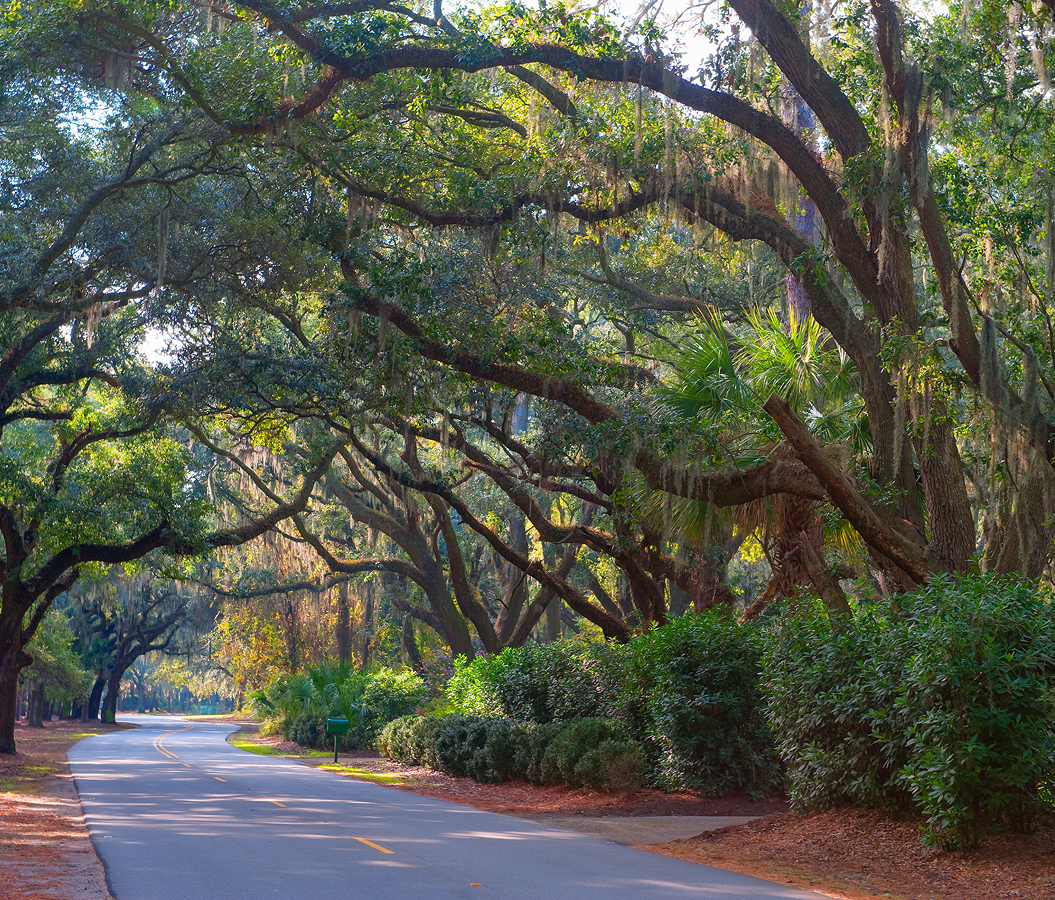
Running through Brookwood Hills between Ardmore and Peachtree Hills, the corridor connects distinguished residences, wooded hillsides, neighborhood parks, and carefully planned streetscapes that collectively reflect the city's early twentieth-century suburban expansion. Successive blocks reveal how landscape-sensitive planning, residential craftsmanship, and long-term preservation established an environment that continues balancing natural topography with architectural distinction. Curving roadways, mature hardwood canopies, stone retaining walls, and historic homes document more than a century of thoughtful neighborhood development. The result is an experience defined by grace, continuity, and one of Brookwood Hills' most distinguished corridors.
What you should know about 28th Street.
28th Street is best known for contributing to the historic fabric of Brookwood Hills, a residential community established in 1922 by developer Benjamin B. Davies as one of Atlanta's earliest comprehensively planned suburban neighborhoods adapted to rolling terrain. Residential construction during the 1920s and 1930s introduced an exceptional collection of Colonial Revival, Tudor Revival, English Cottage, and Mediterranean Revival houses built with brick masonry, stone foundations, slate roofs, decorative chimneys, and handcrafted wood detailing that continue defining the corridor's architectural character. The neighborhood's curvilinear streets, generous setbacks, landscaped medians, and preserved woodland reflected nationally influential planning principles emphasizing natural topography, privacy, and coordinated residential design during the interwar period. Recognition of the surrounding community through listing on the National Register of Historic Places in 2020 acknowledged the neighborhood's architectural integrity, historic planning, and remarkably intact residential landscape. Collectively, Benjamin B. Davies' vision, Brookwood Hills' 1922 development, distinguished revival architecture, landscape-sensitive planning, and National Register recognition established 28th Street as one of Atlanta's defining historic residential corridors.
The corridor's steep terrain continues influencing roadway engineering, stone retaining walls, drainage systems, and lot configuration, preserving the natural landscape that originally distinguished Brookwood Hills from flatter suburban developments elsewhere in Atlanta. Long-term stewardship has retained original brick façades, slate roofing, leaded-glass windows, ornamental ironwork, and mature tree canopies while allowing sensitive modernization that respects the neighborhood's historic architectural composition. Preservation efforts by neighborhood organizations and property owners have reinforced consistent building scale, landscape continuity, and traditional construction materials without compromising the community's original planning vision. Ultimately the combined influence of thoughtful suburban planning, architectural craftsmanship, environmental sensitivity, and sustained preservation demonstrates how 28th Street continues expressing the enduring legacy of Brookwood Hills.
How to fold 28th Street into your trip.
28th Street works as an exploration of Atlanta's residential architecture, landscape design, and neighborhood heritage.
Begin at Brookwood Hills Community Club, where the neighborhood's historic recreational centerpiece introduces the planning philosophy that shaped the surrounding community before naturally leading along 28th Street. Continue to Atlanta Memorial Park, where expansive woodland trails and restored natural landscapes deepen appreciation for the area's environmental character while extending the experience through one of Buckhead's largest public green spaces. Conclude at Atlanta History Center, where comprehensive exhibitions and preserved historic structures provide a fitting finale celebrating the broader history that shaped Brookwood Hills and the surrounding districts. The progression moves naturally from neighborhood planning to preserved landscape before concluding with regional history, revealing why 28th Street remains one of Brookwood Hills' defining corridors.
Where your story begins.
Foresyte Travel reveals places that feel extraordinary long before you arrive.
Experience premium editorial crafted for luxury travelers.