Why you should experience Bonaventure Avenue in Atlanta, Georgia.
Bonaventure Avenue is an intimate corridor where Old Fourth Ward's industrial heritage, creative reinvention, architectural continuity, and neighborhood energy define one of Atlanta's most distinctive urban streets.
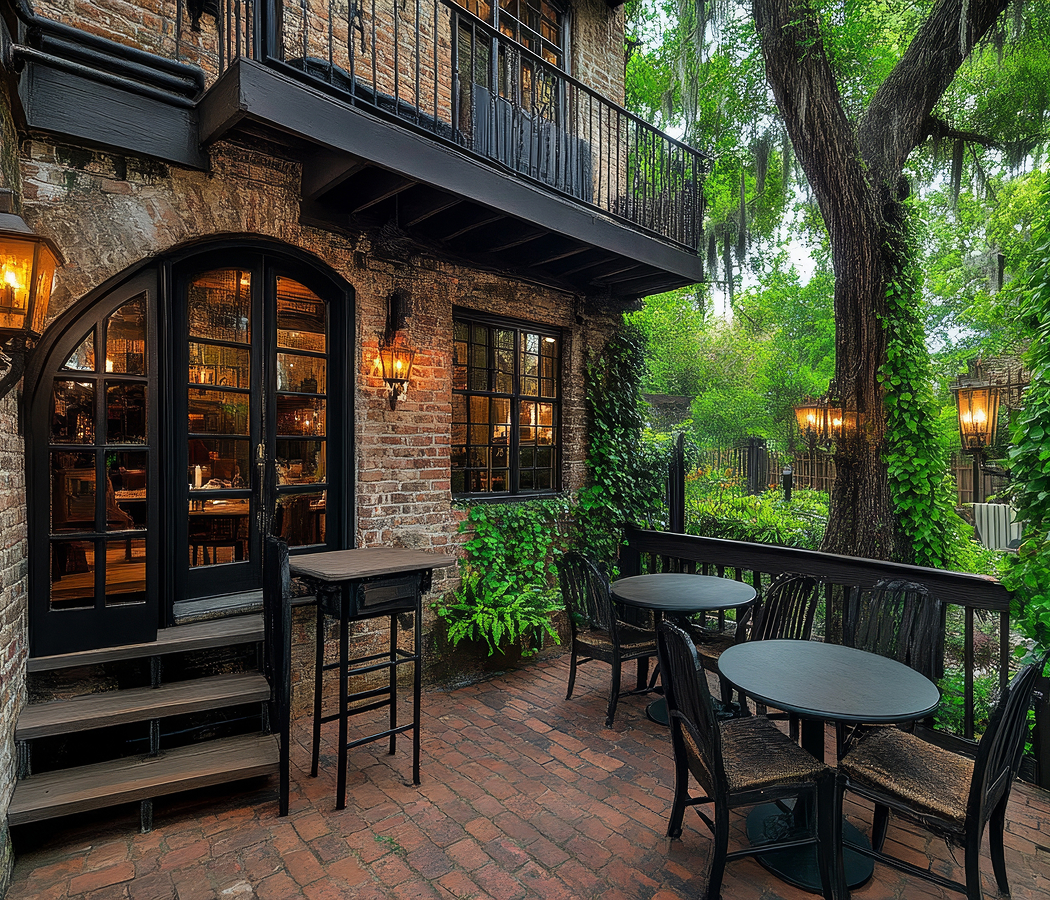
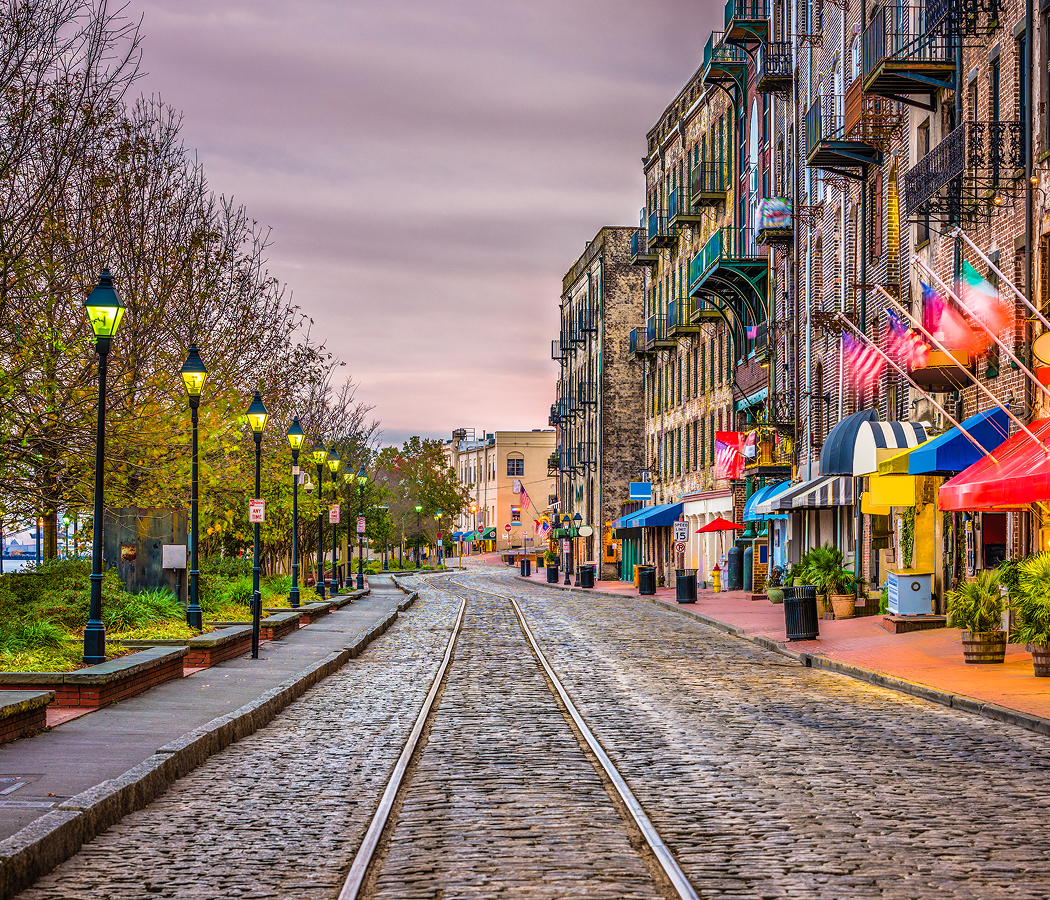
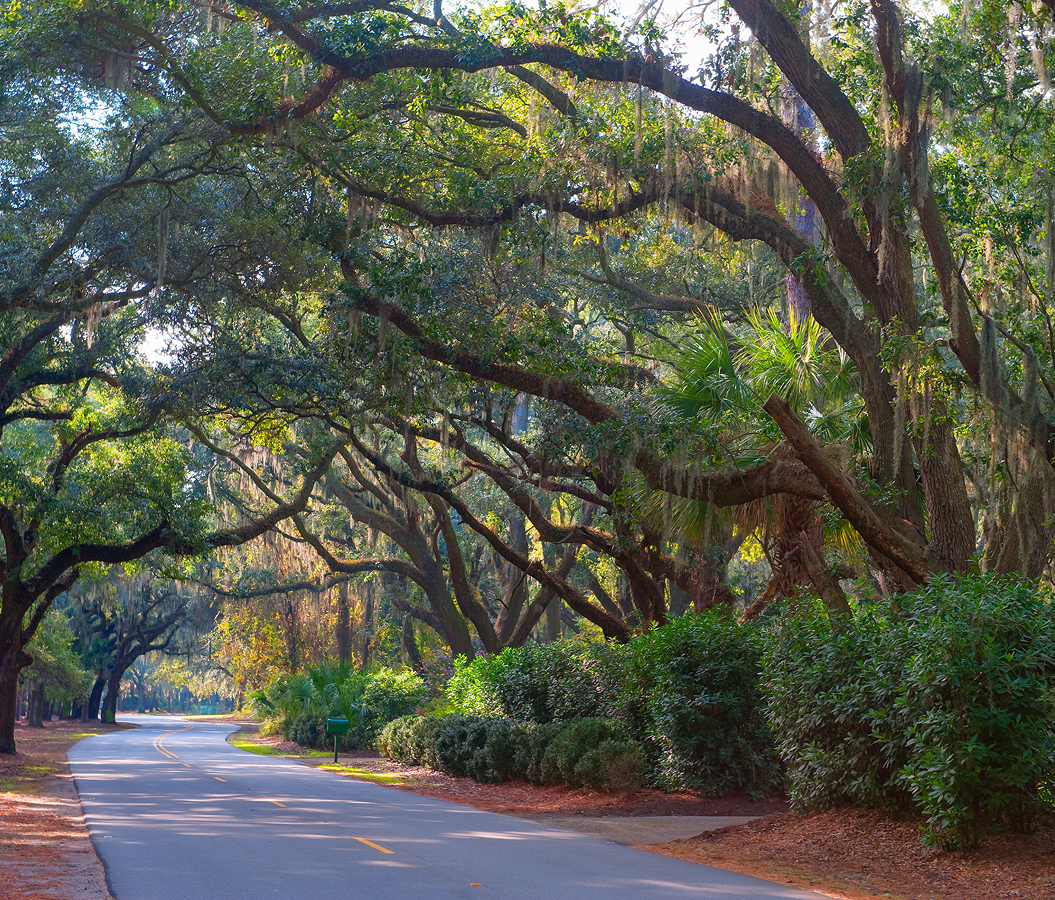
Running through Old Fourth Ward between Inman Park and Poncey-Highland, the corridor connects historic industrial buildings, early twentieth-century residences, neighborhood businesses, and walkable streetscapes that collectively reflect Atlanta's evolution from a railroad manufacturing center into one of the city's most celebrated urban neighborhoods. Successive blocks reveal how manufacturing, residential expansion, and thoughtful reinvestment established an environment that continues preserving the area's historic character while embracing contemporary enterprise. Brick warehouses, converted industrial buildings, mature tree canopies, and preserved masonry streetscapes document more than a century of neighborhood evolution. The result is an experience defined by authenticity, creativity, and one of Old Fourth Ward's most engaging corridors.
What you should know about Bonaventure Avenue.
Bonaventure Avenue is best known for developing during Old Fourth Ward's rapid industrial and residential expansion between the late nineteenth and early twentieth centuries, when Atlanta's position as the Southeast's leading railroad hub encouraged construction of warehouses, manufacturing facilities, and working-class housing throughout the surrounding district. Residential growth between the 1890s and 1930s introduced Craftsman, Queen Anne, and Folk Victorian houses built with load-bearing brick foundations, heart pine framing, decorative woodwork, broad front porches, and granite retaining walls that continue defining the neighborhood's historic fabric. Nearby industrial enterprises including food processors, furniture manufacturers, bottling operations, and wholesale distribution companies relied upon adjacent rail infrastructure, reinforcing the corridor's role within Atlanta's expanding industrial economy. During the late twentieth and early twenty-first centuries, preservation initiatives and adaptive rehabilitation transformed former warehouses into creative workplaces while retaining heavy timber structural systems, brick masonry, steel industrial sash windows, and original loading-bay architecture that document the district's manufacturing heritage. Collectively, the railroad economy, early residential architecture, industrial development, adaptive preservation, and enduring construction craftsmanship established Bonaventure Avenue as one of Old Fourth Ward's defining historic corridors.
Community-led reinvestment encouraged restoration of historic residences, preservation of mature hardwood canopies, rehabilitation of brick commercial structures, and continued occupation of long-standing neighborhood buildings by locally owned businesses and creative enterprises. Original granite curbing, historic sidewalks, masonry retaining walls, exposed timber framing, and decorative brick detailing continue illustrating construction techniques associated with Atlanta's principal era of industrial expansion while preserving the corridor's architectural continuity. Continued stewardship has maintained the balance between historic preservation and contemporary neighborhood vitality without diminishing the physical character established more than a century ago. Ultimately the combined influence of industrial heritage, architectural preservation, neighborhood investment, and enduring craftsmanship demonstrates how Bonaventure Avenue continues expressing the remarkable evolution of Old Fourth Ward.
How to fold Bonaventure Avenue into your trip.
Bonaventure Avenue works as an exploration of Old Fourth Ward's industrial heritage, public spaces, and neighborhood culture.
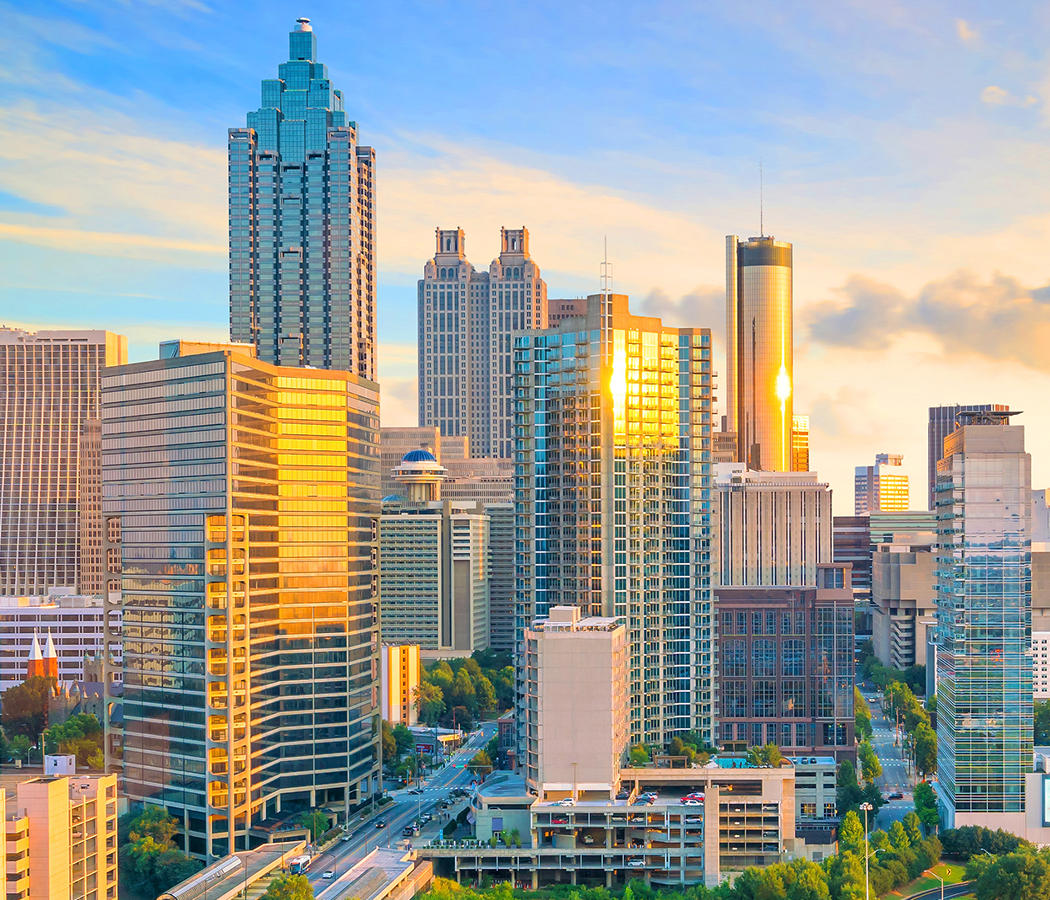
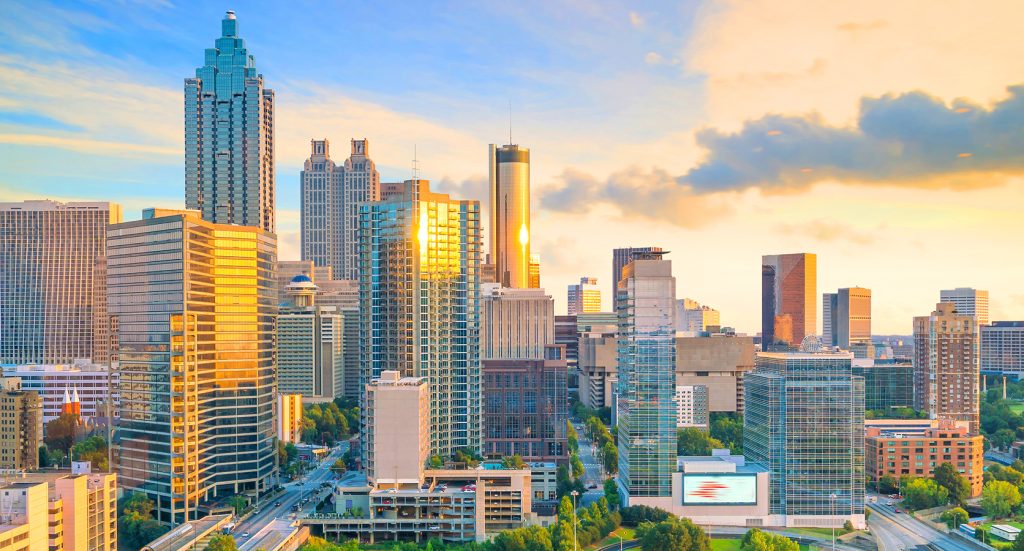
Begin at Historic Fourth Ward Park, where innovative green infrastructure, restored landscapes, and inviting public spaces introduce the neighborhood's contemporary character before naturally leading toward Bonaventure Avenue. Continue to Ponce City Market, where one of Atlanta's most ambitious industrial preservation projects deepens appreciation for the district's continuing evolution while extending the experience through an architecturally significant destination. Conclude at Jackson Street Bridge, where celebrated skyline views provide a fitting finale revealing how preserved historic neighborhoods continue framing Atlanta's modern skyline. The progression moves naturally from public landscape to industrial preservation before concluding with one of the city's defining urban vistas, revealing why Bonaventure Avenue remains an enduring expression of Old Fourth Ward.
Where your story begins.
Foresyte Travel reveals places that feel extraordinary long before you arrive.
Experience premium editorial crafted for luxury travelers.