Why you should experience Hank Aaron Drive in Atlanta, Georgia.
Hank Aaron Drive is a triumphant corridor where Summerhill's sporting heritage, industrial legacy, neighborhood renewal, and civic ambition converge along one of Atlanta's most recognizable thoroughfares.
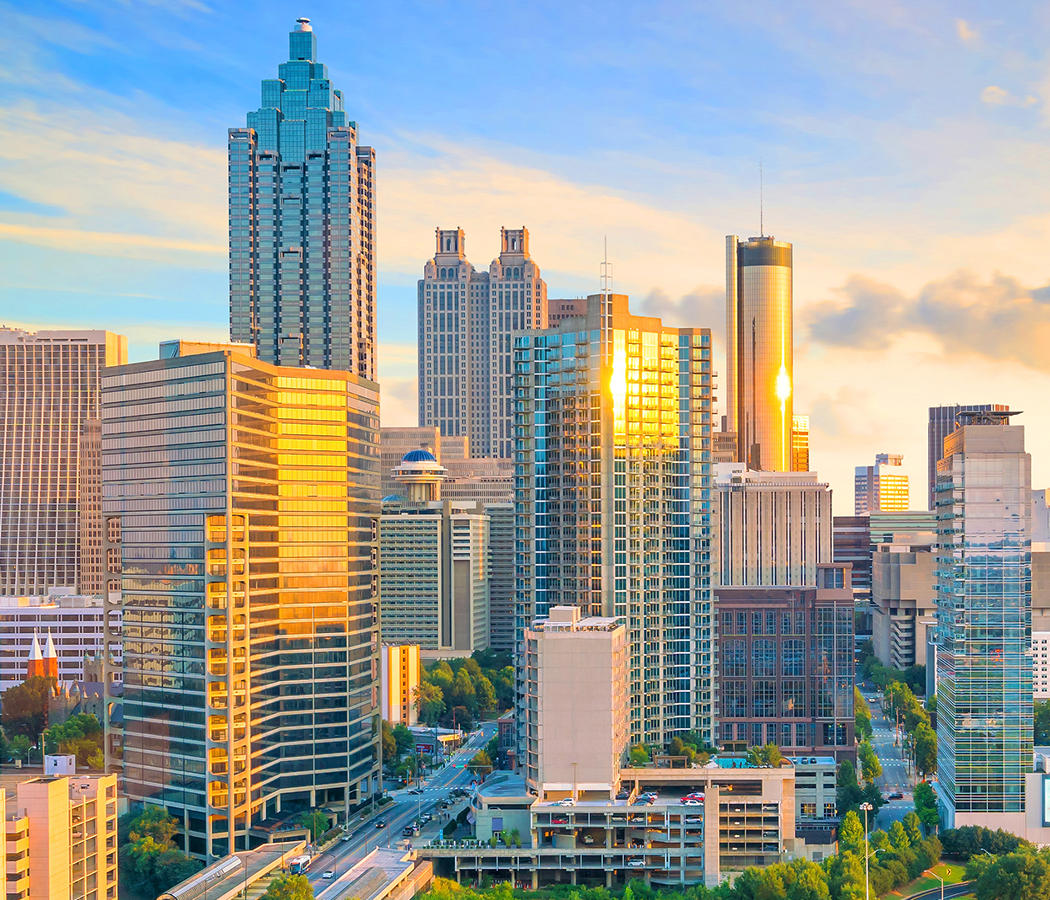
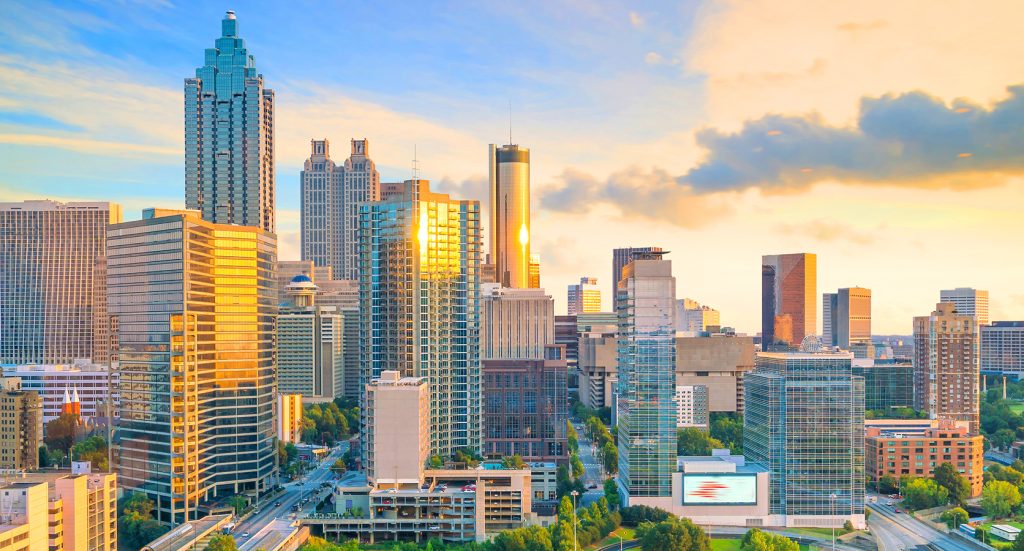
Running through Summerhill between South Downtown and Peoplestown, the corridor connects historic residential blocks, university campuses, athletic venues, and redeveloped commercial districts that collectively reflect Atlanta's evolution from a railroad city into an international center for sports and higher education. Successive segments reveal how industrial expansion, stadium construction, and neighborhood reinvestment established an avenue whose character has continually adapted alongside the city itself. Brick commercial buildings, institutional campuses, restored streetscapes, and prominent civic architecture preserve a corridor shaped by more than a century of metropolitan growth. The result is an experience defined by legacy, continuity, and one of Atlanta's most influential corridors.
What you should know about Hank Aaron Drive.
Hank Aaron Drive is best known as the former Capitol Avenue, renamed in 1995 to honor Henry Louis “Hank” Aaron, whose record-breaking baseball career and decades of civic leadership made him one of Atlanta's most celebrated figures. The corridor developed during the late nineteenth and early twentieth centuries as residential neighborhoods expanded south of Downtown alongside rail-served industries, warehouses, and manufacturing facilities supporting Atlanta's growing economy. Its national profile increased dramatically with construction of Atlanta-Fulton County Stadium, opened in 1965, which attracted the Atlanta Braves after their relocation from Milwaukee and established the surrounding district as the center of professional baseball in the Southeast. Continued investment associated with the 1996 Summer Olympic Games modernized transportation infrastructure, public spaces, and surrounding streets while reinforcing the corridor's importance within Atlanta's civic landscape. Collectively, these layers of industrial development, sporting history, urban investment, and public recognition established Hank Aaron Drive as one of Summerhill's defining historic corridors.
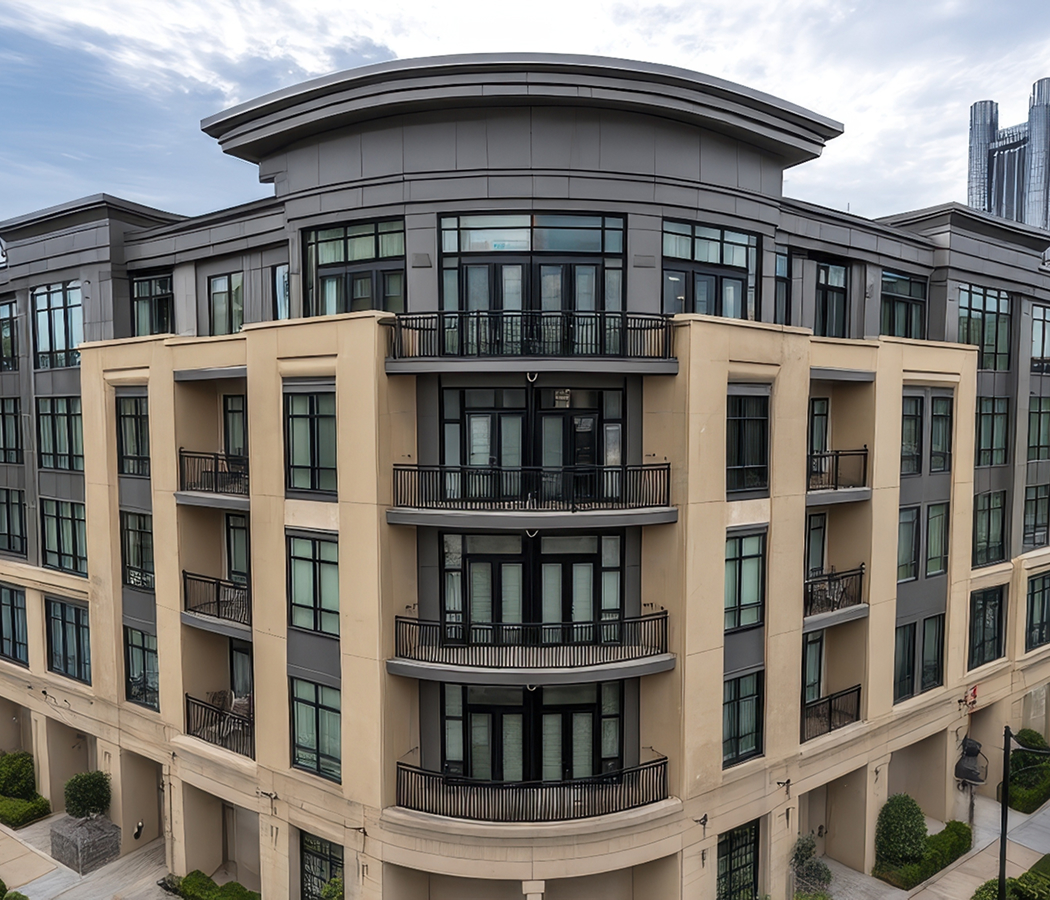
Expansion of nearby Georgia State University during the late twentieth and early twenty-first centuries introduced contemporary academic buildings, student housing, landscaped public spaces, and improved pedestrian infrastructure that strengthened the corridor's educational character alongside its sporting legacy. Original brick industrial buildings, reinforced concrete commercial structures, granite retaining walls, historic sidewalks, and surviving warehouse architecture continue illustrating construction methods associated with Summerhill's principal era of growth before large-scale stadium development transformed the surrounding district. Streetscape improvements incorporating widened sidewalks, native landscaping, protected bicycle facilities, and coordinated public infrastructure have reinforced neighborhood connectivity while respecting the avenue's historic alignment. Ultimately the preservation of historic building fabric, continued institutional investment, and enduring association with one of baseball's greatest figures demonstrate how Hank Aaron Drive continues expressing Atlanta's remarkable capacity for reinvention.
How to fold Hank Aaron Drive into your trip.
Hank Aaron Drive works as an exploration of Atlanta's sporting heritage, neighborhood revival, and civic history.
Begin at Center Parc Stadium, where the transformation of an Olympic-era venue into a collegiate stadium establishes the corridor's continuing relationship with athletic tradition before naturally leading into the surrounding neighborhood. Continue to Summerhill Commercial District, where restored storefronts, neighborhood restaurants, and locally owned businesses deepen appreciation for the community's ongoing revival while extending the experience through one of Atlanta's most dynamic historic districts. Conclude at Phoenix II Park, where public art, neighborhood gathering spaces, and views toward the Downtown skyline provide the historical payoff by illustrating how civic investment and community stewardship continue reshaping Summerhill for future generations. Together, the sequence reveals how athletics, neighborhood renewal, and public life have collectively shaped the enduring character surrounding Hank Aaron Drive.
Where your story begins.
Foresyte Travel reveals places that feel extraordinary long before you arrive.
Experience premium editorial crafted for luxury travelers.