Why you should experience San Miguelito Archeological Site in Cancún, Mexico.
The San Miguelito Ruins offer a tranquil and evocative window into Cancún's ancient soul, a lush, tree-shaded sanctuary where the rhythm of the modern city fades and the spirit of the Maya still lingers.
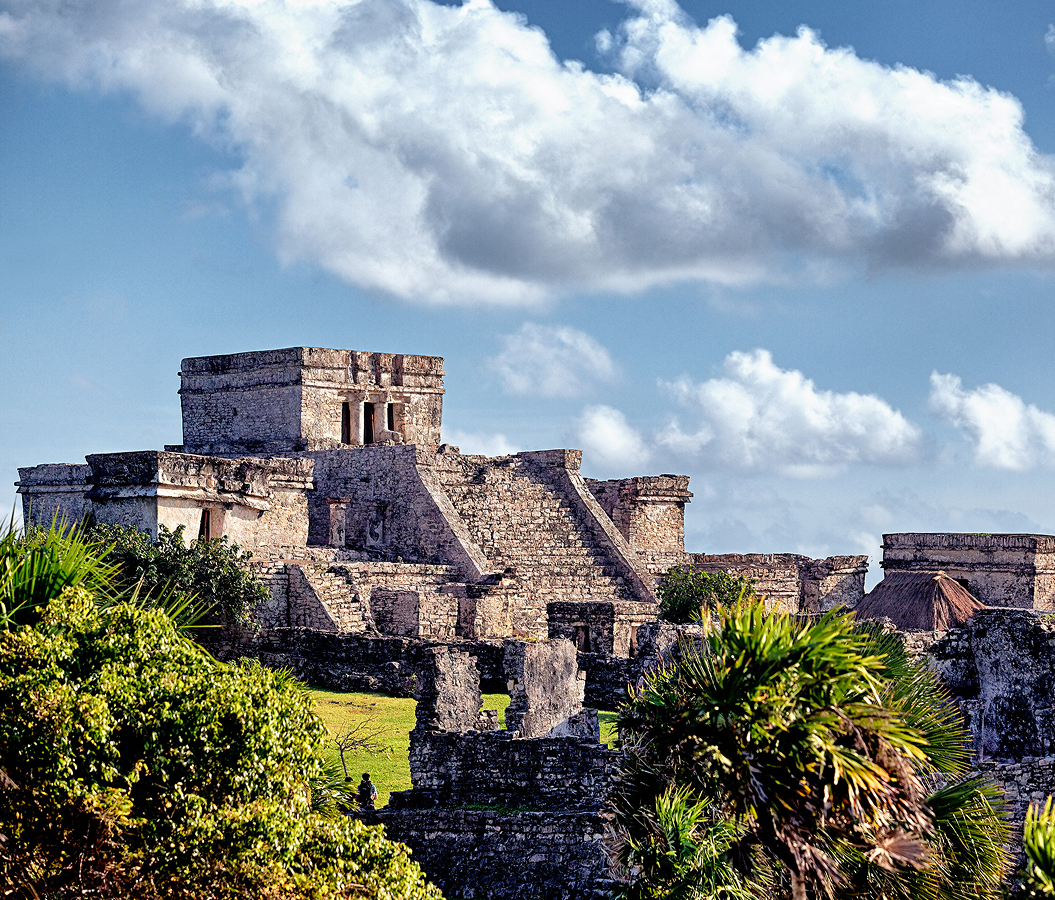
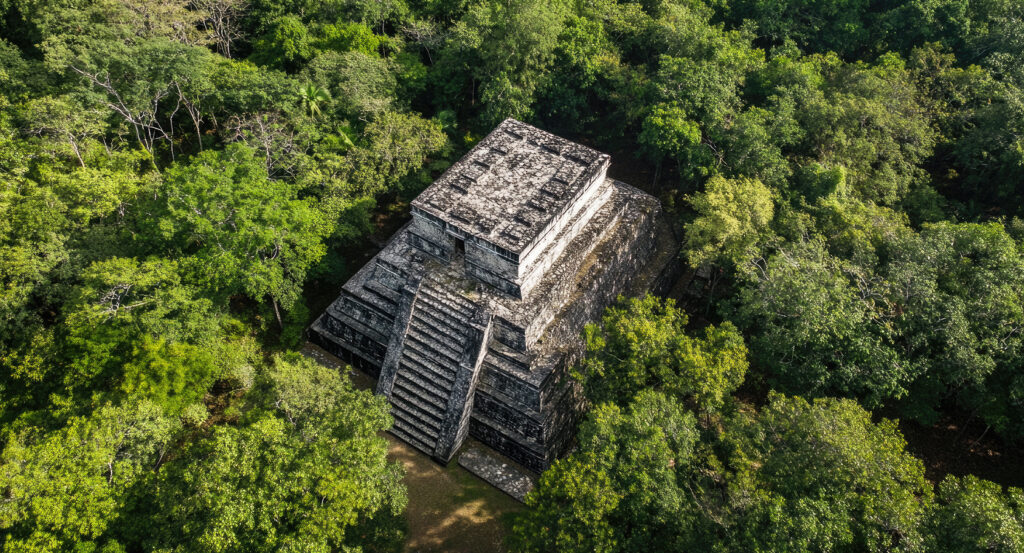
Tucked quietly behind the Maya Museum along Kukulcán Boulevard, this archaeological site was once a thriving coastal community and trading hub that flourished between 1200 and 1550 CE. As you wander its shaded paths, you'll encounter elegant stone platforms, small temples, and remnants of thatched-roof dwellings nestled among palms and ceiba trees. The hum of cicadas replaces the sound of traffic, and shafts of sunlight pierce the canopy to reveal timeworn carvings and ceremonial structures. Though less imposing than the inland cities of Cobá or Chichén Itzá, San Miguelito possesses a quiet dignity, a place where the Maya balanced daily life, trade, and devotion in harmony with the sea. It's a rare experience in Cancún: an ancient world reclaimed by nature, yet still whispering its stories beneath the tropical air.
What you didn't know about San Miguelito Archeological Site.
The San Miguelito Ruins form part of the same pre-Columbian network as the nearby El Rey Archaeological Zone, together comprising one of the most important Maya settlements on the eastern coast of the Yucatán Peninsula.
Archaeologists believe San Miguelito was home to artisans, traders, and fishermen who supported the religious and administrative elites at El Rey. The site's architecture reflects this balance, smaller residential compounds alongside ceremonial platforms and temples aligned with the sun's movement. One of the most fascinating discoveries here is a set of substructures buried beneath later constructions, indicating that the Maya rebuilt the site multiple times over centuries, adapting to shifting trade routes and rising sea levels. Artifacts found on-site, obsidian tools, pottery, coral jewelry, and shell ornaments, reveal a sophisticated maritime economy that connected Cancún to Cozumel, Tulum, and beyond. Several of the temples still bear traces of stucco and red pigment, suggesting that San Miguelito was once vibrant with color. The site's name comes from a colonial-era coconut plantation that once occupied this land, but its Maya foundations stretch much deeper, a living testament to adaptation, survival, and reverence for nature's cycles.
How to fold San Miguelito Archeological Site into your trip.
When exploring Cancún's Hotel Zone, the San Miguelito Ruins are the perfect cultural detour, an oasis of calm and history just steps from the beach.
The site is located directly behind the Museo Maya de Cancún, and admission to the museum includes access to the ruins. Begin your visit with the museum's exhibits for context on the Maya's coastal civilization, then follow the shaded trail into the forested archaeological park. The walking path winds through clusters of temples and residential platforms, culminating in a large ceremonial pyramid that marks the site's spiritual core. Visit in the morning or late afternoon to enjoy cooler temperatures and soft light filtering through the canopy, it creates a magical interplay of shadow and stone. Bring insect repellent, water, and patience; this is a site to move through slowly, listening to the breeze and the rustle of leaves above. Pair your visit with El Rey, just a few minutes away, to see how the two settlements complemented each other, San Miguelito as the heart of everyday life, El Rey as the ceremonial soul. The San Miguelito Ruins are Cancún's hidden heartbeat, quiet, sacred, and profoundly human, reminding visitors that long before the city's towers, there were temples reaching toward the same sky.
Hear it from the Foresyte community.
Just enough life around you not to be overwhelming. Right pace.
Where your story begins.
Start your planning journey with Foresyte Travel.
Experience immersive stories crafted for luxury travelers.