Why you should experience Watchtower at Tulum Ruins in Mexico.
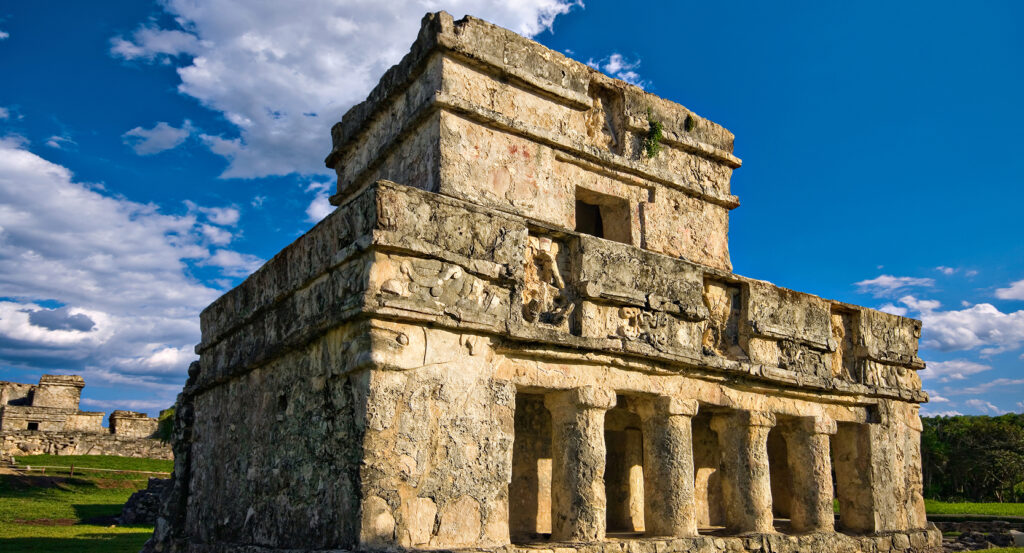
The Watchtower Ruins at Tulum rise at the edge of the Caribbean like a sentinel between worlds, a weathered stone guardian keeping eternal watch over turquoise waters and forgotten empires.
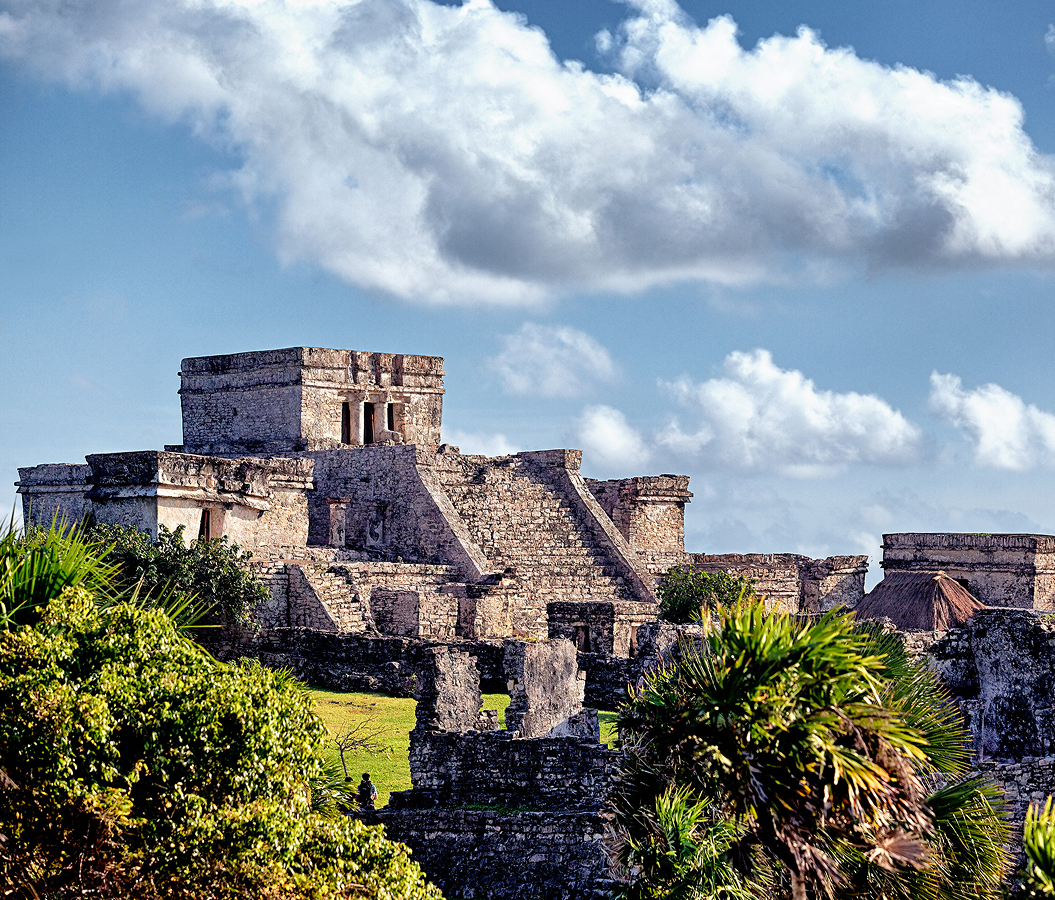
Perched atop the cliffs of the ancient walled city, the structure once served as both a lookout and a spiritual marker, guiding Maya navigators as they sailed along the coast. Even in ruins, it carries a quiet power, the way sunlight hits the coral limestone, the way the sea wind hums through its narrow openings, the way it feels as if it's still waiting for a returning fleet. This was one of the first points of contact for traders moving between Central America and the Yucatán, a literal gateway between commerce and the cosmos. To stand here is to see the world as the ancient Maya saw it, endless sea stretching to infinity, sky painted in impossible blues, and the faint silhouette of life pulsing along the horizon. The Watchtower Ruins are not just a fragment of stone; they are a living echo of vigilance, faith, and the human instinct to look outward toward the unknown.
What you didn't know about Watchtower at Tulum Ruins.
Though it's often overshadowed by the Temple of the Frescoes and El Castillo, the Watchtower was one of Tulum's most strategically vital structures, both a lighthouse and a cosmic compass.
Archaeologists believe that fires were once lit atop the tower, their light guided through narrow slits that acted as beacons for incoming canoes navigating the treacherous coral reefs. When aligned correctly, the lights appeared as one from the sea, marking the safe passageway to Tulum's port, a brilliant feat of optical engineering centuries ahead of its time. The placement of the tower wasn't random either; its orientation aligns almost perfectly with the sunrise on the summer solstice, symbolizing rebirth and protection. Excavations nearby have revealed fragments of incense burners and offerings, suggesting that the Watchtower wasn't merely functional, it was sacred, a place where sailors prayed before voyages and gave thanks upon return. Even its architecture reflects duality: solid stone facing the land, open windows facing the sea, a dialogue between permanence and impermanence, faith and foresight.
How to fold Watchtower at Tulum Ruins into your trip.
To truly appreciate the Watchtower Ruins, visit Tulum early in the morning, when the cliffs are bathed in golden light and the Caribbean below glimmers like liquid glass.
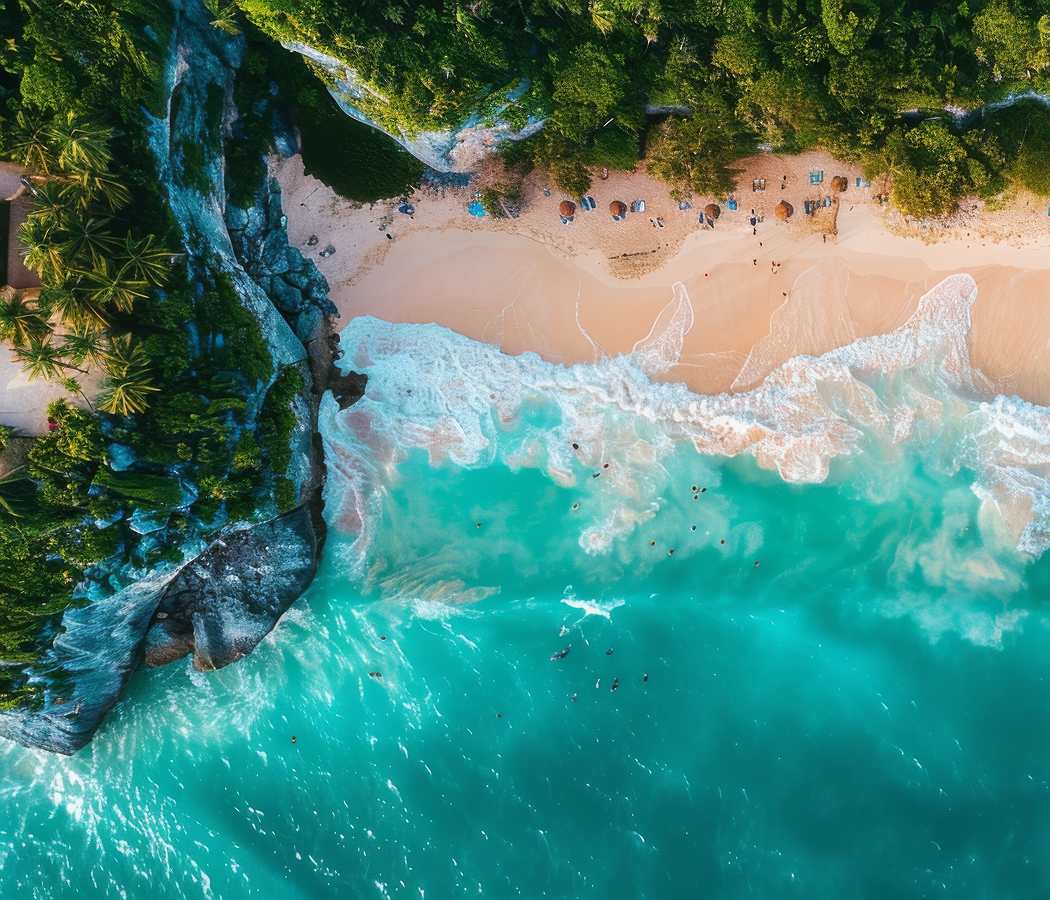
Walk the coastal path that winds from El Castillo toward the northern edge of the site, the Watchtower stands slightly apart, often overlooked by larger crowds. As you approach, pause to take in the view: the entire sweep of the coastline, the endless rhythm of the waves, and the faint rustle of palm fronds framing the horizon. Bring water and a light scarf, the sea breeze can shift from cool to fierce in minutes. Take a seat on one of the surrounding stones and listen; the sound of the surf against the cliffs is the same one the Maya heard a thousand years ago. When you're ready, descend toward the beach below, where you can look back and see the Watchtower perched above, a solitary figure against the sky. Fold this visit into the same morning as the Temple of the Frescoes and the House of the Columns, and you'll experience the full rhythm of Tulum: a city built on the edge of beauty, watching the world from the threshold between land and sea.
Hear it from the Foresyte community.
Just enough life around you not to be overwhelming. Right pace.
Where your story begins.
Start your planning journey with Foresyte Travel.
Experience immersive stories crafted for luxury travelers.