Why you should experience Amoy Hotel in Singapore.
Amoy Hotel is where intimate boutique charm meets centuries of living heritage, where modern hospitality blends with deep cultural storytelling, and where stepping inside feels like entering a beautifully preserved historical world woven seamlessly into the rhythm of contemporary Singapore.
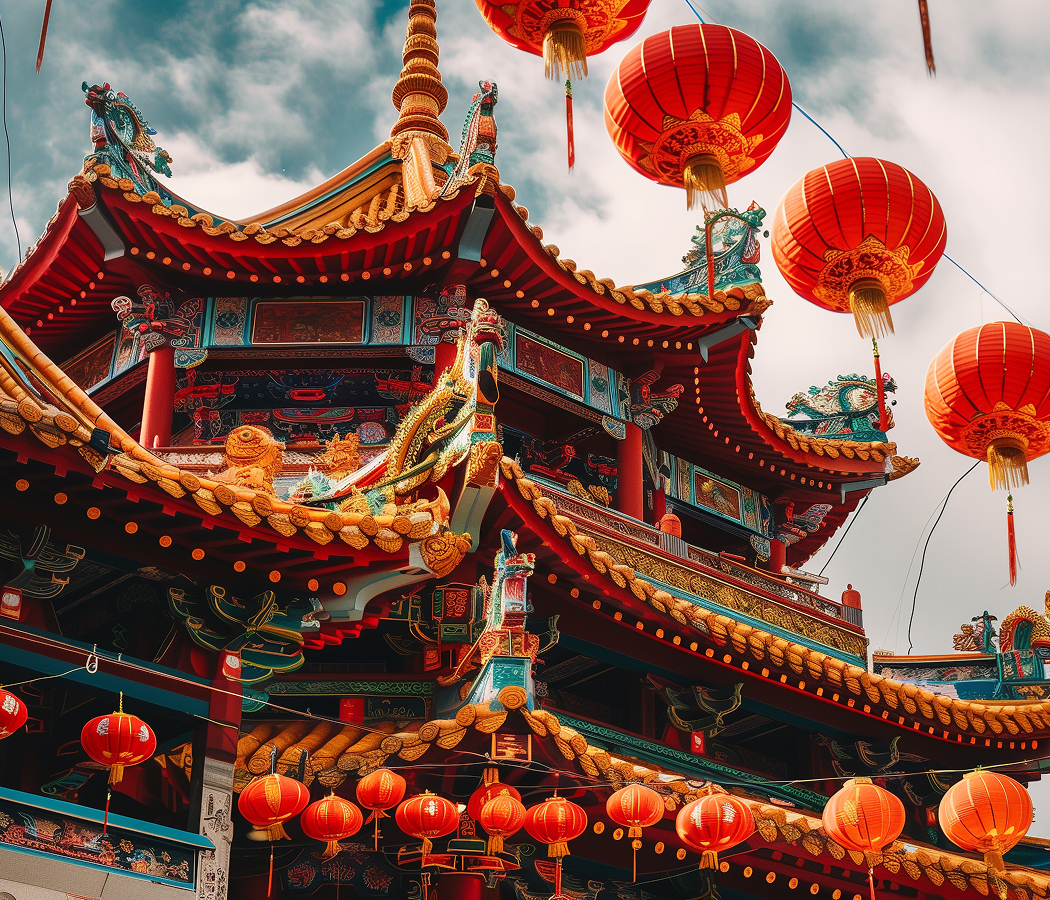
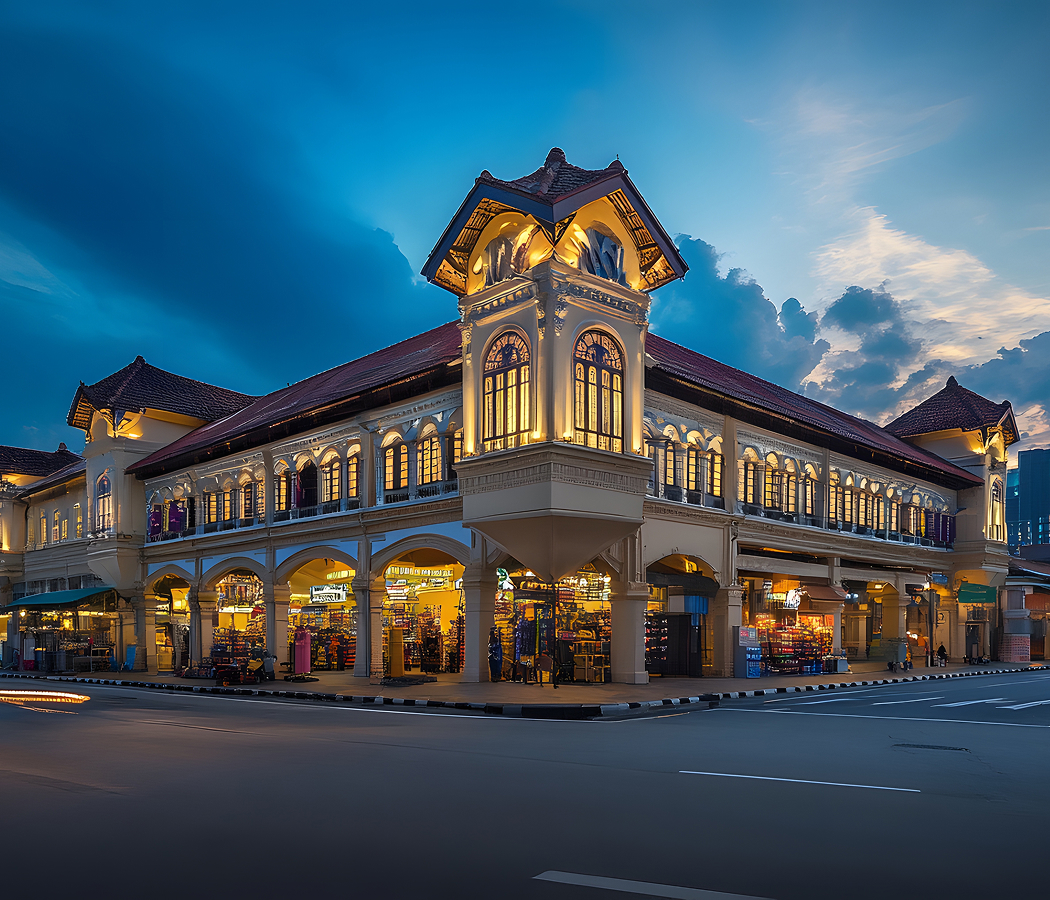
Set within a lovingly conserved cluster of shophouses in Far East Square, the hotel opens through a dramatic, unforgettable entrance: guests step directly into Fuk Tak Chi Museum-Singapore's oldest Chinese temple-turned-heritage space, creating an immediate connection to the city's immigrant history. From the moment you enter, the atmosphere shifts into something rare, warm, and deeply meaningful. The lobby feels intimate and elegant, defined by timber beams, heritage brickwork, soft lighting, curated artifacts, and modern touches that blend old-world authenticity with present-day comfort. Rooms continue this boutique, heritage-infused aesthetic. Expect plush bedding, warm wood tones, soft neutral palettes, exposed beams, elegant furnishings, and thoughtful design elements that echo the building's historical roots. Every room has a distinct shape and personality because the hotel retains its original shophouse architecture, no two rooms are exactly alike. Bathrooms are modern, bright, and well-appointed with walk-in showers, polished fixtures, and amenities designed for comfort and ease. Despite its compact footprint, Amoy Hotel feels deeply personal and surprisingly luxurious thanks to its intimate scale and attention to detail. Complimentary minibars, curated refreshments, and heartfelt touches elevate the experience even further. The hotel does not rely on large amenities, instead, the property becomes the amenity, offering a stay that prioritizes atmosphere, authenticity, and resonant resonance over traditional resort-style features. Dining options surround the hotel in abundance. Far East Square is filled with cafés, Japanese restaurants, modern Asian kitchens, tea houses, bars, and dessert spots. The neighboring Telok Ayer district adds even more variety with heritage eateries, izakayas, cocktail lounges, and MICHELIN-recommended tables. Service at Amoy Hotel is warm, thoughtful, and deeply personal. Staff members remember your name, offer tailored recommendations, and carry a level of sincerity that defines exceptional boutique hospitality. The location is extraordinary. Sitting between Telok Ayer, Amoy Street, Chinatown, and the CBD, the hotel places you steps away from temples, heritage trails, mural-lined lanes, cafés, bars, and some of Singapore's most meaningful historical sites. Amoy Hotel is intimate, cultural, soulful, warm, atmospheric, and ideal for travelers who want a boutique stay that feels both deeply rooted in history and effortlessly connected to modern Singapore.
What you should know about Amoy Hotel.
Amoy Hotel stands on land that once formed the beating heart of Singapore's earliest Chinese immigrant community, making its footprint one of the most historically symbolic and culturally significant in the entire city.
In the early 19th century, this area served as the landing point for thousands of Chinese migrants arriving from Amoy (Xiamen), Guangdong, Fujian, and other coastal regions. After long and difficult sea voyages, these migrants disembarked near what is now Telok Ayer Street, just steps from the hotel, and made their way toward clan houses, temples, lodging rooms, and merchant shops that offered kinship, protection, and support. The Fuk Tak Chi Temple, which now forms the hotel's entrance, was built in 1824 by Hakka and Cantonese settlers as a community temple, shrine, meeting point, and social center. Its presence signaled the establishment of one of Singapore's earliest organized Chinese enclaves. The land beneath the hotel once housed shophouses that functioned as living quarters, clan hostels, merchant offices, and communal spaces. Newly arrived migrants often slept in these very buildings while searching for work in carpentry, trading, rickshaw pulling, metalwork, and the port industries. A lesser-known fact: the surrounding alleys, like Amoy Street and Telok Ayer Street, were once just meters from the original waterfront before significant land reclamation extended Singapore's shoreline outward. Ships anchored directly offshore, and new arrivals disembarked close to the hotel's current site, making this district a literal starting point for many early Chinese settlers. Throughout the 19th and early 20th centuries, the neighborhood became a dense hub of clan associations and dialect societies. This area once hosted the Kwong Wai Siew Peck San Theng association, Hokkien Huay Kuan, and other dialect-based groups that served as safety nets for new immigrants. Many shophouses in the block, some now integrated into Amoy Hotel, were used for lodging newly arrived men who lacked family support. As Singapore modernized through the mid-20th century, the shophouses evolved through different uses: textile stores, traditional medicine halls, tea houses, import-export offices, workshops, and small restaurants. Conservation efforts in the late 20th century identified Fuk Tak Chi Temple and its surrounding buildings as historically vital. The temple was restored as a museum while select shophouses were preserved and adapted into the boutique hotel you see today. Hidden historical threads still run beneath the property. Early drainage channels and foundation alignments remain preserved. Some interior beams date back decades. And the building footprints mirror the exact lot boundaries from the 1800s, among the few such examples in Singapore's CBD. Today, Amoy Hotel stands as a living tribute to the journeys, struggles, and cultural identities of Singapore's earliest Chinese immigrants, an intimate, beautifully preserved link to the past in the middle of a rapidly modernizing city.
How to fold Amoy Hotel into your trip.
Amoy Hotel becomes the soulful, culturally anchored heart of your Singapore experience, where mornings begin in heritage calm, afternoons unfold through deeply meaningful exploration, and evenings settle into warm, atmospheric dining surrounded by centuries of living history.
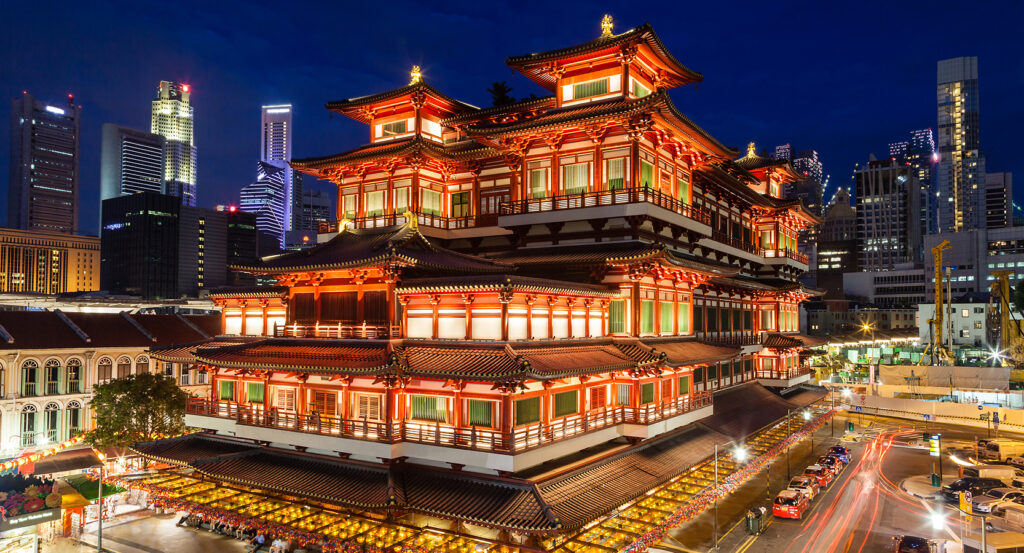
Start the morning by stepping directly through the hotel's entrance into Fuk Tak Chi Museum, an unforgettable way to begin the day. Afterward, walk into Telok Ayer. Visit Thian Hock Keng Temple, admire the intricate carvings and architecture, and continue through Amoy Street's cafés and boutiques filled with local character. Enjoy breakfast at one of the nearby cafés, specialty coffee, pastries, kaya toast, or Japanese-inspired brunch dishes. Late morning is ideal for exploring Chinatown's markets, temples, and hidden alleys. Walk into the Buddha Tooth Relic Temple, browse the heritage shophouses, or visit the Chinatown Heritage Centre for deeper historical context. Return to the hotel for a midday rest. Enjoy quiet time in your boutique room, recharge with a cool drink, or appreciate the serenity of the heritage structure. In the afternoon, explore the CBD, Boat Quay, or Marina Bay, all within walking distance. Museums, rooftop bars, scenic river paths, and architectural icons fill the nearby streets. As evening approaches, dive into the dining richness of Amoy Street and Telok Ayer. Enjoy Japanese izakayas, MICHELIN-starred restaurants, modern fusion eateries, Korean grills, cocktail lounges, and Singaporean heritage kitchens, all within a few steps. After dinner, take an evening walk through lantern-lit Chinatown, enjoy a riverside drink at Boat Quay, or return to the serenity of your room, soft lights, warm wood, and the quiet sense of history held within the walls.
Where your story begins.
Foresyte Travel reveals places that feel extraordinary long before you arrive.
Experience premium editorial crafted for luxury travelers.