Why you should experience The African American Cemetery at Drayton Hall in Charleston, South Carolina.
The African American Cemetery at Drayton Hall isn't just hallowed ground, it's one of the oldest surviving testaments to faith, endurance, and character in the American South.
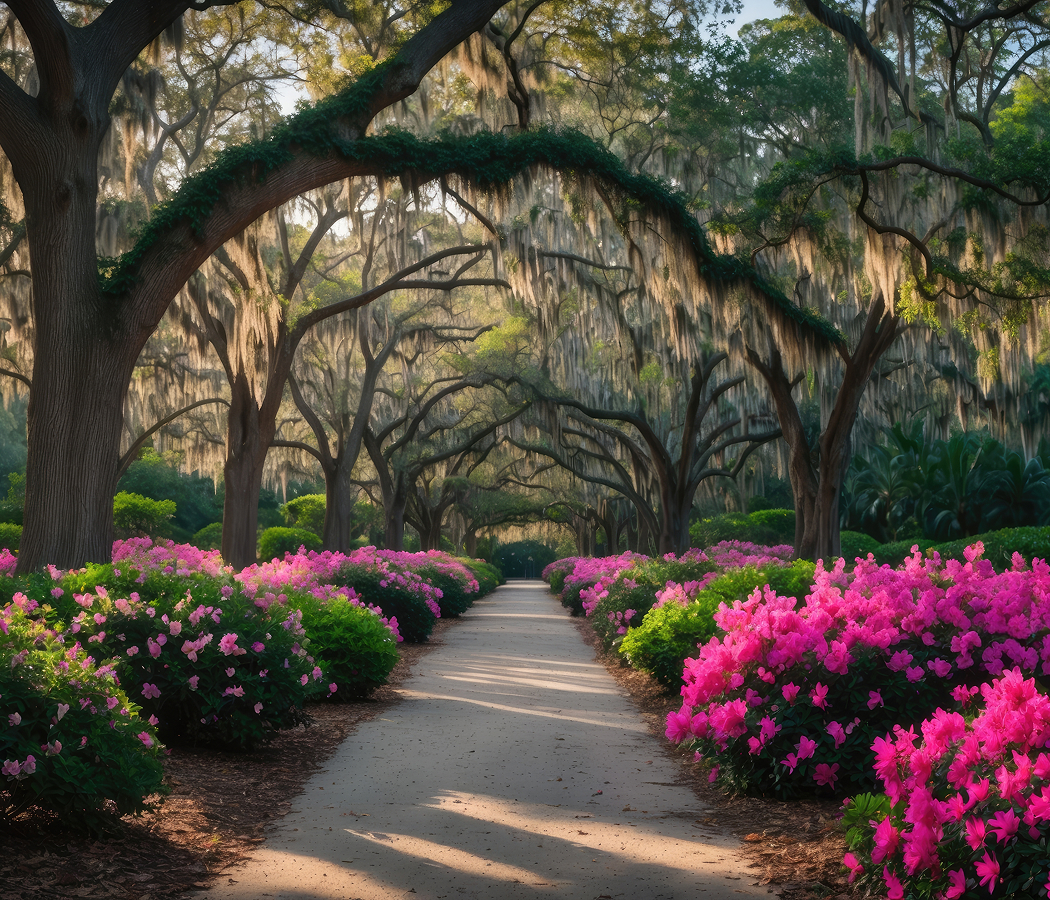
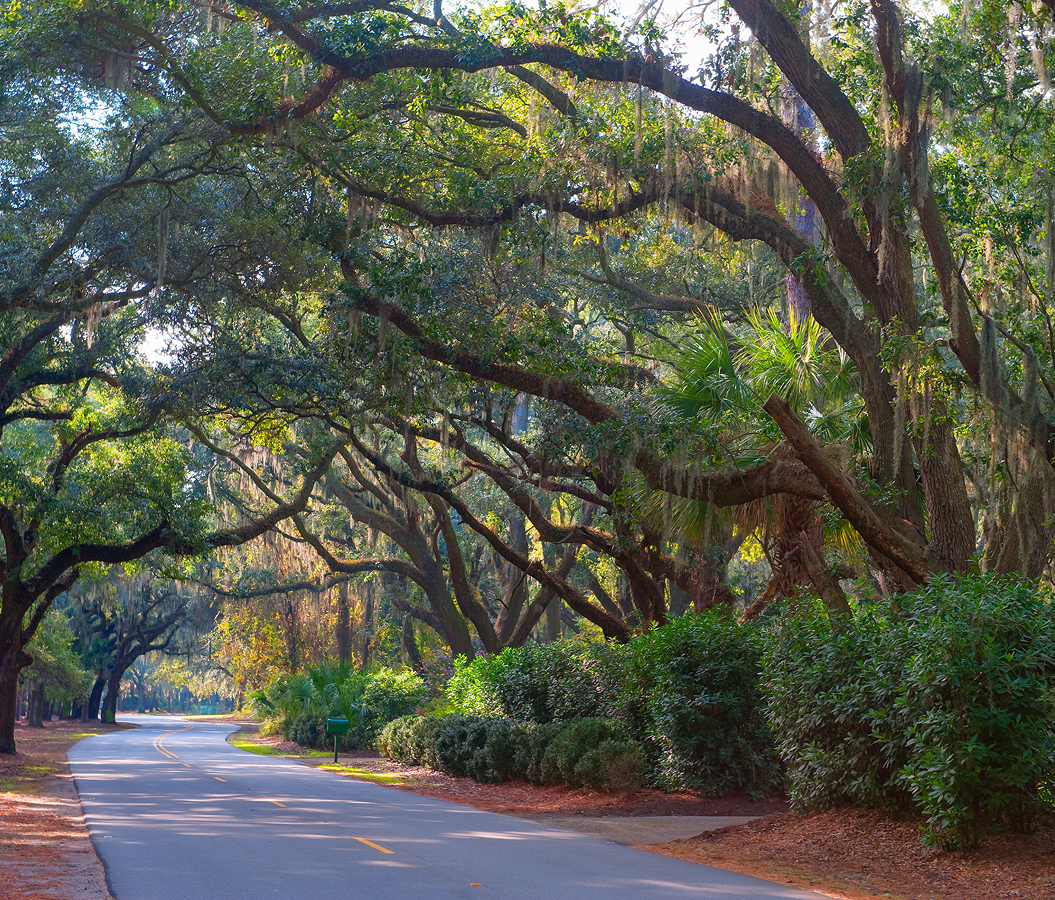
Tucked among moss-draped oaks along the Ashley River, this quiet clearing holds the unmarked graves of generations of enslaved Africans and their descendants who lived and worked on the Drayton plantation. Unlike the grand Georgian house nearby, the cemetery's simplicity speaks volumes: no marble, no monuments, just the earth itself, sacred, silent, and enduring. Each step feels reverent, each whisper of wind through the trees a reminder of the lives that once gave breath and labor to the Lowcountry. Established in the 18th century and still in use into the 20th, it stands as one of the nation's oldest documented African American burial sites. The air here carries a gravity that words can't capture, a space where history hums quietly, unadorned yet deeply alive. The African American Cemetery at Drayton Hall isn't a place of despair, it's a landscape of remembrance, where the unspoken story of America's past is finally allowed to breathe.
What you should know about The African American Cemetery at Drayton Hall.
Behind its unassuming stillness lies one of the most carefully preserved and symbolically rich memorial sites in the South.
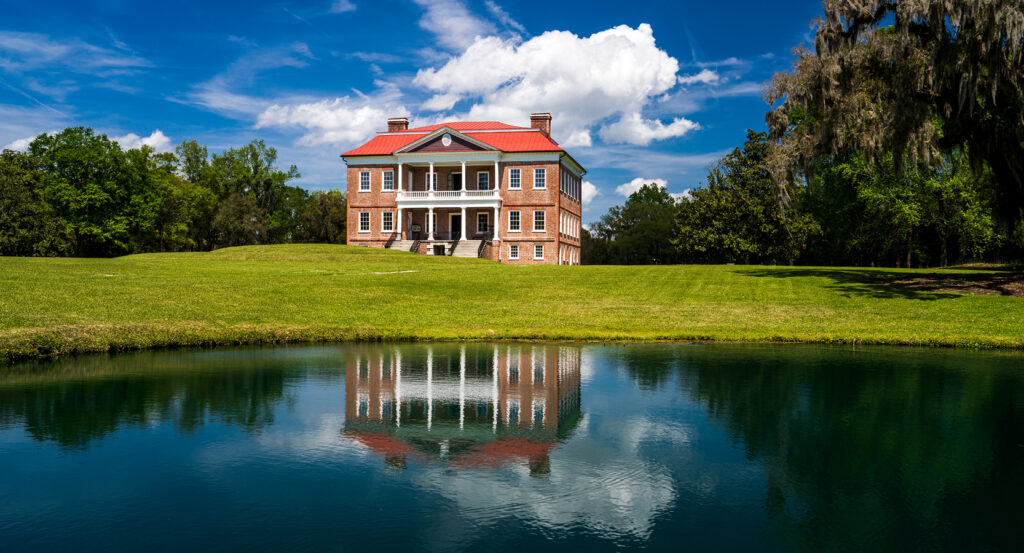
Drayton Hall's enslaved community began burying their dead here sometime before 1790, and remarkably, the cemetery has remained untouched by the plantation's later changes. Even the Drayton family itself recognized its sanctity, leaving it intact through centuries of war, ownership shifts, and development. Archaeological studies have revealed handmade grave markers, ironwork fragments, and oral histories connecting descendants directly to the site. No gravestones bear names, but that absence carries its own truth, a reflection of both systemic erasure and the power of memory that persists. Interpretive work by preservationists and descendants has reframed the site as an active place of storytelling. Today, it is protected not only as a burial ground but as a living space of cultural restoration, a reminder that African American history is not a footnote to Drayton Hall's grandeur, but its moral foundation.
How to fold The African American Cemetery at Drayton Hall into your trip.
To experience the African American Cemetery with the reverence it deserves, approach it as both pilgrimage and reflection.
Begin your visit with a guided tour of Drayton Hall, learning about the lives of the enslaved artisans, laborers, and families who sustained the estate for generations. Then walk the path through the woods toward the cemetery, a gradual, humbling transition from grandeur to grace. When you arrive, stand still. Listen. The rustle of leaves and the call of birds create a kind of natural hymn, unbroken for centuries. Read the interpretive signs, which share stories gathered from oral histories, and consider the countless unnamed who shaped this land. If you visit in late afternoon, when the light filters gold through the Spanish moss, you'll feel the weight of time in every breath, an unspoken connection to the lives that once stood where you stand now. The African American Cemetery at Drayton Hall isn't about death; it's about continuity, a sacred discussion between remembrance and respect, whispered eternally through the Carolina air.
Where your story begins.
Foresyte Travel reveals places that feel extraordinary long before you arrive.
Experience premium editorial crafted for luxury travelers.