Why you should experience Al-Azhar Library in Cairo, Egypt.
The Al-Azhar Library is among the world's oldest sanctuaries of knowledge, a repository of manuscripts and memory where Cairo's thousand-year intellectual heartbeat still echoes in the rustle of parchment.
Step inside, and the hum of the city vanishes into quiet reverence. Sunlight filters through high arched windows, illuminating wooden shelves lined with manuscripts bound in leather and gold. The scent of old paper, dust, and sandalwood hangs in the air, the fragrance of centuries of study. Here, theology meets astronomy, philosophy sits beside mathematics, and every book seems to carry the pulse of devotion. It's not just a library, it's a living archive of human thought, a bridge between the divine and the rational built over a millennium of inquiry. To walk among its volumes is to trace the evolution of Islamic civilization itself, written not in stone but in ink and faith.
What you should know about Al-Azhar Library.
The Al-Azhar Library, or Maktabat al-Azhar, began as a small chamber of scrolls within the Fatimid mosque complex around 1005 CE, later evolving into one of the largest and most influential manuscript collections in the Islamic world.
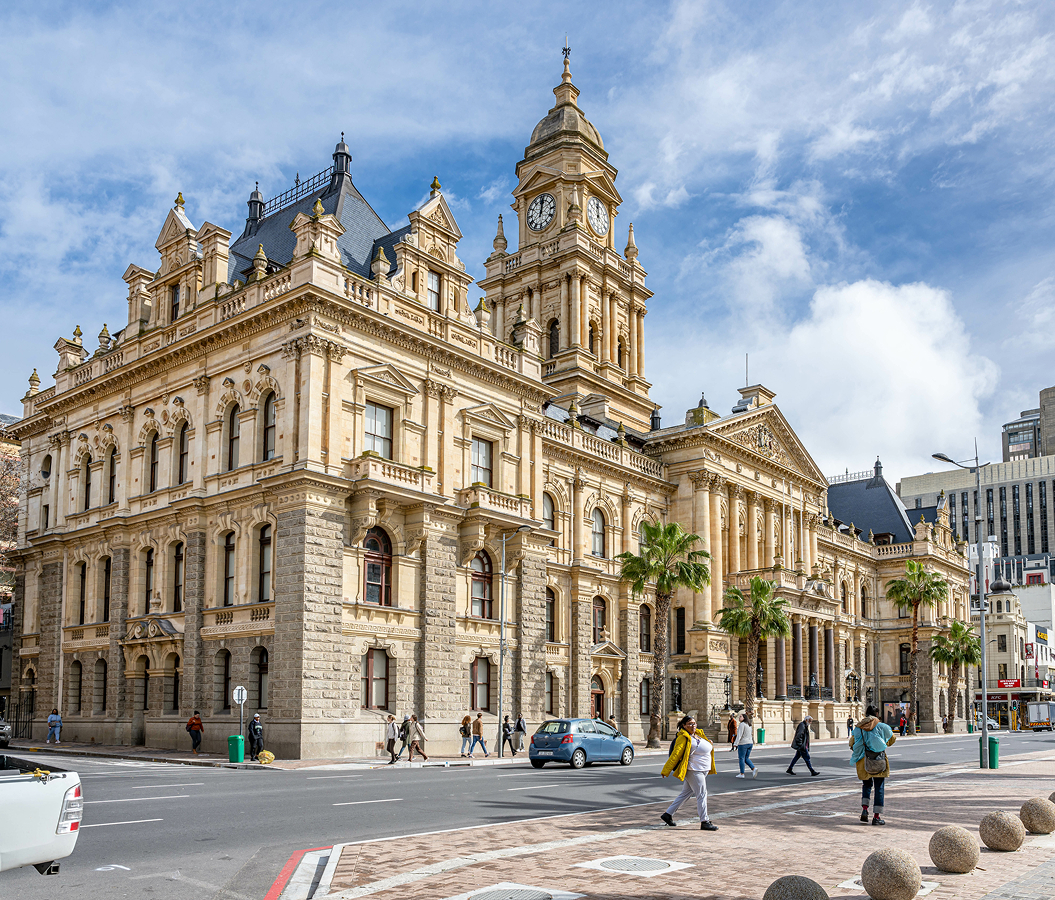
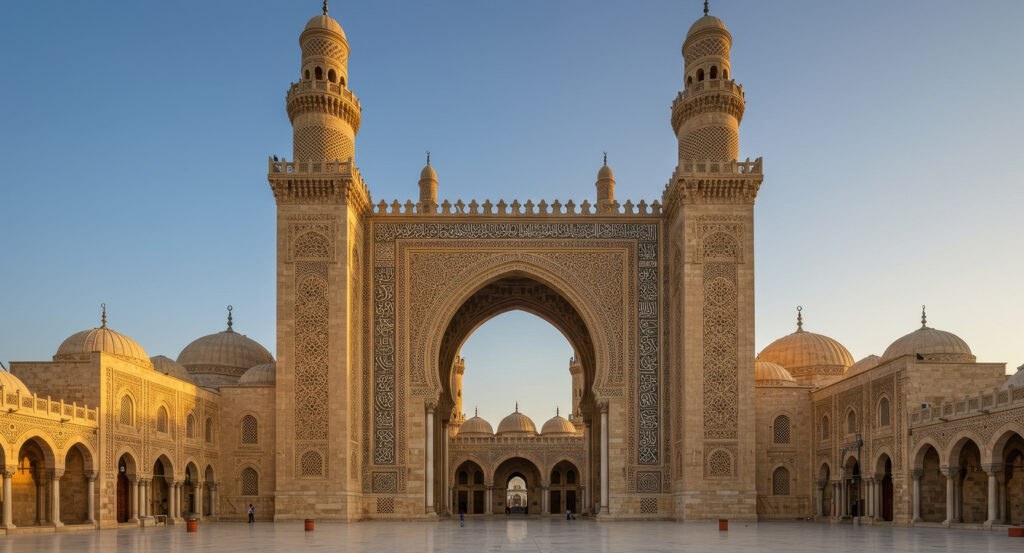
Founded by the Fatimids and expanded under every dynasty since, it originally served the scholars of Al-Azhar University, the world's second-oldest continuously operating university, as a hub for religious, scientific, and literary study. By the Mamluk period, the library's holdings exceeded 250,000 manuscripts, including priceless works on law, grammar, astronomy, and medicine. Among its treasures are original Qur'anic codices penned in Kufic script, Ibn Khaldun's handwritten pages of the Muqaddimah, and rare astronomical treatises used to align Cairo's mosques to Mecca. The library's architecture reflects its layered history: the earliest Fatimid stone chambers remain beneath later Ottoman domes, and its wooden ceilings are inlaid with geometric patterns typical of 15th-century Cairo craftsmanship. During Napoleon's occupation, French scholars documented parts of its collection, noting its unparalleled scope, though many volumes were later scattered across global archives. In the 19th century, Khedive Abbas Hilmi II ordered the first comprehensive cataloging of its holdings, and by the mid-20th century, the library became a national monument in its own right. Today, it houses more than 100,000 manuscripts, including the oldest dated Qur'an in Egypt, fragments of Avicenna's medical texts, and records of early Al-Azhar debates written in the distinctive calligraphic hand of scholars who once taught in the courtyard outside. Despite wars and modernization, the library endures as both a sanctuary of preservation and a reminder that faith and reason have always shared the same roof in Cairo.
How to fold Al-Azhar Library into your trip.
The Al-Azhar Library is a journey into the written soul of Islamic Cairo, a space where silence speaks louder than sound.
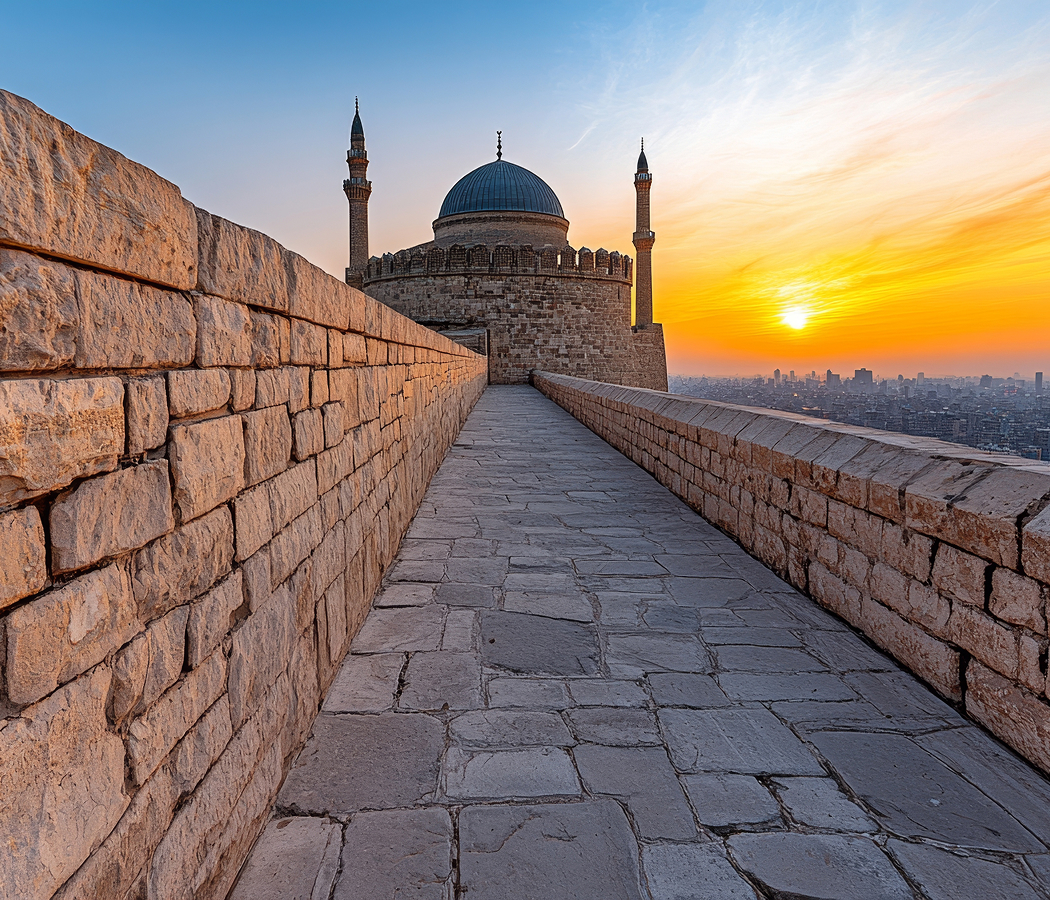
Access is typically granted through guided visits arranged via the Al-Azhar administration office, adjacent to the mosque's main courtyard. Plan the visit in the late morning, when the reading rooms glow with warm, indirect light filtering through mashrabiya screens. Begin in the main manuscript hall, where scholars in white robes pore over centuries-old texts at carved wooden desks. Move slowly through the aisles, many manuscripts are displayed under glass, their illuminated margins alive with blue and gold. Pause before the Qur'anic manuscripts gallery, where you can see variations in early calligraphy styles and parchment thickness that mark different dynasties. Spend time beneath the Ottoman dome, whose painted wooden beams still bear Qur'anic verses about the pursuit of knowledge. Allocate 45-60 minutes for your visit, as the experience is meditative and absorbing. Before you leave, step onto the balcony overlooking the main courtyard, where you can glimpse the same arcades and marble floors that students once crossed between lessons and prayers. In that moment, surrounded by books and history, you'll understand what Al-Azhar has always embodied, not simply a place of worship, but a civilization built on the written word, still alive beneath Cairo's endless sky.
Where your story begins.
Foresyte Travel reveals places that feel extraordinary long before you arrive.
Experience premium editorial crafted for luxury travelers.