Why you should experience Habsburg State Rooms in Vienna, Austria.
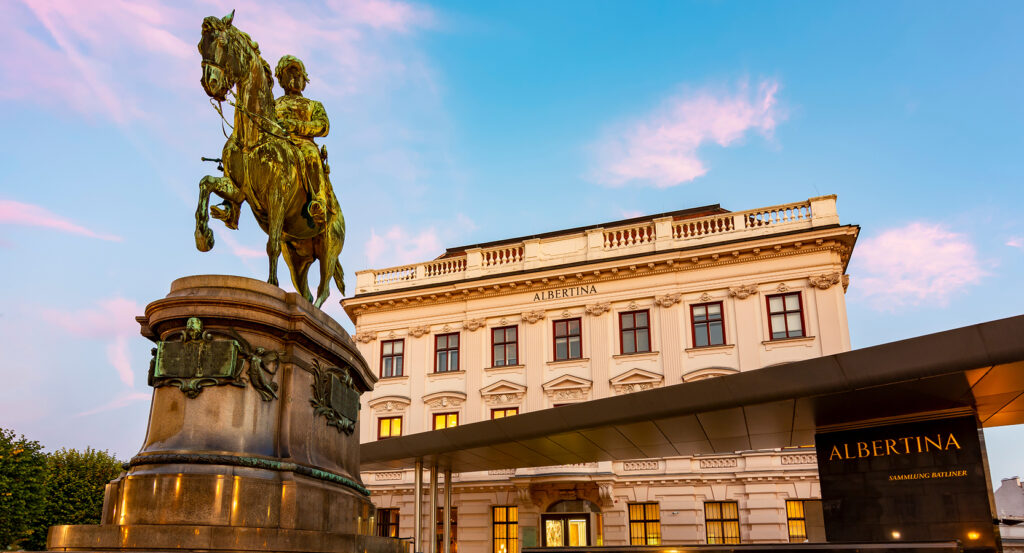
Habsburg State Rooms inside Vienna's Albertina are where art meets empire, an exquisite fusion of refinement, ritual, and royal intimacy.
Long before the museum became one of Europe's greatest art institutions, this was a palace, home to Archduke Albrecht and later Archduke Charles, whose residence embodied the Habsburgs' taste for balance between splendor and restraint. Step through the tall double doors and you enter another century: parquet floors polished to a mirror sheen, walls wrapped in silk damask, crystal chandeliers suspended like frozen cascades of light. Every inch of these rooms was designed to impress yet soothe, the empire's idea of civility rendered in architecture. The light filtering through the tall arched windows seems to glow warmer here, bouncing across gilt mirrors and pastel frescoes that once framed the conversations of Europe's elite. To walk these halls is to wander through the physical memory of imperial Vienna, a world where every gesture was choreography and every detail, from the porcelain vases to the ivory door handles, spoke the language of quiet power.
What you should know about Habsburg State Rooms.
These rooms were not simply decorative, they were instruments of diplomacy.
Built in the mid-18th century as part of the Augustinian Bastion, the Albertina's palace apartments were later refashioned in the Rococo and Neoclassical styles to reflect changing imperial ideals. The Muses Room, with its allegorical ceiling paintings and soft pink stucco, once hosted private receptions; the Audience Hall welcomed visiting envoys beneath portraits of Empress Maria Theresa and Emperor Franz I; and the State Bedroom, all crimson silk and gilt, was rarely slept in, existing solely as a symbol of hospitality to royal guests. During the 19th century, Archduke Albrecht expanded the collection of furniture and art to reflect the dynasty's cultural ambitions, effectively turning his home into both salon and museum. The walls you see today survived bombings and political collapse, restored with obsessive precision to match period records, each cornice, molding, and mosaic preserved as an artifact of etiquette and taste. Yet within this beauty lies tension: the quiet melancholy of a vanished world, where grace and control masked the weight of empire.
How to fold Habsburg State Rooms into your trip.
The State Rooms form the perfect prelude or conclusion to your visit through the Albertina's art galleries.
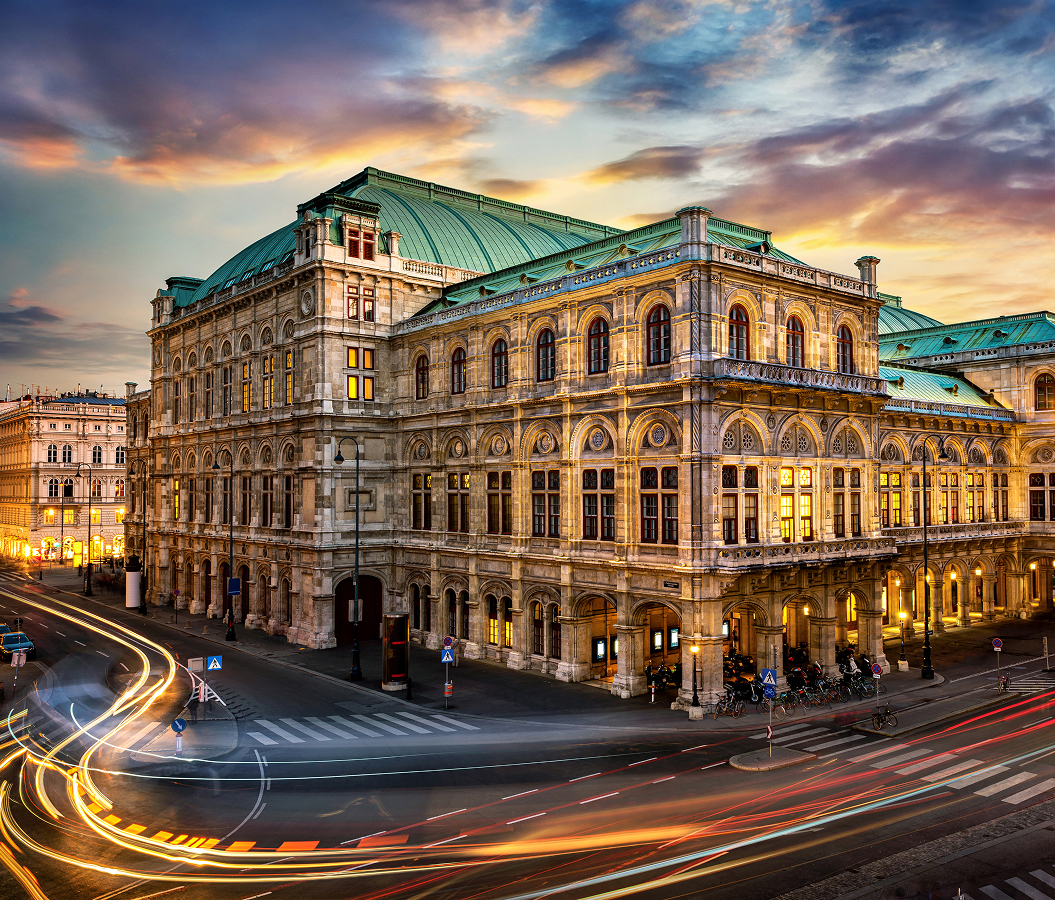
Begin in the Ante-Room, where pale green silk and gold leaf set the tone for what follows, a sequence of salons that flow like movements of a symphony. Take time in the Audience Hall to study the craftsmanship of the Viennese furniture and the delicate plaster reliefs framing each doorway. Notice how the decorative motifs, laurel wreaths, lyres, and floral garlands, echo the ideals of harmony that shaped 18th-century Vienna. Guides often point out the contrast between the public grandeur of these rooms and the more intimate chambers beyond, such as the Study of Archduke Albrecht, where maps, letters, and sketches still rest as if awaiting the return of their owner. When you step back into the museum's modern galleries, the shift feels almost cinematic, from candlelight to spotlight, from empire to enlightenment. Before leaving, pause once more at the windows overlooking the Burggarten and the Opera House, and imagine the carriages that once passed below. Habsburg State Rooms remind you that beauty in Vienna was never passive, it was a form of diplomacy, a quiet assertion that civilization itself could be an art.
Where your story begins.
Foresyte Travel reveals places that feel extraordinary long before you arrive.
Experience premium editorial crafted for luxury travelers.