Why Albertina matters.
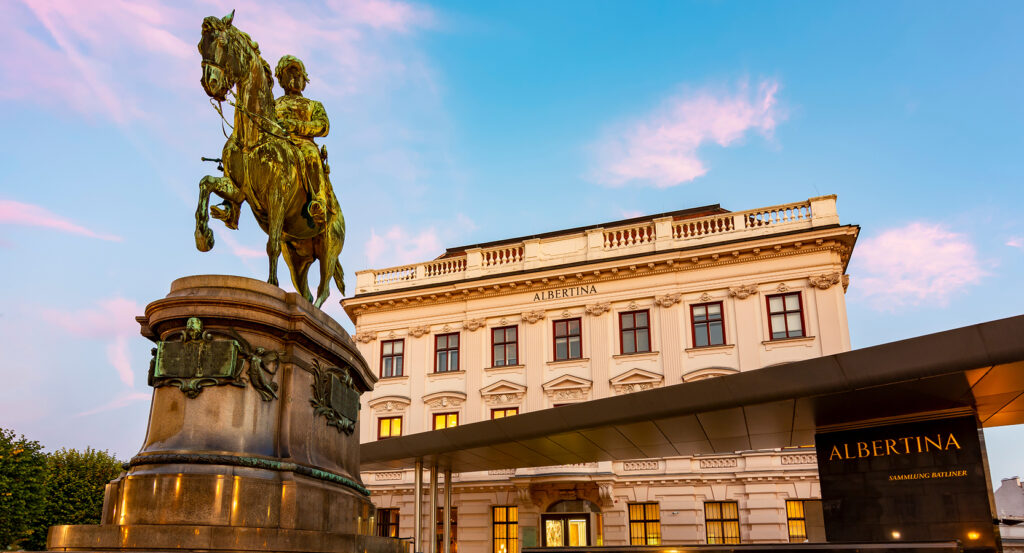
Albertina is a distinguished art museum where Innere Stadt's imperial heritage, artistic scholarship, architectural elegance, and centuries of European creativity converge within one of Austria's foremost cultural institutions.
Set along Albertinaplatz near Augustinerstraße and just steps from the Vienna State Opera, this refined museum unfolds through imperial state rooms, thoughtfully curated galleries, grand staircases, and contemporary exhibition spaces where masterpieces spanning the Renaissance to the present share the same historic palace that once housed Habsburg archdukes. Lavishly restored interiors, neoclassical architecture, and internationally acclaimed collections create an atmosphere where artistic achievement and imperial history remain inseparably connected. Creativity, scholarship, and architectural refinement define every gallery.
What defines Albertina.
Albertina is best known for preserving one of the world's largest and most important graphic art collections after Duke Albert of Saxe-Teschen founded the collection in 1776, assembling holdings that today exceed one million prints and 65,000 drawings while occupying the former Habsburg residential palace whose origins date to the late seventeenth century and whose imperial State Rooms preserve centuries of Viennese court life. Duke Albert and his wife Archduchess Maria Christina, the favorite daughter of Empress Maria Theresa, systematically acquired drawings, prints, and demonstrated manuscripts from across Europe, establishing a collection that rapidly became one of the continent's leading centers for graphic art. The museum today preserves internationally significant works by Albrecht Dürer, Leonardo da Vinci, Michelangelo, Raphael, Peter Paul Rubens, Rembrandt, Francisco Goya, Gustav Klimt, Egon Schiele, Pablo Picasso, Claude Monet, Edgar Degas, Paul Cézanne, Henri Matisse, and numerous other defining figures in European art history. Among its greatest treasures is Albrecht Dürer's Young Hare, completed in 1502, among the most celebrated watercolor studies ever produced and among the museum's most requested works. Following extensive restoration completed in 2003 under architect Hans Hollein, the museum introduced contemporary exhibition galleries, improved conservation laboratories, advanced climate-controlled storage, and the striking Soravia Wing entrance while carefully preserving the historic State Rooms overlooking Vienna's Ringstraße. Albertina continues expanding its holdings through acquisitions of photography, modern art, contemporary art, and architectural drawings while supporting internationally respected conservation science, provenance research, digitization initiatives, and scholarly publications that reinforce its position among Europe's leading museums.
Centuries of collecting, meticulous conservation, and thoughtful exhibition design demonstrate how graphic art preserves the creative process behind many of history's greatest artistic achievements. Rare drawings, engravings, watercolors, imperial apartments, restored ceremonial interiors, modern galleries, and rotating exhibitions reveal artistic development across more than six centuries while supporting ongoing research in conservation science, printmaking, drawing techniques, and museum scholarship. Continuing collection digitization, architectural preservation, provenance investigations, and international collaborations ensure Albertina remains at the forefront of art historical research and public engagement. Artistic excellence, curatorial leadership, and imperial heritage combine to create one of Europe's finest museum experiences.
How Albertina fits.
Albertina works as the centerpiece of an exploration through Innere Stadt's celebrated cultural institutions.
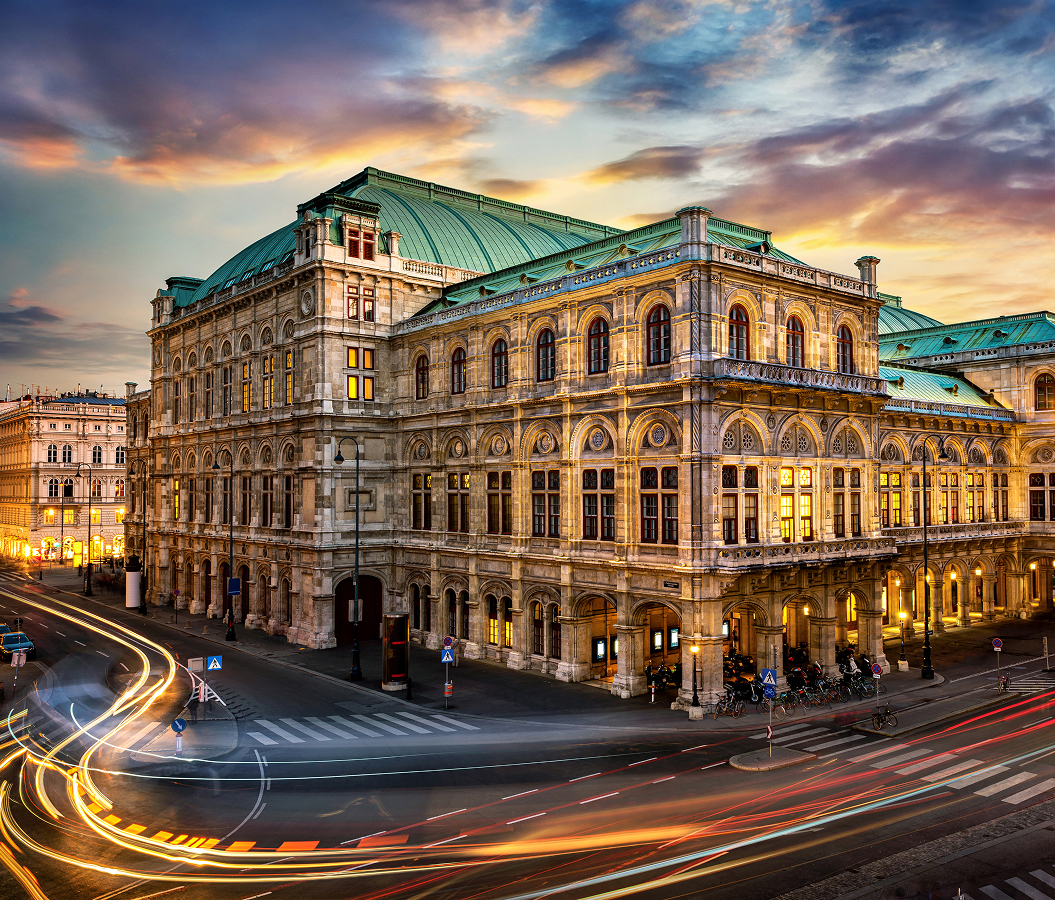
Begin at Vienna State Opera, where one of Europe's great opera houses establishes the artistic character of the district before exploring Albertina. Continue to Burggarten, whose landscaped grounds and Mozart Monument provide a tranquil setting between Vienna's cultural institutions. Conclude at Hofburg Palace, where centuries of Habsburg political and imperial history provide a memorable finale deepening appreciation for the historic setting surrounding the museum. The progression moves naturally from performing arts to visual art before concluding through imperial history, revealing why Innere Stadt remains Vienna's cultural heart.
Where your story begins.
Foresyte Travel reveals places that feel extraordinary long before you arrive.
Enjoy editorial crafted for luxury travelers.
Foresyte may earn a commission when you book.