Why Audubon Swamp Garden matters.
Audubon Swamp Garden at Magnolia Plantation and Gardens is a green labyrinth where cypress knees rise like sentinels and the Lowcountry's wild heart beats in still water.
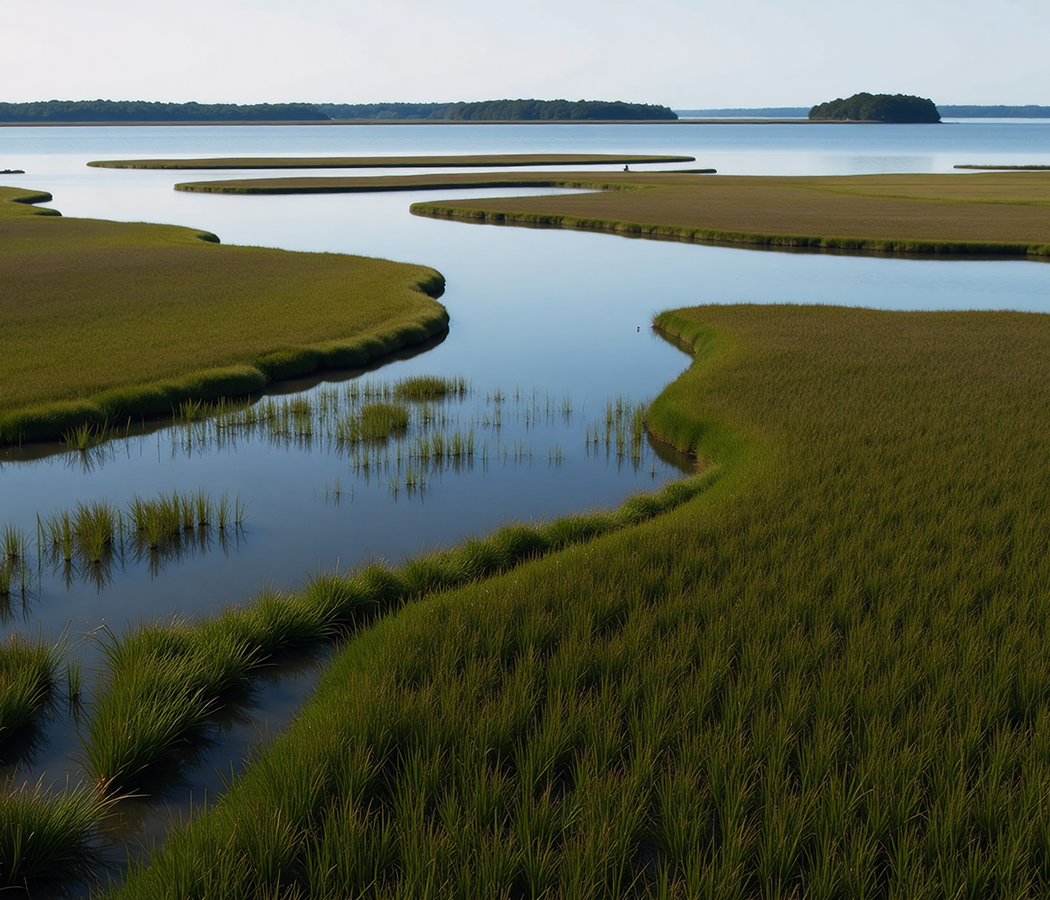
Once part of a working rice plantation, Audubon Swamp Garden has transformed into a hauntingly beautiful sanctuary where nature takes center stage. Wooden boardwalks and footbridges weave through blackwater wetlands thick with Spanish moss, lily pads, and the hum of dragonflies. Herons and egrets glide above, turtles sun themselves on fallen logs, and alligators lurk just below the glassy surface, reminders that this land is alive, untamed, and eternal. The garden takes its name from John James Audubon, the famed naturalist who visited Charleston to document the birds of the American South. Today, the swamp remains a living tribute to his legacy, part cathedral, part wilderness, and wholly unique in its quiet intensity.
What defines Audubon Swamp Garden.
This swamp is more than a scenic detour, it's a rare glimpse into the original ecology that sustained the Carolina lowlands.
Long before it became a refuge for wildlife and photographers, the swamp served as a flooded rice field in the 18th and 19th centuries, engineered through the forced labor and ingenuity of enslaved Africans who adapted West African irrigation methods to the Lowcountry's tidal rhythms. After the Civil War, the fields reverted to nature, gradually reclaiming their wild form and giving rise to the wetland ecosystem visible today. The boardwalk trail, now stretching nearly a mile, allows visitors to experience that evolution firsthand: decaying trunks turned to moss-covered sculptures, colonies of ibis nesting in the trees, the stillness broken only by the ripple of unseen motion. Each turn along the path feels like a crossing, between history and nature, stillness and life. Audubon Swamp Garden is not just beautiful; it's alive with memory.
How Audubon Swamp Garden fits.
Audubon Swamp Garden is best visited slowly, ideally early morning or late afternoon, when mist and golden light soften the air.
Bring water, comfortable shoes, and patience, you'll want time to stop, listen, and simply watch. The entrance is located beside Magnolia Plantation's main gardens, and admission is typically a separate ticket. Walk the boardwalk loop to absorb the layers of sound, the chorus of frogs, the buzz of cicadas, the distant calls of herons. Photographers will find endless inspiration in the reflections of cypress trunks and the mirrored green of the water's surface. For a deeper experience, follow your visit with the plantation's nature tram or boat tour to trace how these wetlands once shaped life along the Ashley River. When you leave, you'll find Audubon Swamp Garden lingers in your mind, not as a place you toured, but as a rhythm you felt: slow, humid, alive, and utterly Lowcountry.
Where your story begins.
Foresyte Travel reveals places that feel extraordinary long before you arrive.
Enjoy editorial crafted for luxury travelers.
Foresyte may earn a commission when you book.