Why you should experience Bees Creek Road in South Carolina.
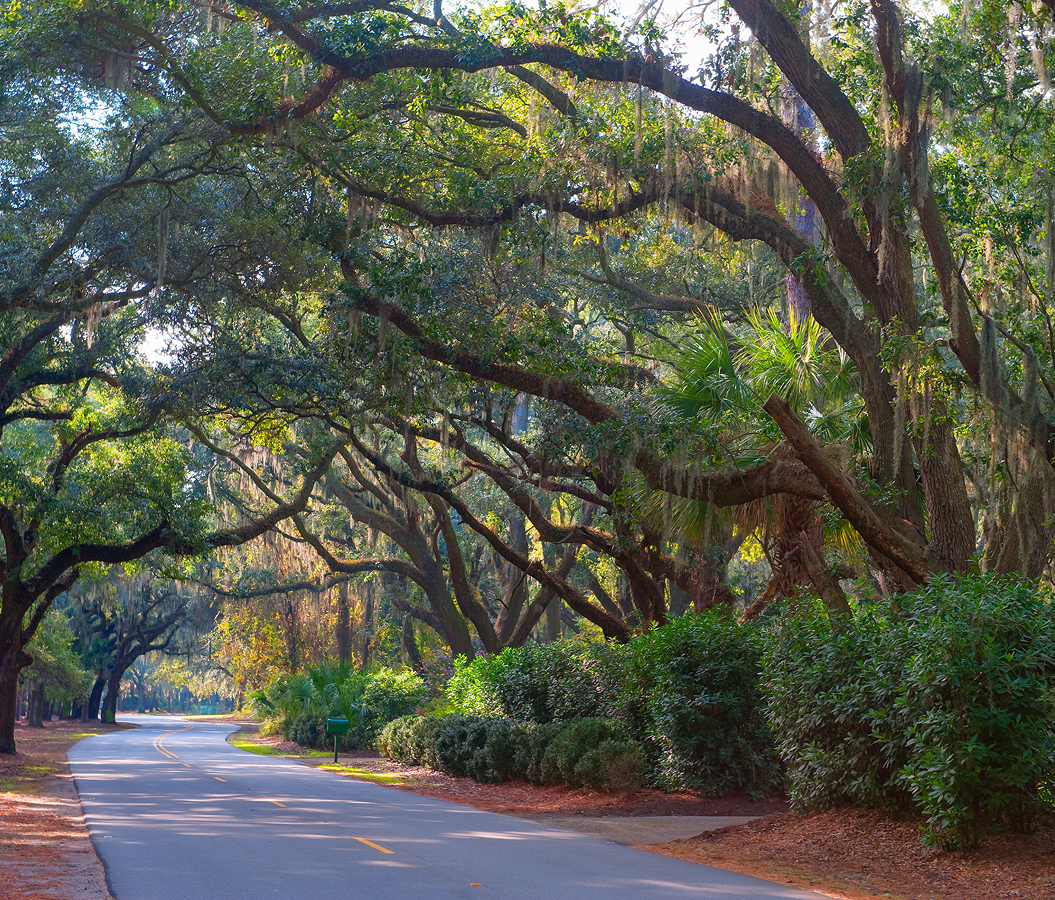
Bees Creek Road is a peaceful corridor where Ridgeland's agricultural heritage, freshwater ecosystems, rural traditions, and Lowcountry landscapes preserve the character of inland Jasper County.
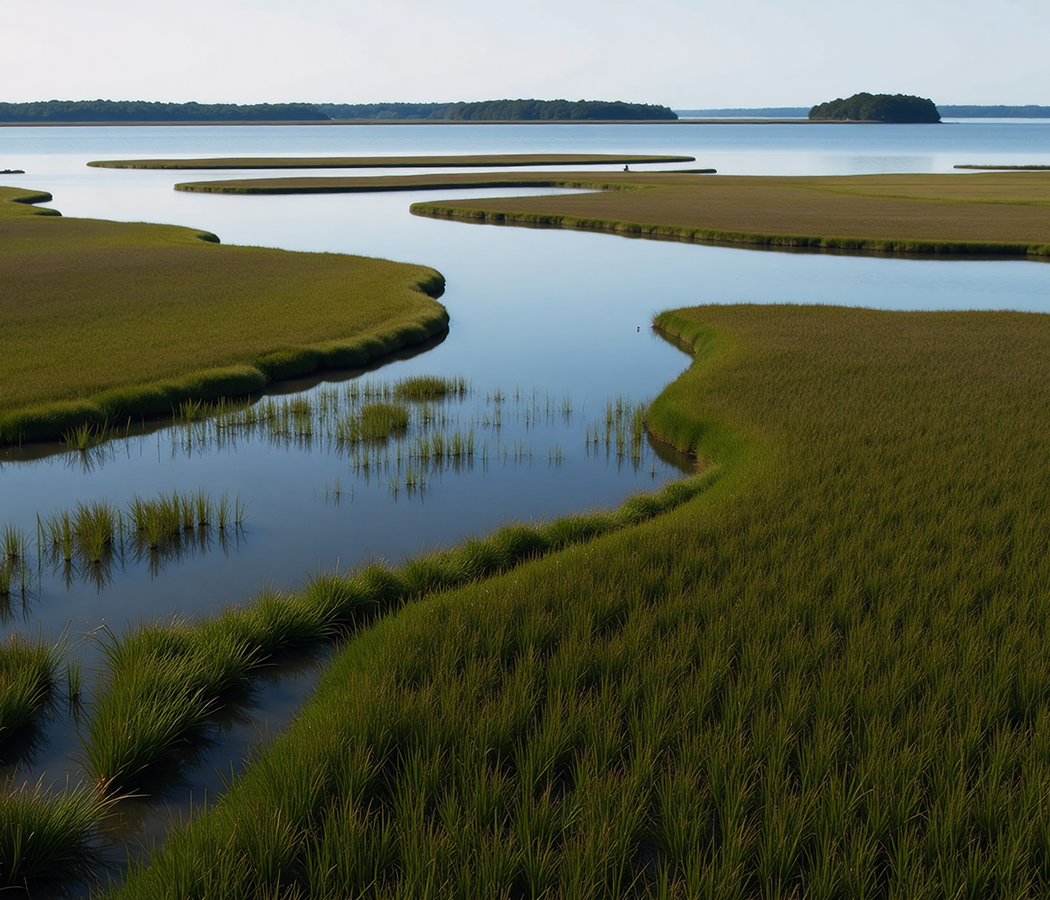
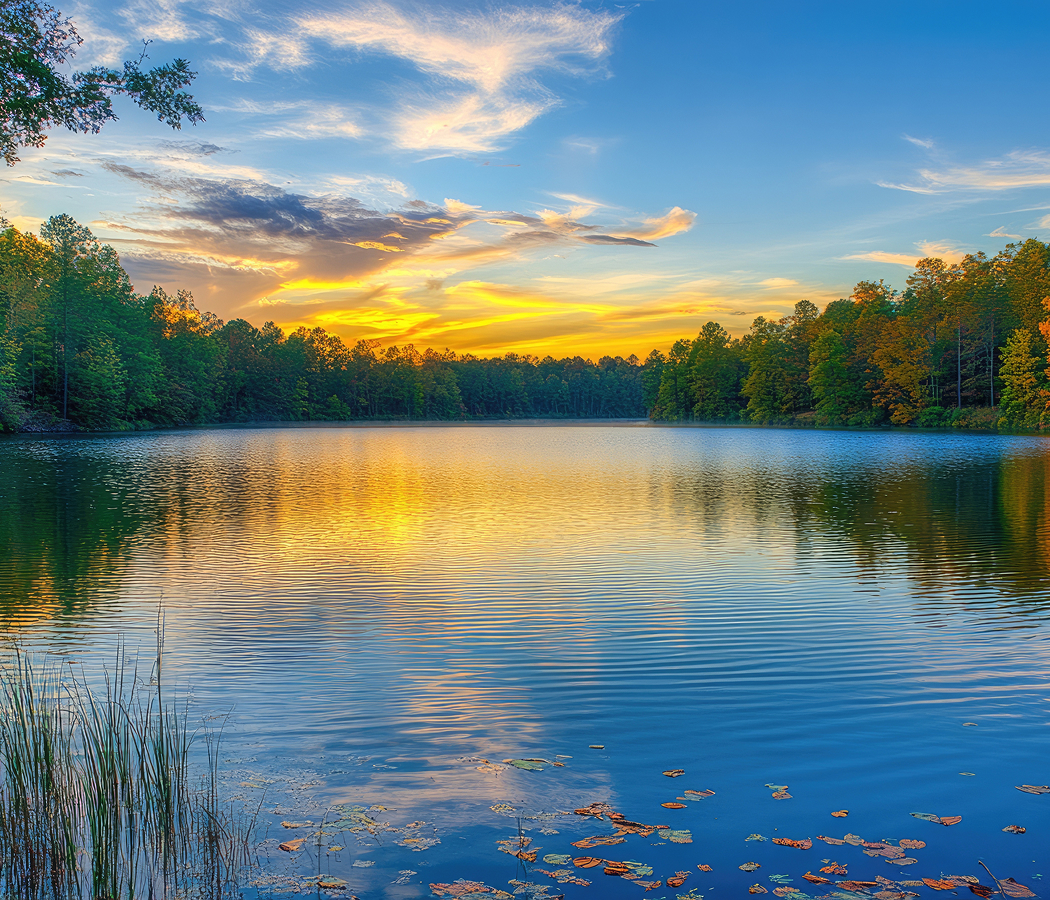
Running through Ridgeland between U.S. Highway 278 and the agricultural countryside west of town, this shaded corridor passes working farms, timberlands, equestrian properties, freshwater ponds, and forested wetlands beneath mature live oaks and longleaf pines that have defined the inland Lowcountry for generations. Broad drainage corridors, native vegetation, and expansive woodland preserve uninterrupted views across a landscape shaped by farming, forestry, and conservation. The result is a corridor where transportation remains closely connected to the natural rhythms of South Carolina's rural interior.
What you should know about Bees Creek Road.
Bees Creek Road is best known as a historic rural roadway following the Bees Creek watershed, a freshwater tributary within the Broad River basin that supports one of Jasper County's extensive systems of wetlands, floodplains, and forested drainage corridors. The route developed during the eighteenth and nineteenth centuries to connect agricultural settlements whose economies centered on timber harvesting, naval stores, livestock production, rice cultivation where conditions permitted, and later diversified farming as improved road networks gradually supplemented river transportation throughout the Lowcountry. Today the corridor links family farms, managed timberlands, equestrian properties, hunting lands, and rural residences with U.S. Highway 278, providing regional access between Ridgeland, Hardeeville, Bluffton, Interstate 95, and coastal Beaufort County. The surrounding landscape supports longleaf pine communities, mixed hardwood forests, freshwater marshes, seasonal wetlands, white-tailed deer, wild turkey, barred owls, red-shouldered hawks, American alligators, numerous migratory bird species, and healthy riparian habitats maintained through ongoing watershed conservation and responsible forest management practices.
Working farms, managed forests, freshwater wetlands, and family-owned rural properties continue preserving land-use patterns that have characterized inland Jasper County for generations. Seasonal wildflowers, native grasses, hardwood canopies, and wetland vegetation sustain a rich diversity of plant and animal life while supporting healthy freshwater systems that ultimately contribute to the broader Broad River estuary. Agriculture, forestry, and environmental stewardship remain closely interconnected across a countryside that continues reflecting the traditional character of South Carolina's inland Lowcountry.
How to fold Bees Creek Road into your trip.
Bees Creek Road is best experienced through Jasper County's rural heritage and protected natural landscapes.
Begin at Morris Center for Lowcountry Heritage, where exhibits examining Indigenous cultures, Gullah traditions, agriculture, and regional history provide valuable context before exploring the countryside along Bees Creek Road. Continue to Sergeant Jasper Park, where freshwater lakes, woodlands, and walking trails highlight the ecological systems that characterize inland Jasper County. Conclude at Blue Heron Nature Center, where wetlands, native wildlife, and environmental education programs provide a fitting conclusion surrounded by the landscapes that continue defining South Carolina's inland Lowcountry. The progression moves naturally from regional history to preserved natural environments before concluding within an important conservation setting.
Where your story begins.
Foresyte Travel reveals places that feel extraordinary long before you arrive.
Experience premium editorial crafted for luxury travelers.