Why the Lowcountry matters.
The Lowcountry is a storied South Carolina coastal region where tidal landscapes, Gullah heritage, centuries of maritime history, and enduring ecological richness define one of America's most distinctive cultural landscapes.
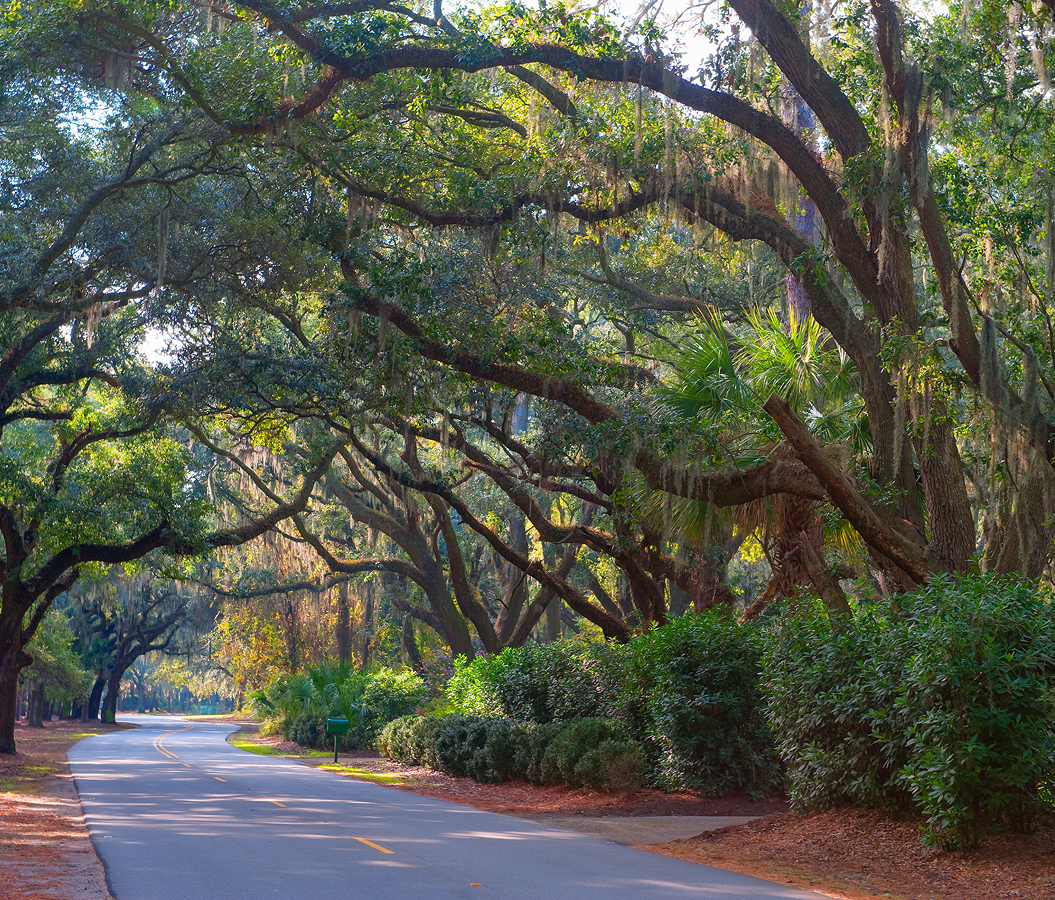
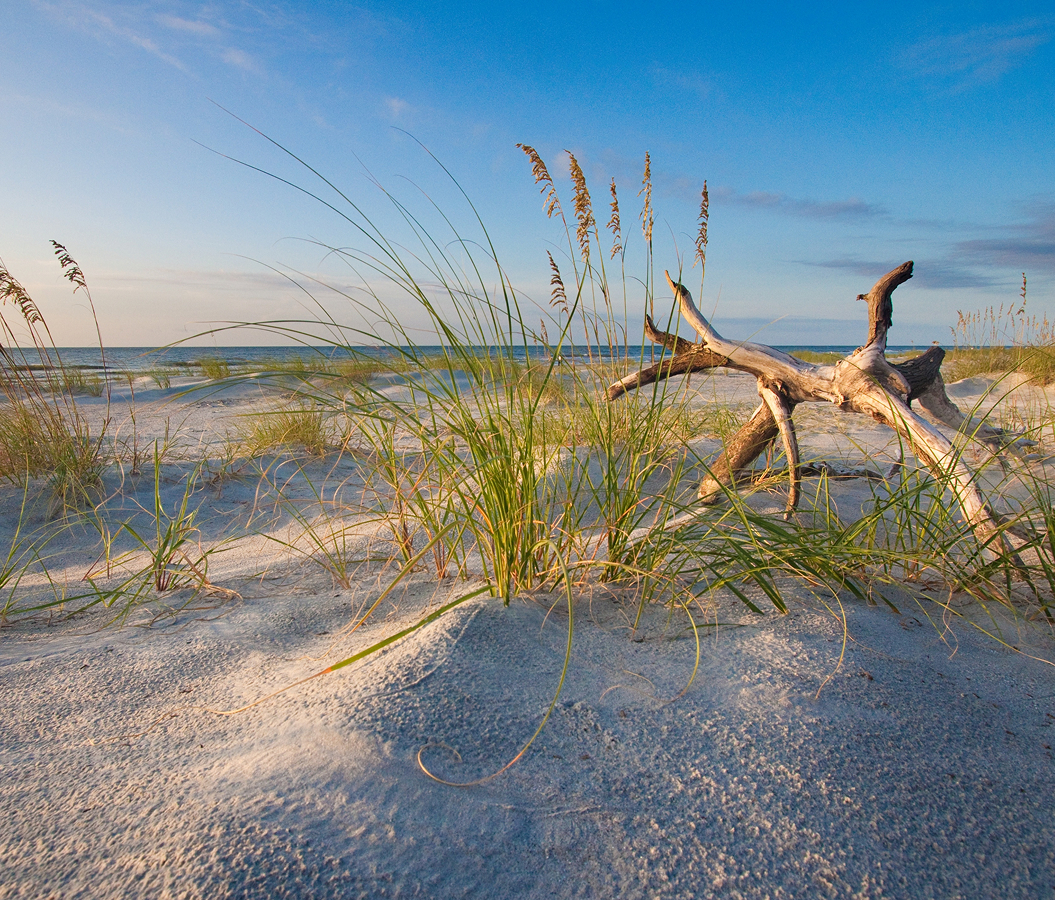
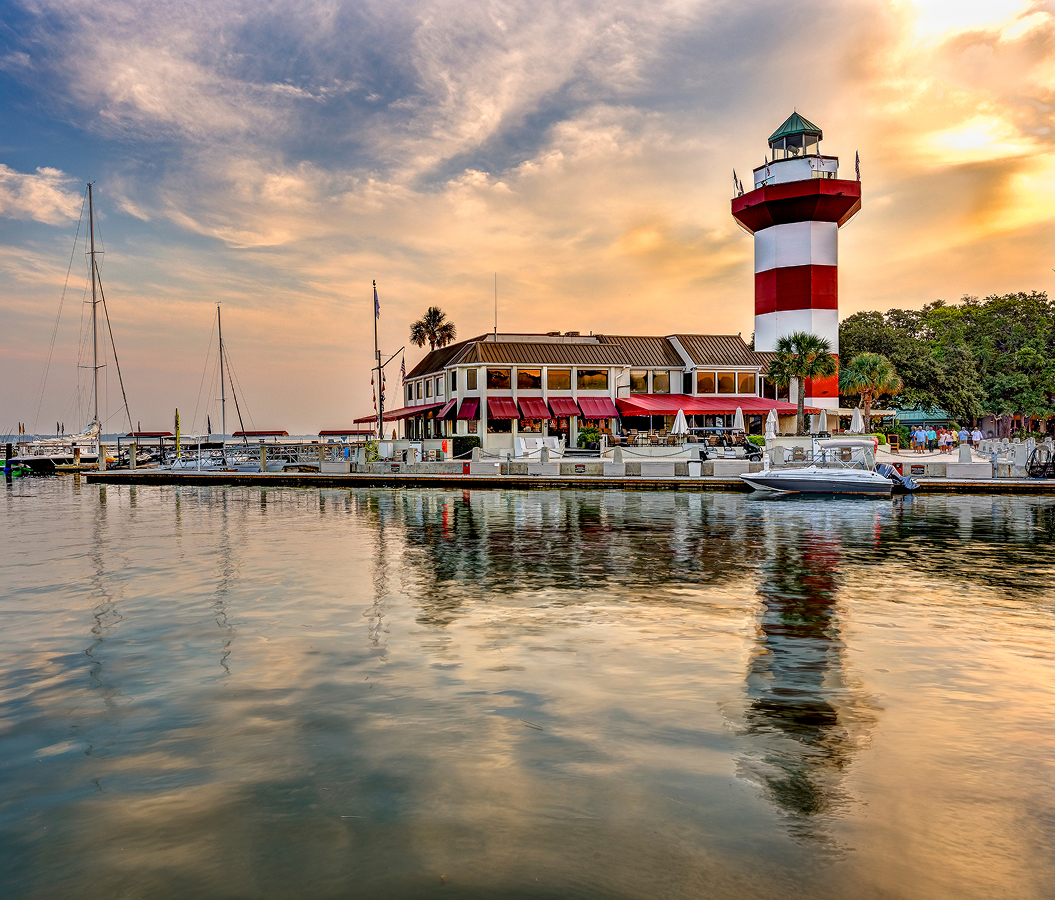
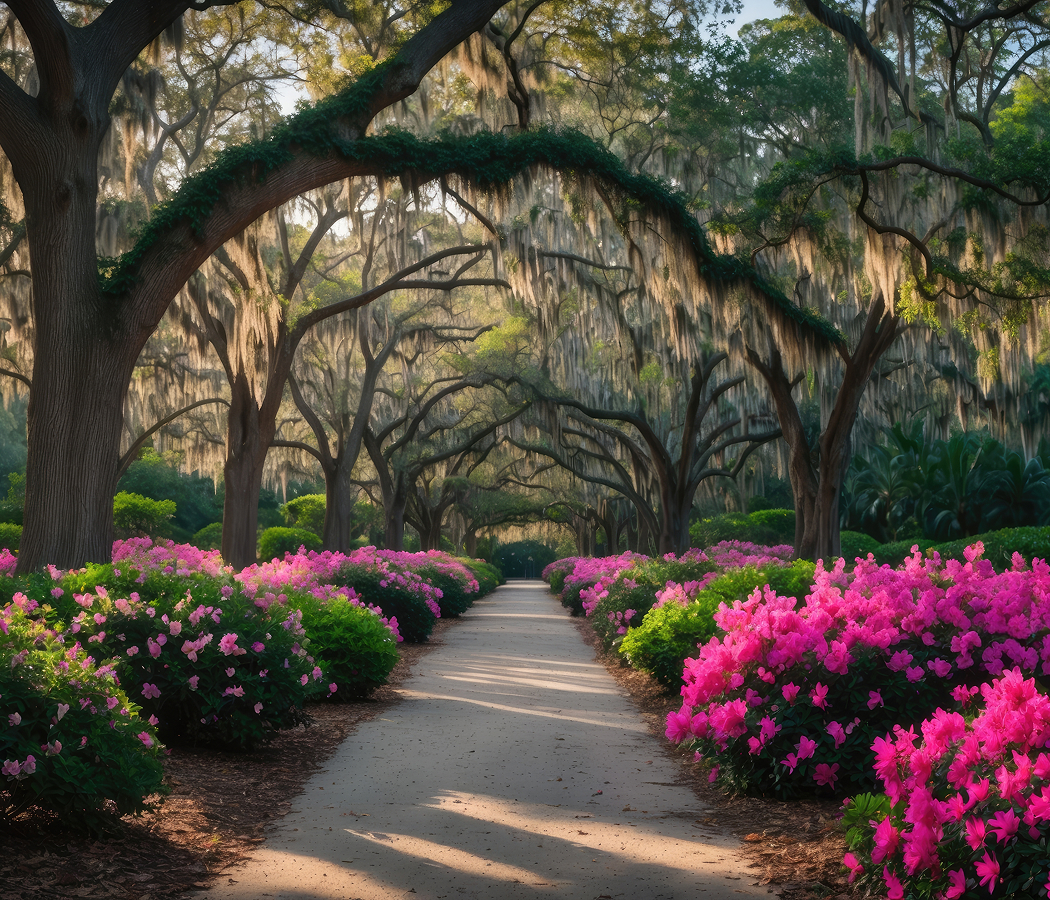
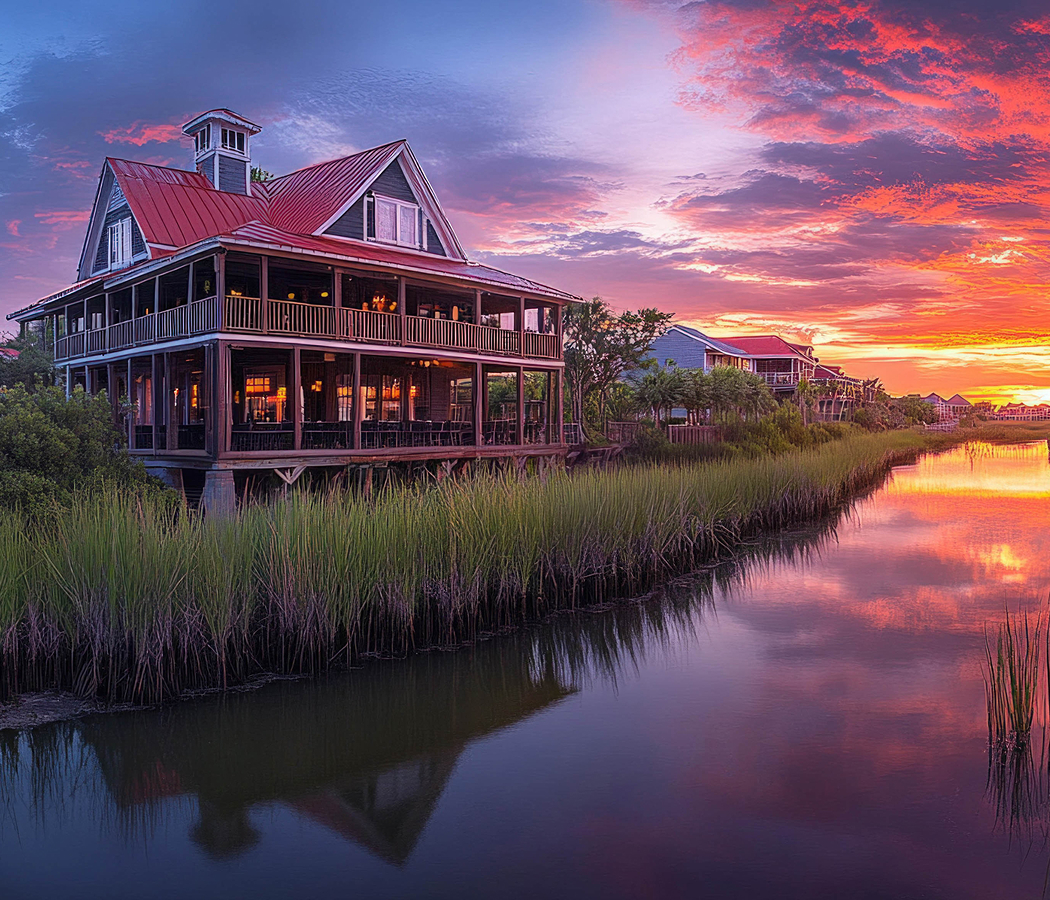
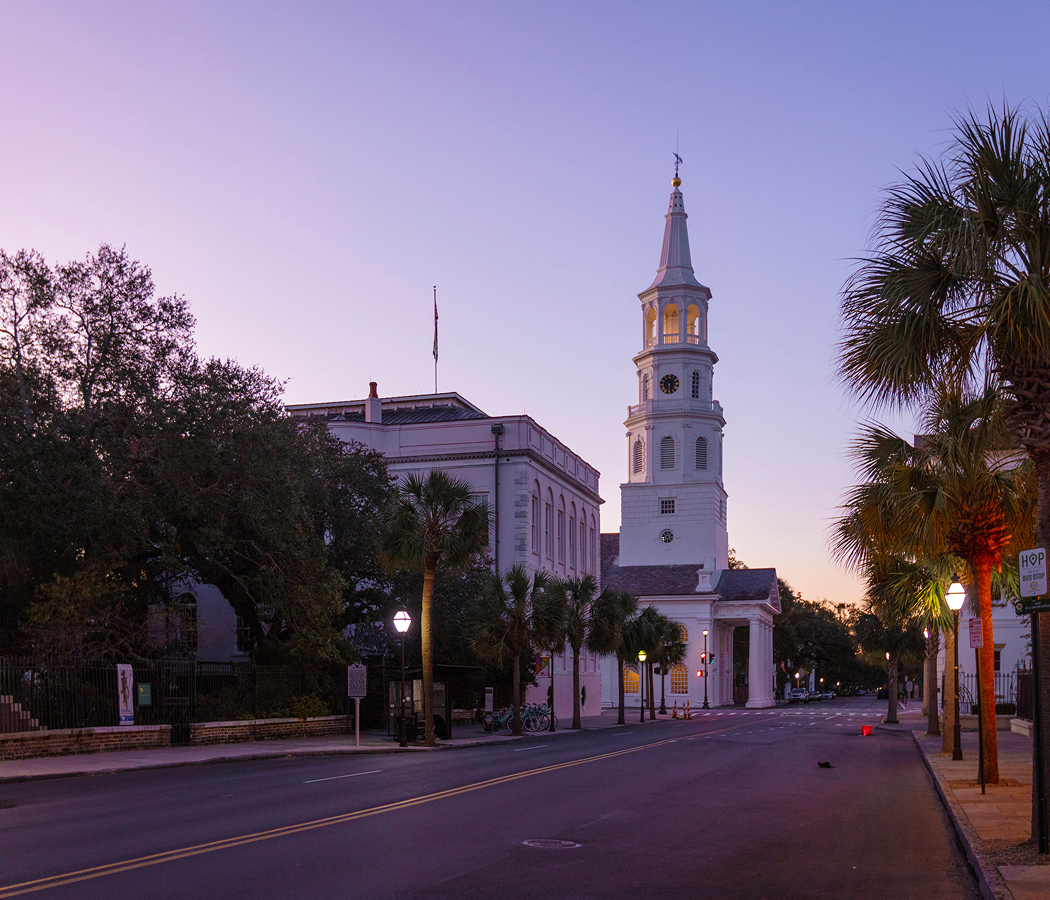
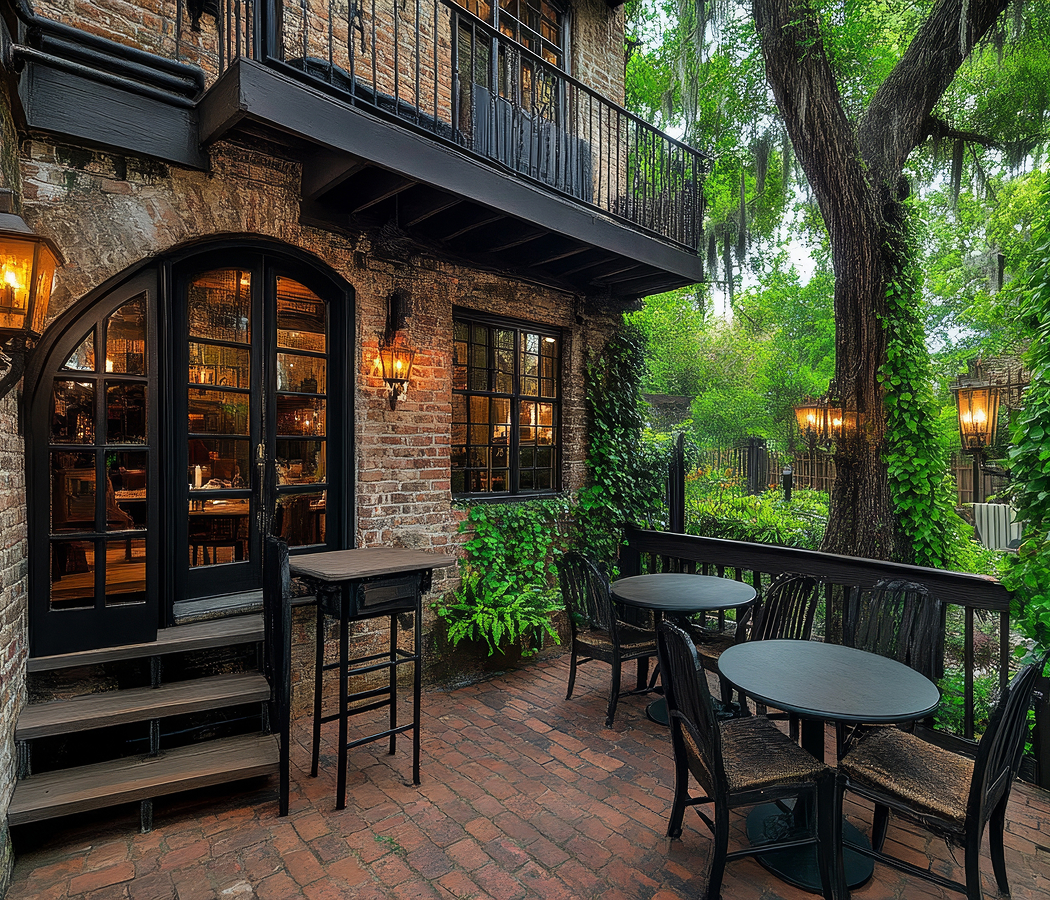
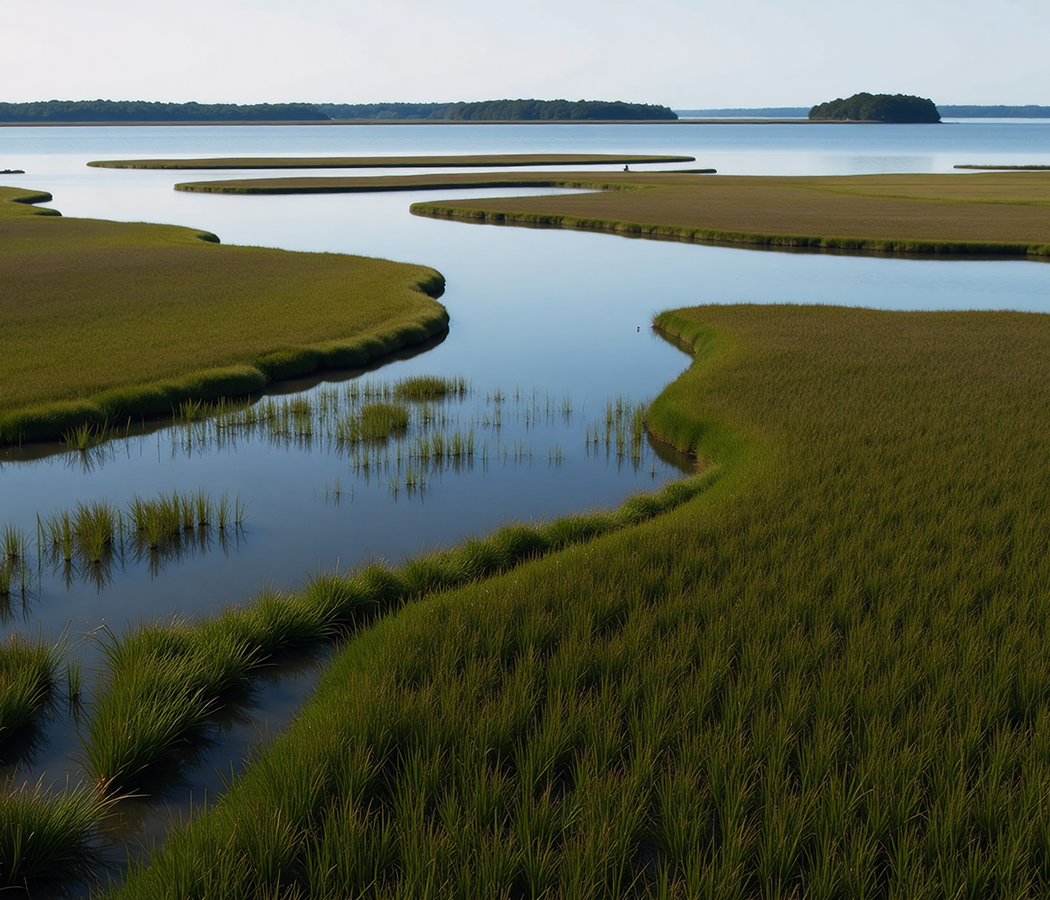
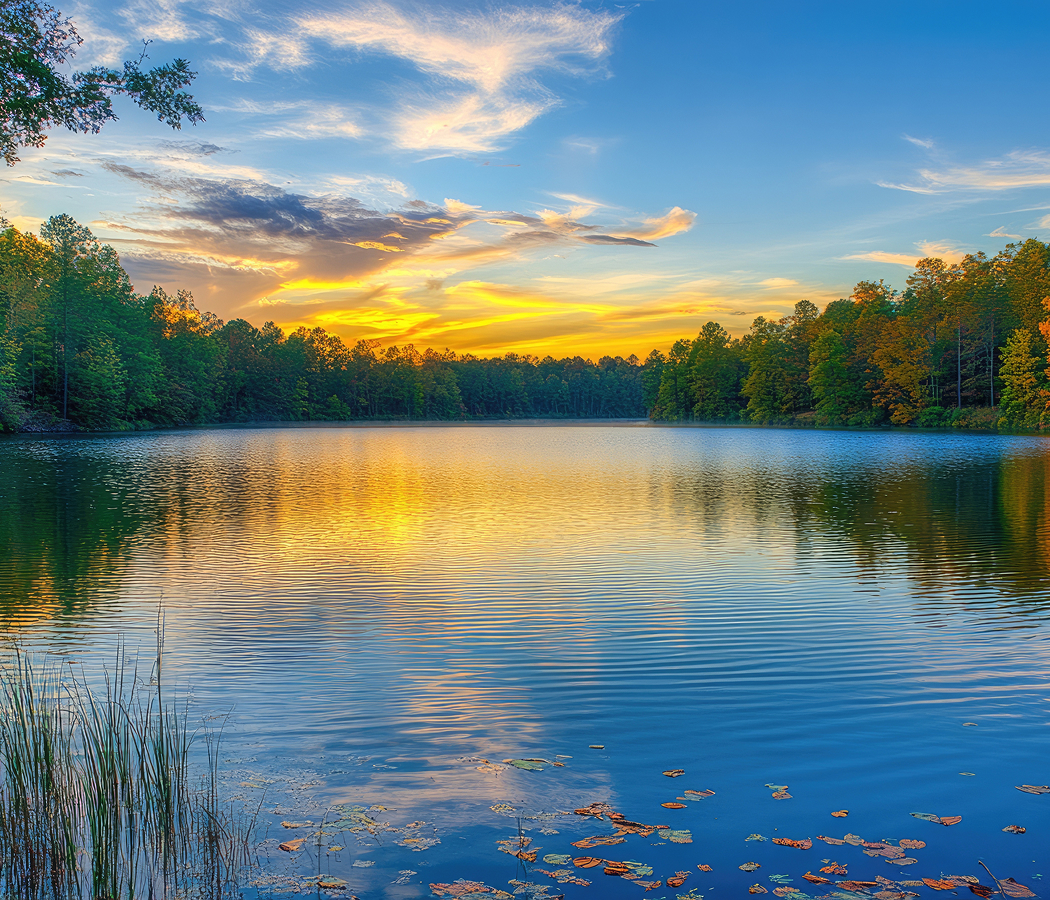
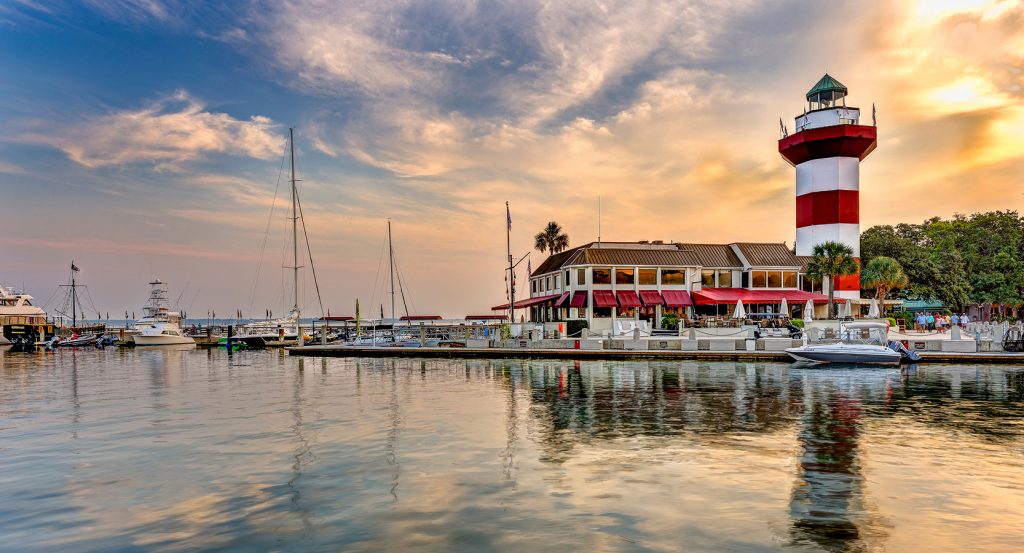
Stretching across the Atlantic coast between the ACE Basin, Beaufort, Hilton Head, Bluffton, and the Savannah River, this expansive coastal region unfolds through winding tidal rivers, salt marshes, maritime forests, sea islands, historic towns, and working waterfronts shaped by generations of human settlement. Vast oyster beds, moss-draped live oaks, winding estuaries, and expansive wetlands create an environment where history and nature remain inseparable. Every community reflects a landscape whose rhythms continue following the tides much as they have for centuries.
What defines the Lowcountry.
The Lowcountry is best known for encompassing one of North America's largest interconnected estuarine landscapes, where thousands of square miles of tidal marshes, barrier islands, maritime forests, blackwater rivers, and coastal plains have shaped Indigenous cultures, colonial settlement, rice cultivation, and the internationally significant Gullah Geechee culture for more than three centuries. The region derives its character from its low elevation above sea level and includes much of South Carolina's Atlantic coastal plain, extending through Beaufort, Colleton, Hampton, Jasper, and portions of Charleston, Berkeley, and Dorchester counties. Beginning during the late seventeenth century, English colonists established prosperous rice and indigo plantations across the region using agricultural knowledge brought by enslaved Africans from the Rice Coast of West Africa, creating one of colonial America's wealthiest economies while laying the foundations of the Gullah language, cuisine, music, basketry, spirituality, and oral traditions that continue thriving today. The Lowcountry also encompasses internationally recognized natural resources including the ACE Basin, among the largest undeveloped estuaries on the Atlantic Coast, the 12,000-square-mile Gullah Geechee Cultural Heritage Corridor designated by Congress in 2006, and extensive protected landscapes supporting one of the richest concentrations of biodiversity in the eastern United States. Today the region balances historic preservation, conservation, commercial fishing, oyster harvesting, tourism, and carefully planned coastal development while remaining one of the defining cultural and ecological regions of the American South.
Beyond its historical importance, the Lowcountry supports ecosystems of exceptional biological richness. Salt marshes dominated by smooth cordgrass filter tidal waters while oyster reefs stabilize shorelines and provide habitat for shrimp, blue crabs, red drum, bottlenose dolphins, loggerhead sea turtles, wood storks, roseate spoonbills, bald eagles, painted buntings, and hundreds of migratory bird species traveling the Atlantic Flyway. Historic towns, working docks, freshwater swamps, maritime forests, and barrier islands remain closely connected through these tidal systems, reinforcing a regional character where culture, ecology, and coastal life continue evolving together across one of America's most distinctive landscapes.
How the Lowcountry fits.
The Lowcountry works as an exploration through South Carolina's tidal landscapes, historic communities, and coastal heritage.
Begin at Coastal Discovery Museum, where exhibits introduce the ecology and history that define the Lowcountry before exploring its rivers, marshes, and historic communities. Continue to Old Town Bluffton, whose preserved streets, galleries, and May River waterfront embody generations of Lowcountry culture and craftsmanship. Conclude at Hunting Island State Park, where maritime forests, Atlantic beaches, and one of South Carolina's most celebrated coastal landscapes provide a fitting finale. The progression moves naturally from environmental discovery to historic community before concluding beside the Atlantic Ocean, revealing why the Lowcountry remains one of America's most compelling coastal regions.
Where your story begins.
Foresyte Travel reveals places that feel extraordinary long before you arrive.
Enjoy editorial crafted for luxury travelers.
Foresyte may earn a commission when you book.