Why Beaufort matters.
Beaufort is a South Carolina Lowcountry historic waterfront city where antebellum architecture, Gullah heritage, maritime history, and three centuries of coastal life have shaped one of America's most enduring communities.
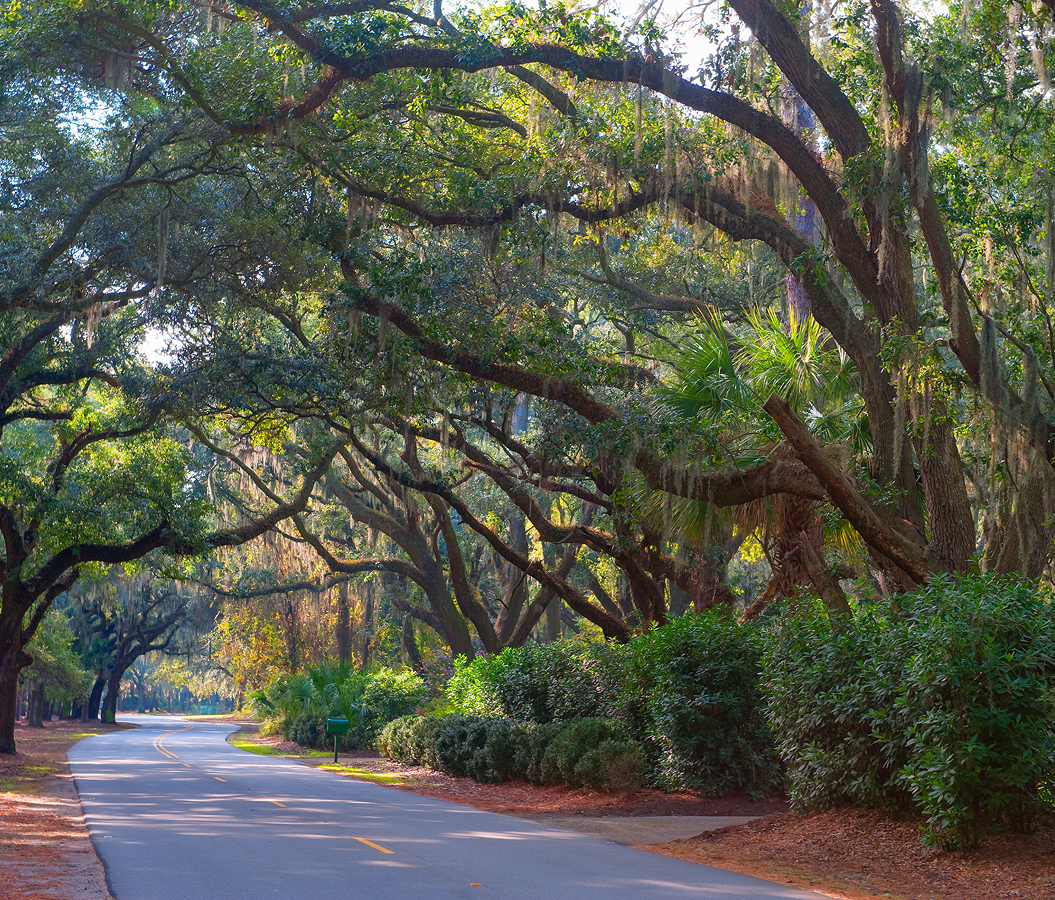
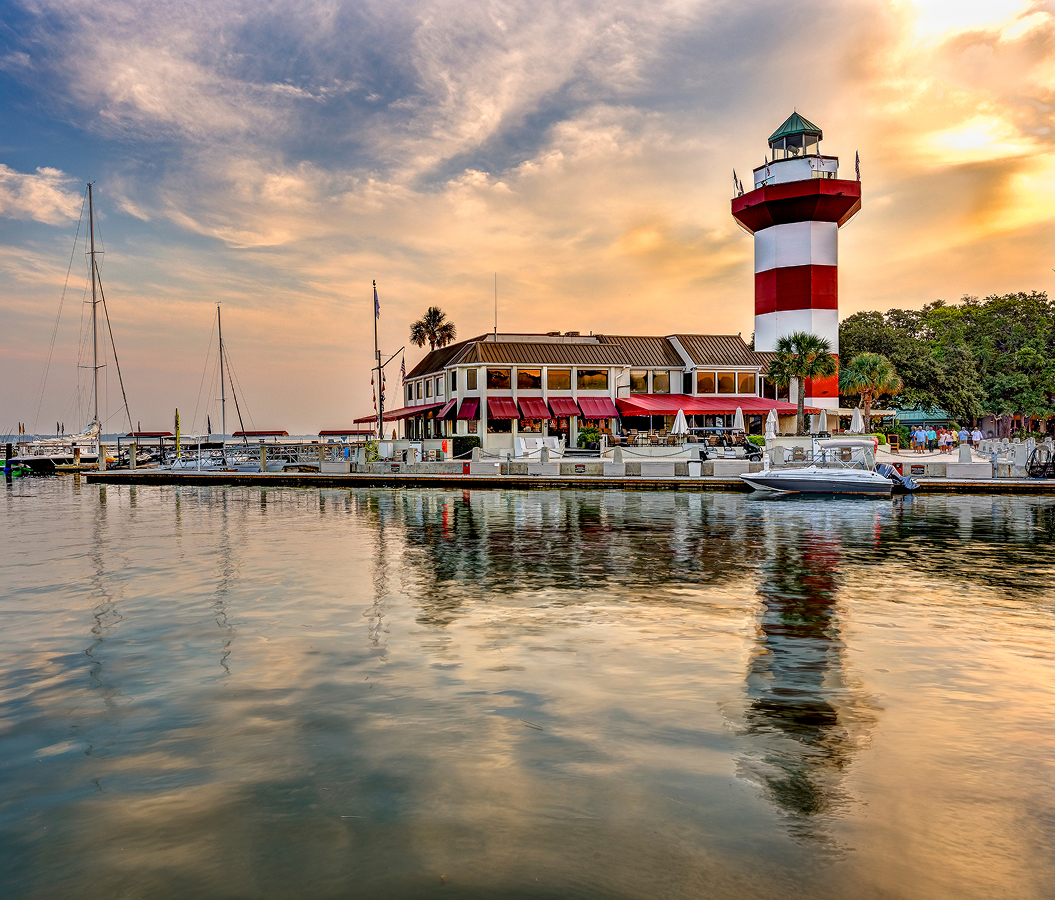
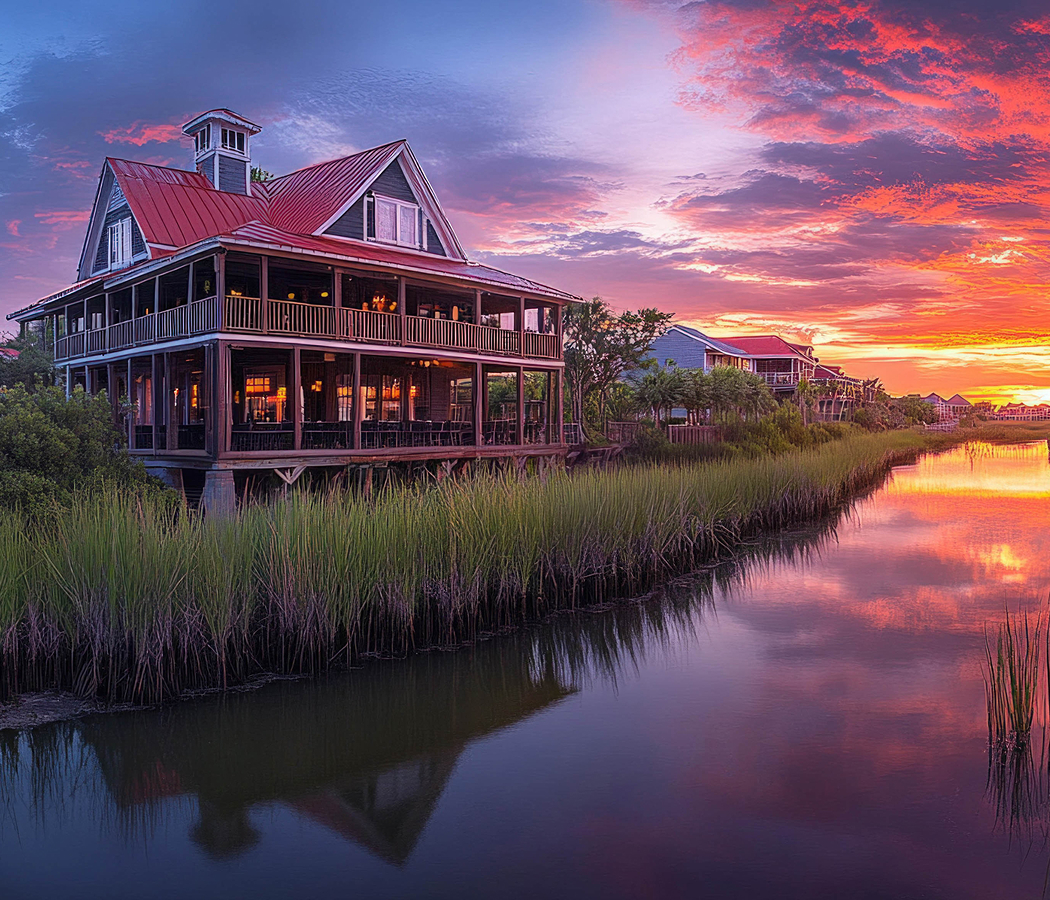
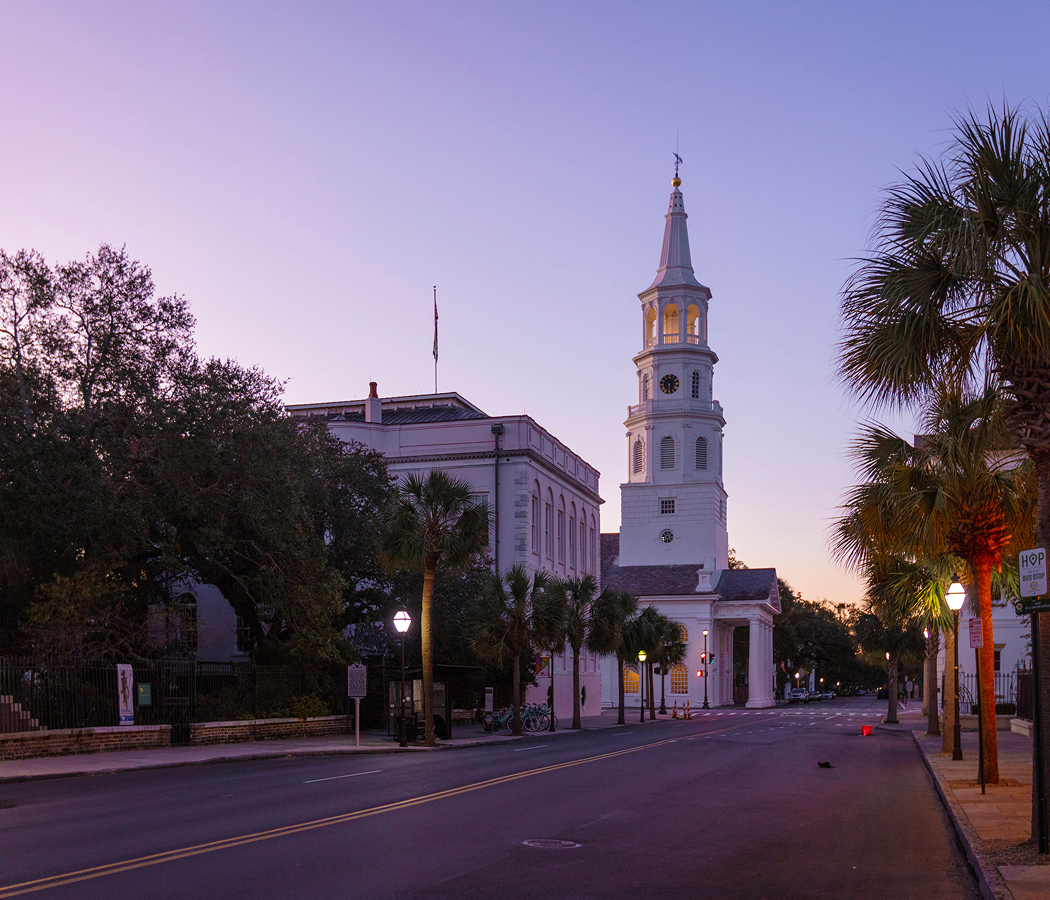
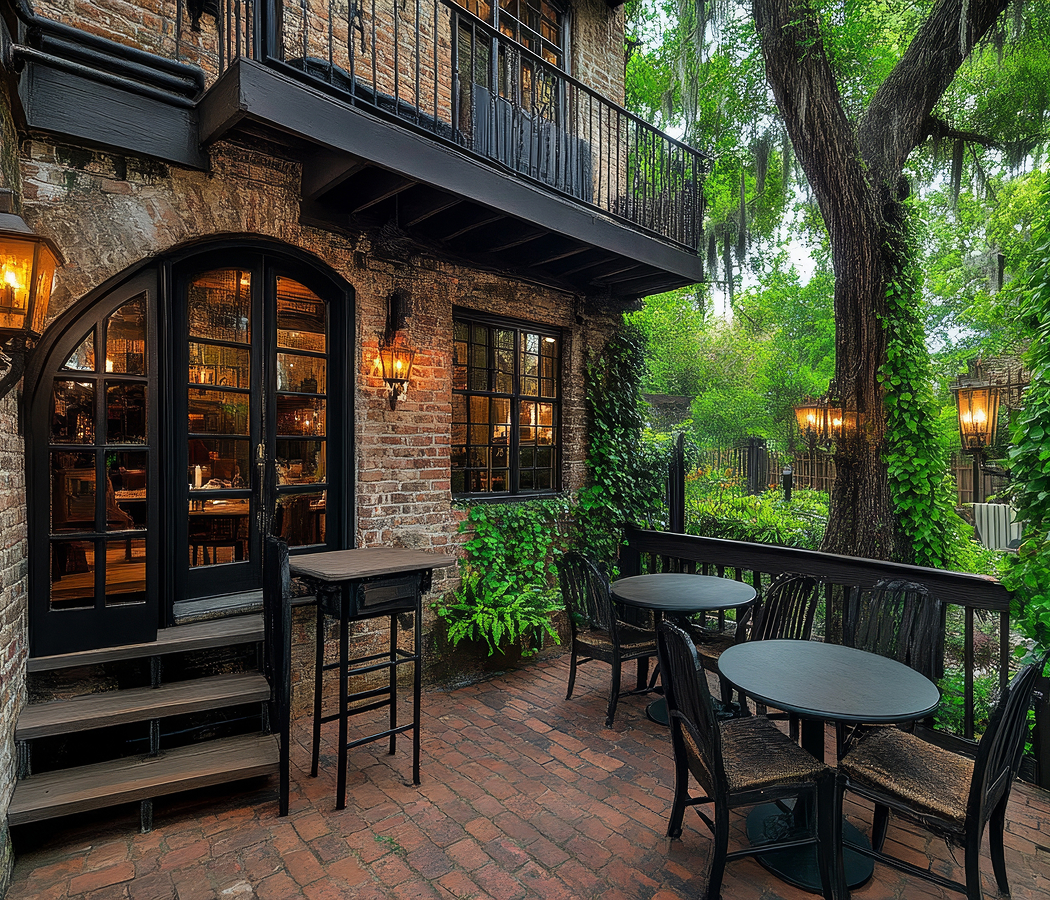
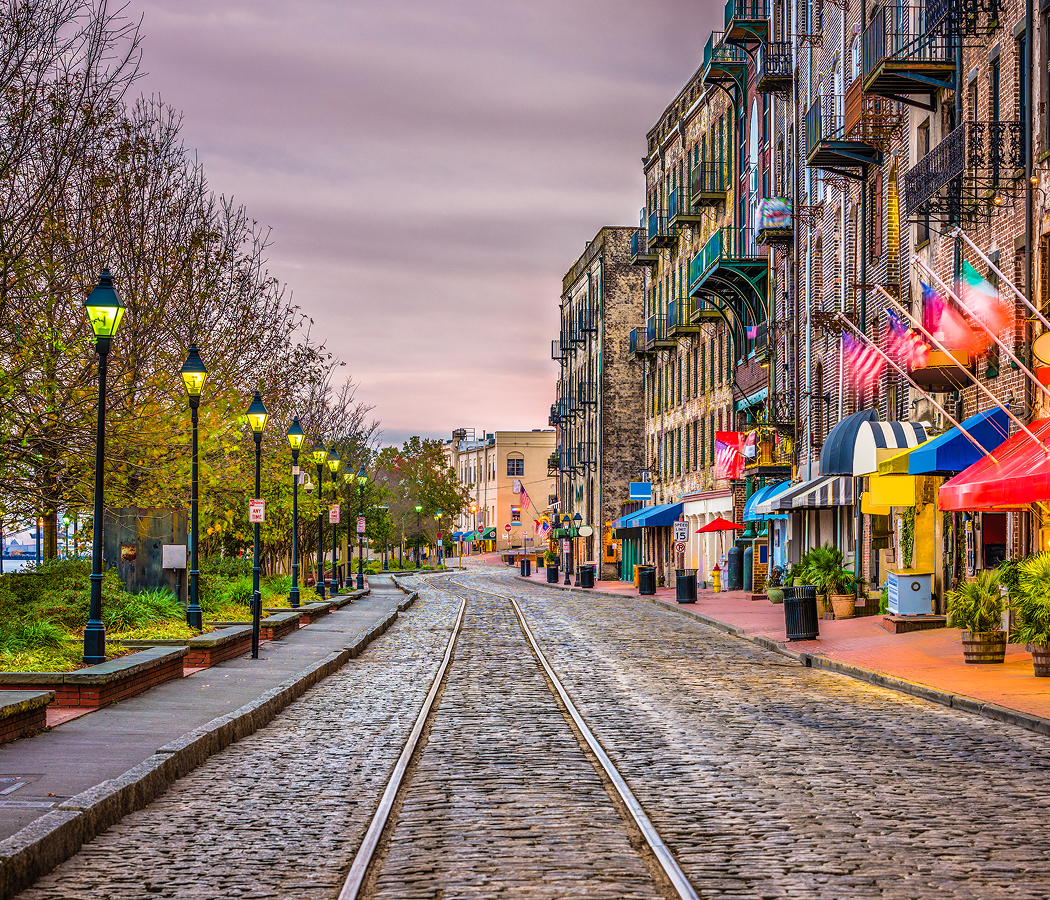
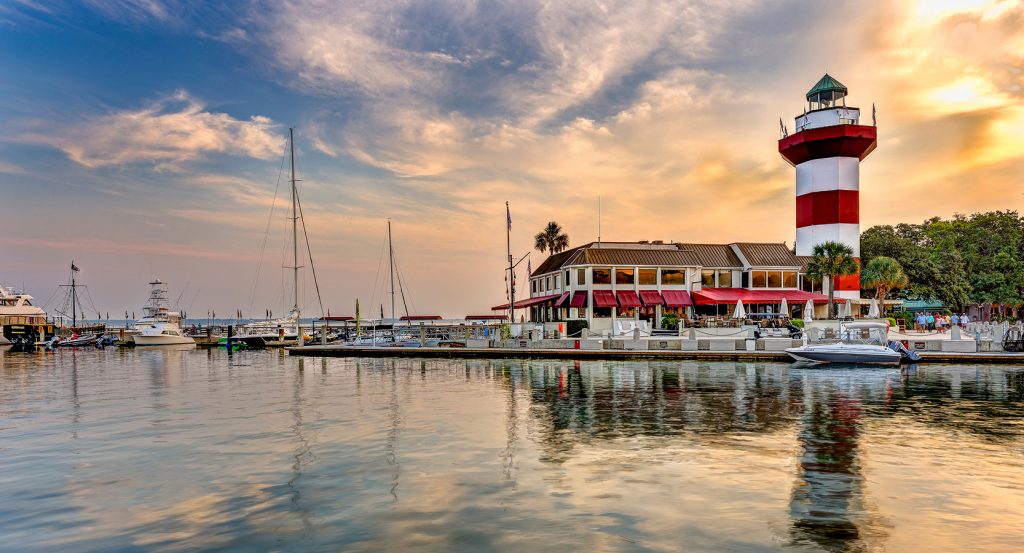
Positioned between Port Royal, Lady's Island, and the Sea Islands along the Beaufort River and Port Royal Sound, this riverfront city unfolds through oak-canopied streets, preserved eighteenth- and nineteenth-century homes, church steeples, waterfront parks, tidal marshes, and deep-water docks that reveal generations of cultural and economic life along the Atlantic coast. The surrounding estuary has sustained Indigenous communities, colonial merchants, Sea Island planters, Gullah families, commercial fishermen, and military installations whose collective legacy continues defining Beaufort today. Every riverfront vista, shaded square, and historic streetscape reflects a city where coastal geography and American history have remained inseparable for more than three centuries.
What defines Beaufort.
Beaufort is best known for being founded in 1711, making it South Carolina's second-oldest city after Charleston, and for preserving one of the nation's largest concentrations of antebellum architecture within the Beaufort Historic District, a National Historic Landmark encompassing hundreds of historically significant buildings that survived largely intact after Union forces occupied the city in November 1861. Named for Henry Somerset, 2nd Duke of Beaufort, the settlement quickly developed into an important center of rice, indigo, Sea Island cotton, and Atlantic commerce supported by one of the East Coast's richest estuarine environments. Following Union occupation, Beaufort became the focal point of the Port Royal Experiment, among the earliest large-scale efforts preparing formerly enslaved people for freedom through education, wage labor, land ownership, and self-governance, while nearby Penn Center on St. Helena Island evolved into one of the first schools established for formerly enslaved African Americans and later served as an important meeting place during the Civil Rights Movement. Beaufort also shares a longstanding relationship with Marine Corps Recruit Depot Parris Island, established in 1915, where more than one million United States Marines have completed recruit training. The city's architectural character, waterfront setting, and preserved historic neighborhoods have attracted filmmakers for decades, serving as locations for productions including The Big Chill, The Prince of Tides, Forrest Gump, The Great Santini, and G.I. Jane, further reinforcing Beaufort's national cultural profile.
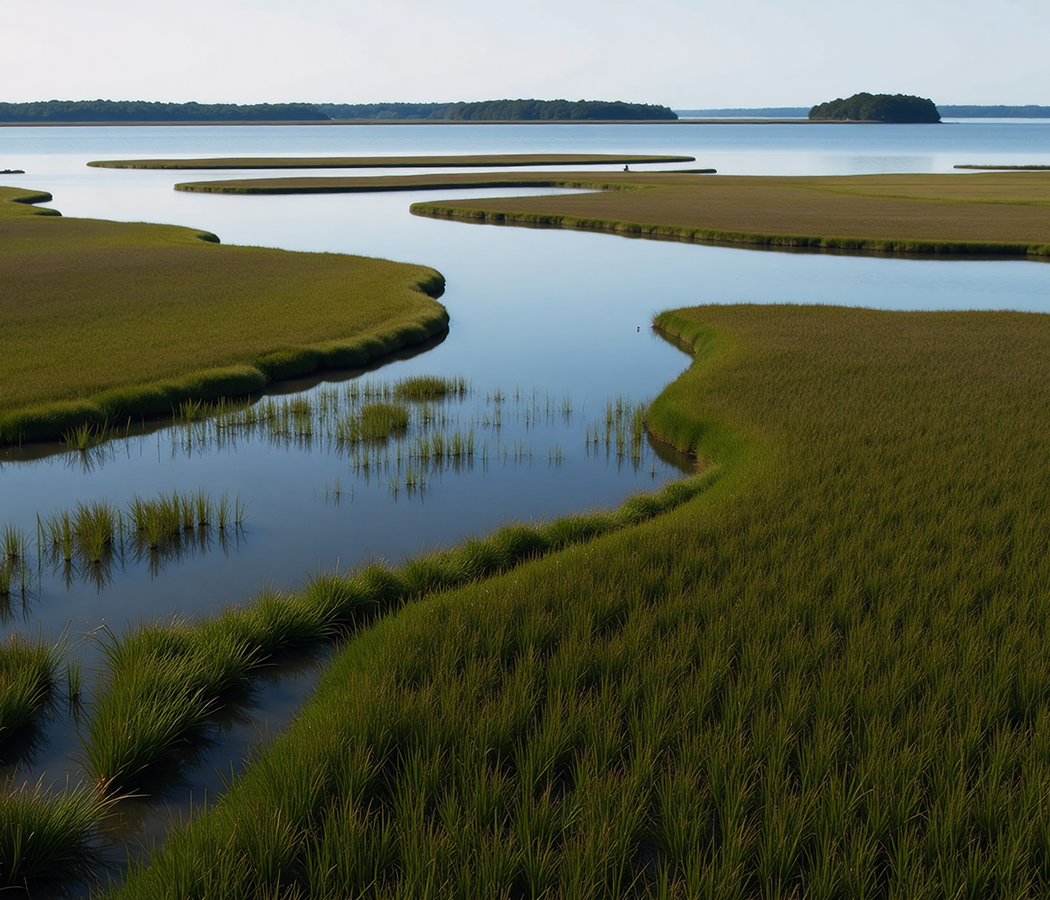
The Beaufort River and Port Royal Sound continue shaping every aspect of the city's identity. Their expansive tidal marshes support oysters, shrimp, blue crabs, bottlenose dolphins, red drum, migratory shorebirds, and one of the Atlantic seaboard's most biologically productive estuarine ecosystems. Historic churches, waterfront mansions, museums, public gardens, and preserved commercial buildings reflect centuries of prosperity generated by maritime trade and Sea Island agriculture, while nearby Gullah communities continue preserving language, cuisine, storytelling, music, basketmaking, and cultural traditions rooted in West African heritage. Together, these environmental, historical, and cultural resources establish Beaufort as one of the South Carolina Lowcountry's most significant waterfront cities.
How Beaufort fits.
Beaufort works as an exploration of the Lowcountry's waterfront history, architectural heritage, and coastal culture.
Begin at Henry C. Chambers Waterfront Park, where sweeping views across the Beaufort River establish the city's enduring maritime character before exploring the surrounding historic streets. Continue to John Mark Verdier House Museum, whose beautifully preserved Federal-style residence offers insight into the prosperity generated by Beaufort's antebellum Sea Island cotton economy. Conclude at St. Helena's Anglican Church, where one of the oldest continuously active churches in North America provides a meaningful finale celebrating the faith, history, and architectural legacy that have shaped Beaufort for generations. The progression moves naturally from riverfront to historic residence before concluding at one of the city's oldest sacred institutions, revealing why Beaufort remains among the South Carolina coast's most compelling historic communities.
Where your story begins.
Foresyte Travel reveals places that feel extraordinary long before you arrive.
Enjoy editorial crafted for luxury travelers.
Foresyte may earn a commission when you book.