Why St. Helena Island matters.
St. Helena Island is a profoundly historic Sea Islands community where Gullah culture, Reconstruction history, and centuries of Lowcountry resilience preserve one of the most culturally significant landscapes in the United States.
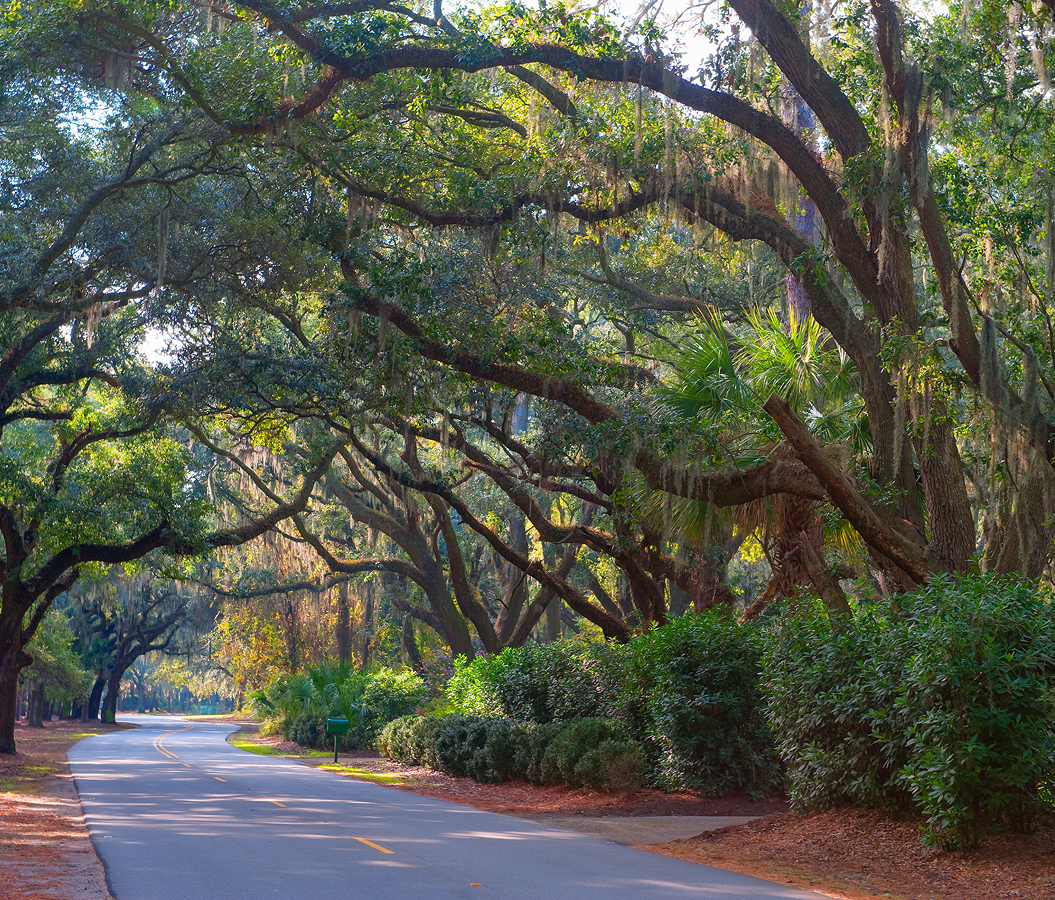
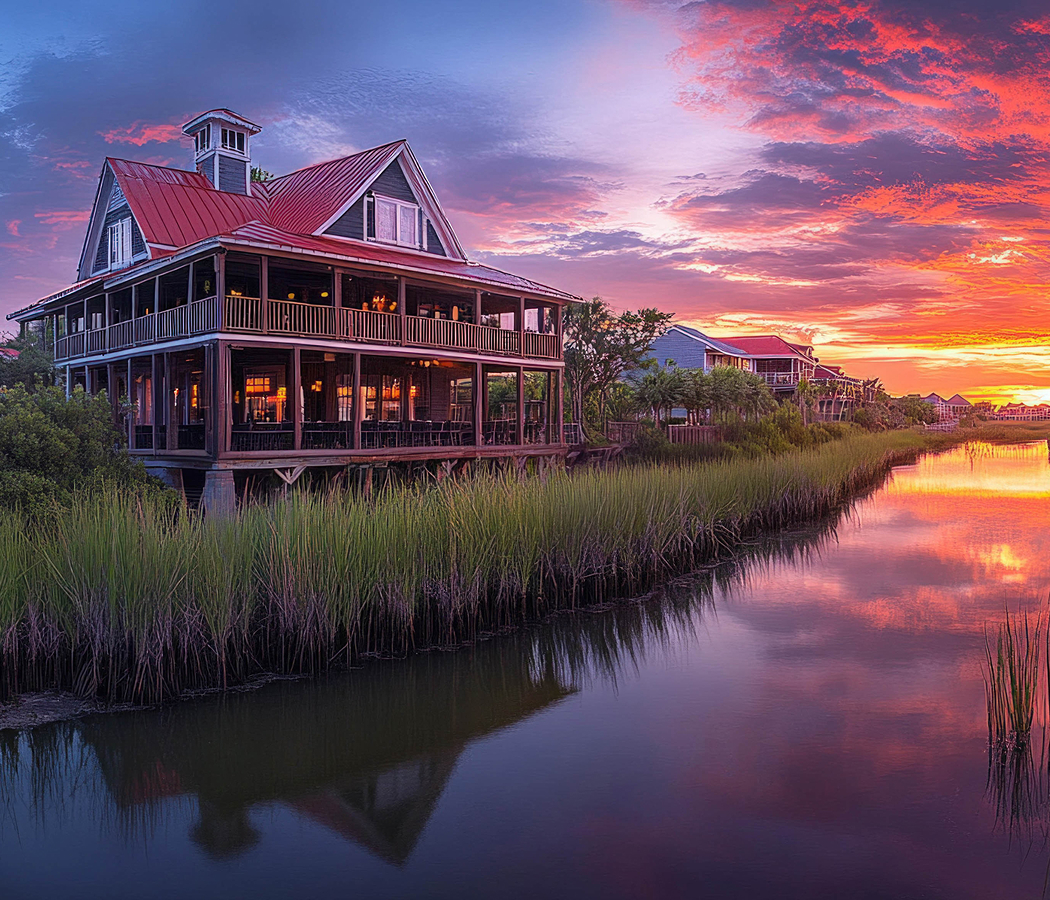
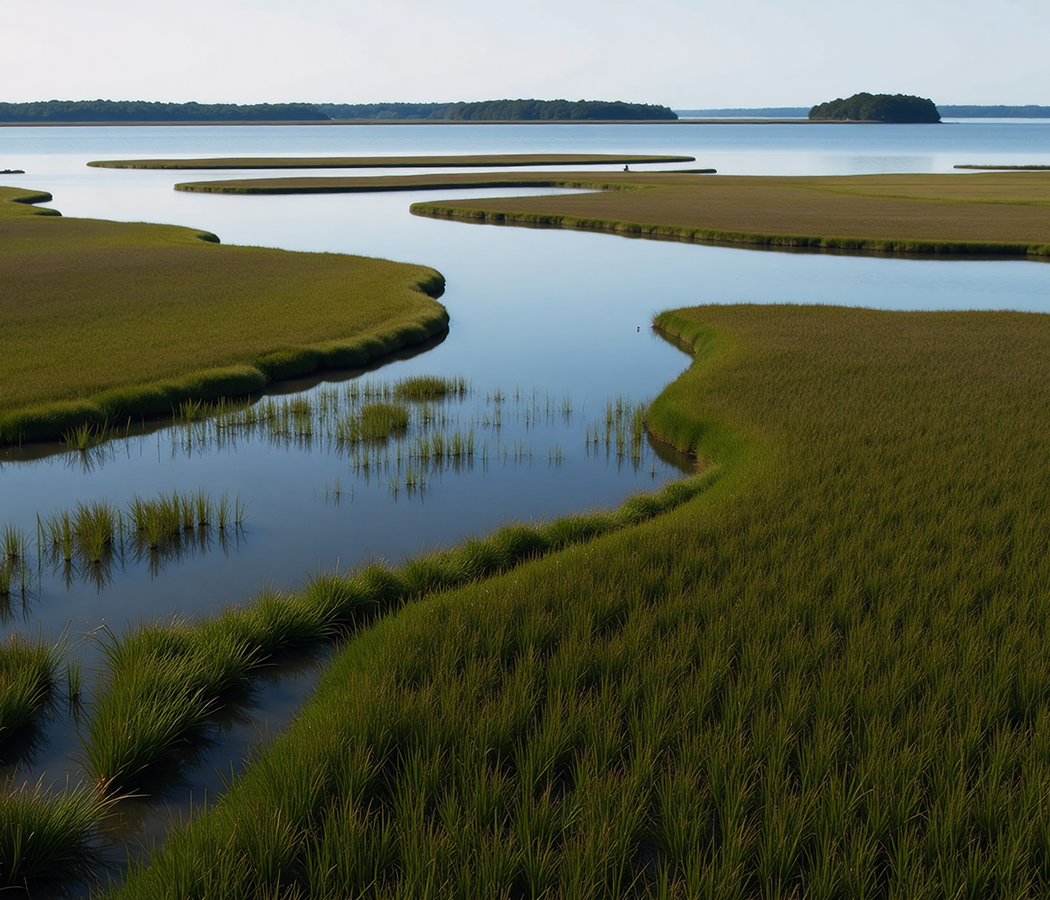
Positioned between Lady's Island, Harbor Island, and Hunting Island, this expansive barrier island unfolds through tidal marshes, centuries-old live oaks, working farms, quiet waterfront communities, and historic churches that continue sustaining traditions rooted in West African heritage and the enduring legacy of the Gullah people. Every winding road reveals another chapter of South Carolina's coastal story as antebellum landmarks, praise houses, family-owned seafood businesses, and protected natural landscapes coexist within a community whose cultural character has remained remarkably intact across generations. The rhythms of the tides, the cadence of oral tradition, and the remarkable continuity of everyday life transform the island into a living expression of the Lowcountry unlike anywhere else along the Atlantic coast. The result is a destination defined by extraordinary cultural continuity, remarkable historical significance, and one of America's most authentic Gullah communities.
What defines St. Helena Island.
St. Helena Island is best known for preserving one of the nation's largest and most intact Gullah communities while serving as a defining landscape of the Port Royal Experiment, the unprecedented Reconstruction initiative launched in 1861 after Union forces captured the Sea Islands, allowing formerly enslaved people to establish self-governed communities, acquire land, build schools, and lay the foundations for African American self-determination decades before emancipation spread across the South. Home to the internationally acclaimed Penn Center, established in 1862 as the Penn School by Northern missionaries Laura Matilda Towne and Ellen Murray as one of the first schools in the South created for formerly enslaved children, the island later became a National Historic Landmark District where Dr. Martin Luther King Jr. and leaders of the Southern Christian Leadership Conference gathered during the Civil Rights Movement to develop strategy, while generations of Gullah families preserved distinctive language, craftsmanship, music, foodways, agriculture, and oral traditions recognized today as nationally significant cultural heritage. Encompassing 64 square miles, the island remains defined by working waterfronts, sea island cotton history, oyster harvesting, sweetgrass traditions, praise houses, and landscapes shaped by centuries of rice and indigo cultivation that continue illustrating the profound relationship between African cultural traditions and the South Carolina Lowcountry.
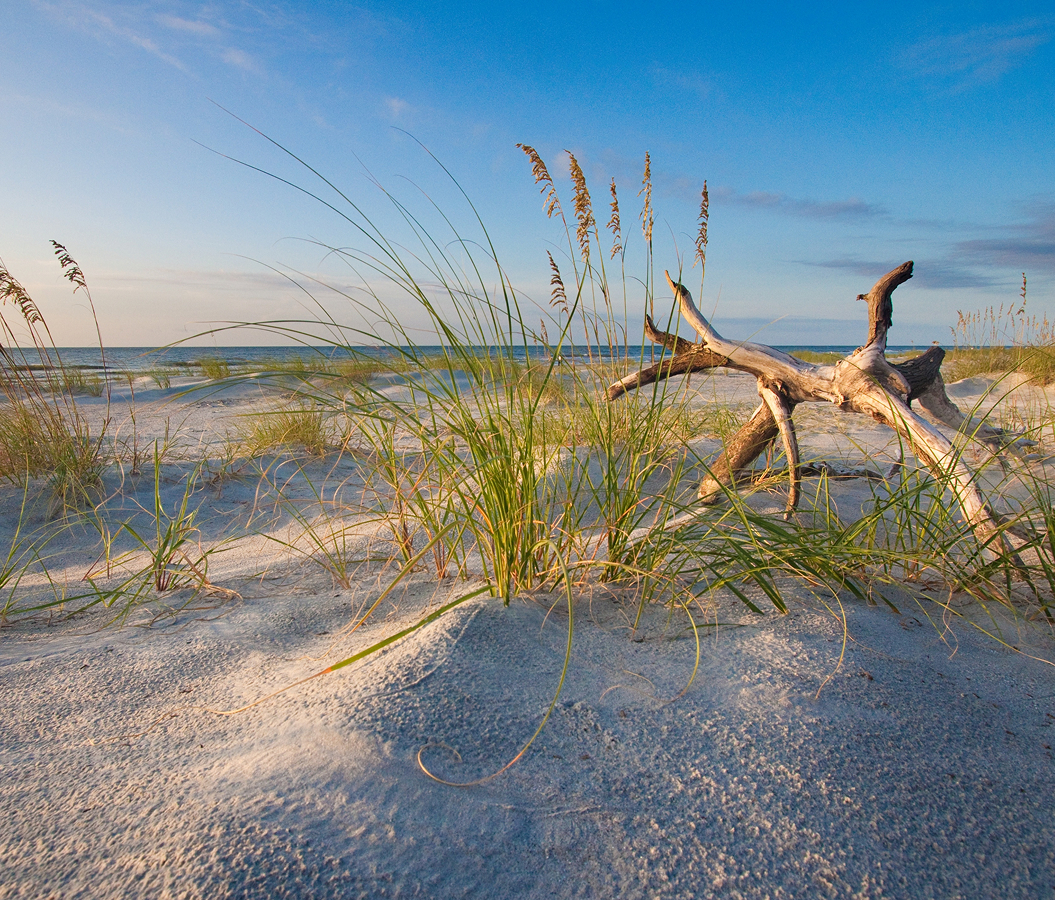
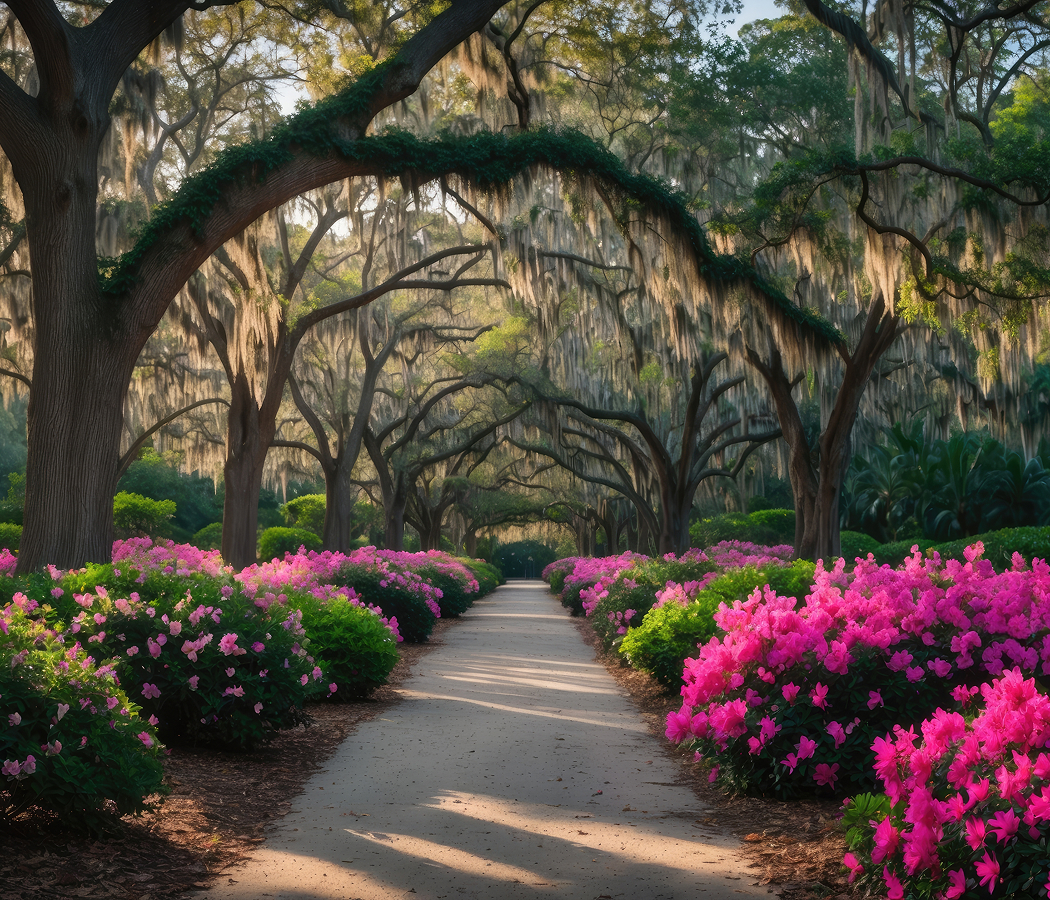
Historic churches, family cemeteries, tidal creeks, and maritime forests remain deeply interwoven with everyday life, reinforcing a cultural landscape that extends far beyond individual historic sites. Community institutions continue celebrating Gullah storytelling, basketry, music, cuisine, and environmental stewardship while conservation initiatives safeguard the island's rural character against widespread coastal development. Every community, shoreline, and oak-lined roadway demonstrates how cultural preservation, historical memory, and environmental stewardship have combined to sustain one of America's most important living heritage landscapes.
How St. Helena Island fits.
St. Helena Island works as an immersive exploration through the birthplace of the Port Royal Experiment, Gullah heritage, and the extraordinary landscapes of the Sea Islands.
Begin at Penn Center, where one of America's most significant African American historic sites introduces the remarkable educational, cultural, and Civil Rights legacy that defines the island before exploring the surrounding communities. Continue to Chapel of Ease at St. Helena's, whose evocative tabby ruins preserve one of the Lowcountry's most recognizable colonial landmarks while illustrating the island's centuries of ecclesiastical history. Conclude at Fort Fremont Preserve, where sweeping views across the Beaufort River, preserved Spanish-American War fortifications, and expansive coastal scenery provide a memorable finale celebrating the military, cultural, and environmental history that defines this remarkable corner of the South Carolina Lowcountry. The progression moves naturally from nationally significant cultural history to colonial preservation before concluding beside one of the Sea Islands' most scenic waterfront landscapes, revealing why St. Helena Island remains one of America's most extraordinary destinations for understanding Gullah heritage and the enduring legacy of Reconstruction.
Where your story begins.
Foresyte Travel reveals places that feel extraordinary long before you arrive.
Enjoy editorial crafted for luxury travelers.
Foresyte may earn a commission when you book.