Why Hunting Island State Park matters.
Hunting Island State Park is South Carolina's most visited state park, where St. Helena Island's barrier island landscapes, maritime forests, and Atlantic shoreline preserve one of the Southeast's most ecologically significant coastal environments.
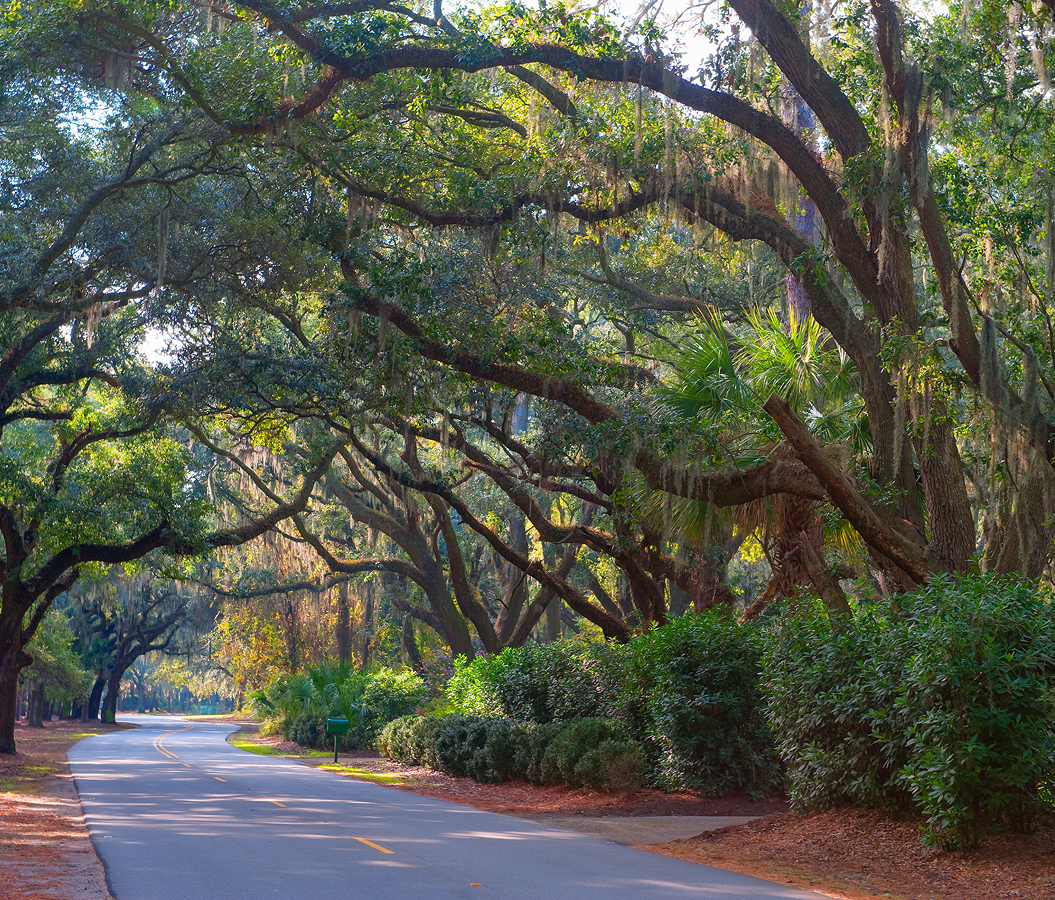
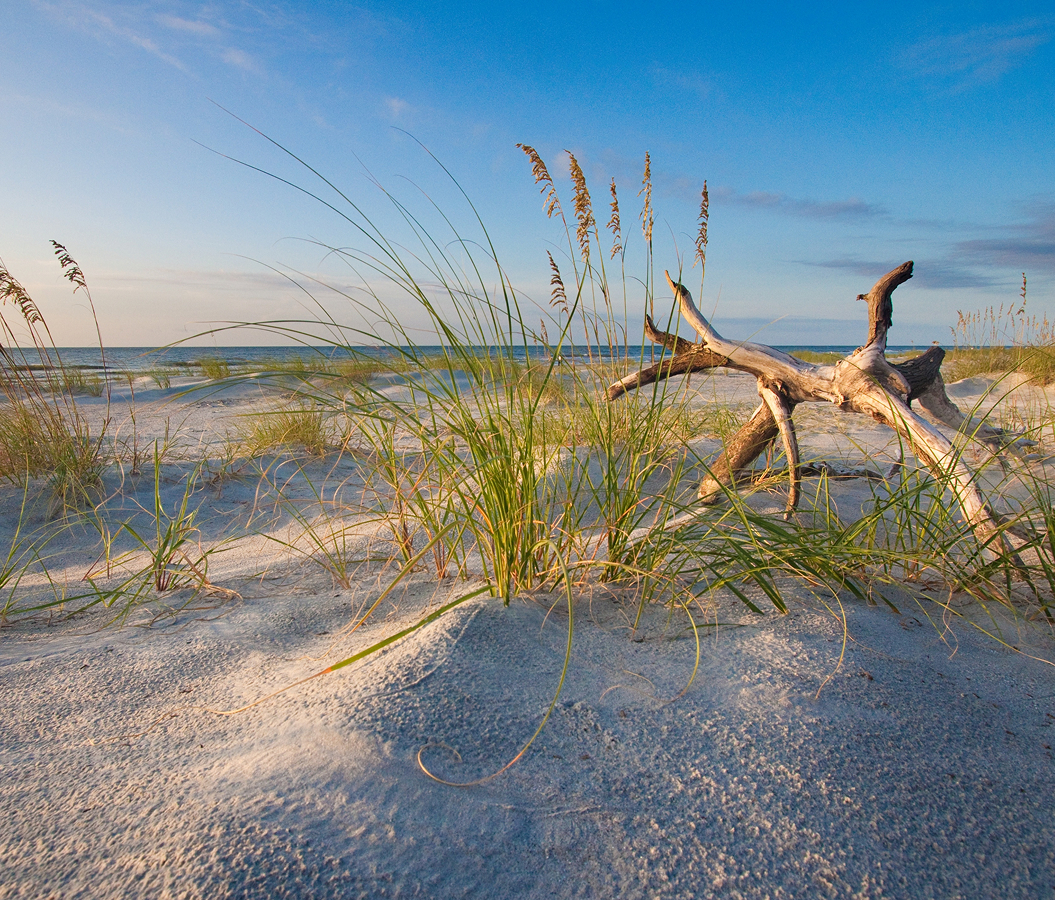
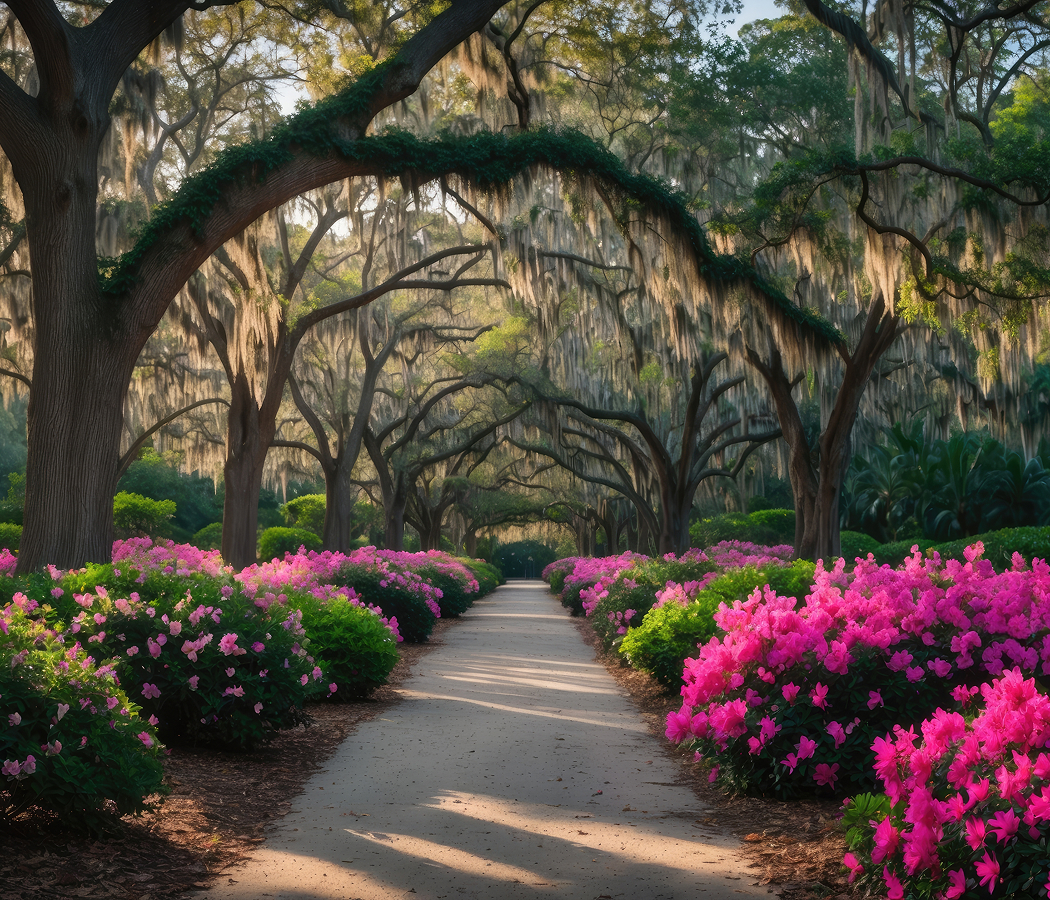
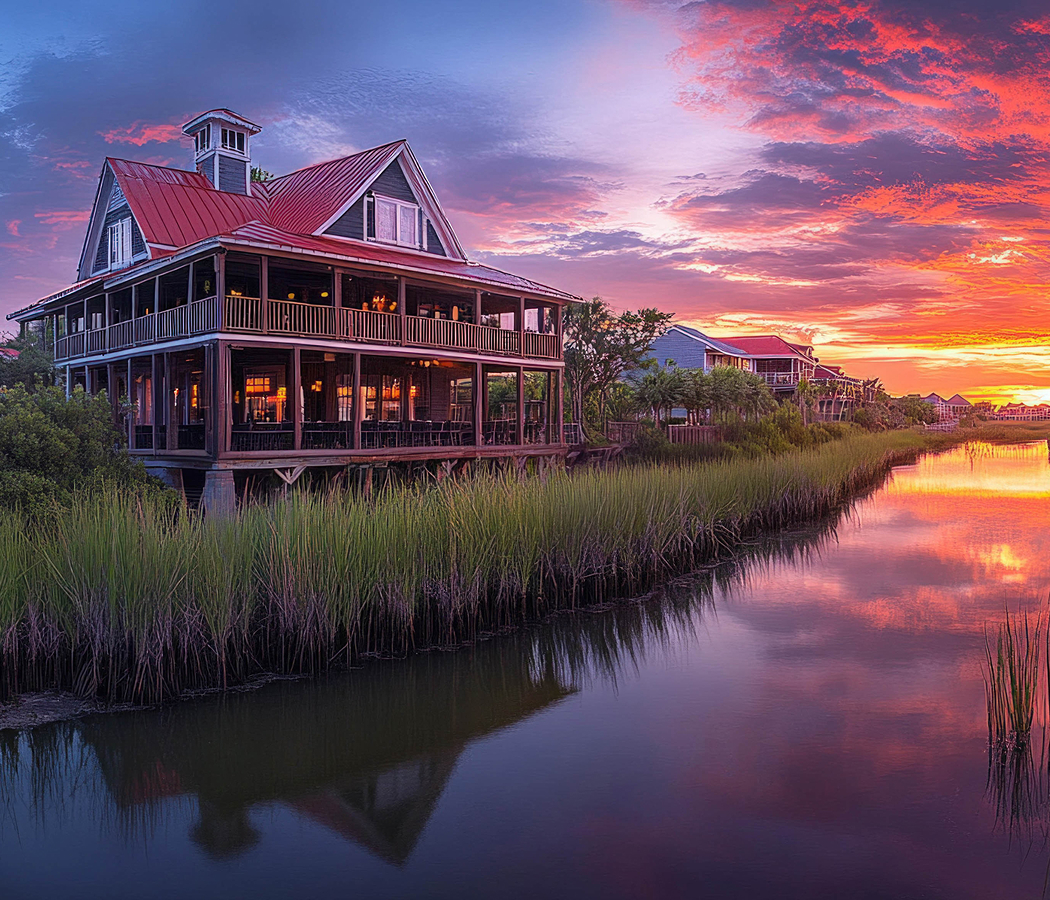
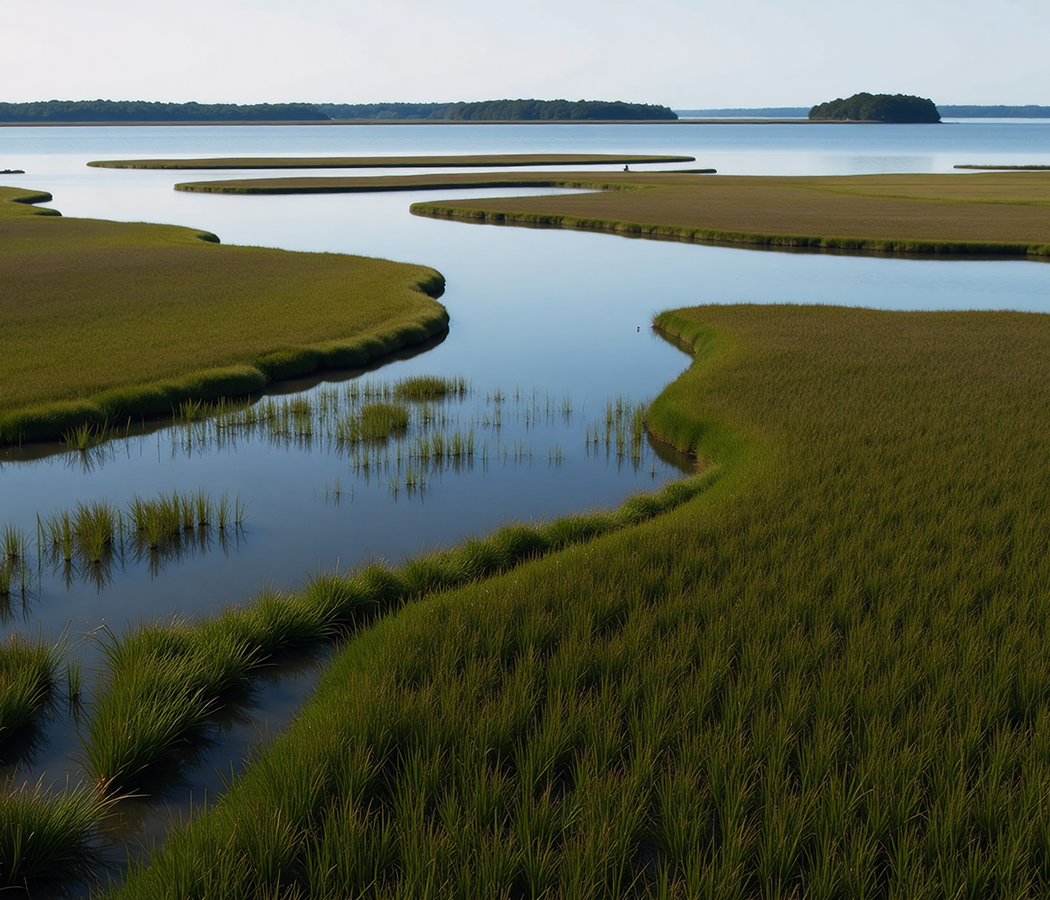
Set along Sea Island Parkway near Johnson Creek and just steps from the Atlantic Ocean, this striking 5,000-acre barrier island encompasses pristine beaches, salt marshes, maritime forests, freshwater lagoons, and winding nature trails that immerse visitors within an ever-changing coastal landscape shaped by wind, tides, and the sea. Towering palmettos, ancient live oaks draped in Spanish moss, expansive dunes, and sweeping ocean vistas create one of the South Carolina Lowcountry's most memorable outdoor settings. The result is an experience defined by natural beauty, ecological diversity, and one of the Atlantic Coast's premier protected landscapes.
What defines Hunting Island State Park.
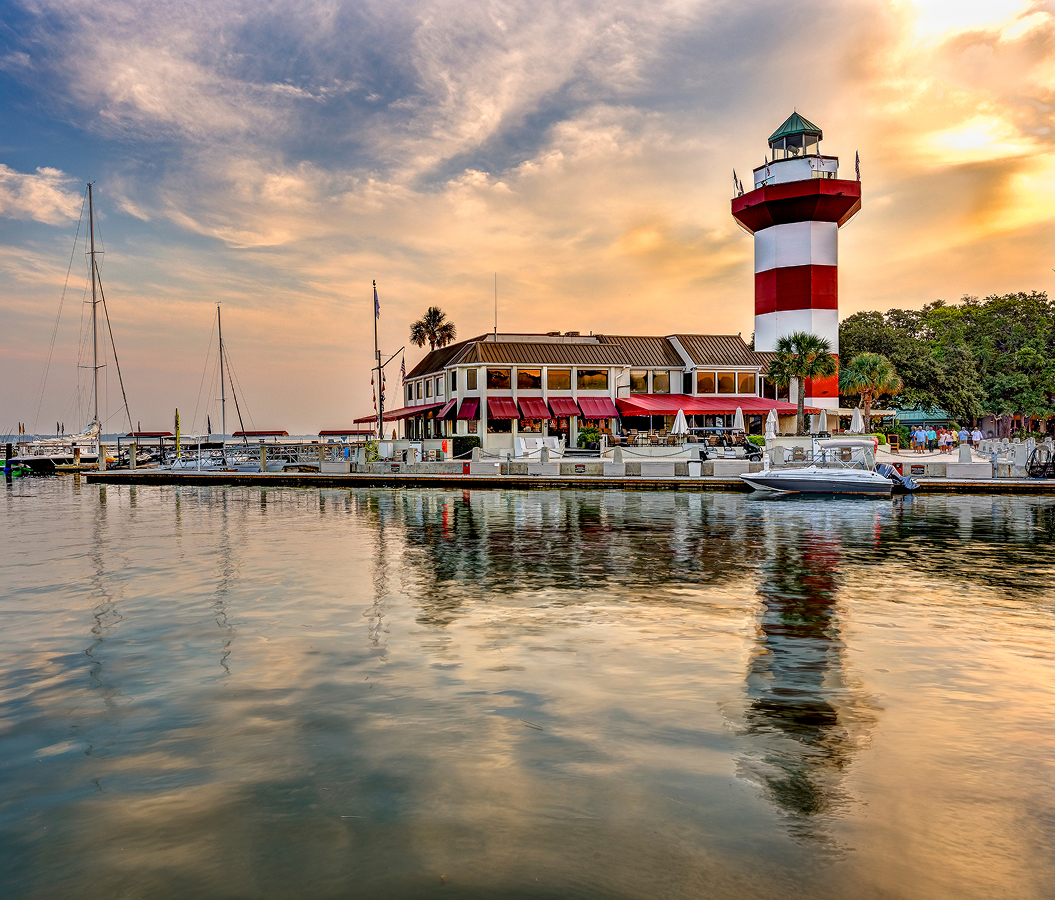
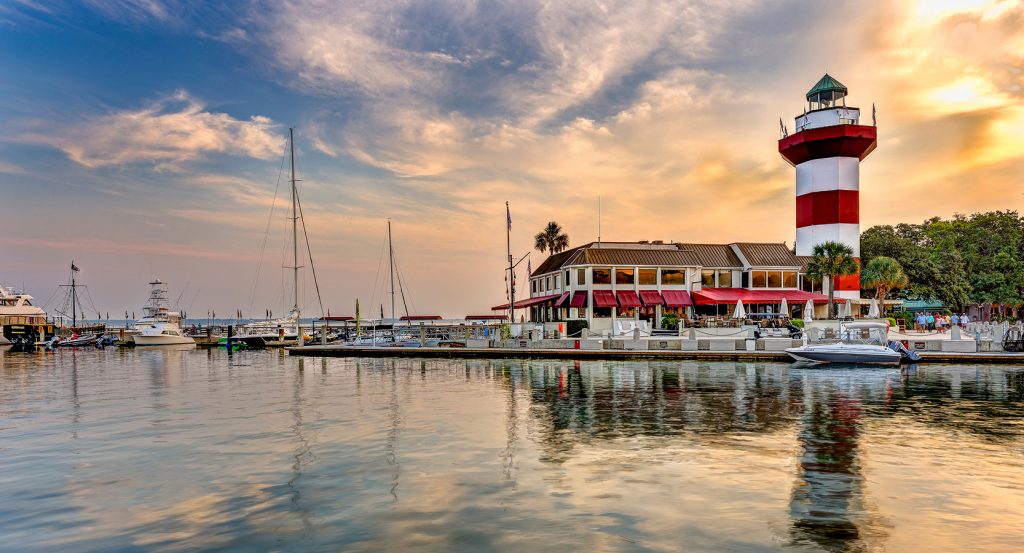
Hunting Island State Park is best known as South Carolina's most visited state park, welcoming more than one million visitors annually while protecting 5,000 acres of barrier island ecosystems that include maritime forests, salt marshes, freshwater lagoons, beaches, and one of the state's most dynamic dune systems. Established as a state park in 1935 following land acquisitions by the South Carolina Forestry Commission, the park underwent major development through the Civilian Conservation Corps between 1935 and 1941, whose enrollees constructed roads, picnic shelters, trails, bridges, drainage systems, and recreational facilities that laid the foundation for the modern park while contributing to one of the nation's largest New Deal conservation programs. The island is crowned by the Hunting Island Lighthouse, originally constructed in 1859, destroyed during the Civil War, rebuilt in 1875 as South Carolina's only publicly accessible historic lighthouse, and engineered with interchangeable cast-iron sections manufactured by the Phoenix Iron Company, allowing the 136-foot structure to be dismantled and relocated 1.3 miles inland in 1889 after relentless shoreline erosion threatened its survival. Hunting Island also preserves one of the Atlantic Coast's most intensively studied barrier island environments, where ongoing research documents shoreline migration, dune formation, maritime forest succession, sea turtle nesting, coastal erosion, and habitat resilience while supporting loggerhead sea turtles, American alligators, bottlenose dolphins, painted buntings, bald eagles, shorebirds, and more than 300 documented bird species. Extensive cultural history predates European settlement through thousands of years of Native American occupation before the island later supported plantation agriculture, timber harvesting, military coastal observation, and eventually one of South Carolina's earliest large-scale conservation initiatives. Continued stewardship by South Carolina State Parks, coastal scientists, and conservation organizations preserves one of the Southeast's most valuable natural laboratories while balancing recreation, habitat restoration, historic preservation, and long-term climate resilience.
More than five miles of undeveloped Atlantic shoreline, over eight miles of hiking and biking trails, a saltwater lagoon, fishing pier, campground with more than 180 campsites, nature center, and extensive boardwalk system allow visitors to experience nearly every major coastal habitat found along South Carolina's barrier islands. Long-term beach renourishment, lighthouse preservation, sea turtle monitoring, maritime forest management, and wildlife research continue making Hunting Island one of the nation's leading examples of integrated coastal conservation, where geology, ecology, engineering, and environmental stewardship remain inseparable from the visitor experience.
How Hunting Island State Park fits.
Hunting Island State Park works as part of an exploration celebrating the South Carolina Lowcountry's coastal ecology and cultural history.
Begin at Hunting Island Lighthouse, where panoramic Atlantic views and remarkable nineteenth-century engineering introduce the island before continuing through Hunting Island State Park's beaches, forests, and wetlands. Continue to Marsh Boardwalk Trail, where elevated walkways reveal the tidal ecosystems that connect Hunting Island with the surrounding Sea Islands. Conclude at Penn Center, where nationally significant exhibits provide a memorable finale exploring the Gullah Geechee community whose history has been inseparable from these coastal landscapes for generations. The progression moves naturally from coastal engineering to barrier island ecology before concluding with one of the nation's most important centers of African American history.
Where your story begins.
Foresyte Travel reveals places that feel extraordinary long before you arrive.
Enjoy editorial crafted for luxury travelers.
Foresyte may earn a commission when you book.