Why Hunting Island Lighthouse matters.
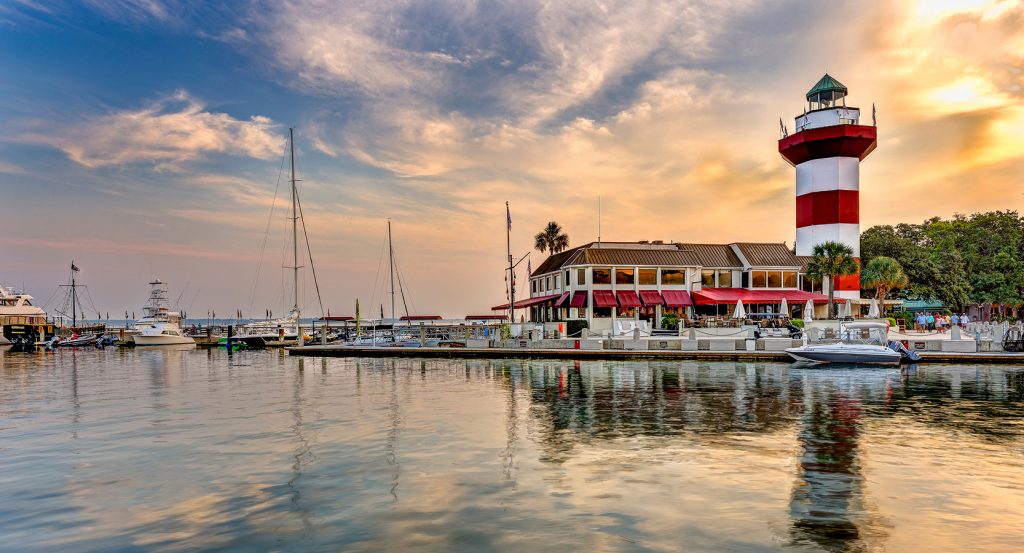
Hunting Island Lighthouse is South Carolina's only publicly accessible historic lighthouse where barrier island engineering, maritime history, and sweeping Atlantic panoramas define one of the state's most celebrated coastal experiences.
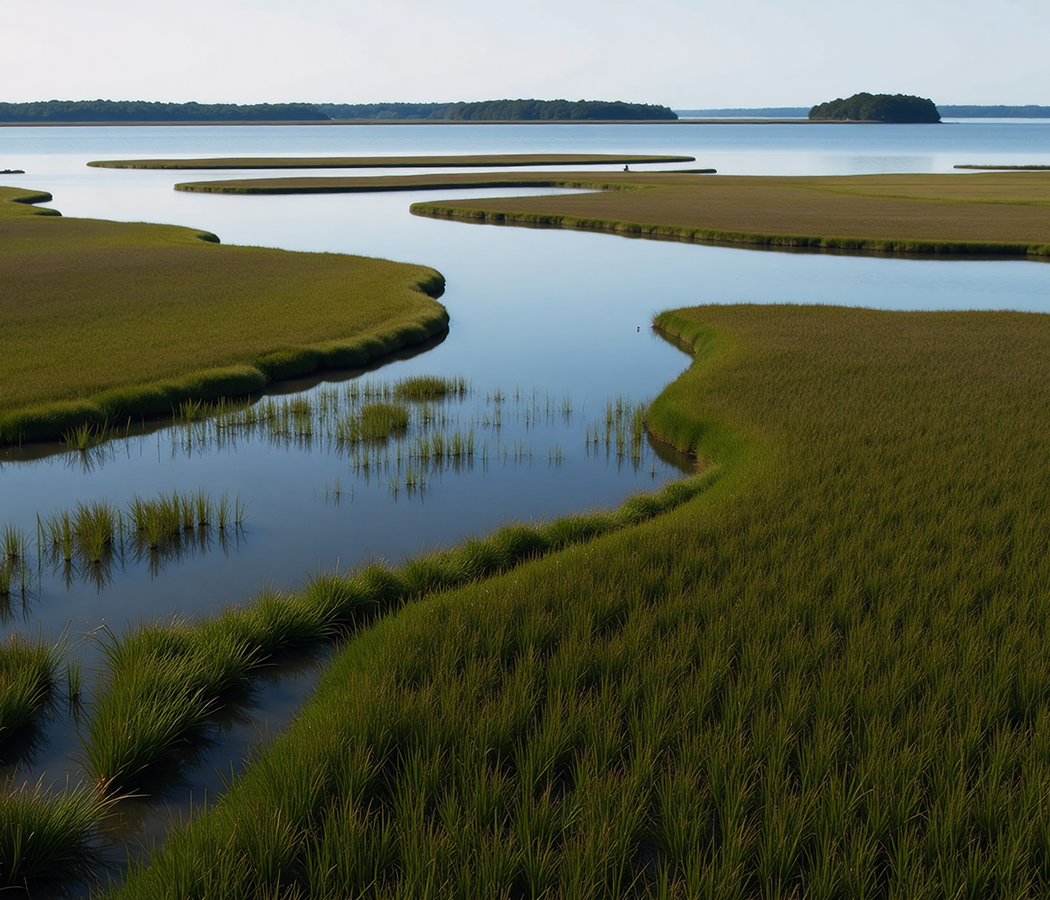
Set along Sea Island Parkway near the Hunting Island State Park Nature Center and just steps from the Atlantic shoreline, this striking black-and-white beacon rises above maritime forests and coastal dunes, rewarding visitors who climb its spiral staircase with uninterrupted views across the Atlantic Ocean, Fripp Inlet, salt marshes, and the Sea Islands. Elegant cast-iron construction, a commanding coastal setting, and more than a century of maritime service create an unforgettable encounter with one of South Carolina's most enduring navigational structures. The result is an experience defined by engineering innovation, coastal history, and panoramic Lowcountry scenery.
What defines Hunting Island Lighthouse.
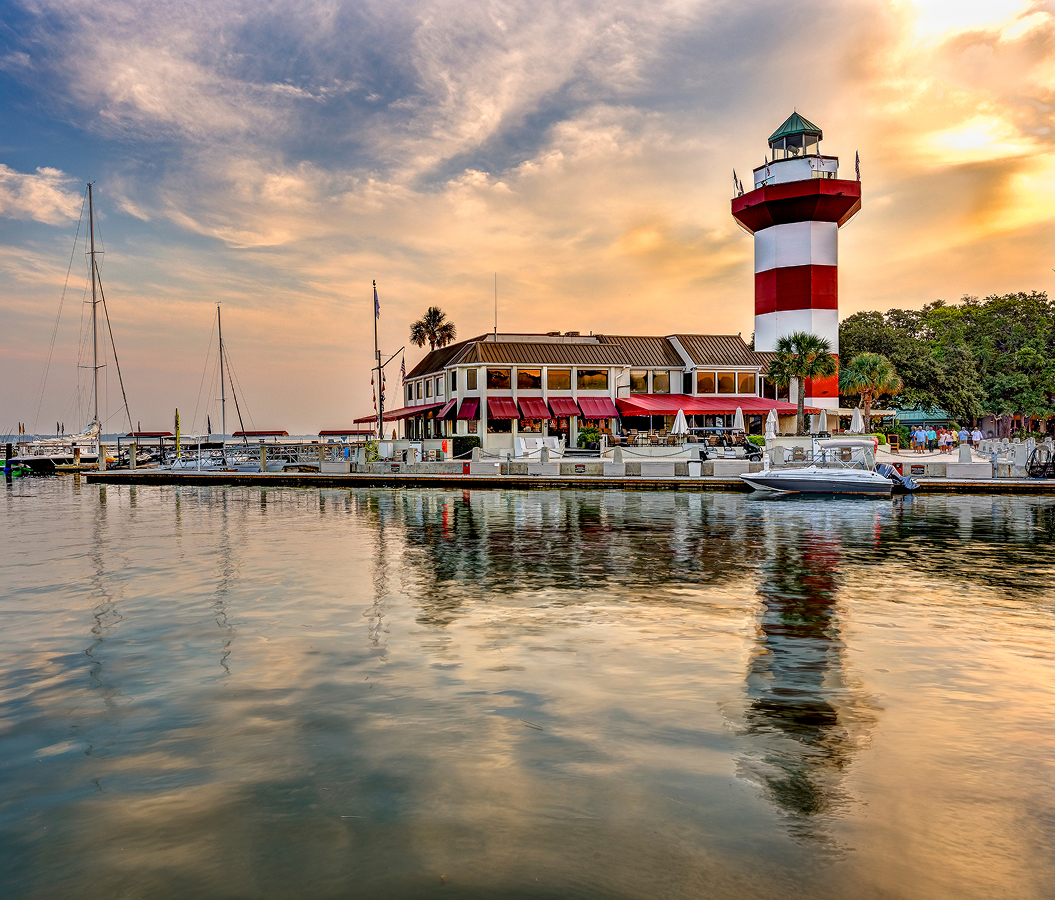
Hunting Island Lighthouse is best known as South Carolina's only publicly accessible historic lighthouse, standing 136 feet (41.5 meters) tall while serving as one of the nation's most significant examples of prefabricated cast-iron lighthouse engineering. The original lighthouse was completed in 1859 to guide ships approaching Port Royal Sound, among the deepest natural harbors on the Atlantic seaboard, but Confederate forces destroyed the structure in 1861 during the Civil War to prevent its use by the advancing Union Navy following the capture of Port Royal. The present lighthouse was completed in 1875 using modular cast-iron sections manufactured by the Phoenix Iron Company of Phoenixville, Pennsylvania, a pioneering engineering firm whose prefabricated designs allowed individual components to be transported, assembled, disassembled, and relocated as coastal conditions required. Persistent shoreline erosion soon threatened the rebuilt tower, prompting engineers in 1889 to dismantle the entire 136-foot structure into individual iron segments and reassemble it 1.3 miles inland, an extraordinary feat that preserved the lighthouse while demonstrating the practical advantages of modular nineteenth-century engineering. The first-order Fresnel view originally illuminating the tower projected its beam 17 nautical miles across the Atlantic before electrification modernized operations during the twentieth century, and although the original view has since been removed, the lighthouse remains an enduring symbol of South Carolina's maritime heritage. Listed on the National Register of Historic Places and maintained by South Carolina State Parks, the lighthouse anchors one of the state's most intensively studied barrier island environments, where coastal scientists continue documenting shoreline migration, dune dynamics, sea-level change, maritime forest succession, and hurricane impacts that continually reshape the surrounding landscape.
Visitors ascending the tower gain a rare opportunity to examine the lighthouse's riveted cast-iron construction, spiral stair system, heavy structural framing, and modular engineering at close range before reaching an observation gallery overlooking 5,000 protected acres of Hunting Island State Park. Continued preservation, structural stabilization, and coastal resilience projects have ensured the lighthouse remains both an operational symbol of South Carolina's maritime history and one of the finest surviving examples of nineteenth-century American lighthouse engineering.
How Hunting Island Lighthouse fits.
Hunting Island Lighthouse works as the centerpiece of an exploration through Hunting Island's coastal landscapes and environmental history.
Begin at Hunting Island State Park Nature Center, where engaging exhibits introduce the barrier island's geology, wildlife, and conservation before continuing to Hunting Island Lighthouse. Continue to Hunting Island State Park, where beaches, maritime forests, lagoons, and hiking trails reveal the diverse ecosystems visible from the lighthouse gallery. Conclude at Marsh Boardwalk Trail, where elevated pathways across tidal marshes provide a memorable finale connecting the Atlantic shoreline with the estuarine environments that define the South Carolina Lowcountry. The progression moves naturally from environmental interpretation to historic engineering before concluding with one of the region's richest coastal ecosystems.
Where your story begins.
Foresyte Travel reveals places that feel extraordinary long before you arrive.
Enjoy editorial crafted for luxury travelers.
Foresyte may earn a commission when you book.