Why you should experience Boone Hall Plantation & Gardens in Mount Pleasant, South Carolina.
Boone Hall Plantation & Gardens in Mount Pleasant is a living chronicle of the American South, where beauty and truth converge beneath the sweeping canopy of ancient oaks.
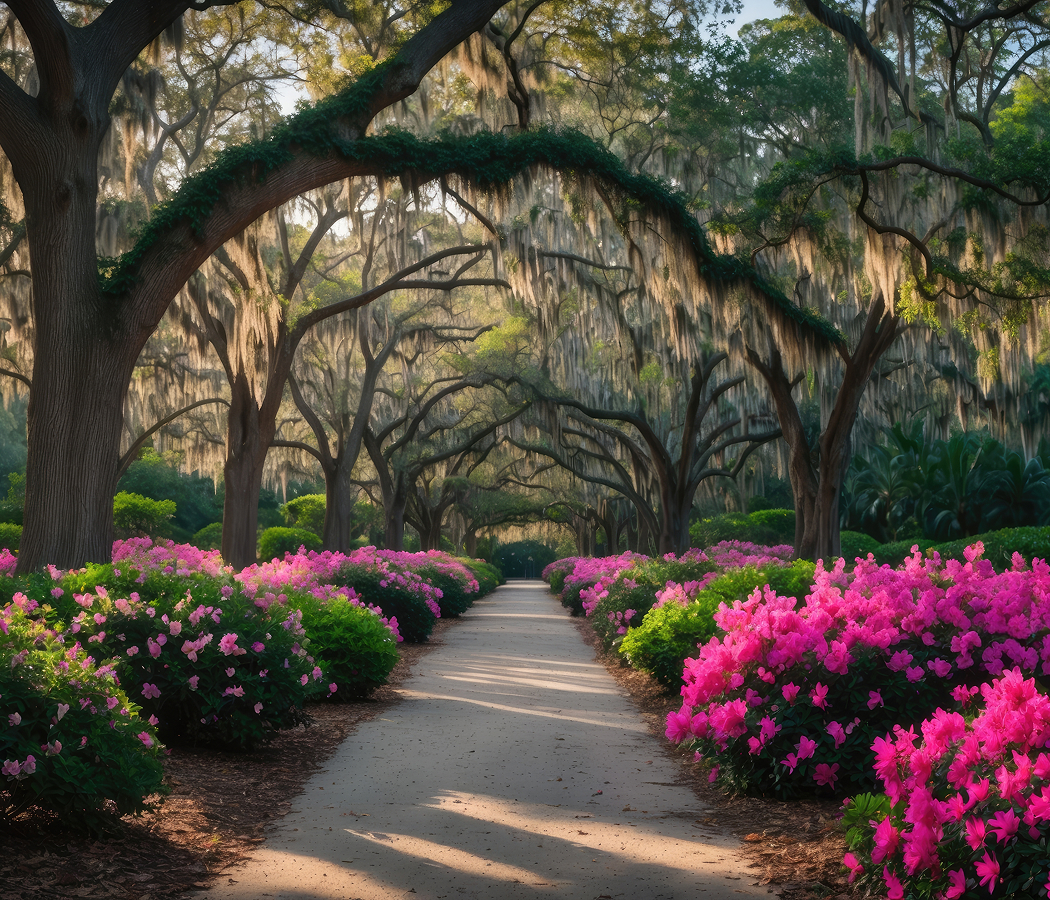
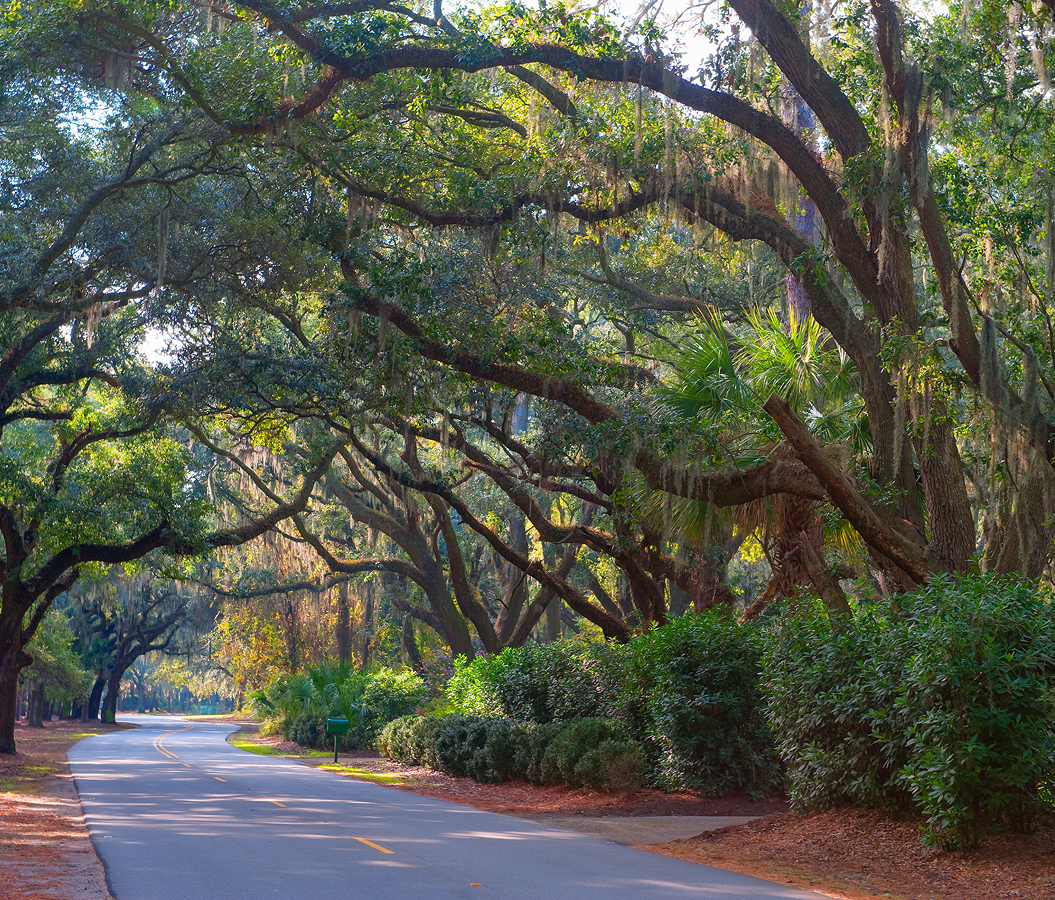
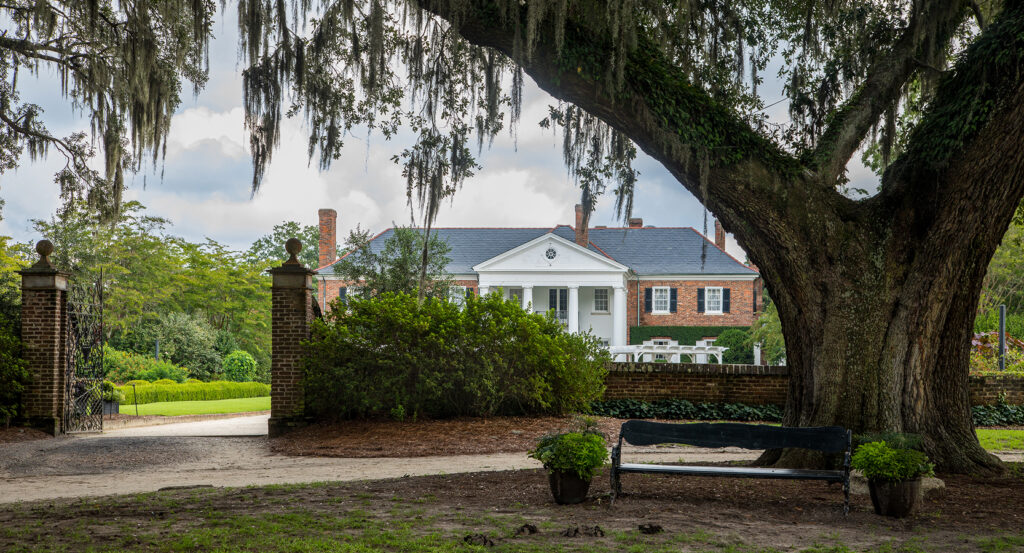
Located in Mount Pleasant, just across the Cooper River from Downtown Charleston, Boone Hall is among the oldest working plantations in the United States, continuously producing crops for over three centuries. The moment you approach its famed Avenue of Oaks, a breathtaking mile-long corridor of 88 live oaks planted in 1743, time seems to slow. Sunlight filters through the branches, Spanish moss swaying like whispers from the past. The current Georgian-style mansion, built in the 1930s, replicates the look of the 1800s home, but the land itself holds much deeper stories, of resilience, artistry, and transformation. Visitors often describe Boone Hall as both stunning and sobering: a place where the romantic beauty of the South exists in conversation with its complex, painful history. From its energetic gardens to the preserved brick slave cabins, the plantation invites you to see history not through a view of nostalgia, but with open eyes and empathy.
What you should know about Boone Hall Plantation & Gardens.
While Boone Hall's grandeur might first capture your imagination, its true significance lies in its authenticity and its commitment to truth-telling.
The plantation traces its origins to 1681, when Englishman Major John Boone established it as a working estate on the banks of Wampacheone Creek. Over centuries, the land evolved from growing indigo to cotton and pecans, helping shape Charleston's agricultural identity. The nine original slave cabins that still stand along Slave Street are among the most powerful historical sites in the region. Rather than shying away from the painful chapters of its past, Boone Hall confronts them through a series of immersive exhibits and interpretive performances that tell the stories of the enslaved men, women, and children who lived and labored here. These cabins, constructed of handmade bricks formed by enslaved craftsmen, stand as a tribute to their endurance and skill. Visitors can also explore the plantation's lush gardens, originally designed for both beauty and utility, which now burst with camellias, azaleas, and heirloom roses that change with the seasons. Boone Hall has also been the setting for numerous films and television shows, including The Notebook and North and South, but its cinematic beauty is only part of its identity. It's one of the few plantations that continues to operate as a working farm, producing crops like strawberries, tomatoes, and pumpkins, which are sold at its market and celebrated in seasonal festivals. Every corner of Boone Hall holds layers of memory, from the genteel world of the plantation owners to the unrecorded stories of those who built its foundations.
How to fold Boone Hall Plantation & Gardens into your trip.
A visit to Boone Hall Plantation & Gardens offers one of the most meaningful experiences in the Charleston area, one that balances history, reflection, and natural beauty.
Plan to spend two to three hours exploring the grounds to fully absorb its depth. Begin your visit with the guided house tour, which provides architectural insight and contextualizes the plantation's evolution. From there, move through Slave Street, where the exhibits and performances bring the human history to the forefront. The narratives are powerful, honest, and deeply moving, providing a rare opportunity to engage with the region's history through empathy and understanding. Next, wander the estate's gardens, where centuries-old blooms form a colorful counterpoint to the gravity of its past. If you visit in spring or fall, you'll find the farm thriving with seasonal festivals that celebrate local produce and Southern traditions. Don't miss the view from the back lawn, where the Ashley River glimmers through the trees, a tranquil backdrop that feels timeless. Pair your visit with other nearby sites like Drayton Hall or Middleton Place to gain a fuller picture of Charleston's plantation corridor, each offering a distinct perspective on the Lowcountry's history. Before leaving, stop by the Boone Hall Farm Market just down the road, where you can sample local jams, fresh produce, and sweet tea under the warm Carolina sun. Boone Hall Plantation & Gardens isn't just a postcard-perfect estate, it's a living story, one that challenges and inspires, reminding visitors that beauty and truth can coexist, and that the land itself remembers everything.
Where your story begins.
Foresyte Travel reveals places that feel extraordinary long before you arrive.
Experience premium editorial crafted for luxury travelers.