Why you should experience The Williams Mansion in Charleston, South Carolina.
The Williams Mansion is Charleston's example of the city's soul: timeless, ornate, and steeped in stories that whisper through its halls.
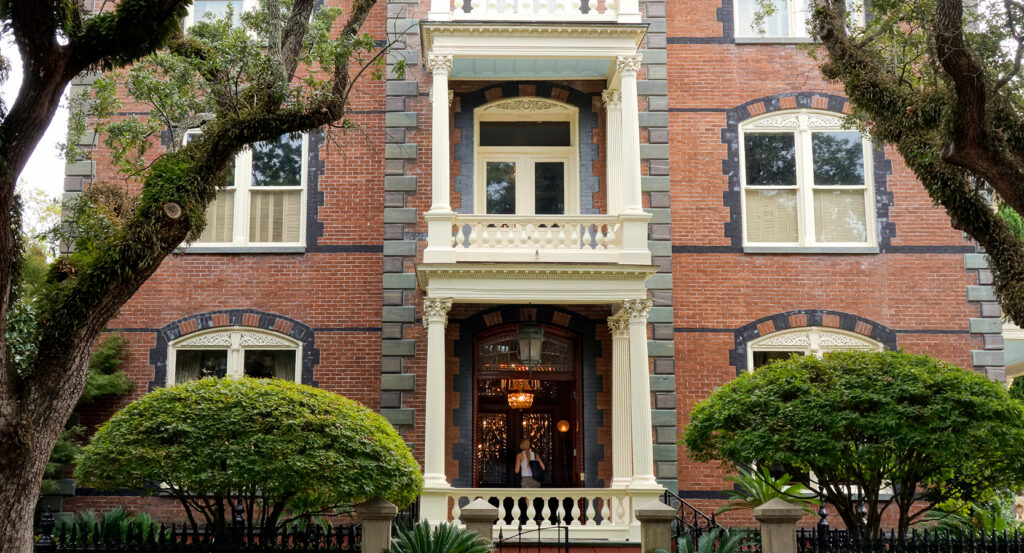
Located along Meeting Street in the heart of the Historic District, this Italianate masterpiece rises like a gilded memory of Charleston's Gilded Age. Built in 1876 by George W. Williams, a prosperous merchant and banker, the mansion, once called the Calhoun Mansion, remains one of the most extravagant private residences ever constructed in the South. From the moment you approach its iron gates, you can feel its magnetism. The façade towers with intricate cornices and marble details, while its 35 rooms unfold like chapters of a novel about ambition, artistry, and Charleston's enduring grace. Step inside, and it's as if time bends, crystal chandeliers glimmer above hand-carved woodwork, ceilings soar with plaster medallions, and staircases curve like sculpture. Yet, beyond its opulence lies something subtler: a sense of reverence. This isn't a monument to wealth alone, it's a living reflection of a city rebuilding itself after the Civil War, determined to reclaim beauty amid hardship. Standing in its grand ballroom or gazing up at its stained glass dome, you don't just see history; you feel Charleston's resilience radiating through every carved baluster and flicker of light.
What you should know about The Williams Mansion.
Behind its grandeur, The Williams Mansion holds a century and a half of reinvention, a story as layered as Charleston itself.
When George Williams commissioned the home, he spared no expense. The construction took five years, employing artisans from across Europe and America to craft the intricate details that still astonish visitors today. The mansion originally featured over 23,000 square feet, 35 rooms, 14-foot ceilings, 23 fireplaces, and the city's first private electricity system. But it wasn't just size that made it remarkable, it was vision. Williams built the house not as a fortress of isolation but as a statement of rebirth for a city still healing from war. After his death, the mansion passed through generations, eventually falling into neglect by the mid-20th century. For a time, it served as a boarding house and even stood abandoned, its splendor dimmed but not lost. Then came its renaissance. Purchased and painstakingly restored by preservationist J. C. Calhoun in the 1970s, the home became known as the Calhoun Mansion and later as The Williams Mansion once again, a restoration not just of structure, but of identity. Inside, more than 10,000 artifacts from around the world now adorn its rooms, turning it into a living museum of human creativity. Hidden details abound: secret staircases tucked behind doors, Tiffany glass glowing softly in corners, and rare Italian marble floors that have outlasted empires. The mansion's preservation represents Charleston's defining quality, the ability to evolve while holding fast to its soul. Few realize that the house was also used as a filming location for the film The Notebook, its romance and history making it a cinematic symbol of the city's timeless allure.
How to fold The Williams Mansion into your trip.
To experience The Williams Mansion properly, you must walk through its doors not as a tourist, but as a guest invited into Charleston's living history.
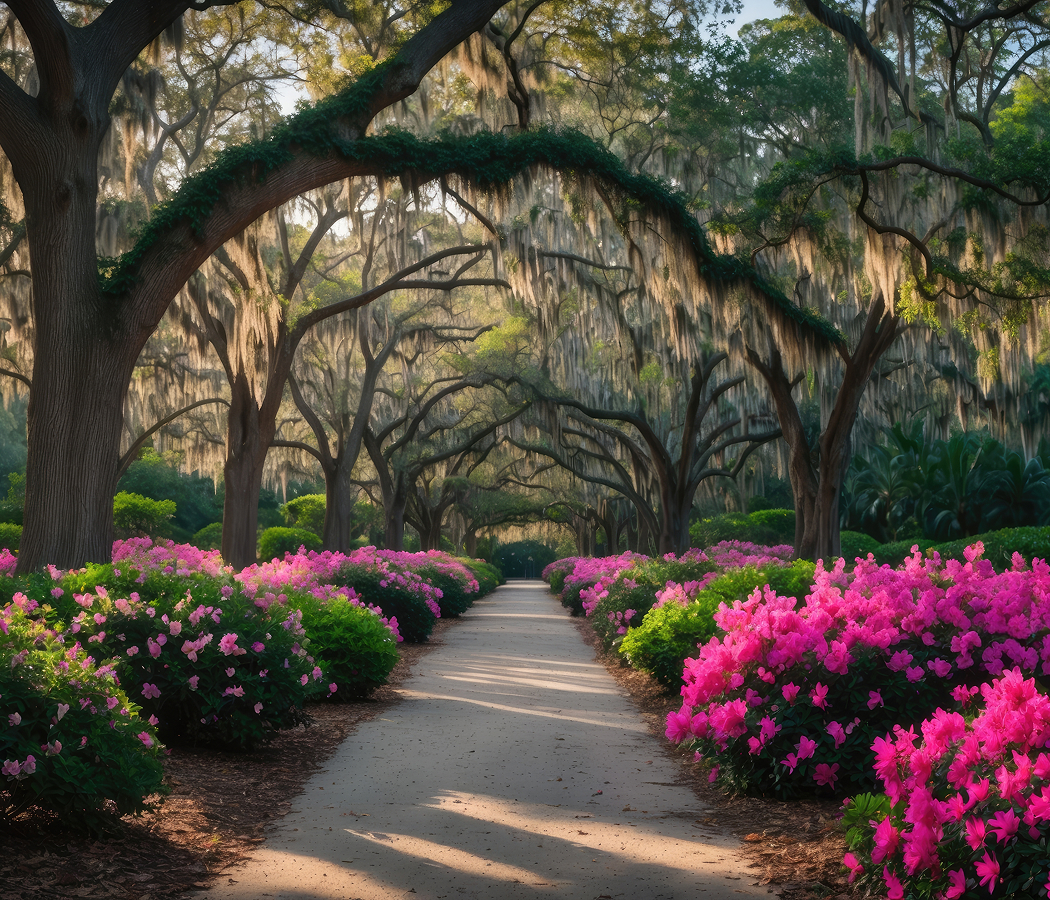
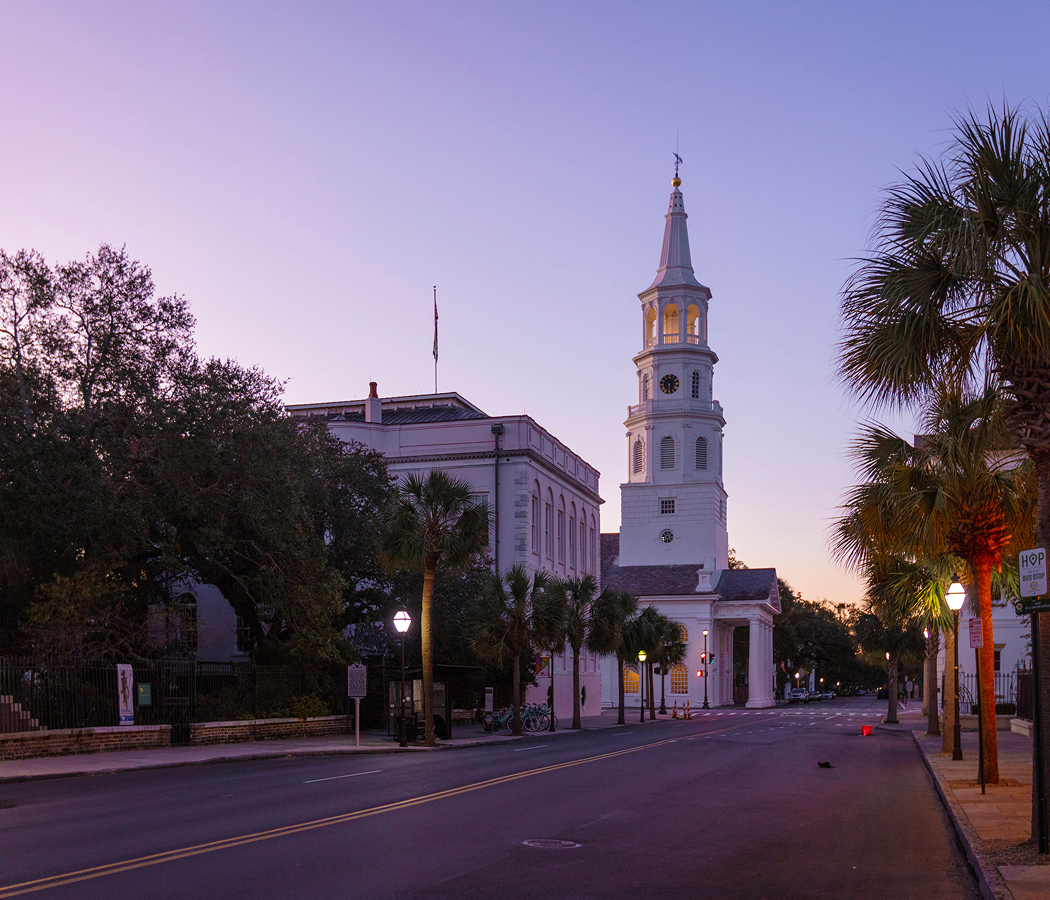
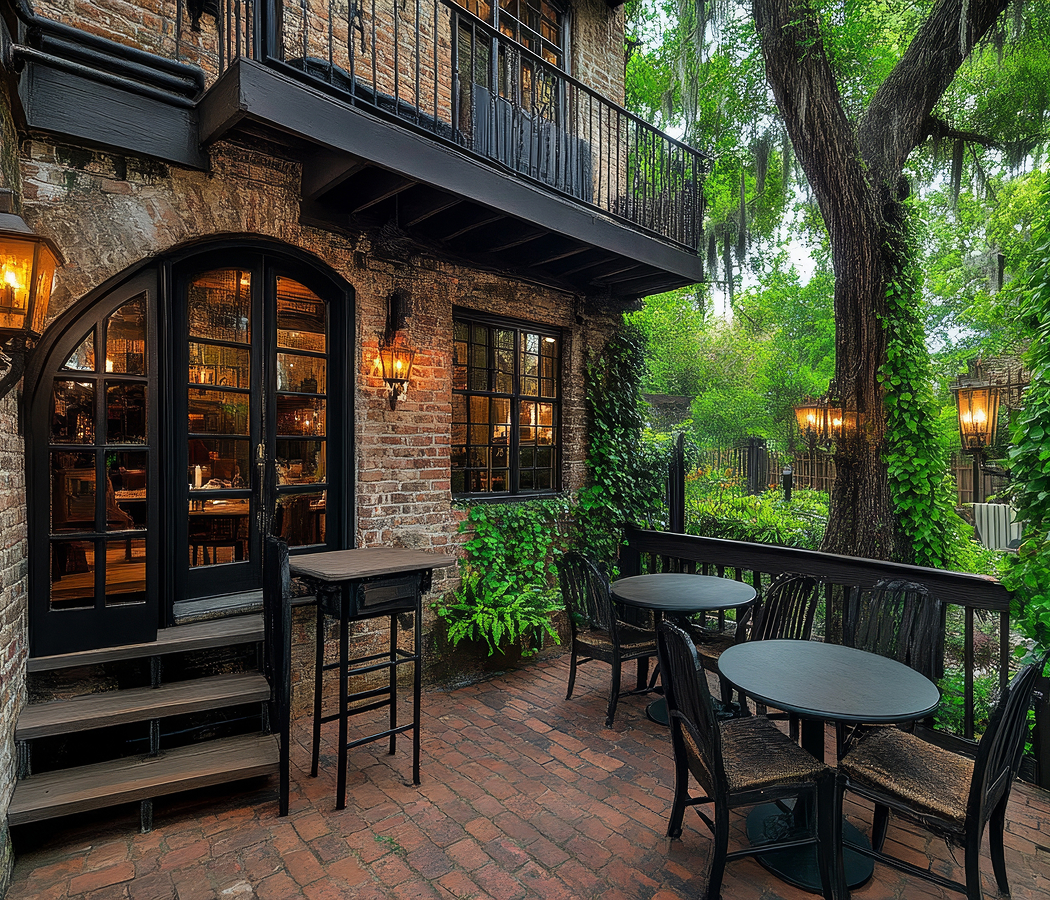
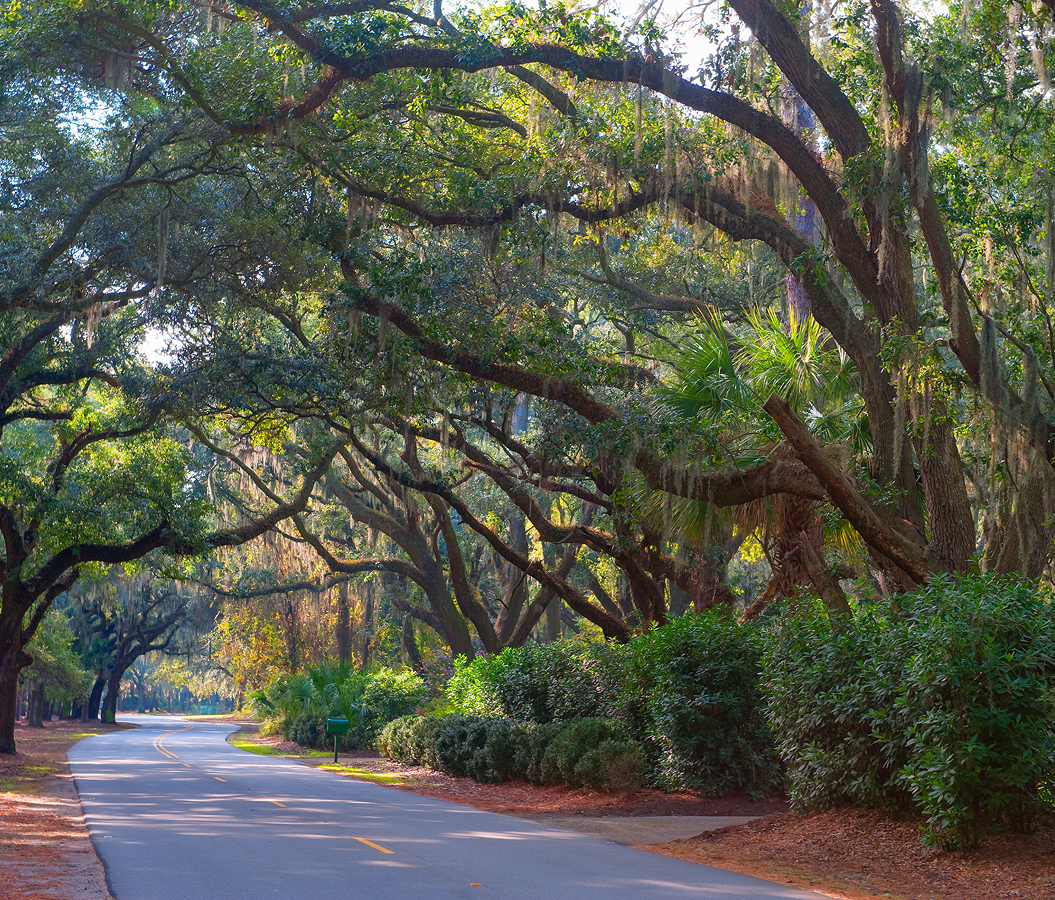
Start the visit along Meeting Street, where oak trees drape the sidewalks in Spanish moss and horse-drawn carriages pass under the mansion's wrought-iron gates. Book a guided tour, they run daily and reveal both the home's architectural genius and the personal stories that breathe life into its walls. As you step into the grand foyer, take a moment to look up: the stained-glass dome overhead refracts sunlight into gold and rose tones that ripple through the air. Each room unfolds with a different rhythm, from the lavish drawing rooms adorned with antique paintings to the intimate library lined with leather-bound volumes that smell faintly of history and cedar. Move slowly, listening to your guide describe how the home's innovations were decades ahead of their time. After the tour, linger in the gardens, where brick paths wind through fountains and magnolia trees. The contrast between the mansion's grandeur and the quiet hum of the courtyard captures Charleston's duality, elegance balanced with warmth. Pair your visit with a stroll through the nearby Battery Promenade or White Point Garden to complete your immersion in the city's most storied neighborhood. If you're lucky enough to visit at dusk, return to see the mansion illuminated, its windows glowing softly against the twilight, like lanterns guiding the city's history into the present. The Williams Mansion isn't just a house, it's Charleston's heartbeat made visible. It stands as proof that beauty, once created, can survive war, neglect, and time itself, as long as there are those who believe it's worth saving.
Where your story begins.
Foresyte Travel reveals places that feel extraordinary long before you arrive.
Experience premium editorial crafted for luxury travelers.