Why you should experience Casa Tuna in Mexico City, Mexico.
Casa Tuna is creative intimacy crystallized into lived space, a boutique residence that feels like stepping into the private world of someone with impeccable taste, deep cultural fluency, and zero interest in performing hospitality for mass appeal.
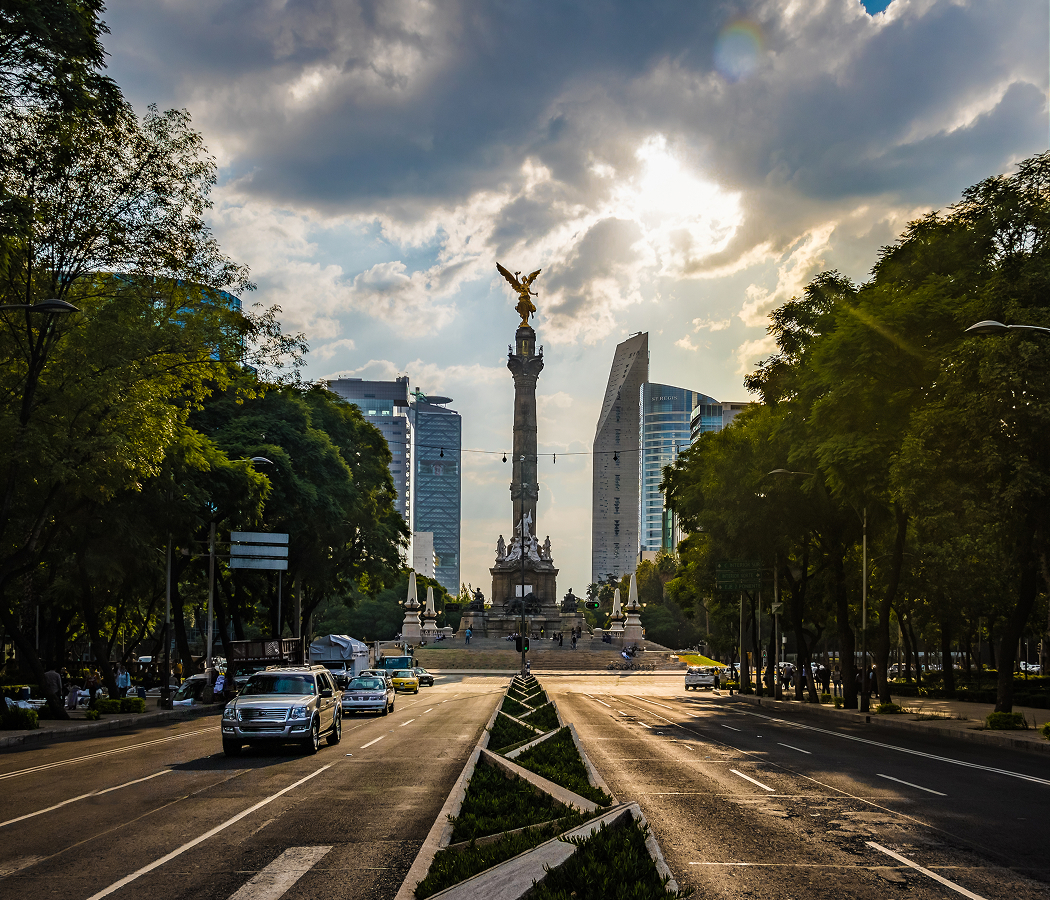
Set in the heart of Condesa, among Mexico City's most emotionally resonant and creatively charged neighborhoods, Casa Tuna does not try to tame the city or rise above it; instead, it syncs with its pulse and offers a refined, human-scaled way to live inside it. From the moment you arrive, the experience feels personal. There is no grand reveal, no formal threshold meant to impress. The house simply opens itself to you, and that gesture sets the tone for everything that follows. Architecture and interiors lean into warmth, tactility, and personality, layered textures, natural materials, curated objects, and a color palette that feels intuitive. Nothing here reads as showroom-ready or overly styled. Instead, spaces feel assembled over time, as if each element earned its place through use and affection. Common areas function like real living spaces rather than shared hotel zones: places where conversations linger, mornings unfold slowly, and silence is allowed to exist without being filled. Light filters in gently, changing the mood throughout the day. Guest rooms feel deeply individual, more like private studios than accommodations. Layouts encourage ease rather than efficiency, allowing you to unpack, settle, and inhabit the space without friction. Beds are generous and grounding, dressed in linens chosen for comfort. Furnishings feel collected, not sourced, and the overall atmosphere invites presence. Bathrooms are thoughtful and tactile, turning daily rituals into quiet moments of care through well-chosen materials, natural light, and an absence of visual noise. Sound from the city is present but softened, reminding you where you are. Service at Casa Tuna is subtle and human. Interactions feel like thoughtful exchanges rather than hospitality choreography, guided by intuition, warmth, and genuine attentiveness. Staying here feels like choosing expression over polish, soul over symmetry, and a form of luxury rooted in authenticity rather than excess, making Casa Tuna an ideal refuge for travelers who want to feel Mexico City rather than merely visit it.
What you should know about Casa Tuna.
Casa Tuna was conceived as a creative residence first and a hospitality project second, and that inversion shapes every aspect of its identity.
Rather than starting from hotel conventions and layering personality on top, Casa Tuna began with the logic of lived space, how rooms should feel when occupied daily, how light should move through a house, how materials should age, and how objects can carry memory rather than trend. This philosophy is evident in the way the property resists uniformity. No two spaces feel exactly alike, and that asymmetry is intentional. It mirrors the creative spirit of Condesa itself, a neighborhood defined not by perfection but by rhythm, culture, and resonant texture. The house's design language pulls from Mexican craftsmanship, global influences, and contemporary sensibility without collapsing into any single aesthetic category. Objects feel curated with affection. Art and furnishings are chosen because they resonate, not because they complete a concept. This approach attracts a particular kind of guest, creatives, writers, designers, musicians, and culturally fluent travelers who value resonant coherence over visual dominance. Many guests return not because the house surprises them, but because it feels familiar in the way a favorite place does. Updates and refinements to Casa Tuna are subtle and evolutionary, focused on comfort, maintenance, and deepening the experience. Nothing is done to chase relevance; relevance emerges organically through consistency and care. Staff culture reflects this character fully. Service is personal, adaptive, and rooted in genuine interest. Recommendations feel thoughtful rather than generic, shaped by an understanding of both the neighborhood and the guest's temperament. In a hospitality landscape increasingly dominated by branding, maximalist design, and algorithmic sameness, Casa Tuna stands apart by committing to something far more fragile and valuable: character. It proves that a hotel can feel like a person rather than a product, and that this human quality can be the most enduring form of luxury.
How to fold Casa Tuna into your trip.
Casa Tuna works as an immersive base, a place that lets Mexico City seep in gradually.
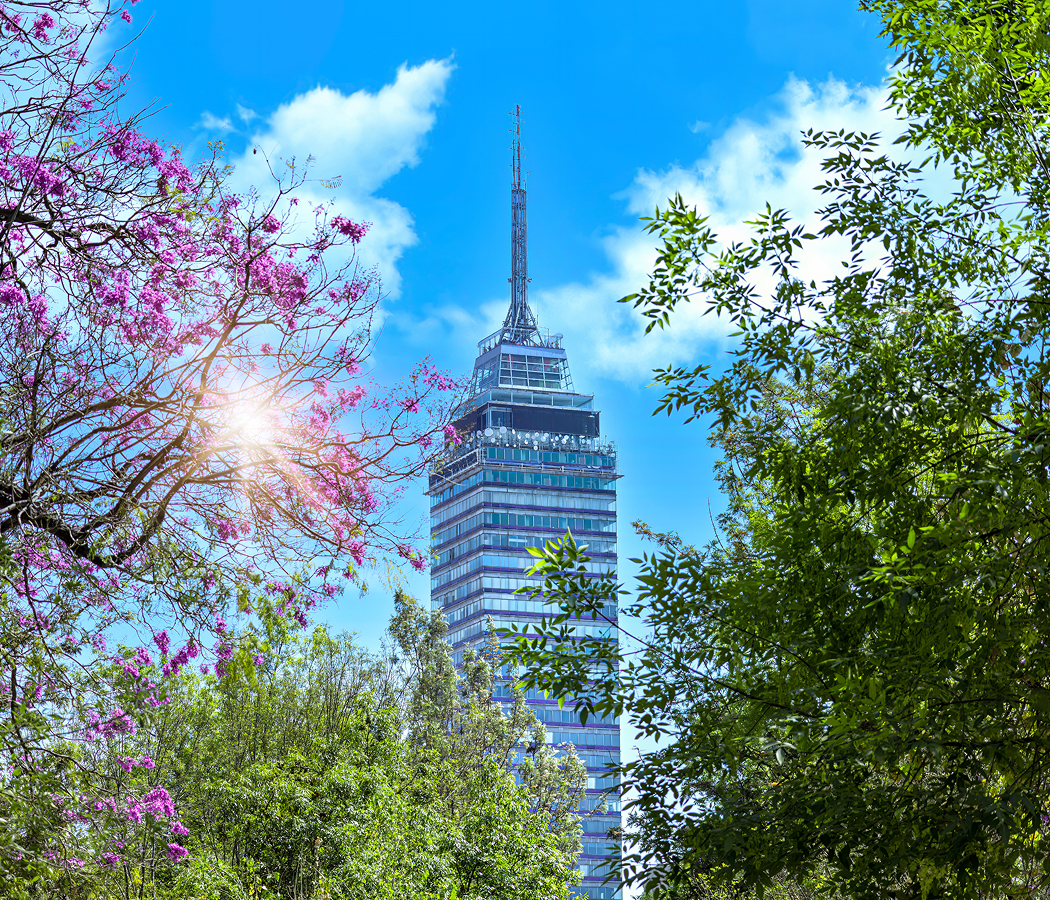
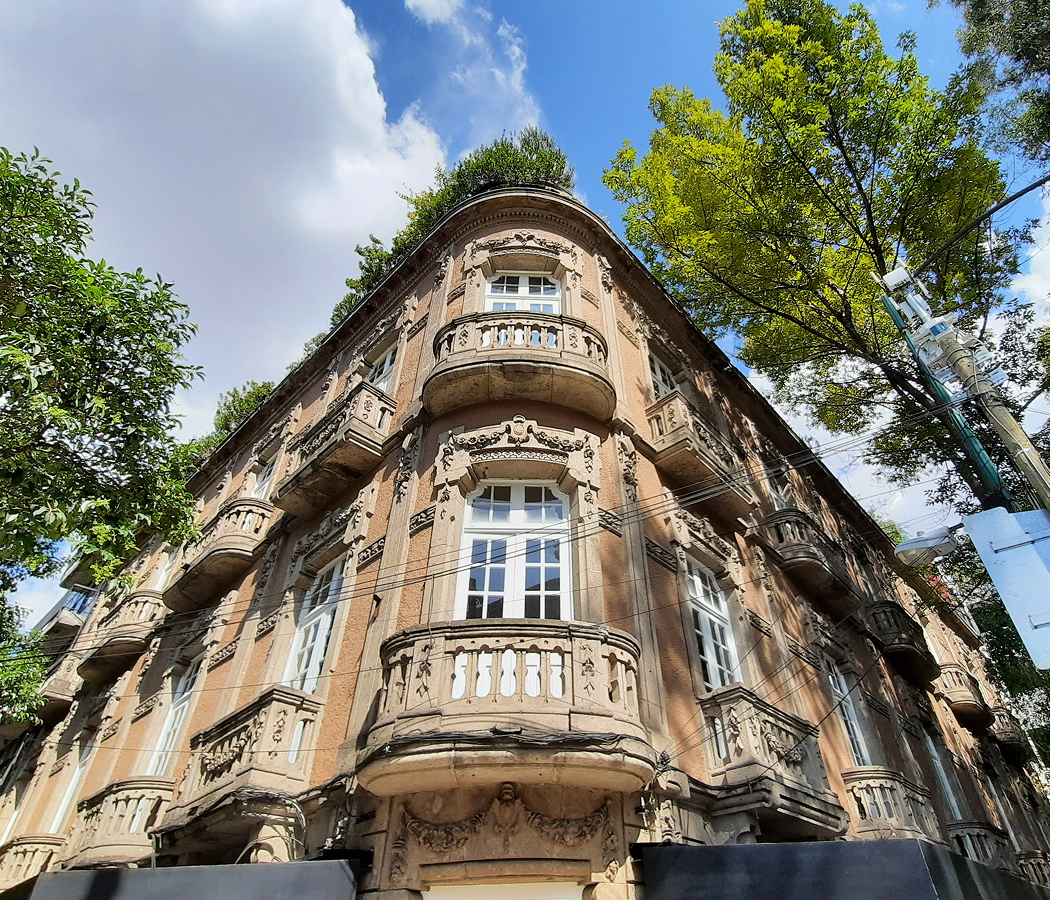
Mornings here are unhurried by design. Wake to soft light, neighborhood sounds, and a sense that the day belongs to you. Step outside and Condesa unfolds immediately: tree-lined streets, Art Deco buildings, cafés that reward lingering, and parks that invite wandering. From this base, Mexico City becomes something you explore intuitively. Walk toward Roma Norte for galleries and dining, drift through Parque México and Parque España, or take short rides to Chapultepec for museums and green space. Returning to Casa Tuna during the day feels natural rather than interruptive, offering moments to recalibrate between explorations. The house absorbs the city's energy instead of amplifying it, allowing experiences to settle rather than collide. Afternoons can unfold through long lunches, bookstore visits, creative wandering, or simply sitting in a café watching the city breathe. Evenings carry a particular softness here. After dinner, returning to Casa Tuna feels like reentering a personal rhythm. Lighting warms, spaces quiet, and the house becomes a container for reflection. Over multiple nights, the line between staying and living begins to blur. You stop orienting yourself and start inhabiting the space. The house becomes a quiet collaborator in your experience of the city, shaping how you move, rest, and absorb Mexico City's complexity. By the time you leave, Casa Tuna will not feel like a hotel you booked, but like a place you briefly belonged to, one that allowed Mexico City to be experienced with intimacy, creativity, and resonant clarity. In a city that offers endless stimulation, Casa Tuna's greatest gift is permission: permission to slow down, to feel deeply, and to connect with the city on human terms.
Where your story begins.
Foresyte Travel reveals places that feel extraordinary long before you arrive.
Experience premium editorial crafted for luxury travelers.