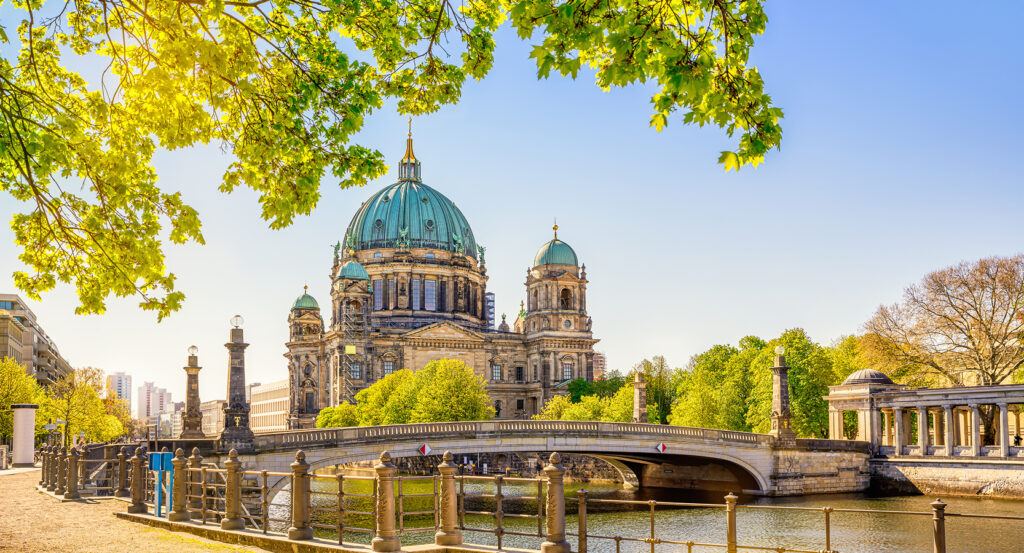
Why the Hohenzollern Crypt matters.
Descending into the Crypt of the Berlin Cathedral feels like stepping through a threshold where time pauses, and history exhales.
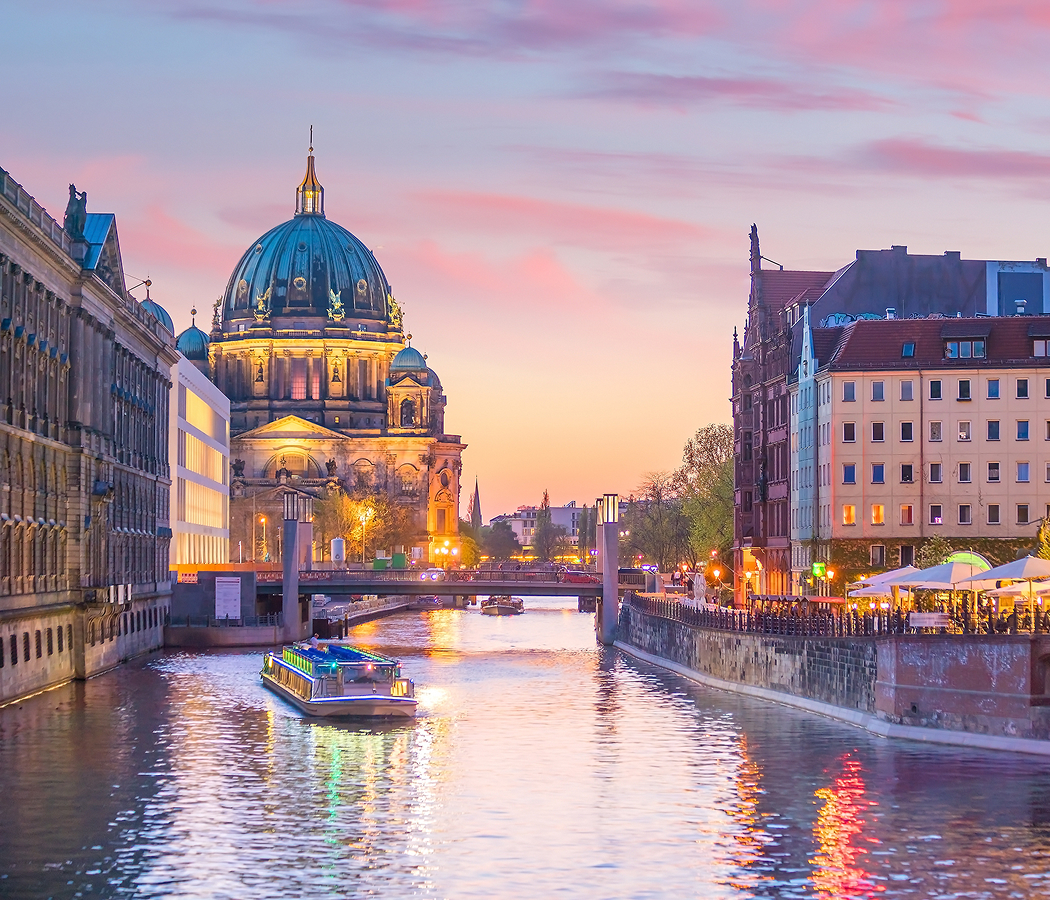
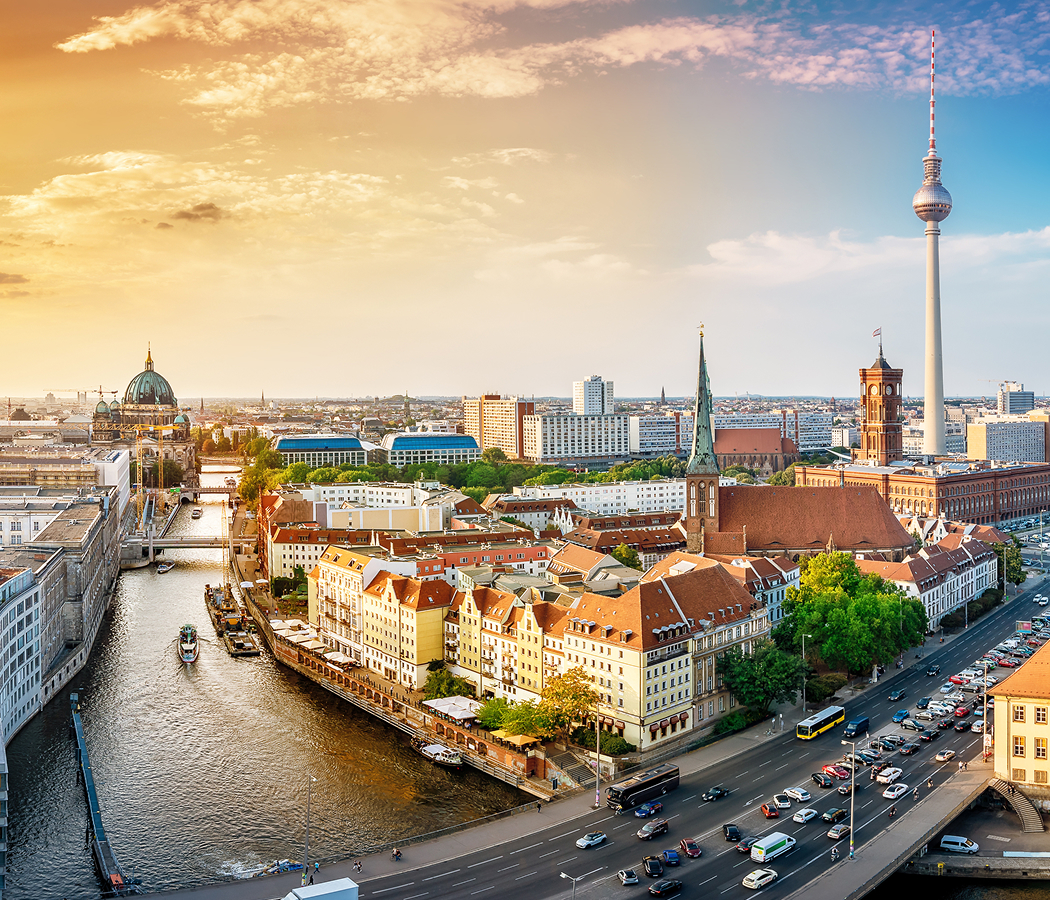
Beneath the cathedral's dazzling dome and marble grandeur lies a realm of quiet reverence, the final resting place of nearly a century of Prussian kings, queens, and electors. The moment you enter, the air cools, heavy with centuries of remembrance. Dim lighting casts bronze glimmers over ornate sarcophagi carved with crowns, angels, and coats of arms. It's not morbid; it's humbling. You stand surrounded by the lineage that shaped Berlin, rulers whose ambitions built the city's monuments and guided its destiny through glory, division, and rebirth. Each tomb tells a story: the tender detail of a child's resting place beside imperial splendor, the scars of war still visible on marble surfaces. Down here, the echo of footsteps feels sacred, a reminder that power, no matter how absolute, always returns to stillness.
What defines the Hohenzollern Crypt.
The Hohenzollern Crypt is one of Europe's most significant dynastic burial vaults, a silent archive of empire and faith.
It contains nearly a hundred sarcophagi and coffins spanning from the 16th to the 20th century, including those of Great Elector Friedrich Wilhelm and his wife Dorothea, whose tombs anchor the collection. Originally built beneath the Baroque cathedral that preceded the current one, the crypt was integrated into Julius Raschdorff's 1905 design when Kaiser Wilhelm II envisioned the Berliner Dom as both a spiritual center and a monument to dynastic pride. The bombs of World War II cracked ceilings and crushed sarcophagi; restoration efforts took decades, carefully piecing together broken caskets and preserving what time and fire had spared. Yet the crypt's atmosphere remains remarkably intact, not dark or oppressive, but reverent and alive with the weight of memory. Few realize that the restoration team intentionally left some wartime scars visible, subtle fissures and burns that honor resilience over perfection.
How the Hohenzollern Crypt fits.
Exploring the crypt is an experience best approached in silence, not from fear, but from respect.
After touring the cathedral's resplendent nave and dome, descend the marble staircase tucked discreetly behind the altar. The shift in mood is immediate: from echoing hymns to a near-whispering quiet. Move slowly through the chambers, allowing time to read the names and details etched into bronze and stone. You'll find artistry even in mourning, elaborate sculptural motifs, gilded insignias, and tender floral carvings that speak of love and legacy. If you can, visit early in the morning when the crypt is least crowded; the solitude heightens its contemplative power. Afterward, step back into the cathedral's main hall, where light from the dome seems almost heavenly in contrast. The experience lingers long after you leave, a reminder that the grandeur above is built on the humility below, and that Berlin's story, like its cathedral, endures precisely because it never forgets its foundations.
Where your story begins.
Foresyte Travel reveals places that feel extraordinary long before you arrive.
Enjoy editorial crafted for luxury travelers.
Foresyte may earn a commission when you book.