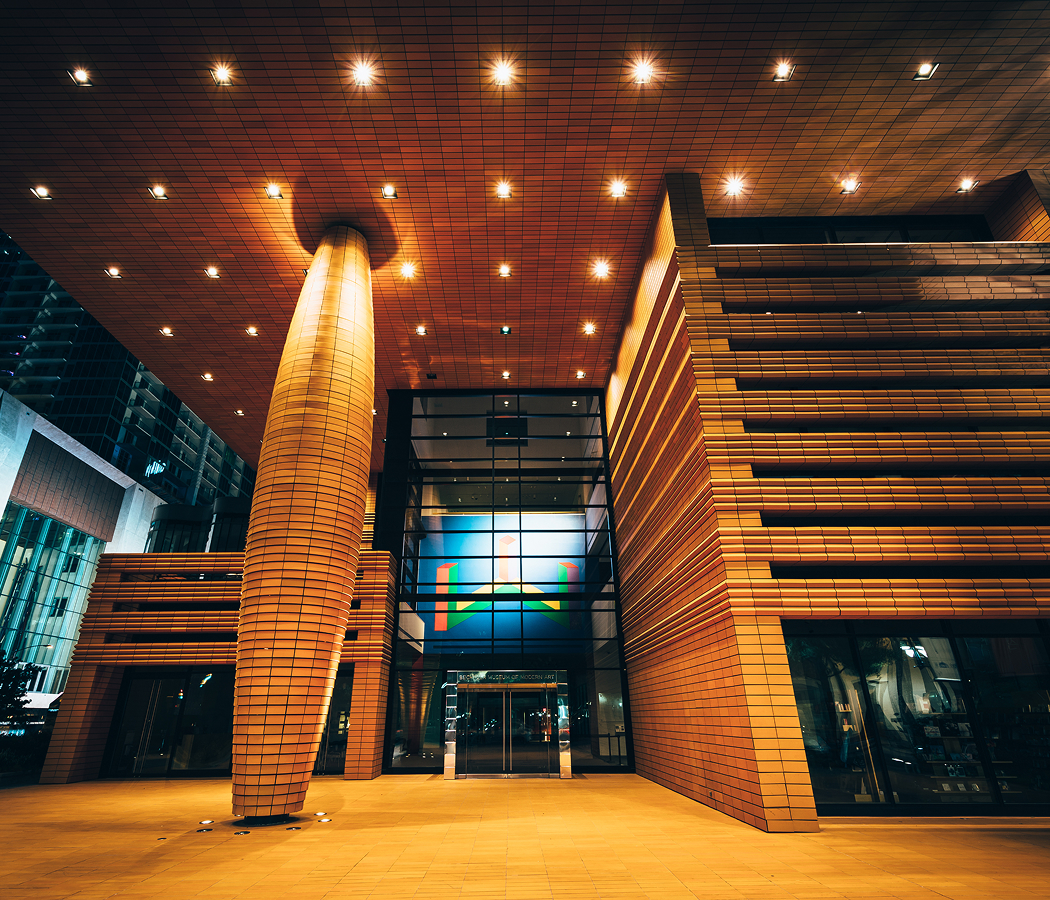
Why you should experience Central Avenue in Atlanta, Georgia.
Central Avenue is a storied corridor where South Downtown's commercial legacy, civic history, transportation heritage, and architectural continuity reveal one of Atlanta's original urban thoroughfares.
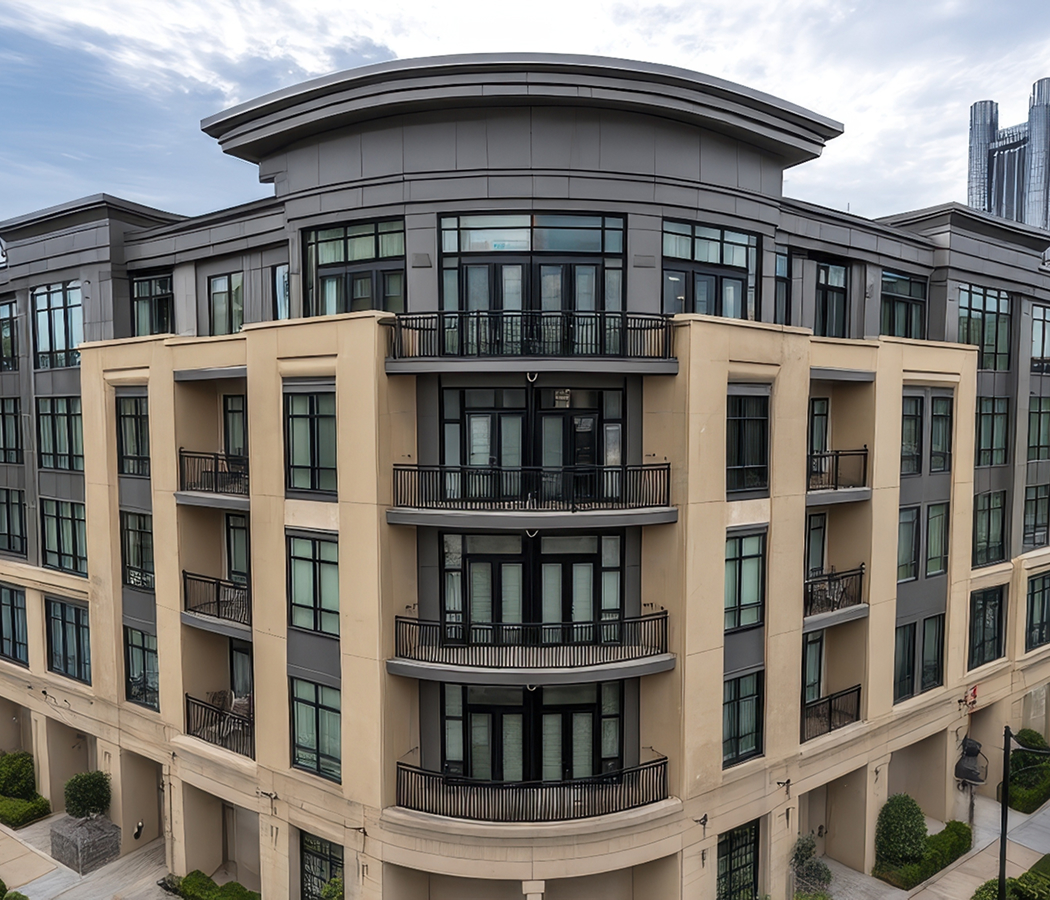
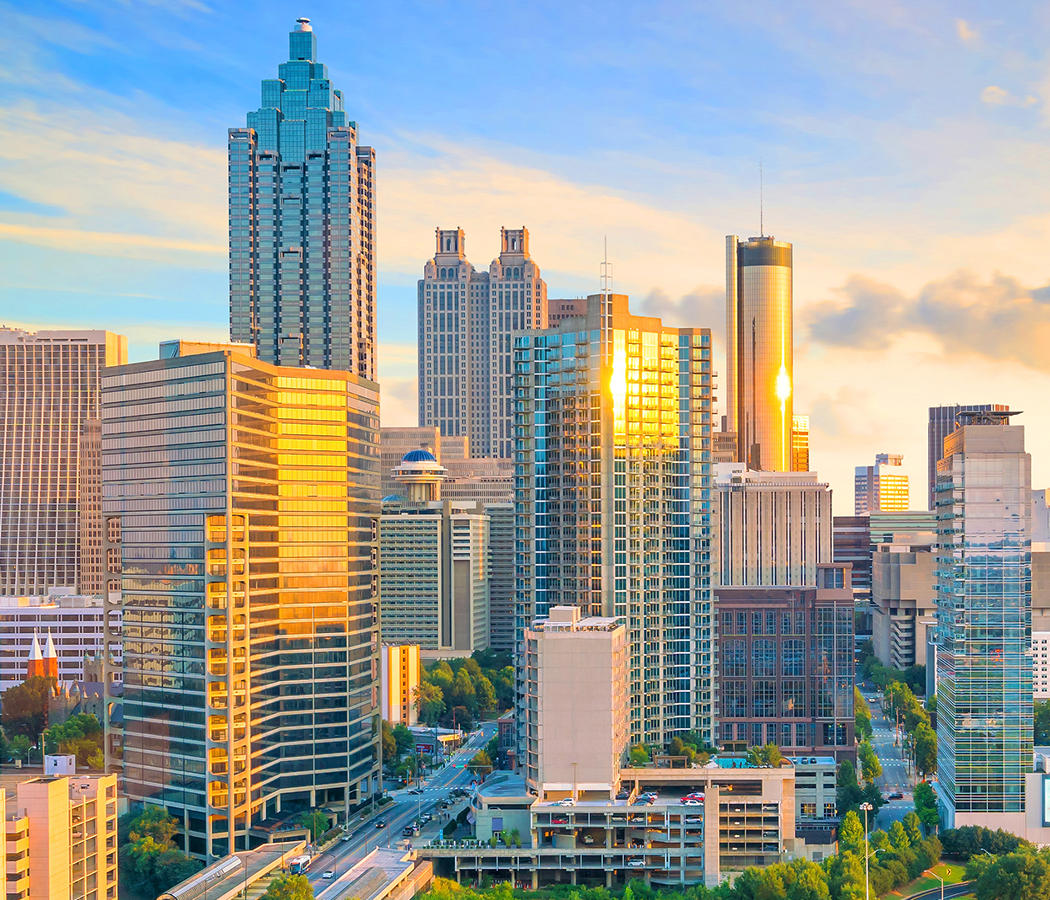
Running through South Downtown between Downtown and Summerhill, the corridor connects historic commercial blocks, government buildings, educational institutions, and longstanding business districts that collectively reflect Atlanta's evolution from a nineteenth-century railroad crossroads into the capital of the modern Southeast. Successive blocks reveal how commerce, public investment, and transportation infrastructure established a streetscape that continues preserving layers of more than a century of metropolitan growth. Early twentieth-century masonry buildings, institutional architecture, preserved storefronts, and broad urban corridors document an environment shaped by continuous civic and commercial activity. The result is an experience defined by continuity, resilience, and one of Atlanta's most historically significant corridors.
What you should know about Central Avenue.
Central Avenue is best known for emerging as one of Atlanta's principal commercial streets following the city's post-1864 reconstruction after the Civil War, when rebuilding efforts transformed the railroad hub into the Southeast's leading center of commerce and distribution. During the late nineteenth and early twentieth centuries, the corridor developed as the heart of Atlanta's wholesale produce and food distribution district, with commission houses, cold-storage warehouses, freight businesses, and produce merchants operating from substantial brick commercial buildings that supplied retailers throughout Georgia and the broader Southeast. Construction between the 1890s and 1930s introduced multistory masonry buildings featuring load-bearing brick walls, heavy timber structural systems, cast-iron storefront columns, pressed-metal cornices, and expansive loading bays designed to support wholesale trade connected to nearby railroad terminals. The avenue also became associated with Atlanta's historic Municipal Market, opened in 1924 within a former department store building that continues serving as one of the city's oldest continuously operating public markets. Collectively, the city's postwar reconstruction, wholesale produce economy, Municipal Market, railroad commerce, and enduring commercial architecture established Central Avenue as one of Atlanta's defining historic corridors.
Expansion of nearby Georgia State University and preservation initiatives within South Downtown encouraged adaptive rehabilitation of historic commercial buildings while retaining original masonry façades, ornamental brickwork, granite curbing, and traditional storefront proportions that continue defining the corridor's architectural character. Surviving warehouse buildings preserve timber framing, freight-oriented loading configurations, steel industrial sash windows, and broad floor plates that demonstrate construction practices associated with Atlanta's emergence as the Southeast's principal distribution center. Continued investment in streetscape improvements, pedestrian connectivity, and commercial revitalization has strengthened the avenue's civic role while respecting the historic urban fabric established during its formative decades. Ultimately the combined influence of railroad commerce, wholesale distribution, architectural preservation, and institutional reinvestment demonstrates how Central Avenue continues expressing the remarkable evolution of South Downtown.
How to fold Central Avenue into your trip.
Central Avenue works as an exploration of Atlanta's commercial heritage, civic landmarks, and urban evolution.
Begin at Municipal Market, where nearly a century of public market tradition introduces the commercial history that shaped the surrounding district before naturally leading along Central Avenue. Continue to Underground Atlanta, where preserved viaducts, historic storefronts, and layered transportation history deepen appreciation for Downtown's nineteenth-century foundations while extending the experience through one of the city's most recognizable historic districts. Conclude at Georgia State Capitol, where the gold-domed landmark provides a fitting finale celebrating the civic institutions that have guided Georgia since 1889 while overlooking the historic streets that fueled Atlanta's commercial rise. The progression moves naturally from public commerce to preserved urban history before concluding with statewide civic leadership, revealing why Central Avenue remains one of Atlanta's defining historic corridors.
Where your story begins.
Foresyte Travel reveals places that feel extraordinary long before you arrive.
Experience premium editorial crafted for luxury travelers.