Why Central Park matters.
Central Park is a quiet intown green space where shaded trails, open lawns, and Midtown neighborhood life unfold at a slower and more grounded pace.
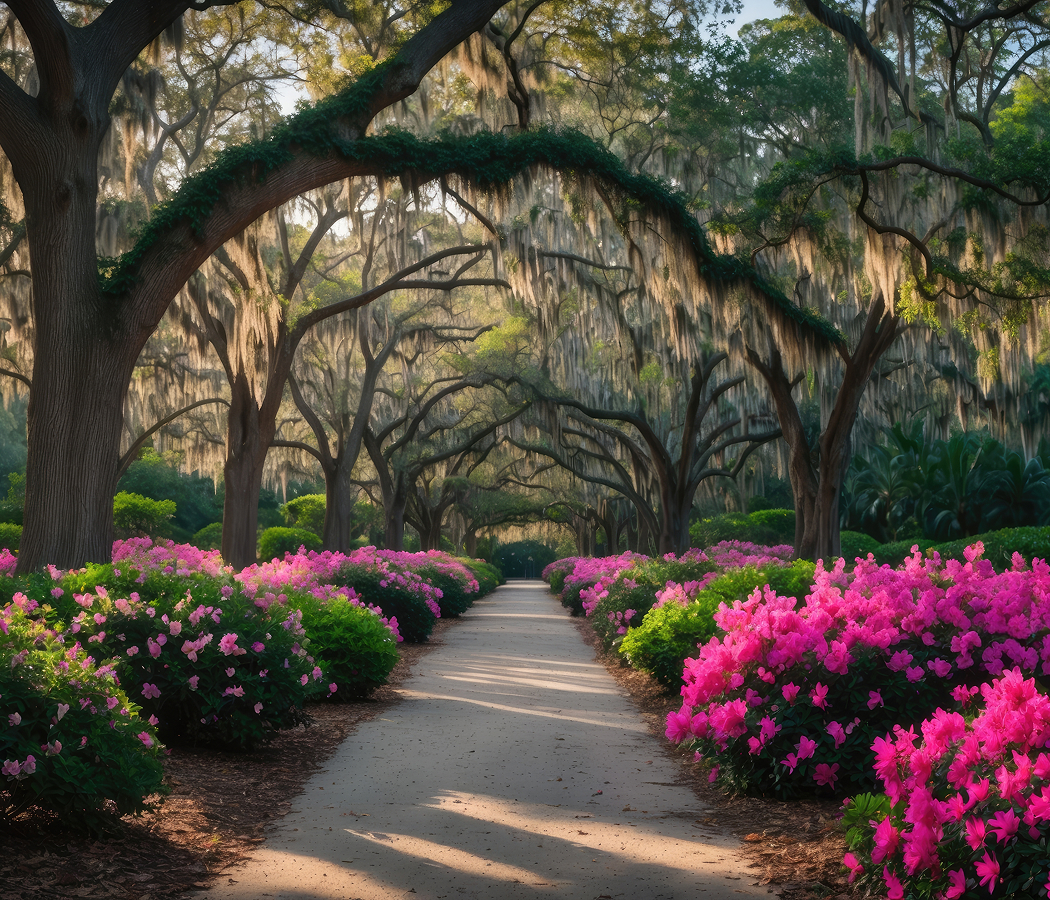
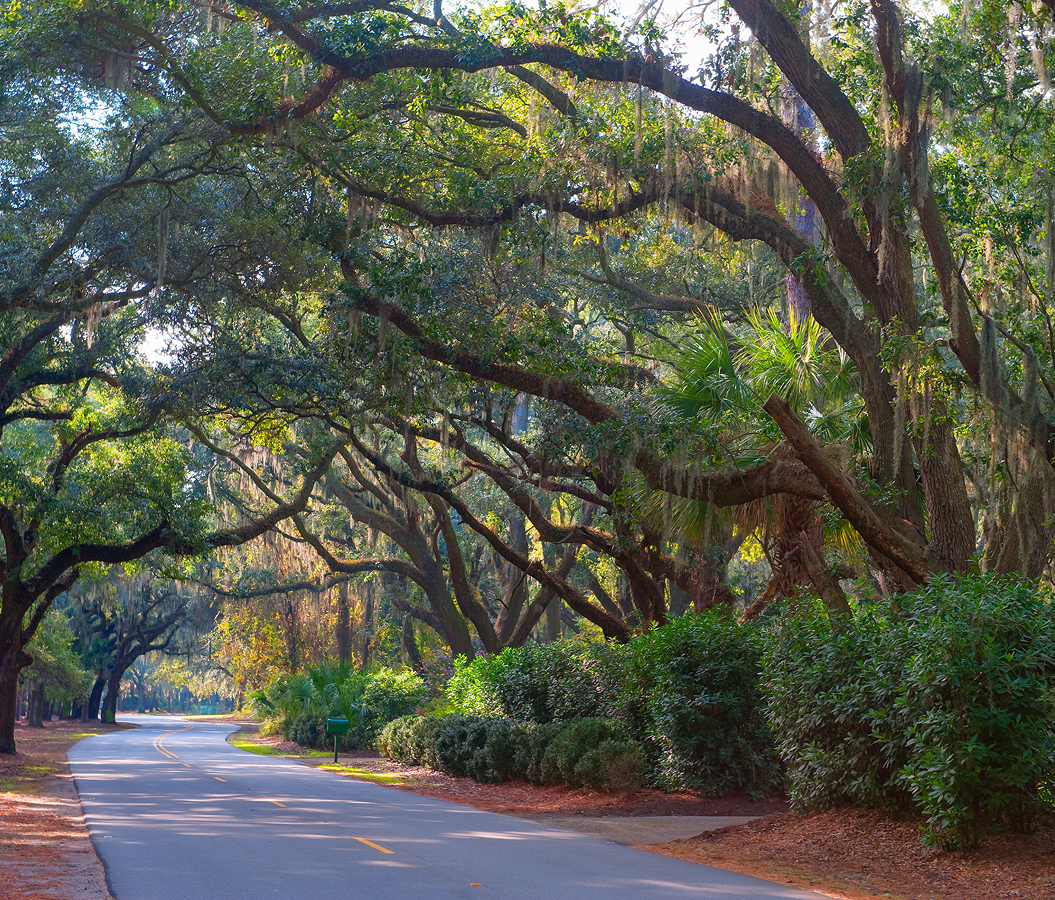
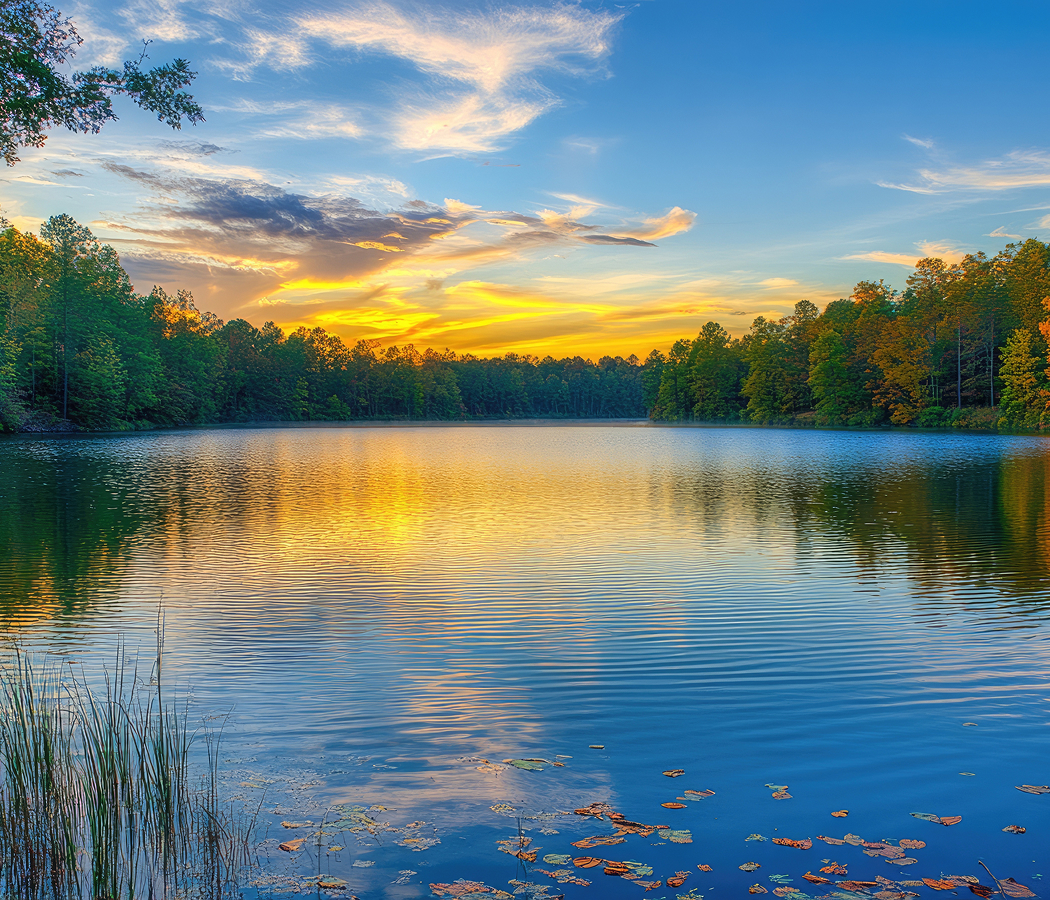
Set along Merritts Avenue NE near Midtown and just steps from Ponce City Market and the BeltLine corridor, this understated urban park carries the unmistakable atmosphere of a place built less around performance and more around everyday rhythm, dog walks, pickup games, shaded afternoons, and the soft relief of open space inside a fast-moving city. The shift feels immediate once you enter the park itself. Traffic noise softens beneath rustling trees and distant conversation, sunlight filters across wide grassy fields and winding paved paths, and the surrounding skyline begins to feel farther away than it actually is. Nothing about Central Park feels heavily programmed or overly curated. The space leans fully into accessibility, neighborhood familiarity, and the quiet comfort of an urban park woven naturally into daily Atlanta life. It is where people jog without urgency, where friends gather casually beneath the trees, and where Midtown briefly exhales into something calmer and more human.
What defines Central Park.
Central Park occupies an important role within Midtown's residential and recreational landscape, balancing open green space with the density and growth surrounding it.
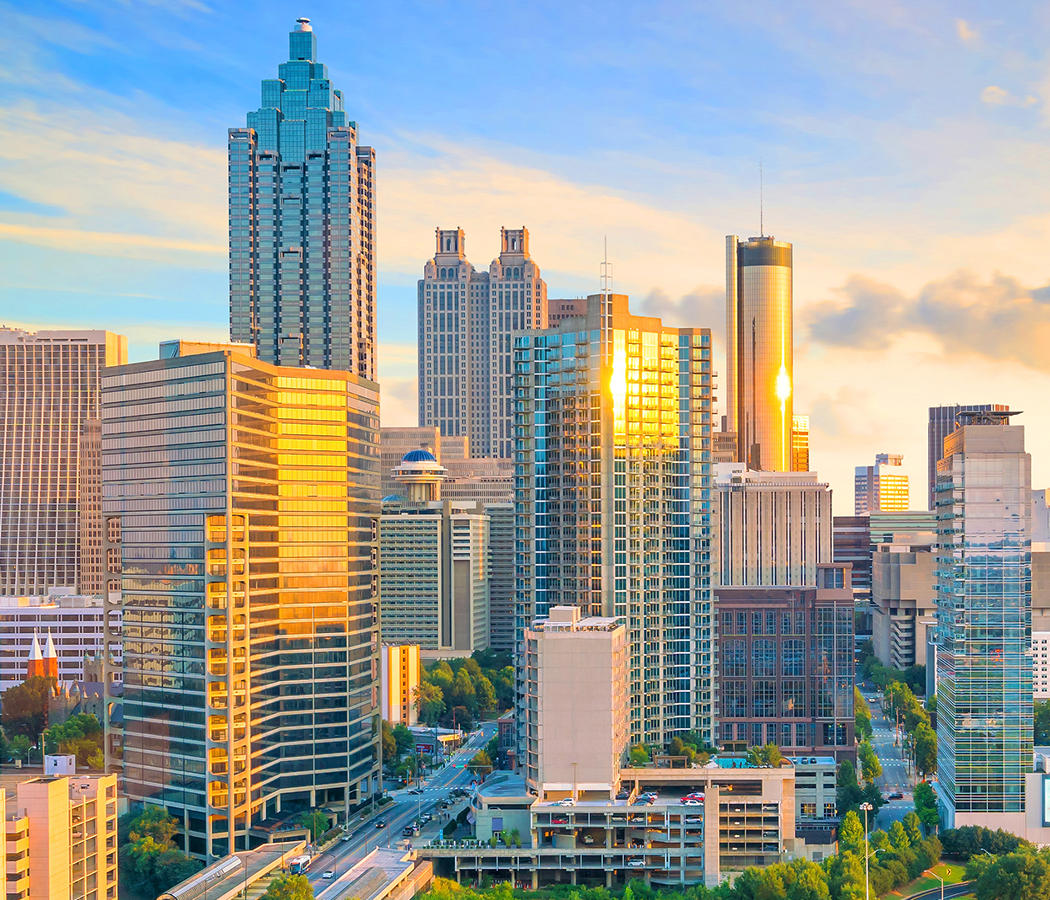
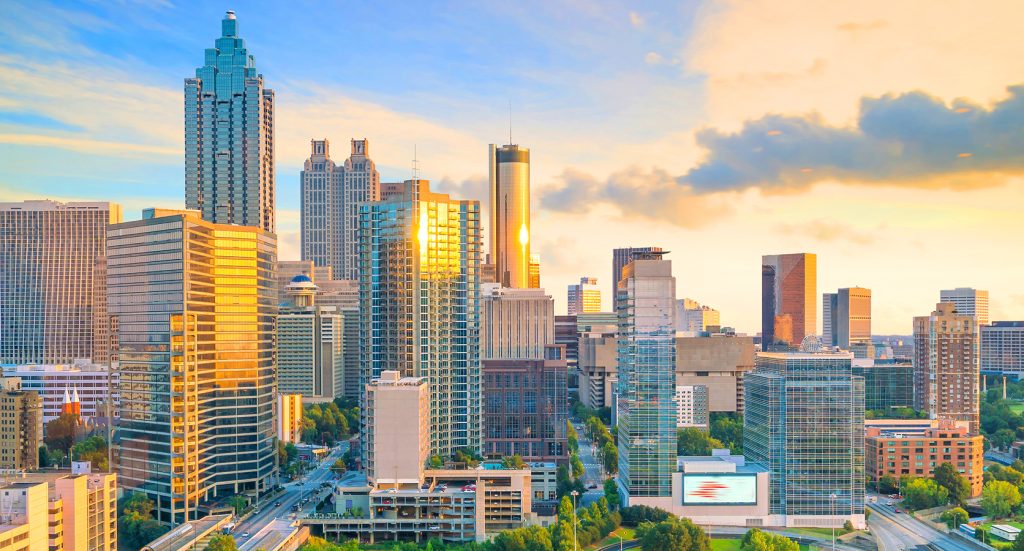
The park reflects a quieter side of Atlanta's urban identity, functioning less as a tourist destination and more as a true neighborhood commons used continuously by locals throughout the week. Open lawns, sports courts, walking paths, playground areas, and shaded gathering spaces shape the park's rhythm from morning through evening. The surrounding Midtown and Old Fourth Ward districts continue evolving rapidly around new residential towers, restaurants, and BeltLine activity, yet Central Park preserves a softer and more relaxed atmosphere within that movement. What distinguishes Central Park most clearly is its sense of everyday functionality. The park does not rely on expansive landmarks or highly choreographed attractions to create meaning. Instead, it operates through repetition and routine, morning joggers moving along the paths, dog owners gathering near open fields, children playing beneath the trees, and neighbors using the space as an extension of the surrounding community itself. In a city increasingly defined by development and momentum, Central Park quietly preserves the slower cadence of neighborhood life unfolding outdoors.
How Central Park fits.
Central Park works as a slower daytime reset while exploring Midtown, the BeltLine, or nearby eastside neighborhoods.
Visit during the morning or late afternoon when the park feels coolest and the surrounding neighborhood settles into its most relaxed rhythm beneath soft natural light. Bring coffee, take a walk through the paths, or simply find a shaded bench long enough to absorb the atmosphere around you. The experience rewards stillness and observation more than structured activity. Conversations drift softly across the lawns, dogs weave through the grass, and the skyline peeks quietly through the trees. Central Park fits especially well into itineraries centered around neighborhood exploration, slower pacing, and discovering the quieter layers of Atlanta beyond its restaurants and nightlife corridors. Pair the park with nearby cafés, BeltLine walks, or Midtown dining to fully appreciate how naturally the green space folds into the rhythm of the surrounding city.
Where your story begins.
Foresyte Travel reveals places that feel extraordinary long before you arrive.
Enjoy editorial crafted for luxury travelers.
Foresyte may earn a commission when you book.