Why you should experience Cobb Parkway in Atlanta, Georgia.
Cobb Parkway is an enterprising corridor where Cumberland's commercial prominence, transportation legacy, regional commerce, and metropolitan growth define one of Northwest Atlanta's most influential arterial roads.
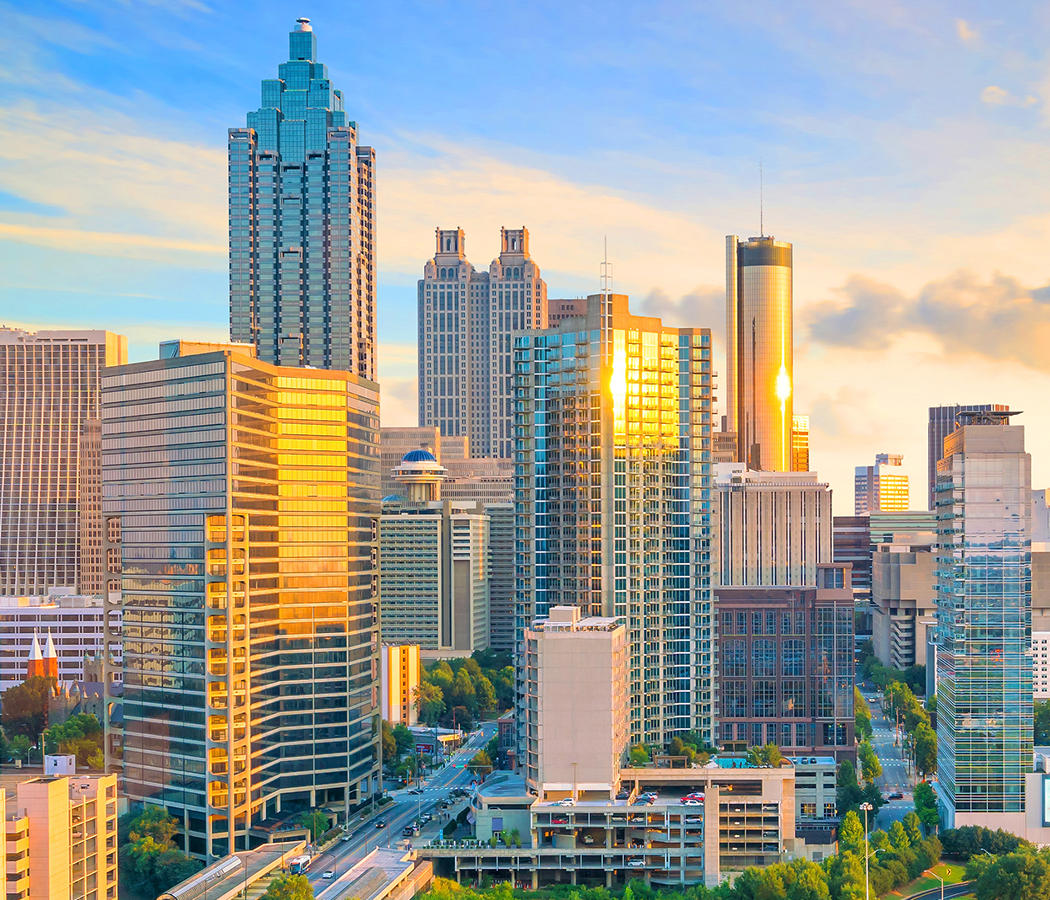
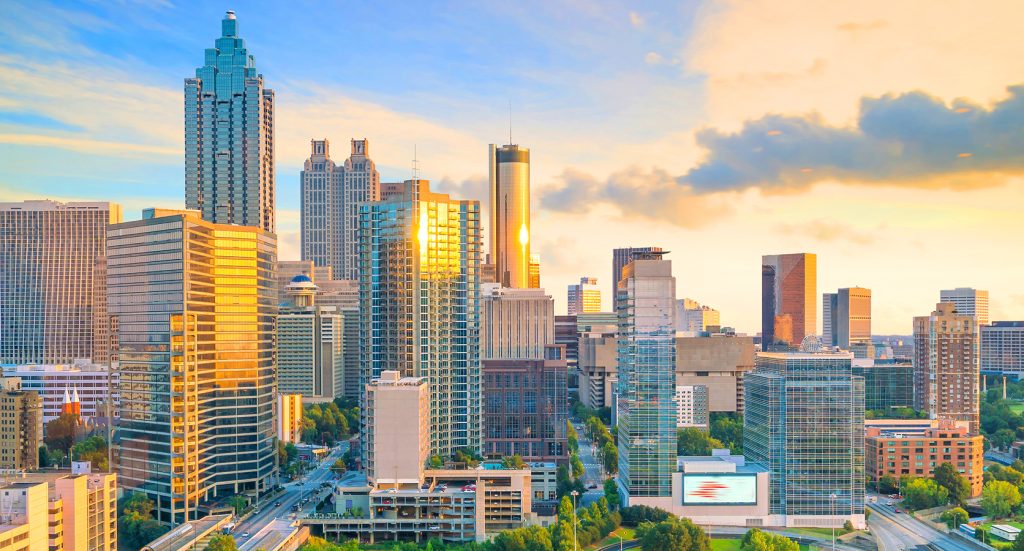
Running through Cumberland between Chattahoochee and Wildwood, the corridor connects corporate campuses, regional retail destinations, hospitality centers, and entertainment districts that collectively reflect the area's transformation into one of the Southeast's largest suburban employment hubs. Successive segments reveal how highway engineering, postwar commercial expansion, and sustained private investment established a thoroughfare that continues serving as a principal gateway into metropolitan Atlanta. Contemporary office towers, regional shopping centers, hotel campuses, and landscaped boulevards preserve a corridor shaped by more than seven decades of economic development. The result is an experience defined by ambition, accessibility, and one of Georgia's most significant commercial corridors.
What you should know about Cobb Parkway.
Cobb Parkway is best known as the modern alignment of U.S. Route 41, a north-south federal highway designated in 1926 that stretches from Miami, Florida, to Michigan's Upper Peninsula and has long served as one of Georgia's principal highway corridors. The roadway evolved from the earlier Dixie Highway network established in 1915, whose automobile-era routing accelerated commercial growth throughout Cobb County decades before the construction of the Interstate Highway System. Completion of nearby Interstate 75 during the 1960s fundamentally reshaped development along Cobb Parkway by attracting corporate headquarters, regional shopping destinations, automobile dealerships, hospitality facilities, and distribution centers that transformed Cumberland into one of the Southeast's largest suburban employment districts. Opening of Cumberland Mall in 1973 established one of metropolitan Atlanta's first major regional enclosed shopping centers, reinforcing the corridor's commercial importance while stimulating continued investment in office towers, hotels, and supporting infrastructure. Collectively, the federal highway designation, Dixie Highway legacy, interstate expansion, regional retail development, and sustained corporate investment established Cobb Parkway as one of metropolitan Atlanta's defining transportation corridors.
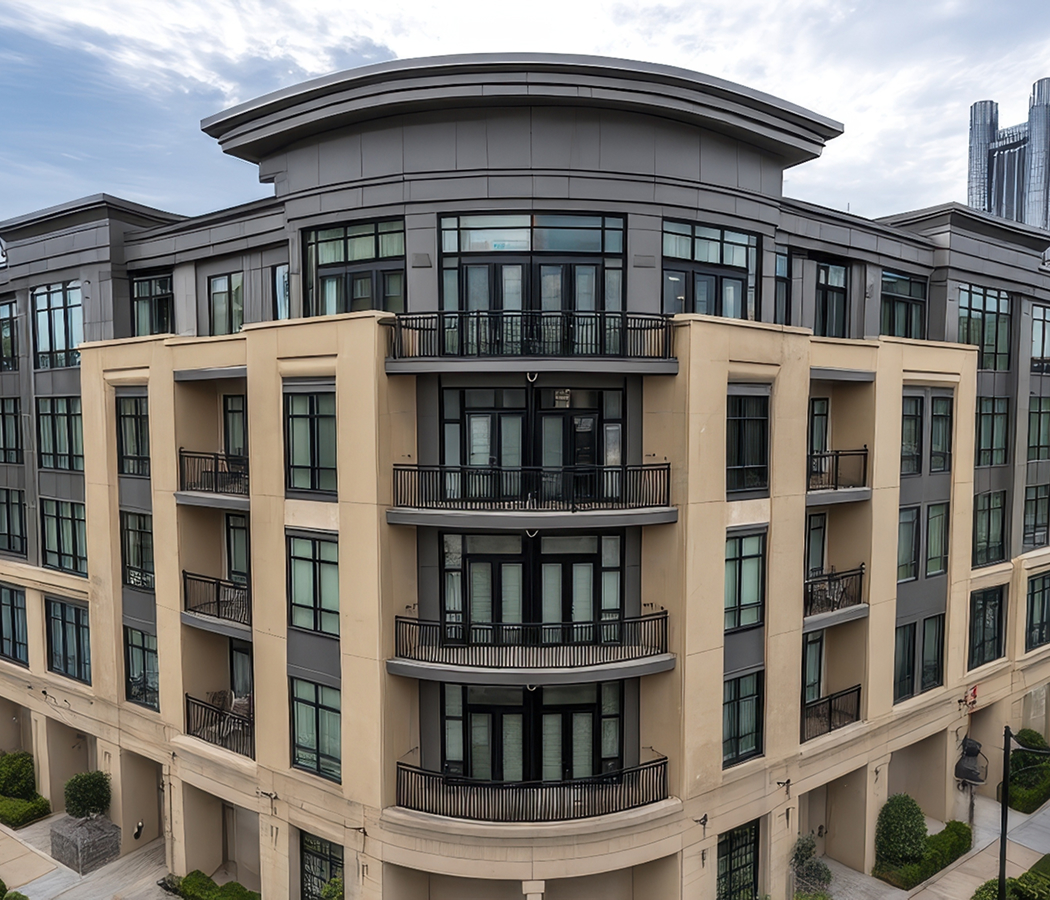
Formation of the Cumberland Community Improvement District in 1988 accelerated coordinated transportation improvements that introduced landscaped medians, intersection modernization, pedestrian enhancements, intelligent traffic systems, and multimodal infrastructure supporting one of Georgia's busiest employment centers. Tributaries within the Chattahoochee River watershed continue influencing bridge engineering, drainage design, stormwater management, and landscape preservation across the corridor's extensive transportation network. Corporate campuses, hospitality developments, and commercial buildings preserve successive generations of reinforced concrete construction, structural steel framing, reflective curtain-wall architecture, and coordinated site planning that collectively document the district's continuing economic evolution. Ultimately the combination of federal transportation history, regional commercial investment, and long-term infrastructure modernization demonstrates how Cobb Parkway continues expressing the remarkable growth of northwest metropolitan Atlanta.
How to fold Cobb Parkway into your trip.
Cobb Parkway works as an exploration of Cumberland's entertainment, recreation, and regional attractions.
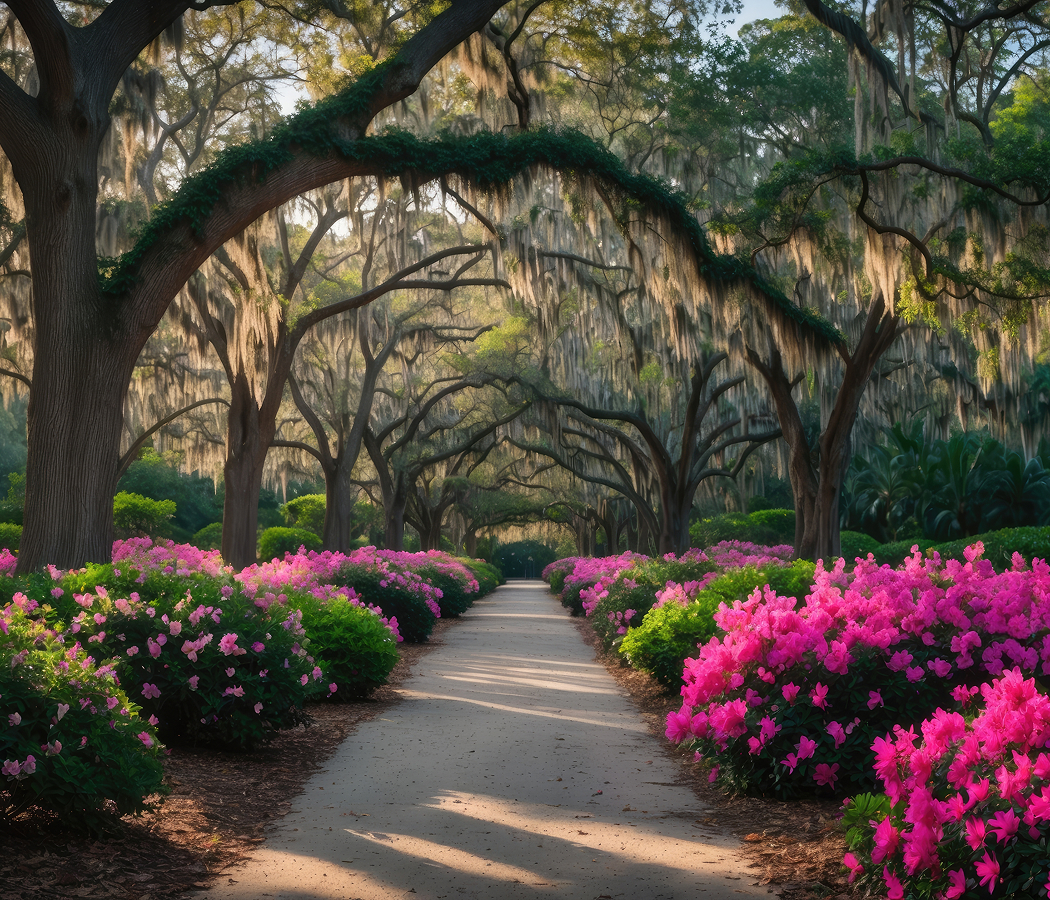
Begin at The Battery Atlanta, where restaurants, public gathering spaces, and year-round programming introduce the district's contemporary character before naturally leading along Cobb Parkway. Continue to Truist Park, where the home of the Atlanta Braves deepens appreciation for Cumberland's emergence as one of the Southeast's premier entertainment destinations while extending the experience through its most celebrated venue. Conclude at Chattahoochee River National Recreation Area - Cochran Shoals Unit, where riverside trails, protected woodland, and sweeping views of the Chattahoochee provide a fitting finale celebrating the natural landscape that has influenced regional development for generations. The progression moves naturally from energetic commercial life to professional sports before concluding within one of metropolitan Atlanta's most treasured natural environments, revealing why Cobb Parkway remains the defining transportation spine of the Cumberland district.
Where your story begins.
Foresyte Travel reveals places that feel extraordinary long before you arrive.
Experience premium editorial crafted for luxury travelers.