Why you should experience Circular's Graveyard in Charleston, South Carolina.
The Colonial Churchyard is a sacred patch of earth where Charleston's earliest stories rest beneath layers of moss, marble, and memory.
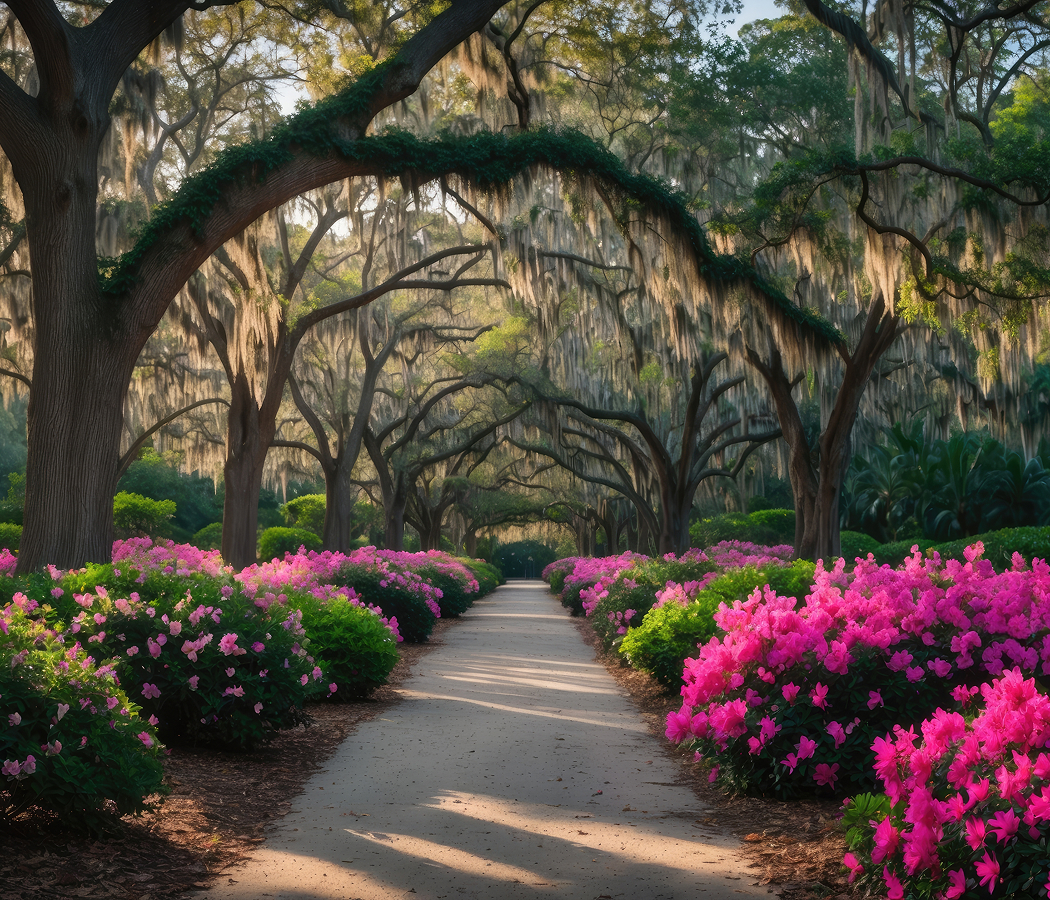
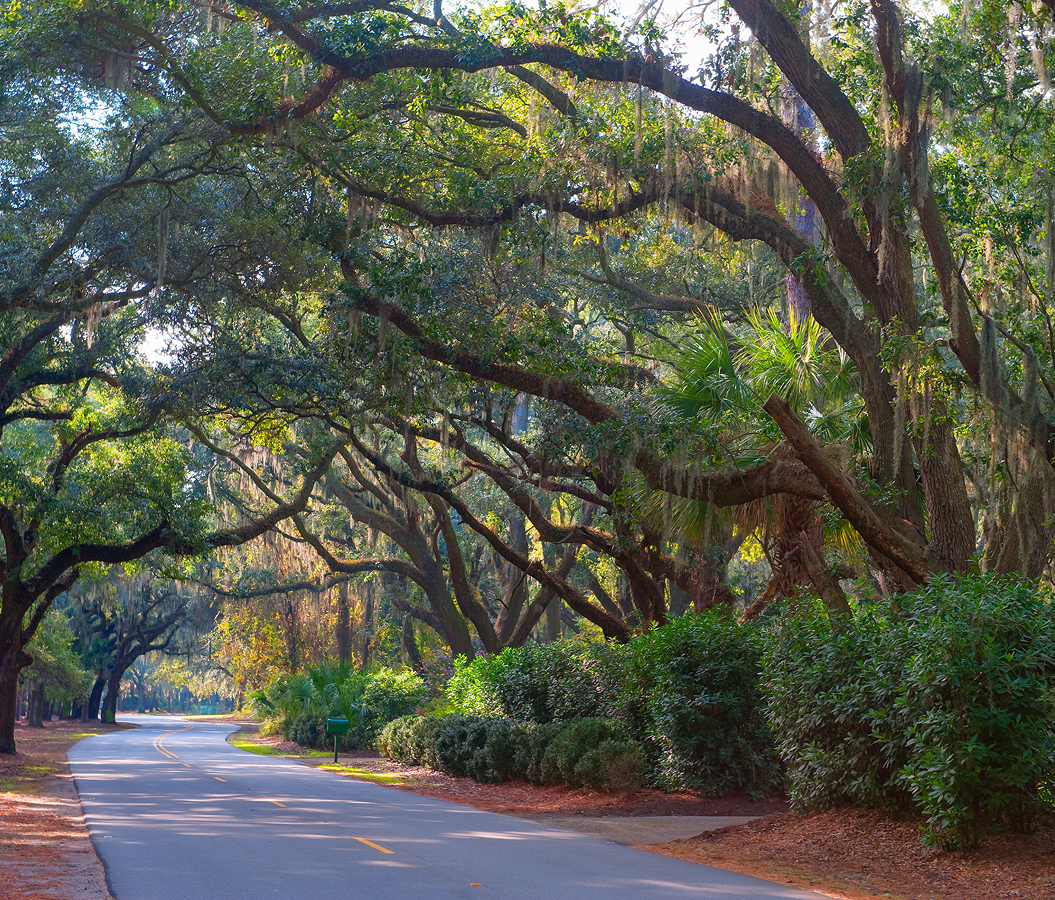
This historic burial ground, shaded by centuries-old live oaks and framed by crumbling brick walls, dates back to the 1600s and holds the remains of many of the city's founders, merchants, and ministers. The air carries a solemn stillness here, the kind that softens your step and lowers your voice as you wander among weathered headstones inscribed with fading script. Time has turned the slate markers green, and the pathways curve gently through plots that seem almost overgrown with grace. Whether you're tracing lineage or simply seeking a quiet corner of Charleston's soul, the Colonial Churchyard offers a humbling reminder: history is not just written in books, it's carved in stone, buried in roots, and spoken softly by the wind.
What you should know about Circular's Graveyard.
Every headstone here tells a chapter of Charleston's rise, resilience, and faith.
Among the graves lie early governors, Revolutionary patriots, and families who helped shape the city's social and spiritual fabric. Many of the tombs predate the American Revolution, and the inscriptions, though faded, still echo the language of the era: “departed this life,” “in the year of our Lord,” and “awaiting resurrection.” During the city's colonial years, the churchyard was both a burial ground and a gathering place, a site of mourning and communion where Charleston's citizens found comfort amid hardship. Hurricanes, fires, and even cannon fire from the Civil War scarred these grounds, but they endure as a living museum of faith and endurance. Some stones tilt, others sink slightly into the earth, yet together they form a mosaic of continuity, Charleston's heartbeat slowed to a whisper, but never silenced.
How to fold Circular's Graveyard into your trip.
Visiting the Colonial Churchyard Cemetery in Charleston rewards those who move slowly and listen closely.
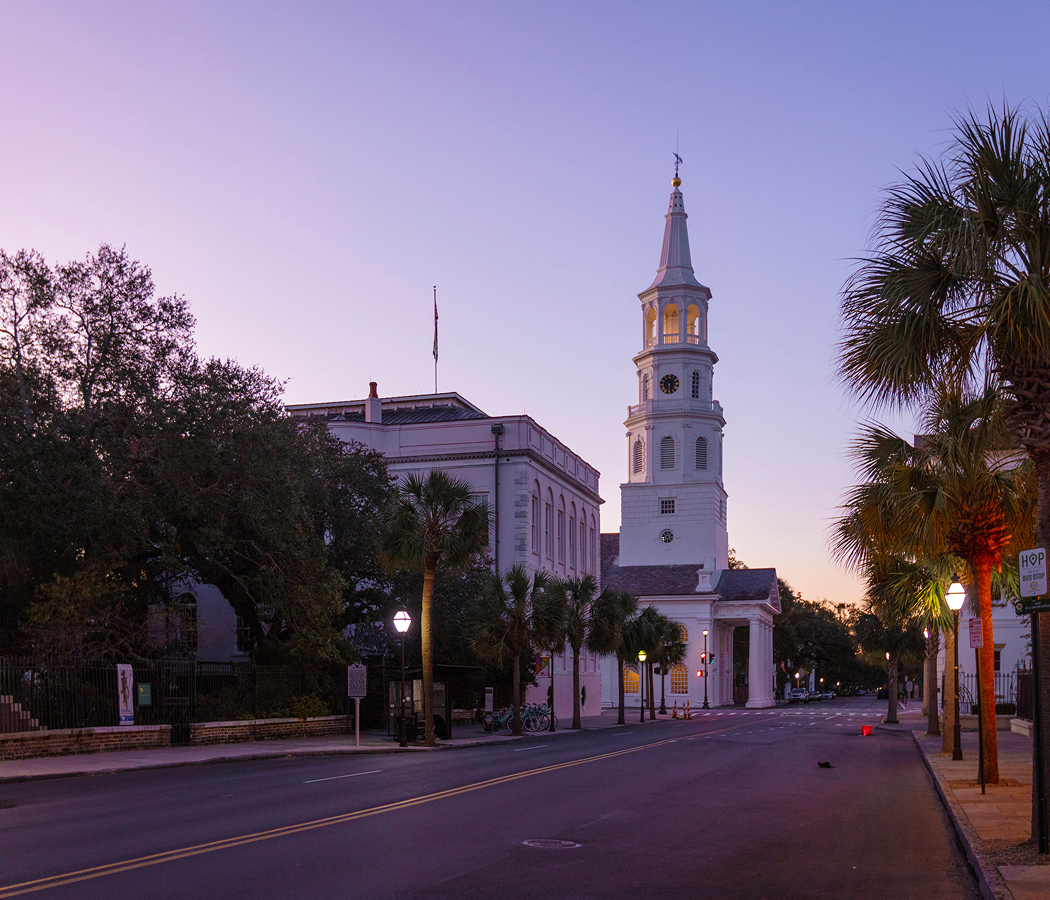
Enter through its wrought-iron gates in the early morning or near sunset, when the light filters through Spanish moss in golden streaks. As you wander, pause to read the epitaphs and feel the weight of centuries beneath your feet. Bring a small notebook or camera to capture the artistry of the carvings, angels, urns, and weeping willows that reflect the beliefs of another age. Pair your visit with a stop at nearby St. Michael's or St. Philip's Church to see how these resting places intertwine with Charleston's religious and civic history. Afterward, stroll toward Meeting Street for a quiet coffee or reflection, letting the peace of the churchyard linger, as it has for over three hundred years, in the heart of the Holy City.
Where your story begins.
Foresyte Travel reveals places that feel extraordinary long before you arrive.
Experience premium editorial crafted for luxury travelers.