Why Cortland Street matters.
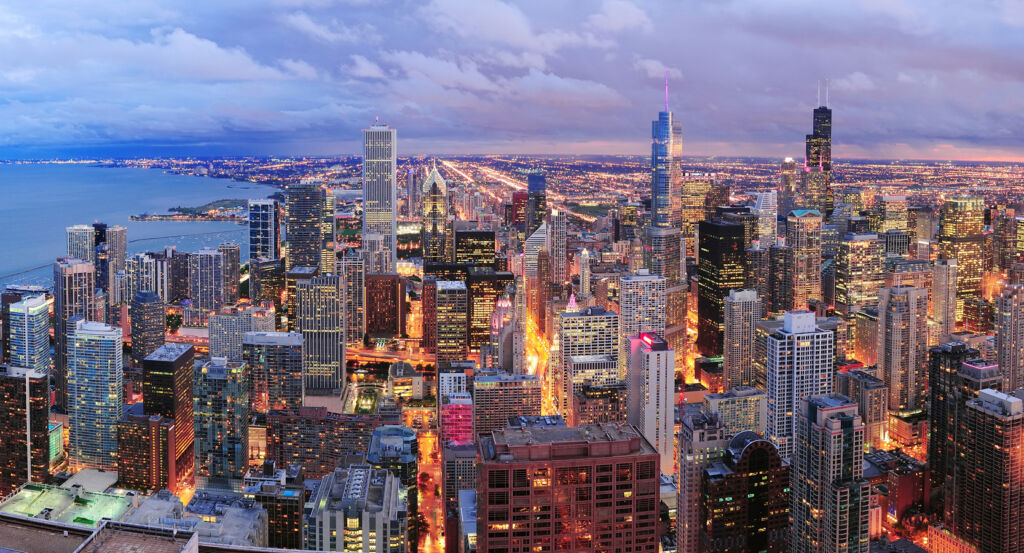
Cortland Street is a character-rich urban corridor where industrial history, artistic reinvention, and neighborhood culture converge along one of Chicago's most distinctive streets.
Running through Bucktown between Wicker Park and Logan Square, this historic corridor connects converted industrial buildings, neighborhood business districts, public gathering spaces, creative studios, residential communities, and cultural landmarks that have shaped local life for generations. Historic factories, brick warehouses, community gathering places, locally owned businesses, architectural landmarks, and energetic streetscapes create an environment defined by reinvention and authenticity. The corridor evolved alongside Chicago's manufacturing boom before becoming part of the city's broader transition toward creative industries and residential revitalization. Entrepreneurs, artists, developers, civic leaders, and residents helped establish a reputation rooted in innovation, craftsmanship, and neighborhood pride. The result is a street defined by historical depth, creative energy, and enduring local character.
What defines Cortland Street.
Cortland Street is best known for crossing the North Branch of the Chicago River beside the historic Cortland Street Bridge, among the few surviving examples of Chicago's once-common pony truss bascule bridges and a rare piece of transportation infrastructure that reflects the city's rise as an industrial and engineering powerhouse.
Completed in 1902 and later modified to accommodate evolving transportation needs, the bridge represents an important chapter in Chicago's development as a city shaped by waterways, manufacturing, and innovative engineering solutions. The surrounding river corridor became a vital industrial zone where factories, warehouses, and transportation networks fueled economic growth throughout the twentieth century. Today, the bridge serves as a visible reminder of the infrastructure that helped transform Chicago into one of America's great industrial cities. Few neighborhood streets retain such a direct connection to a surviving piece of early twentieth-century movable bridge engineering.
How Cortland Street fits.
Cortland Street works as an exploration of Chicago's industrial heritage, creative culture, and neighborhood evolution.
Begin at The Cortland Street Bridge, where the corridor's defining relationship with engineering, transportation, and urban growth immediately comes into focus. Continue toward The 606 Trail, whose innovative reuse of historic infrastructure reveals the creative and civic forces that helped shape the district across generations. From there, make your way to Holstein Park, where one of Bucktown's most cherished public spaces provides a broader perspective on the community traditions, recreational opportunities, and neighborhood character that continue to define the area today. Along the route, you'll encounter historic architecture, public gathering places, cultural destinations, neighborhood businesses, industrial landmarks, recreational amenities, and celebrated streetscapes that showcase the corridor's remarkable depth. The progression moves naturally from engineering landmark to adaptive-reuse success story to community park, revealing the forces that transformed Cortland Street into one of the city's most rewarding urban corridors. Cortland Street remains one of Chicago's most memorable streets, preserving a distinctive balance between historical significance, creative reinvention, and everyday livability within Bucktown.
Where your story begins.
Foresyte Travel reveals places that feel extraordinary long before you arrive.
Enjoy editorial crafted for luxury travelers.
Foresyte may earn a commission when you book.