Why you should experience Ellis Street in Atlanta, Georgia.
Ellis Street is a storied corridor where Downtown's entrepreneurial legacy, entertainment history, architectural evolution, and civic energy converge within one of the city's foundational streets.
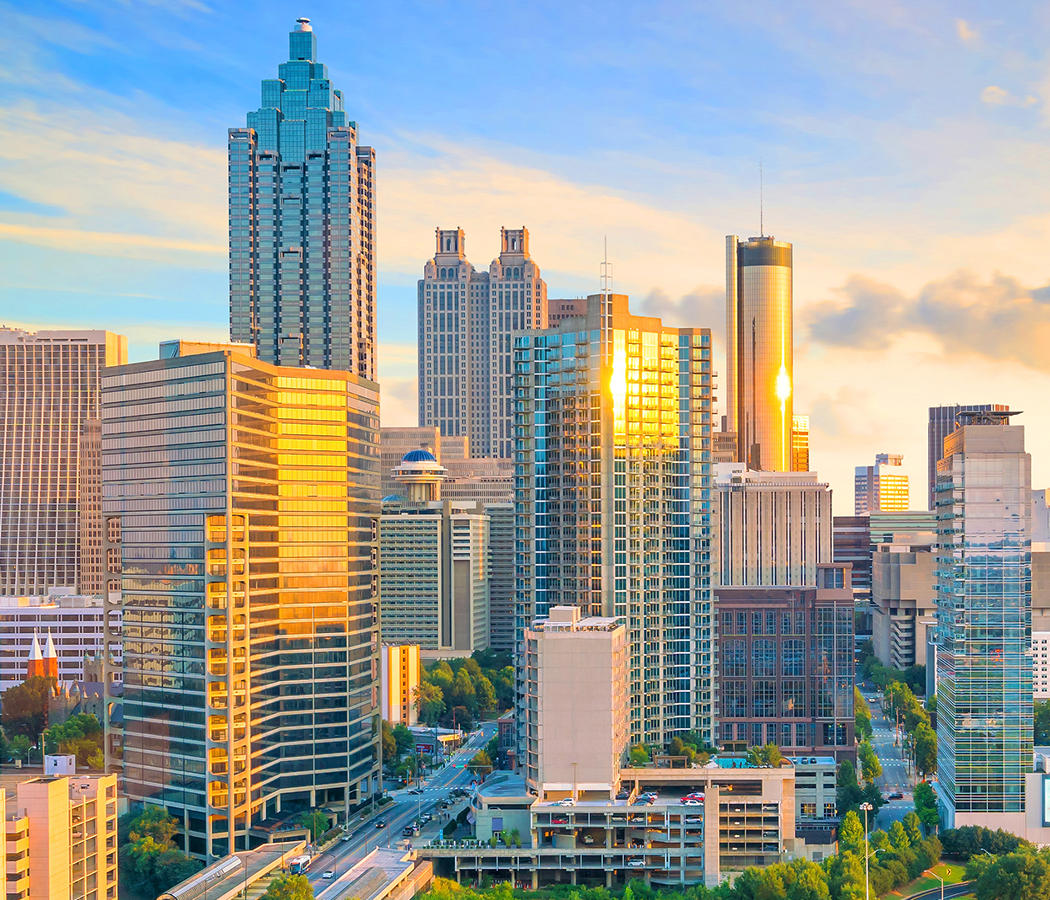
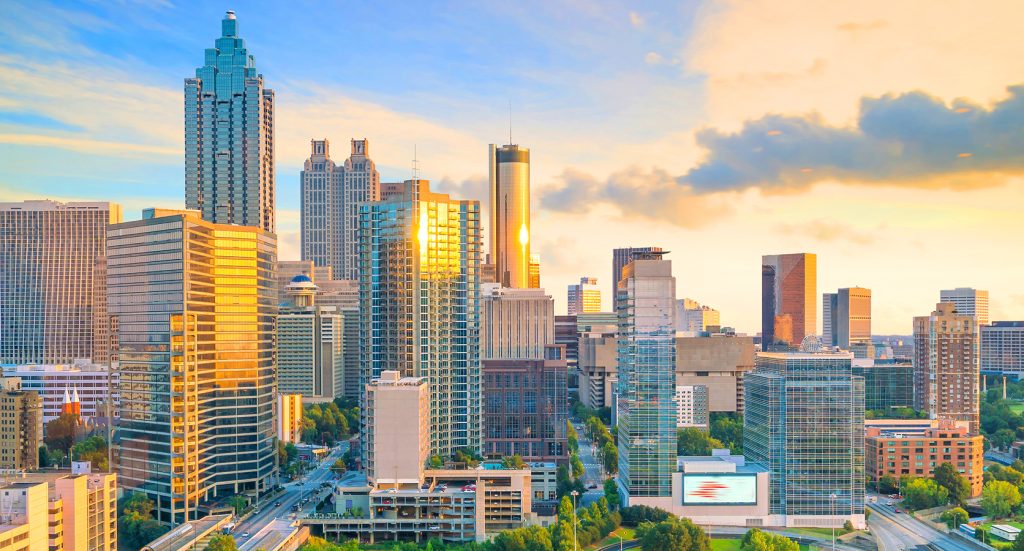
Running through Downtown between Fairlie-Poplar and South Downtown, the corridor connects historic commercial buildings, academic institutions, hospitality venues, and entertainment destinations that collectively reflect Atlanta's transformation from a railroad crossroads into the capital of the modern Southeast. Successive blocks reveal how commerce, education, and urban redevelopment established a streetscape that continues balancing nineteenth-century foundations with contemporary downtown life. Masonry commercial buildings, restored façades, institutional landmarks, and active pedestrian corridors preserve more than a century of metropolitan growth. The result is an experience defined by continuity, ambition, and one of Downtown's most enduring corridors.
What you should know about Ellis Street.
Ellis Street is best known for developing during Atlanta's rapid commercial expansion following the Civil War, when rebuilding efforts and the city's position as the Southeast's principal railroad hub accelerated construction throughout Downtown during the late nineteenth century. Commercial blocks erected between the 1880s and the 1920s introduced multistory brick buildings featuring load-bearing masonry walls, cast-iron storefront elements, pressed-metal cornices, timber floor systems, and large display windows designed to accommodate wholesalers, retailers, offices, and hospitality businesses serving the growing urban economy. The corridor became closely associated with Atlanta's expanding entertainment and lodging industries as theaters, hotels, restaurants, and commercial enterprises established a continuous urban streetscape near the city's principal transportation terminals. Continued investment throughout the twentieth century introduced institutional buildings, university facilities, and adaptive rehabilitation projects that preserved historic structures while supporting Downtown's changing economic role. Collectively, these layers of commercial expansion, architectural craftsmanship, hospitality, and institutional investment established Ellis Street as one of Downtown's defining historic corridors.
Preservation initiatives within the Fairlie-Poplar Historic District encouraged restoration of historic façades, decorative masonry, ornamental metalwork, and original storefront proportions while reinforcing the architectural continuity of the surrounding streetscape. Georgia State University expanded nearby academic facilities during the late twentieth and early twenty-first centuries, strengthening the corridor's educational presence through classroom buildings, student services, and pedestrian-oriented improvements integrated into the existing urban fabric. Granite curbing, historic alley connections, brick façades, ornamental window detailing, and preserved commercial proportions continue illustrating construction practices that defined Atlanta's central business district during its formative decades. Ultimately the combination of historic preservation, institutional growth, and enduring commercial architecture demonstrates how Ellis Street continues expressing the evolution of Downtown across successive generations.
How to fold Ellis Street into your trip.
Ellis Street works as an exploration of Downtown's history, culture, and civic life.
Begin at Fairlie-Poplar Historic District, where preserved late nineteenth- and early twentieth-century commercial architecture establishes the historical character surrounding Ellis Street before naturally leading through the downtown core. Continue to Woodruff Park, where public gathering spaces, civic programming, and the surrounding urban landscape deepen appreciation for Downtown's continuing vitality while extending the experience through one of the city's central public spaces. Conclude at The Tabernacle, where one of Atlanta's most celebrated performance venues provides the historical payoff by illustrating how historic architecture continues serving contemporary cultural life. Together, the sequence reveals how commerce, preservation, and public life have collectively shaped the enduring character surrounding Ellis Street.
Where your story begins.
Foresyte Travel reveals places that feel extraordinary long before you arrive.
Experience premium editorial crafted for luxury travelers.