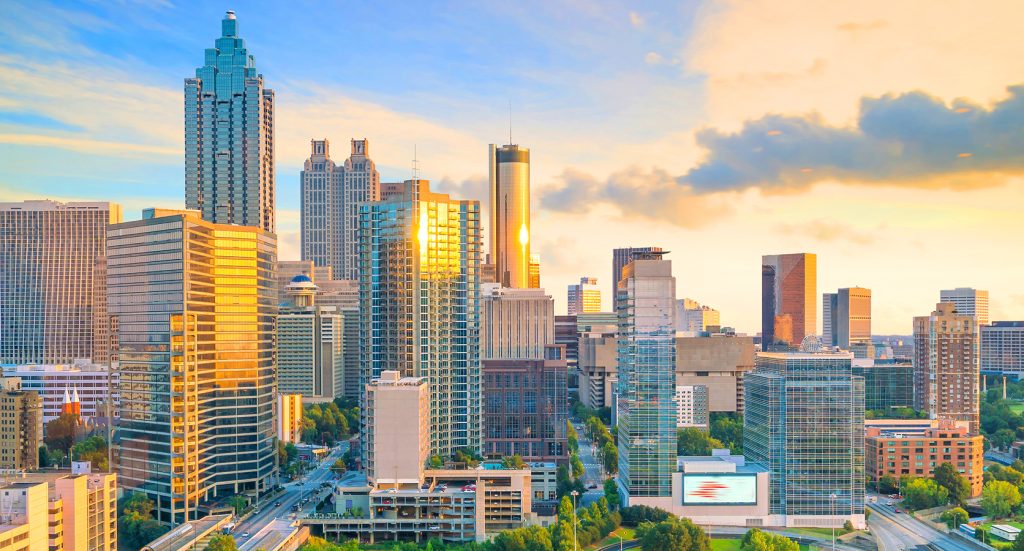
Why you should experience Fairlie-Poplar District in Atlanta, Georgia.
Fairlie-Poplar District is a beautifully preserved historic neighborhood where early skyscrapers, hidden cafés, and Downtown history create one of the city's most architecturally fascinating districts.
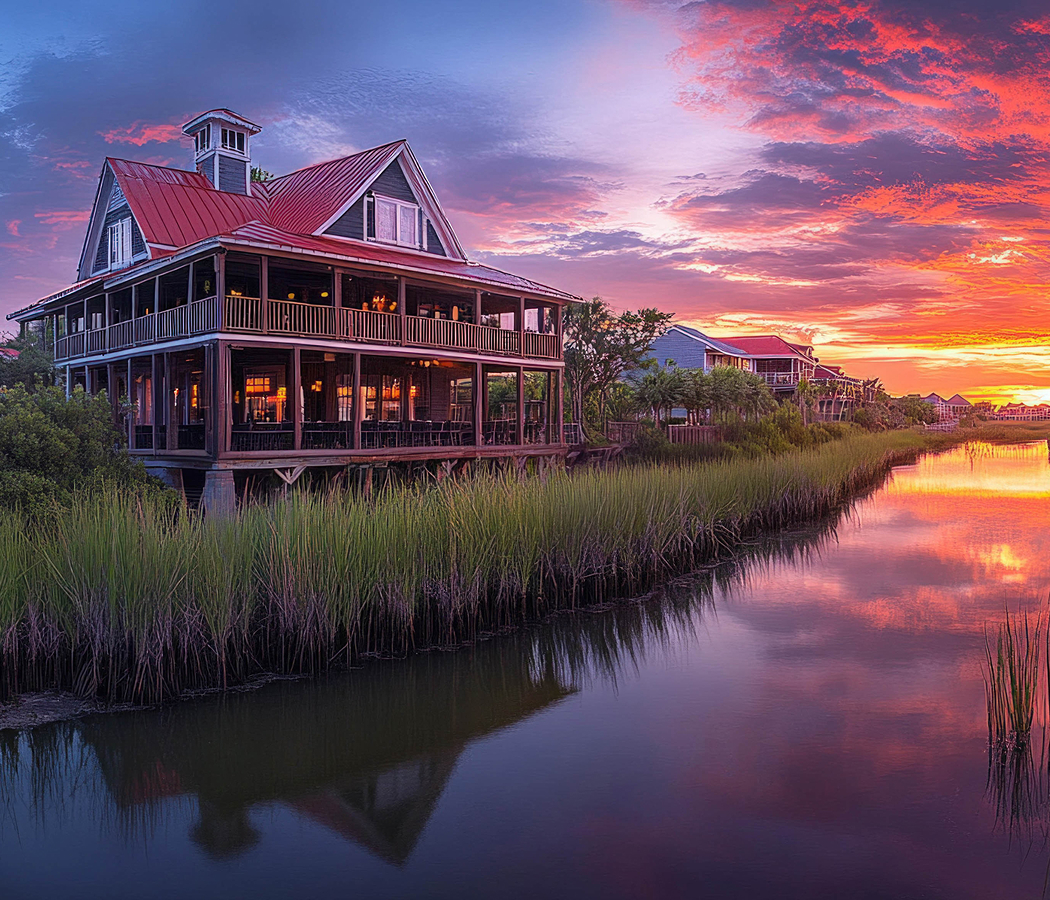
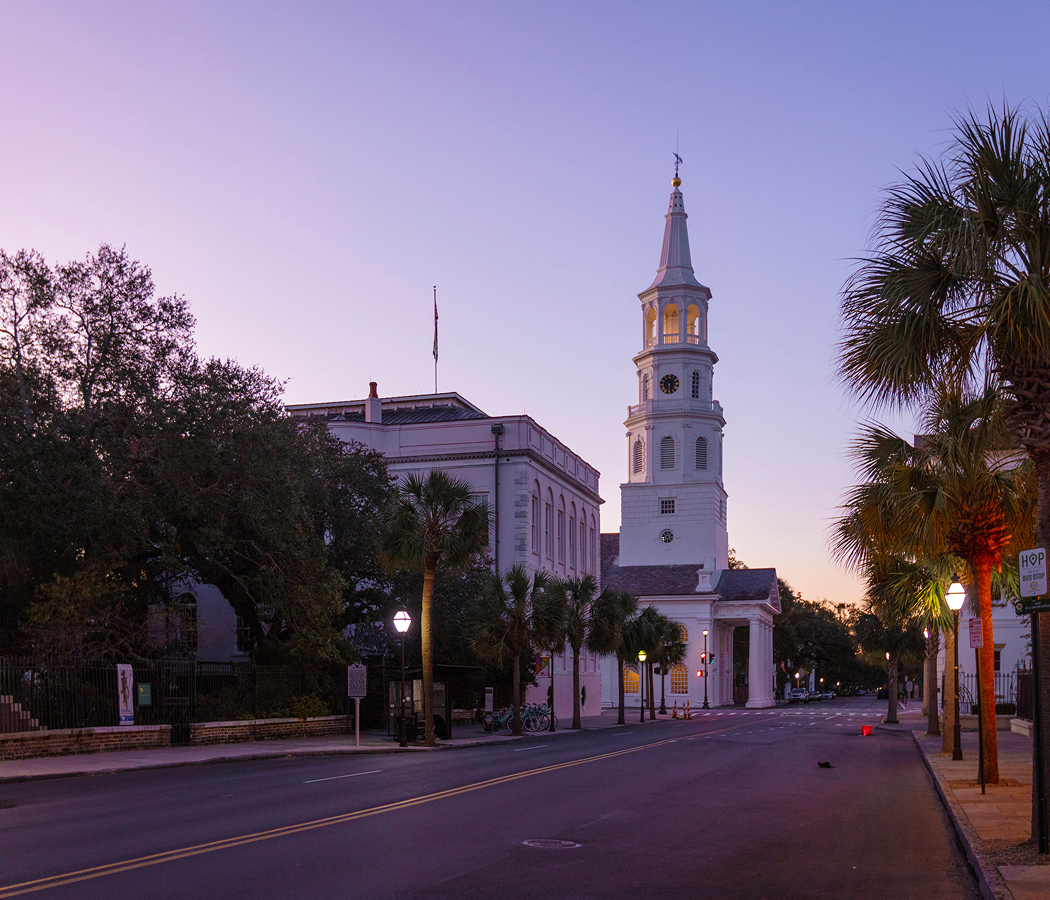
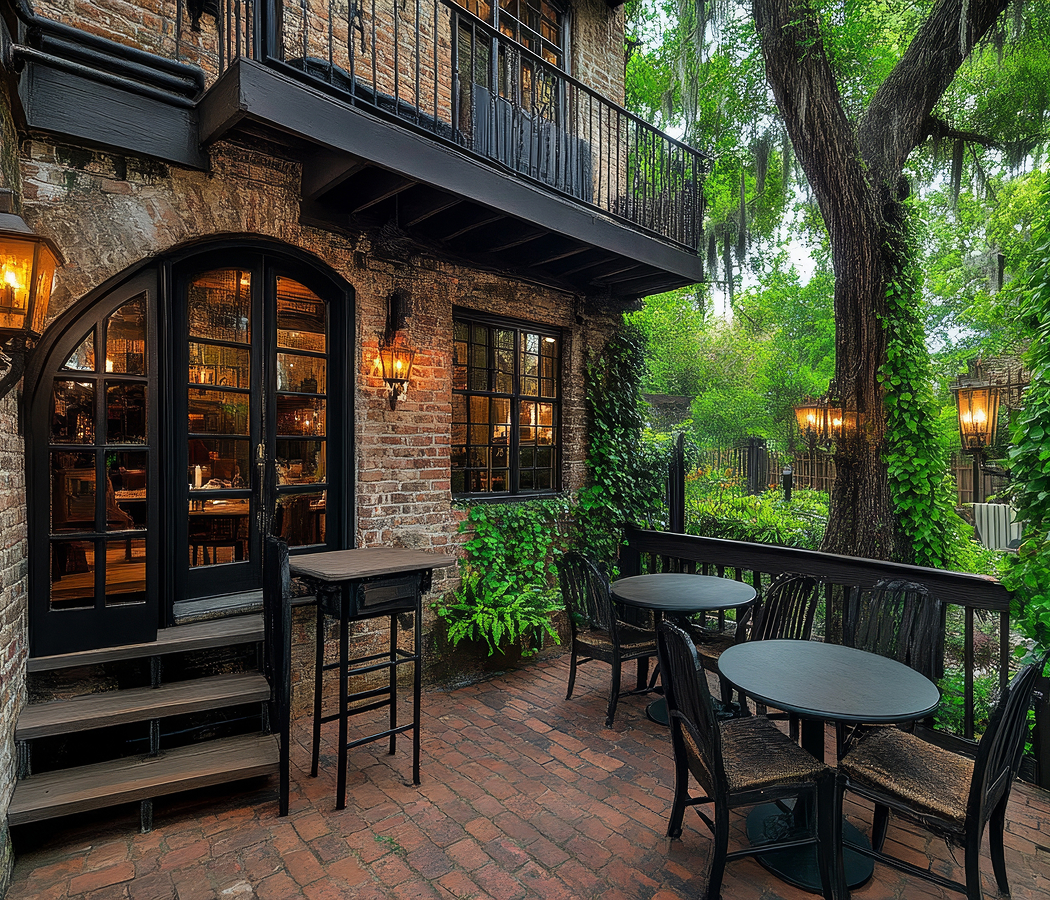
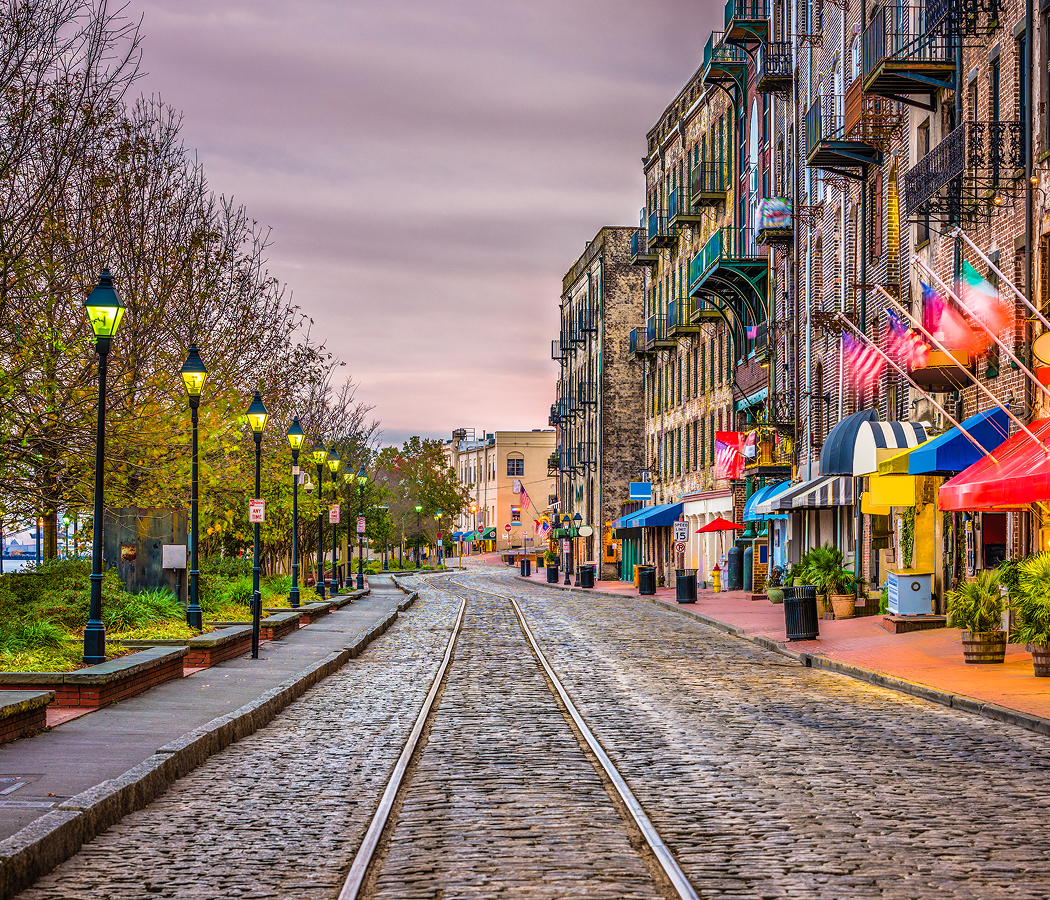
Set along Forsyth St. NW near Marietta Street and just steps from Woodruff Park, this historic downtown corridor carries the unmistakable atmosphere of a place built for slower city walks, architectural discovery, and afternoons unfolding beneath century-old facades, cast-iron storefronts, and the layered rhythm of Atlanta's evolving urban core. The environment feels timeless and unexpectedly intimate. Pedestrians weave between historic buildings housing cafés, bars, galleries, and creative offices while sunlight reflects across restored brickwork and decorative windows, and the sounds of street traffic, nearby patios, and Downtown movement echo softly through the narrower historic streets. Fairlie-Poplar District preserves a version of Atlanta that many visitors never expect to find. The experience feels historic, walkable, and deeply connected to the city's architectural identity.
What you should know about Fairlie-Poplar District.
Fairlie-Poplar District is best known for historic preservation and urban architectural heritage, blending early commercial design, adaptive reuse, and Downtown revitalization into one of Atlanta's most culturally significant districts.
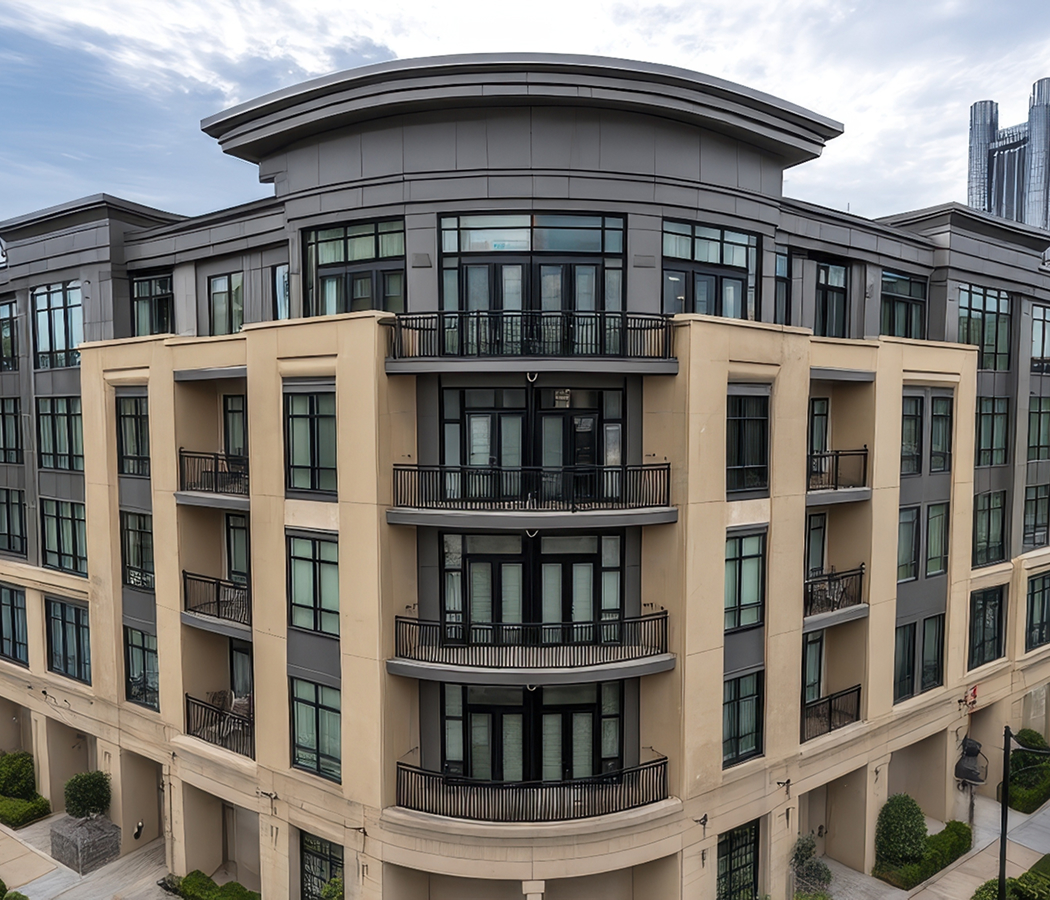
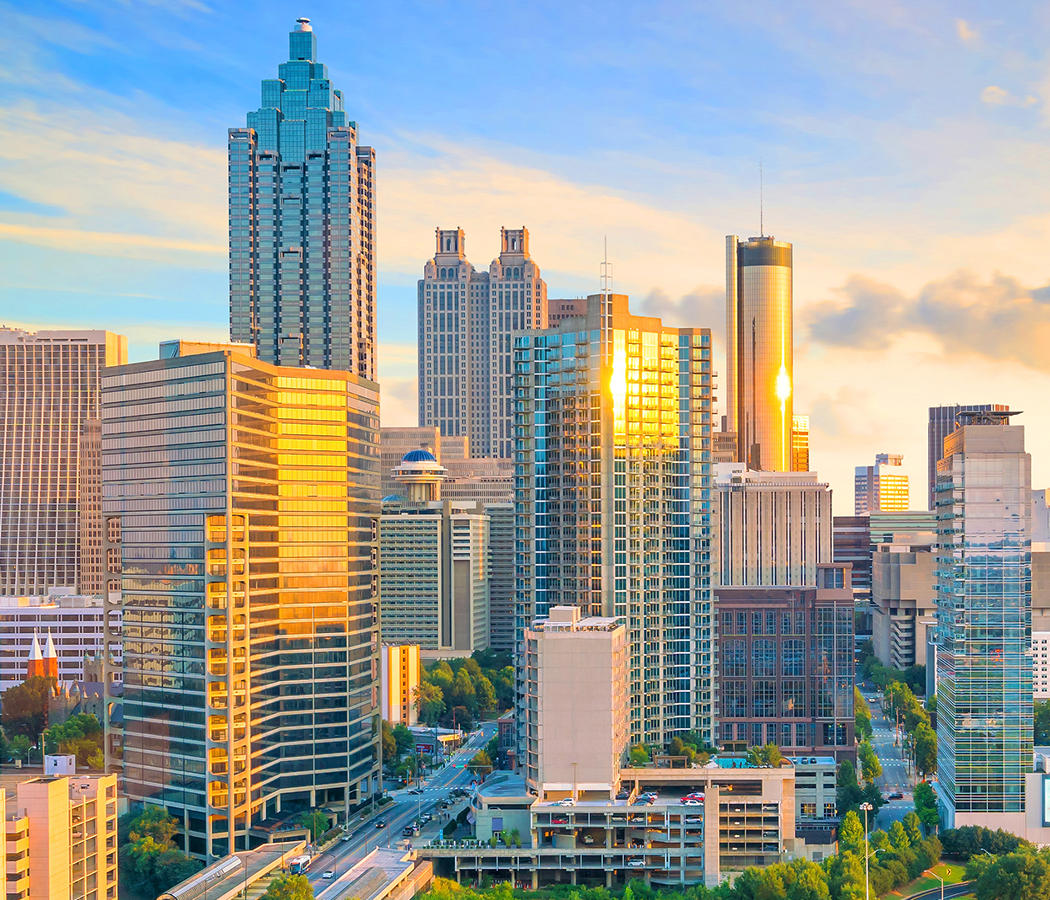
The neighborhood's architecture fundamentally shapes the experience itself. Many of the buildings date back to the late 19th and early 20th centuries, showcasing Chicago-school influences, ornate detailing, masonry facades, and some of Atlanta's earliest skyscraper-style commercial structures. Unlike much of Downtown's newer glass-and-steel skyline, Fairlie-Poplar preserves a denser human-scale streetscape that feels more walkable and historically layered. Over time, the district evolved into a creative and hospitality-focused corridor filled with restaurants, cafés, lofts, galleries, and independent businesses that helped reactivate the neighborhood. The physical environment reinforces that same philosophy through preserved storefronts, narrower streets, older brick architecture, and quieter pedestrian energy calibrated around exploration. Even during busier afternoons, the district maintains charm because every aspect of the area points toward continuity, preservation, and urban texture.
How to fold Fairlie-Poplar District into your trip.
Fairlie-Poplar District works as a slower walking experience, especially for architecture lovers, photographers, and travelers wanting to experience a more historic side of Downtown.
Visit during the daytime when natural light highlights the historic facades and the district settles naturally into its most walkable rhythm beneath café patios, office crowds, and quieter city movement. Approach the neighborhood less like a checklist destination and more like an urban exploration experience, because much of its charm comes from wandering side streets, noticing architectural details, and discovering smaller businesses hidden inside historic buildings. The district pairs especially well with Downtown museums, Woodruff Park walks, coffee stops, or broader architectural itineraries centered around Atlanta's evolution as a city. Stay long enough to absorb the atmosphere fully: sunlight bouncing across preserved brick buildings, quieter conversations spilling from tucked-away cafés, Downtown revealing one of its oldest surviving architectural identities block by block.
Where your story begins.
Foresyte Travel reveals places that feel extraordinary long before you arrive.
Experience premium editorial crafted for luxury travelers.