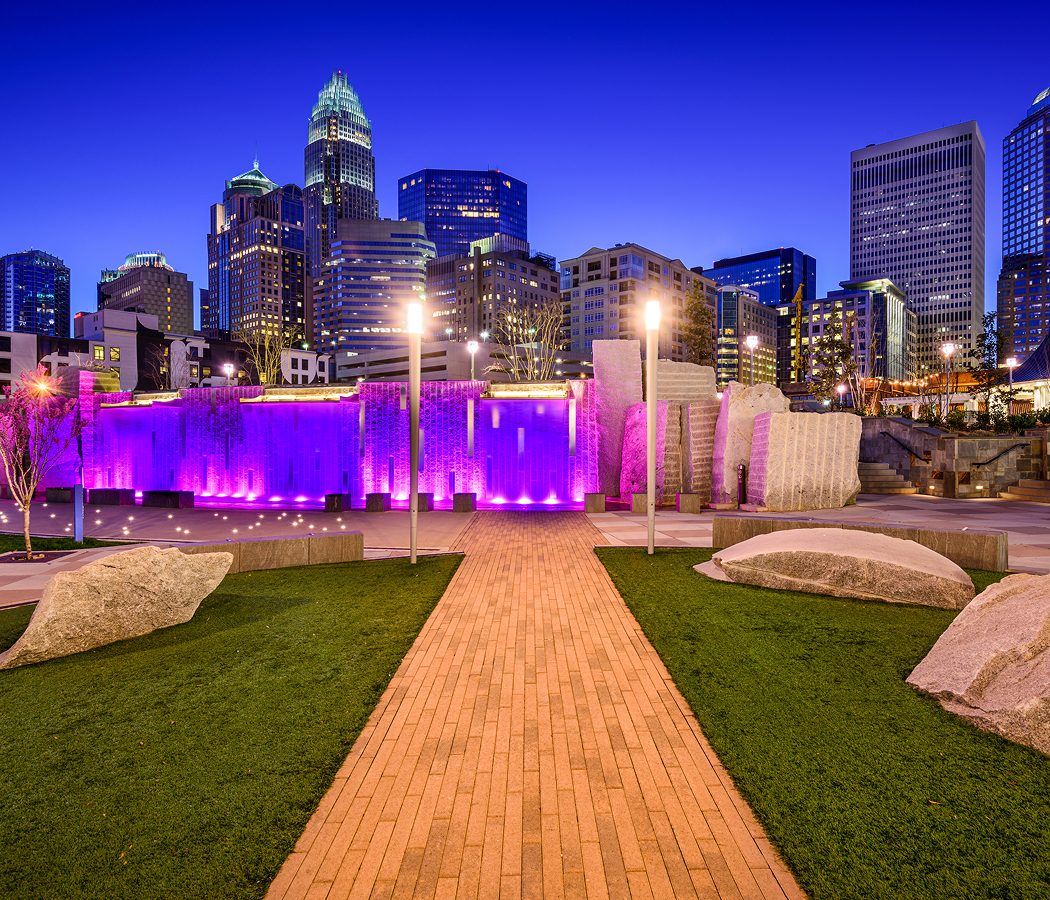
Why Glenwood Avenue matters.
Glenwood Avenue is a historic East Atlanta corridor where industrial heritage, neighborhood character, and contemporary urban energy converge along one of the city's most influential east-west thoroughfares.
Running through Grant Park between Summerhill, Ormewood Park, and East Atlanta Village, this energetic corridor connects historic commercial districts, adaptive reuse developments, neighborhood parks, locally owned restaurants, creative businesses, and longstanding residential communities that have shaped Atlanta's southeast side for generations. Restored brick storefronts, tree-lined streets, contemporary mixed-use projects, and walkable commercial nodes create a dynamic streetscape where the city's industrial past continues to inform its evolving identity. As Atlanta expanded beyond its nineteenth-century railroad center, Glenwood Avenue became a defining neighborhood connector whose enduring vitality continues to strengthen the communities it serves. The result is a corridor defined by authenticity, reinvention, and lasting civic significance.
What defines Glenwood Avenue.
Glenwood Avenue is best known for passing Oakland Cemetery, the 48-acre Victorian garden cemetery established in 1850 that serves as the final resting place for more than 70,000 people, including Margaret Mitchell, Bobby Jones, six Georgia governors, 27 Atlanta mayors, and thousands of Civil War soldiers, preserving one of the South's most extraordinary collections of historical figures and memorial art.
Founded just two years after Atlanta's incorporation, Oakland Cemetery evolved alongside the city, becoming a remarkable archive of Georgia's political, cultural, military, and commercial history. Its elaborate Victorian monuments, nationally significant funerary sculpture, mature botanical landscapes, and architecturally distinguished mausoleums reflect more than a century and a half of changing artistic traditions and civic memory. Preservation initiatives have transformed the cemetery into one of Atlanta's premier historic destinations, welcoming visitors through guided tours, educational programs, and nationally recognized conservation efforts. Glenwood Avenue provides one of the principal approaches to this extraordinary landmark, linking the surrounding neighborhoods with a place whose historical significance extends far beyond Atlanta.
How Glenwood Avenue fits.
Glenwood Avenue works as an exploration of Atlanta's historic neighborhoods, cultural landmarks, and evolving urban character.
Begin at Oakland Cemetery, where grand Victorian monuments and beautifully landscaped gardens immediately establish the corridor's extraordinary historical significance. Continue toward Grant Park, whose expansive greenspaces and Atlanta's oldest municipal park reveal another chapter in the city's enduring civic heritage. From there, make your way to Atlanta BeltLine Eastside Trail, where celebrated public art, landscaped pathways, and lively gathering spaces provide a broader perspective on the transformation of Atlanta's former railroad corridors. Along the route, you'll encounter restored warehouses, neighborhood cafés, historic homes, public art, locally owned businesses, and welcoming pedestrian streets that demonstrate how Glenwood Avenue seamlessly connects Atlanta's nineteenth-century foundations with its energetic contemporary neighborhoods. The progression moves naturally from landmark cemetery to historic urban park to transformative greenway, revealing why Glenwood Avenue remains one of Atlanta's defining corridors.
Where your story begins.
Foresyte Travel reveals places that feel extraordinary long before you arrive.
Experience premium editorial crafted for luxury travelers.