Why you should experience Greenwood Avenue in Atlanta, Georgia.
Greenwood Avenue is a lively corridor where Old Fourth Ward's industrial heritage, neighborhood resilience, entrepreneurial spirit, and cultural vitality converge along one of Atlanta's most distinctive eastside streets.
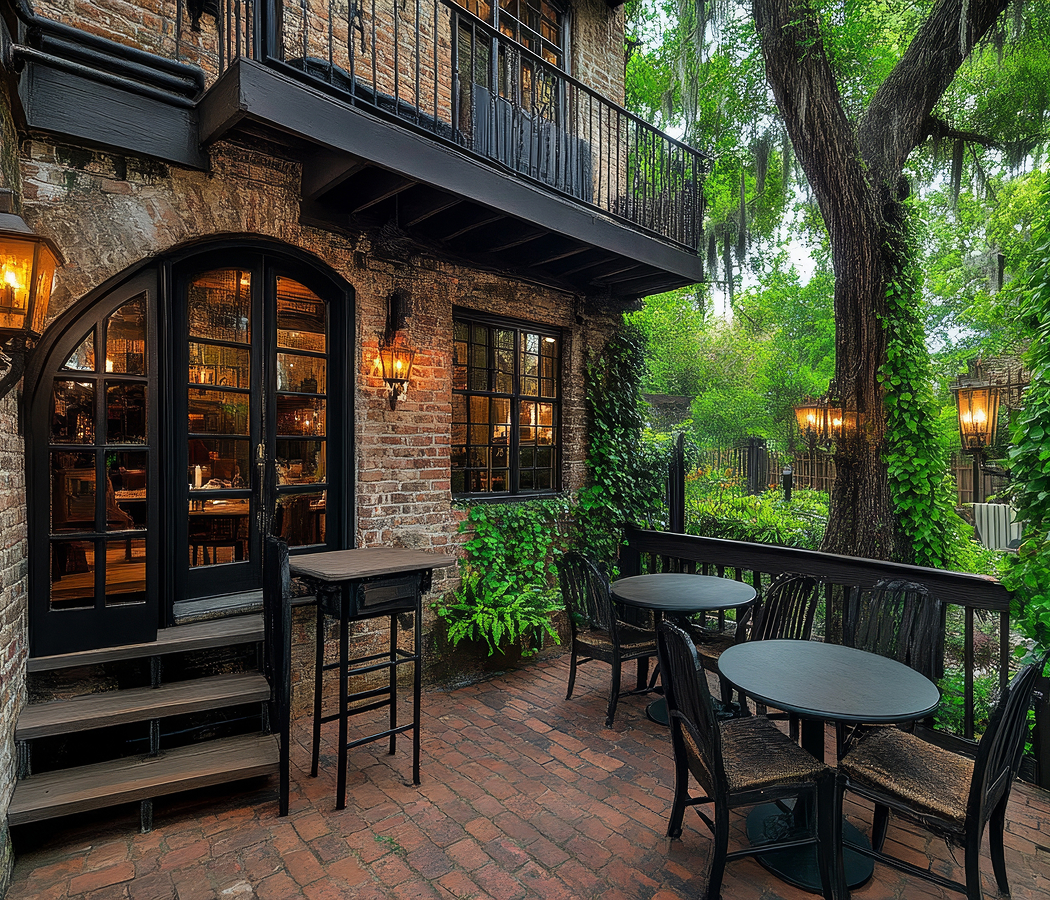
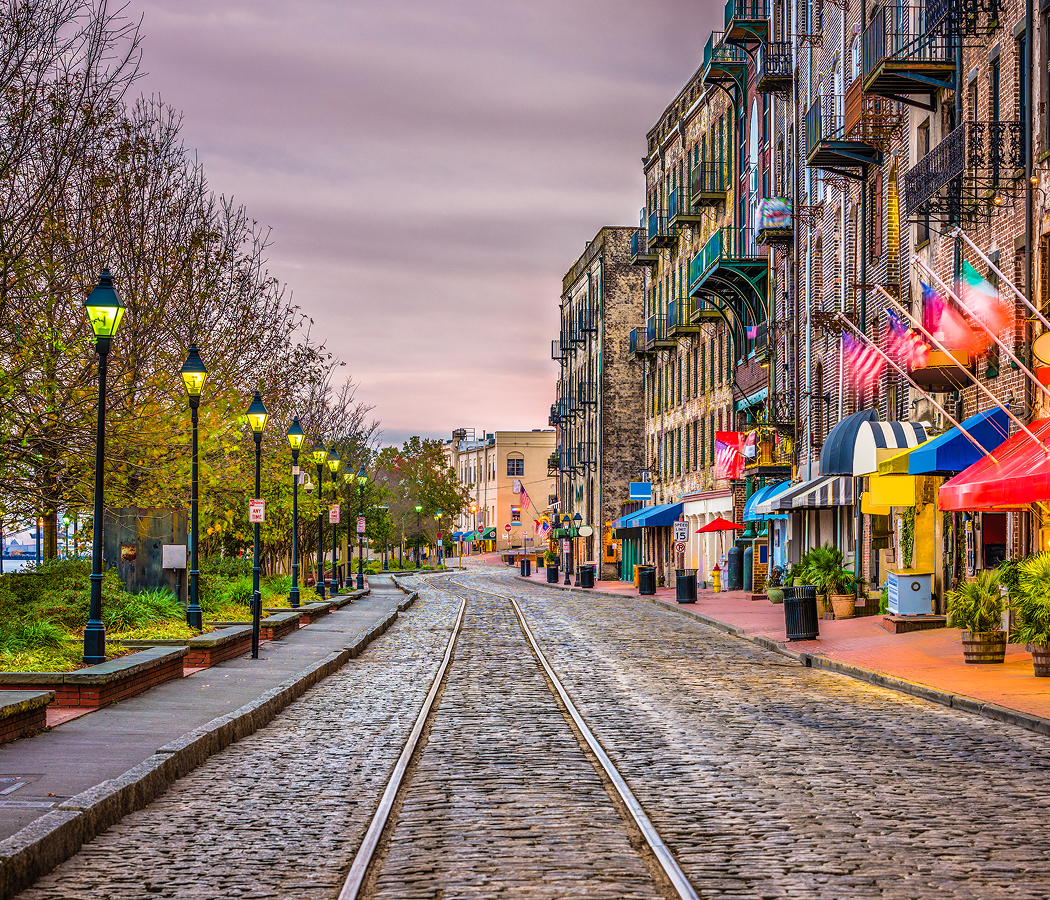
Running through Old Fourth Ward between Sweet Auburn and Poncey-Highland, the corridor connects historic residential blocks, former industrial properties, neighborhood businesses, and creative commercial spaces that collectively reflect Atlanta's evolution from a railroad manufacturing center into one of the city's most dynamic urban neighborhoods. Successive blocks reveal how industrial commerce, streetcar-era expansion, and adaptive reinvestment established a streetscape whose historic character continues defining the district today. Brick warehouses, Craftsman residences, mature tree canopies, and preserved masonry storefronts document more than a century of neighborhood evolution. The result is an experience defined by authenticity, creativity, and one of Old Fourth Ward's most engaging corridors.
What you should know about Greenwood Avenue.
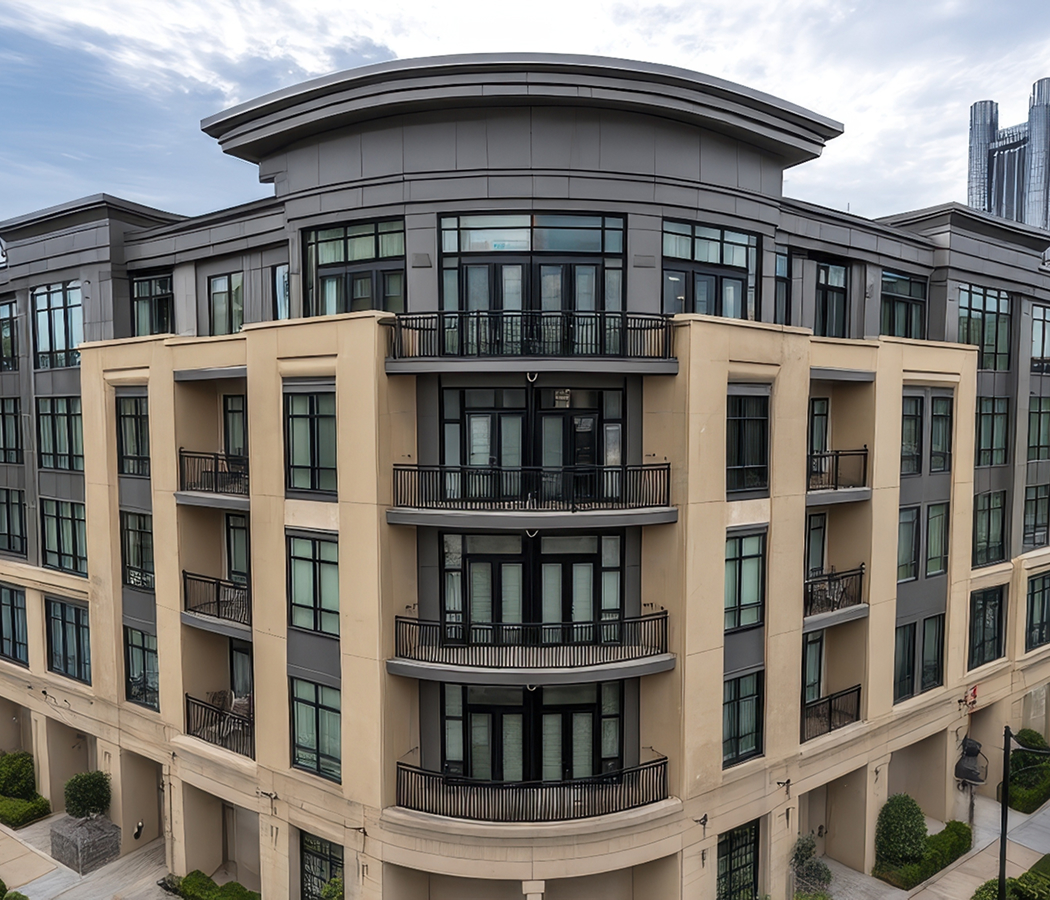
Greenwood Avenue is best known for developing during Old Fourth Ward's rapid expansion in the late nineteenth and early twentieth centuries, when Atlanta's growing railroad economy and electric streetcar network encouraged residential construction east of Downtown. Between the 1890s and the 1930s, the corridor accumulated Craftsman bungalows, Queen Anne cottages, Folk Victorian residences, and neighborhood commercial buildings distinguished by load-bearing brick masonry, granite foundations, decorative woodwork, exposed rafter tails, and generous front porches that reflected the area's emergence as a prominent streetcar suburb. Nearby industrial districts supported food processors, textile wholesalers, furniture manufacturers, and warehouse operators whose proximity to freight rail infrastructure stimulated sustained economic growth throughout the surrounding neighborhood. Construction techniques incorporating heavy timber framing, brick party walls, steel industrial sash windows, and masonry retaining structures demonstrated the craftsmanship associated with Atlanta's principal era of industrial and residential expansion. Collectively, these layers of streetcar-era development, industrial commerce, architectural craftsmanship, and neighborhood growth established Greenwood Avenue as one of Old Fourth Ward's defining historic corridors.
Community-led preservation initiatives during the late twentieth century encouraged careful rehabilitation of historic residences and commercial buildings while retaining original streetscapes, mature hardwood canopies, granite curbing, and pedestrian-oriented neighborhood design. Contemporary reinvestment introduced locally owned businesses, independent creative enterprises, neighborhood cafés, and restored commercial spaces that complemented rather than replaced the corridor's historic building fabric. Original brick chimneys, decorative masonry, timber porch construction, historic sidewalks, and early retaining walls remain visible throughout Greenwood Avenue, illustrating the continuity of construction methods across successive generations of neighborhood development. Ultimately the preservation of architectural integrity, sustained local investment, and enduring residential character demonstrates how Greenwood Avenue continues expressing the remarkable evolution of Old Fourth Ward.
How to fold Greenwood Avenue into your trip.
Greenwood Avenue works as an exploration of Old Fourth Ward's history, public spaces, and creative culture.
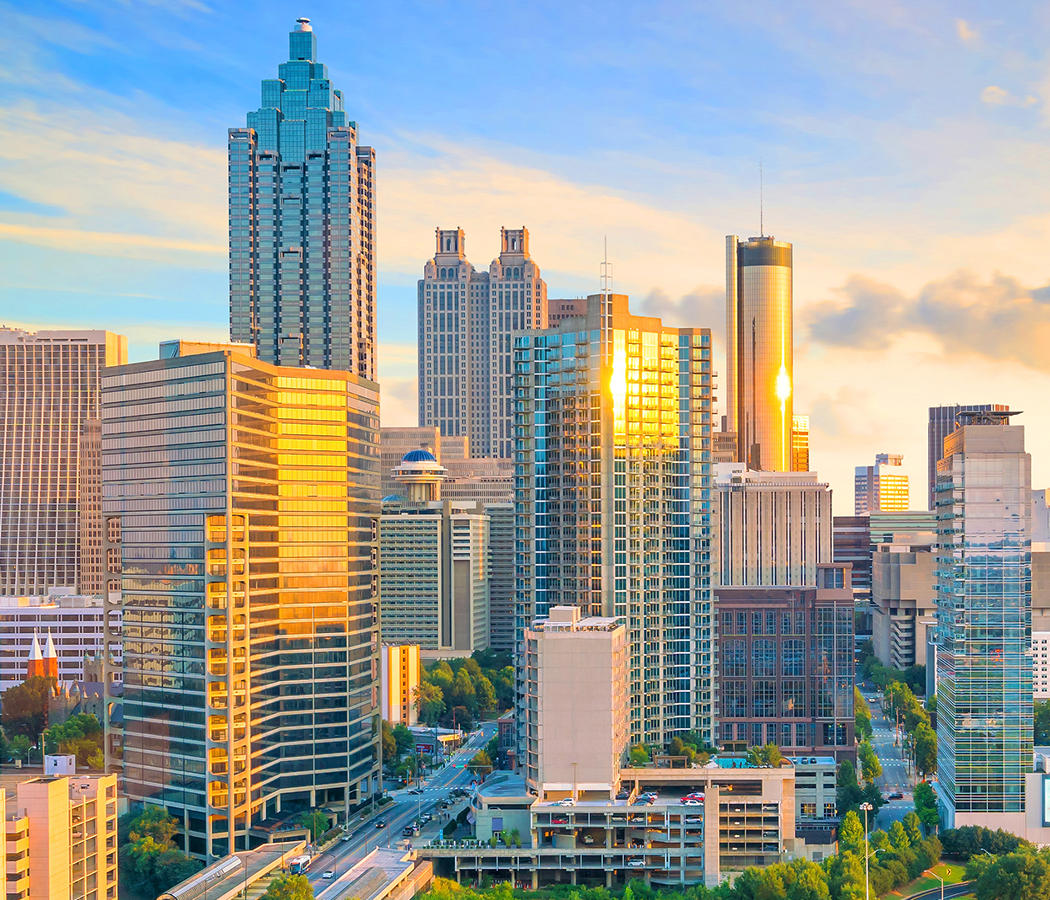
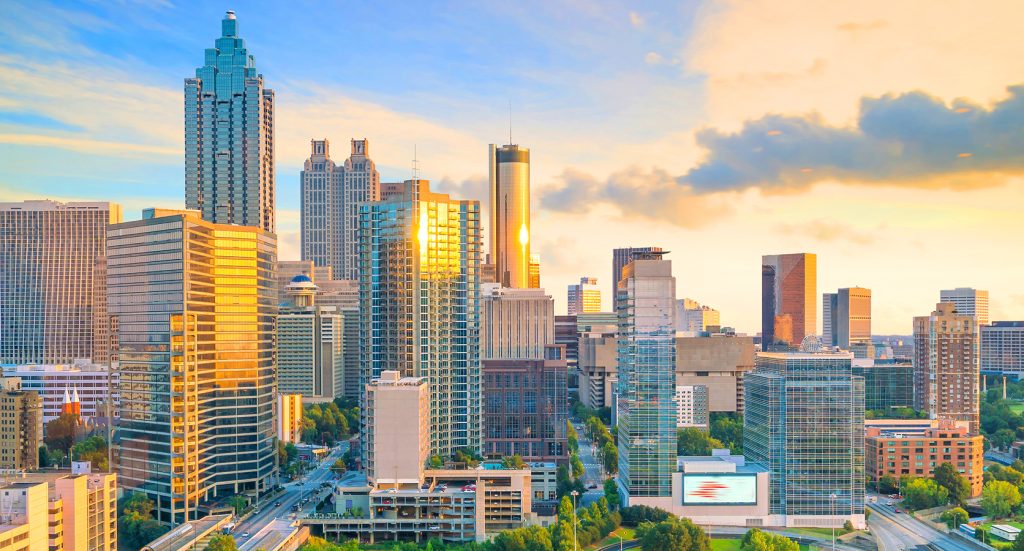
Begin at Historic Fourth Ward Park, where innovative green infrastructure and inviting public spaces establish the neighborhood's modern character before naturally leading toward the surrounding historic streets. Continue to Ponce City Market, where thoughtfully restored industrial architecture, independent businesses, and energetic public spaces deepen appreciation for the district's adaptive reinvention while extending the experience through one of Atlanta's defining destinations. Conclude at Jackson Street Bridge, where celebrated skyline views provide the historical payoff by revealing how Old Fourth Ward's preserved neighborhoods continue framing Atlanta's evolving urban landscape. Together, the sequence reveals how preservation, entrepreneurship, and public investment have collectively shaped the enduring character surrounding Greenwood Avenue.
Where your story begins.
Foresyte Travel reveals places that feel extraordinary long before you arrive.
Experience premium editorial crafted for luxury travelers.