Why Hilton Head Plantation matters.
Hilton Head Plantation is a North End Hilton Head residential neighborhood where maritime forests, protected waterfronts, Lowcountry ecology, and thoughtful community planning have created one of the island's most distinctive private communities.
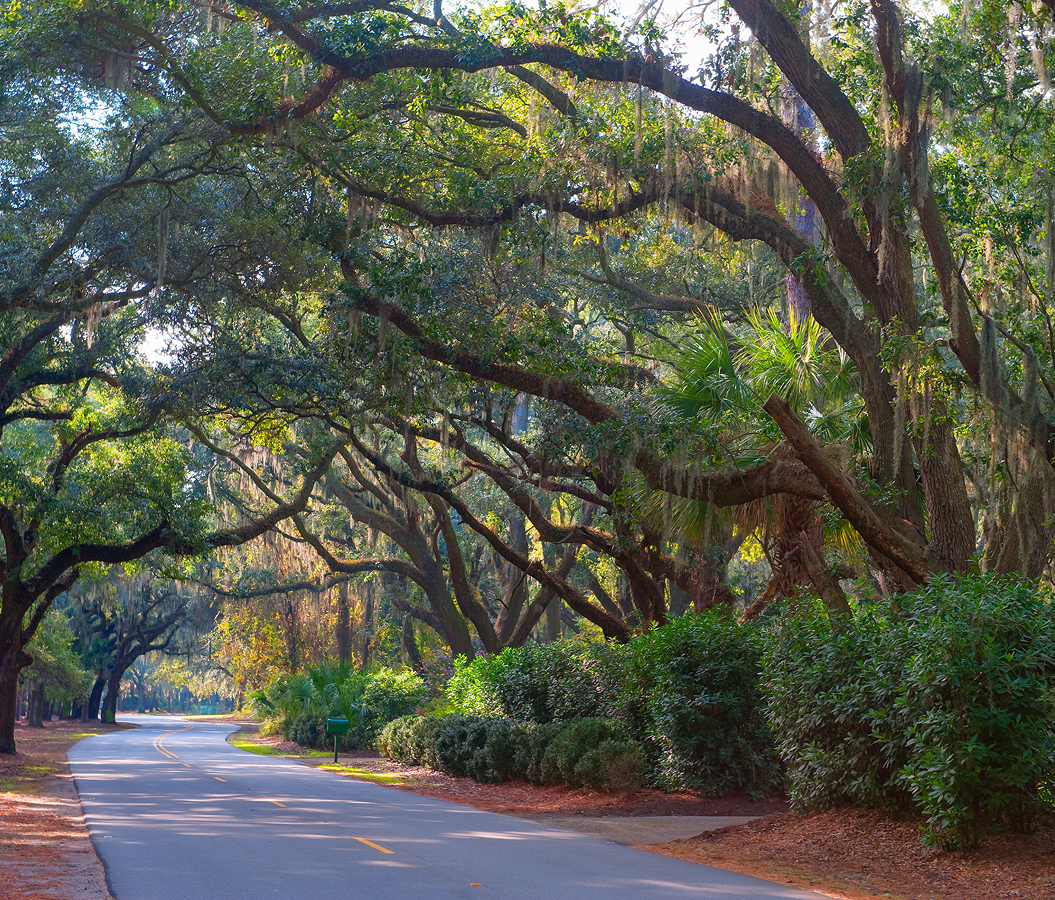
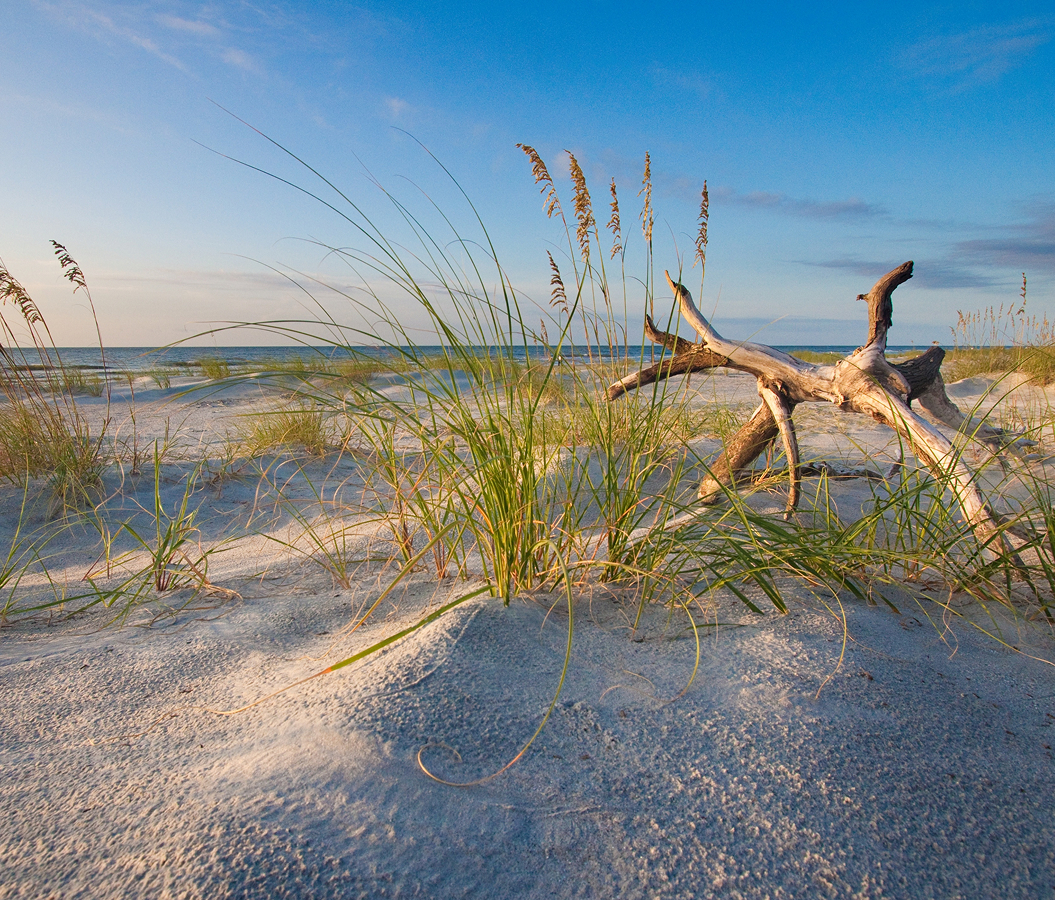
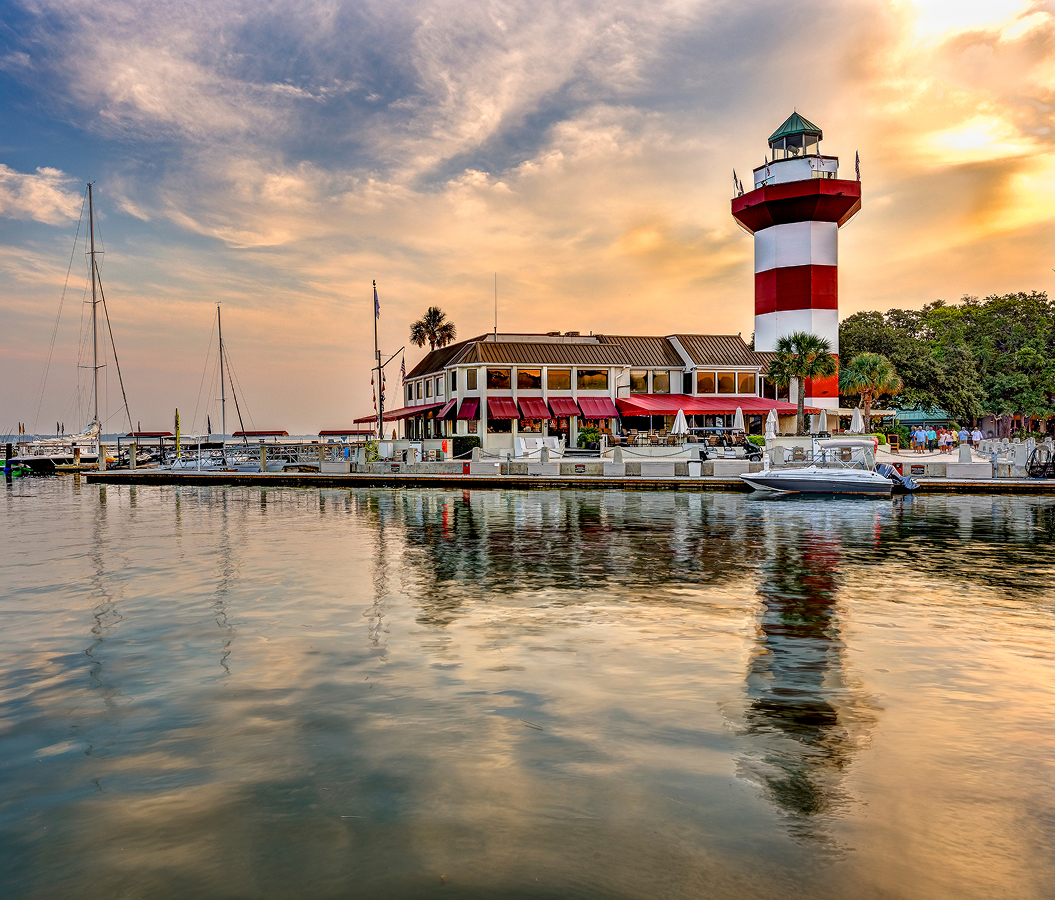
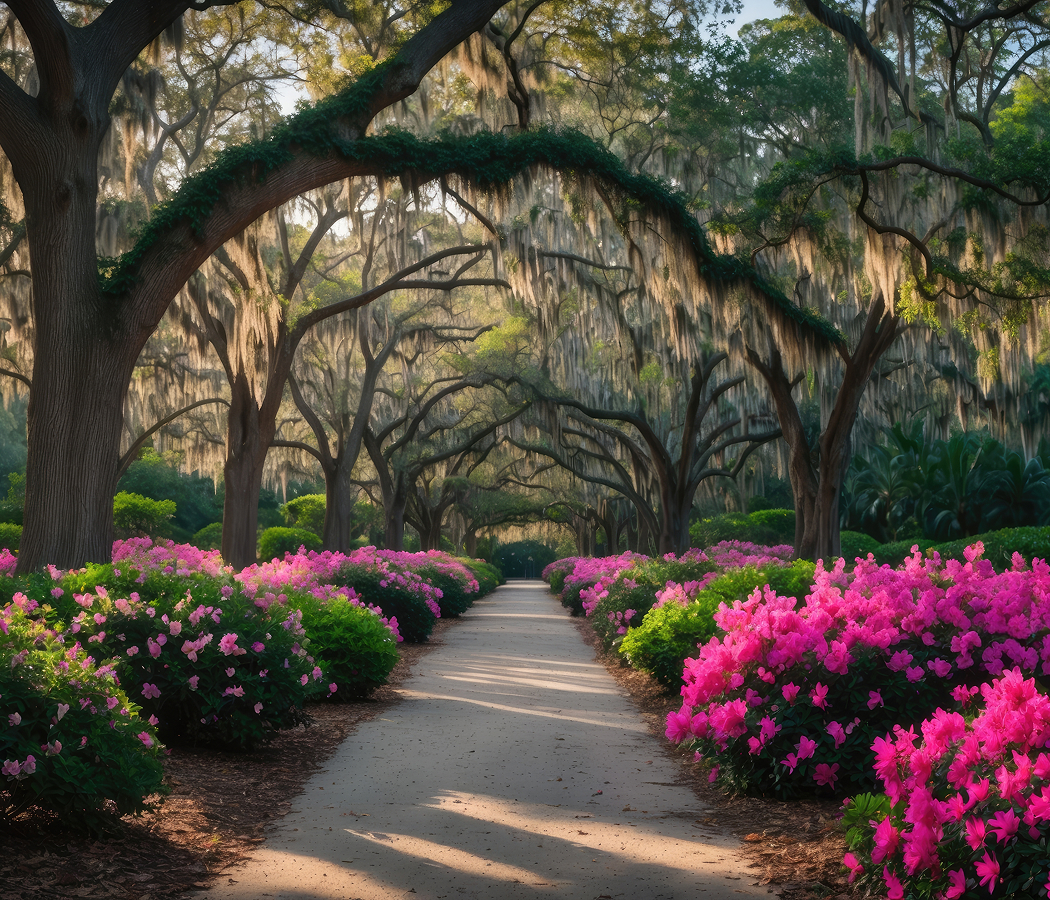
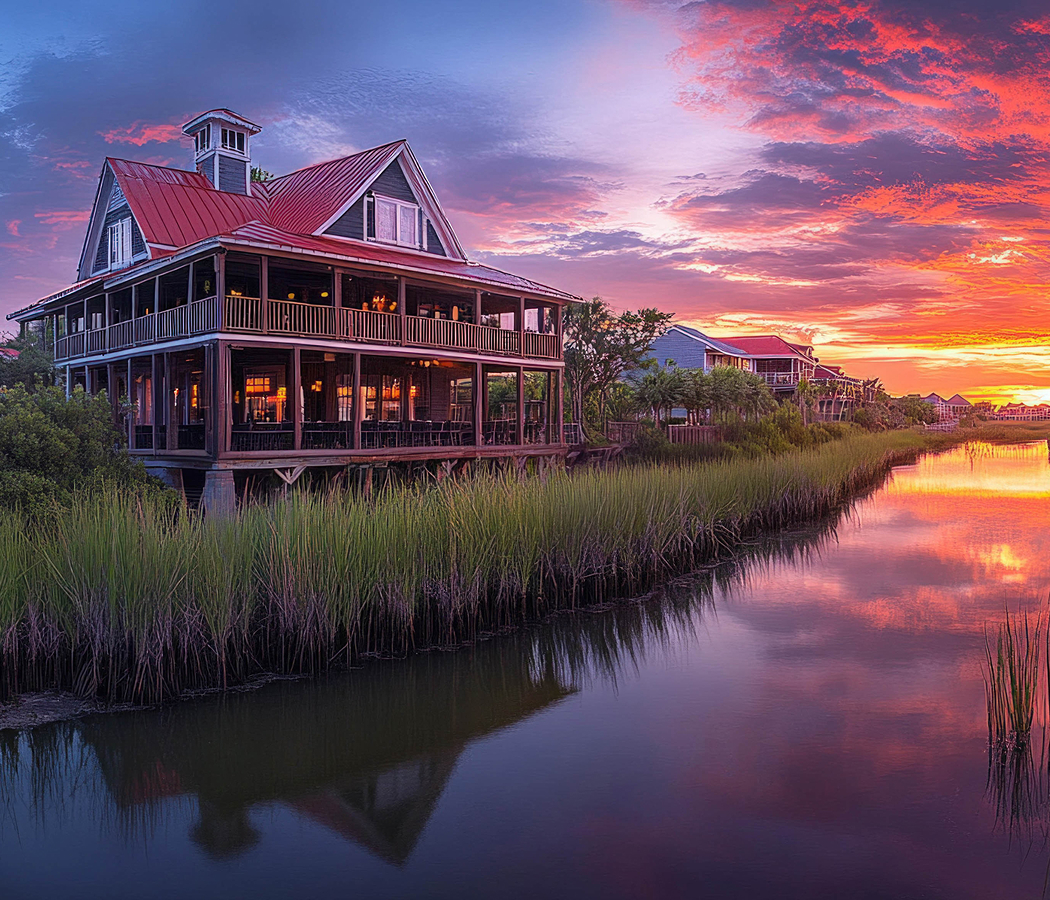
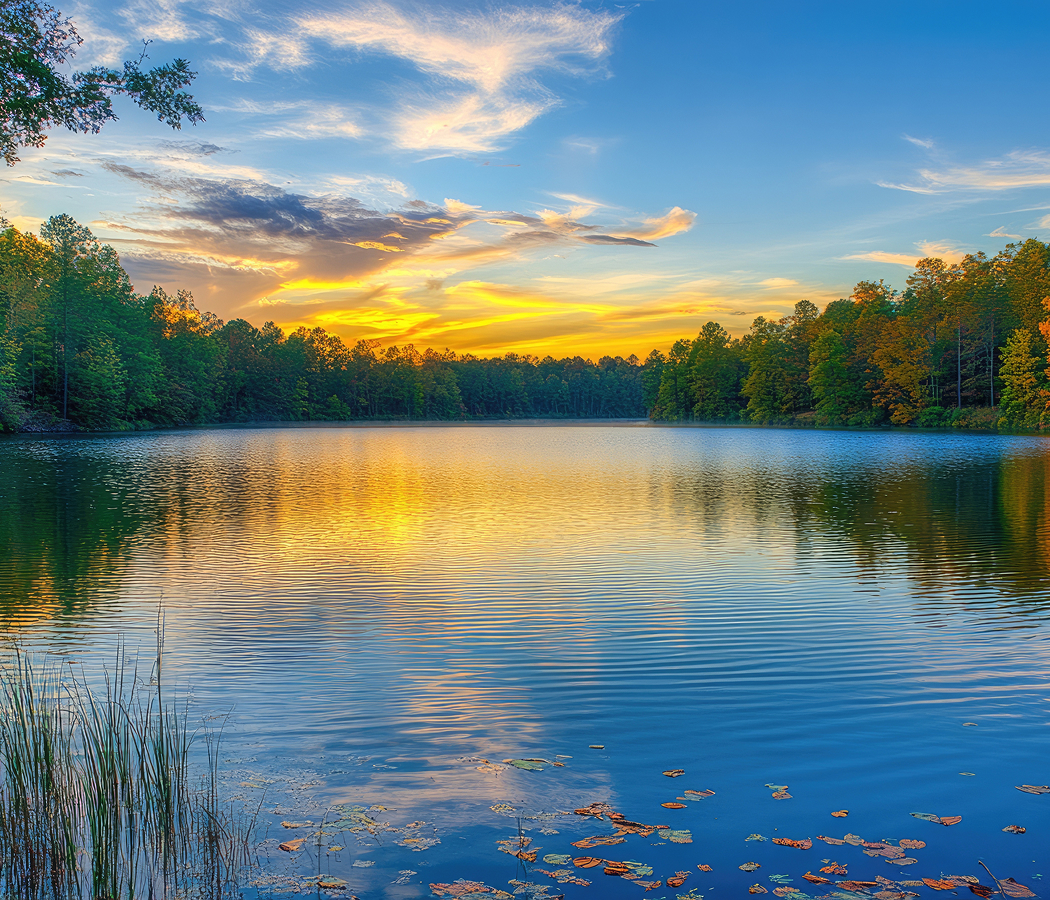
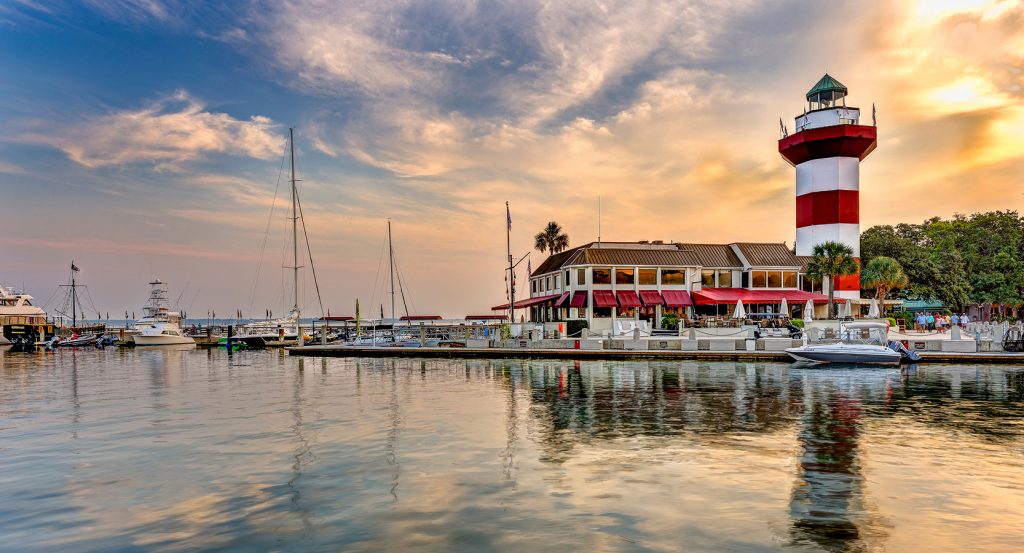
Positioned between Skull Creek, Port Royal Sound, Spring Lake, and the Hilton Head Airport district, this expansive gated neighborhood unfolds through ancient live oak forests, freshwater lakes, winding leisure pathways, tidal marshes, quiet residential streets, and waterfront recreation areas that preserve much of the island's northern natural landscape. Maritime habitats, championship golf, community parks, and scenic shoreline overlooks remain carefully integrated within mature forests that support abundant wildlife throughout the year. Every roadway, lagoon, and waterfront vista reflects Hilton Head's long-standing commitment to preserving environmental character while accommodating residential growth.
What defines Hilton Head Plantation.
Hilton Head Plantation is best known for occupying 4,000 acres across the island's northern peninsula, developing during the early 1970s as one of Hilton Head's largest planned private residential communities while preserving extensive maritime forests, freshwater lakes, and tidal shorelines overlooking Port Royal Sound and Skull Creek. Planned during the second wave of Hilton Head's post-1956 expansion inspired by Charles E. Fraser's environmentally sensitive development philosophy, the community integrated residential neighborhoods within existing forests rather than clearing the landscape, establishing a planning approach that emphasized tree preservation, natural buffers, recreational amenities, and ecological stewardship. Today Hilton Head Plantation contains thousands of residences alongside four golf courses, including Dolphin Head Golf Club, extensive leisure pathways, tennis and pickleball facilities, Spring Lake Recreation Area, multiple nature conservancies, private marinas, and waterfront parks that collectively support one of the island's largest year-round residential populations. The community's northern shoreline also preserves important views across Port Royal Sound while remaining adjacent to historic Fort Mitchell, the Civil War earthwork constructed by Union forces in 1862 to defend Port Royal Sound following the capture of Hilton Head. Continued investments in environmental management, stormwater protection, invasive species control, and maritime forest preservation reinforce Hilton Head Plantation's longstanding commitment to balancing residential living with conservation.
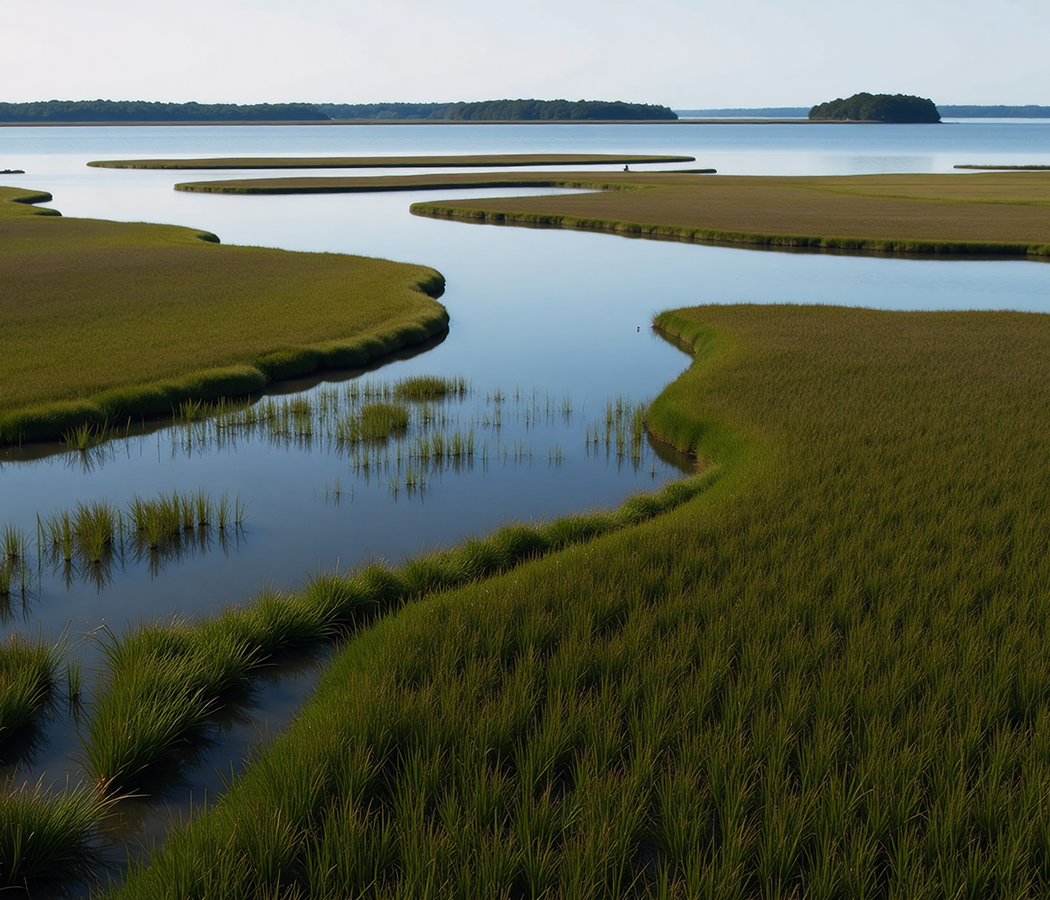
The surrounding natural environment remains among the community's defining assets. Port Royal Sound is recognized as one of the East Coast's least-developed major estuaries, supporting extensive oyster reefs, shrimp, blue crabs, bottlenose dolphins, redfish, loggerhead sea turtles, bald eagles, osprey, painted buntings, and hundreds of migratory bird species. Maritime forests dominated by live oak, loblolly pine, cabbage palmetto, southern magnolia, wax myrtle, and yaupon holly provide critical habitat while protecting freshwater ponds, tidal wetlands, and interior lagoons that weave throughout the neighborhood. Together, these ecological resources, combined with decades of careful planning, establish Hilton Head Plantation as one of the South Carolina Lowcountry's foremost examples of environmentally integrated residential development.
How Hilton Head Plantation fits.
Hilton Head Plantation works as an exploration of Hilton Head's northern waterfront, maritime forests, and coastal history.
Begin at Dolphin Head Recreation Area, where panoramic views across Port Royal Sound introduce the peninsula's tidal landscape before exploring the community's forested surroundings. Continue to Fort Mitchell, whose preserved Civil War earthworks reveal the military history that shaped Hilton Head during the Union occupation of the Sea Islands. Conclude at Fish Haul Beach Park, where quiet shoreline, extensive salt marshes, and sweeping views across Port Royal Sound provide a memorable finale celebrating the natural environment that continues defining the island's northern coast. The progression moves naturally from waterfront to historic fortification before concluding beside one of Hilton Head's most ecologically significant shorelines, revealing why Hilton Head Plantation remains one of the island's most distinctive residential communities.
Where your story begins.
Foresyte Travel reveals places that feel extraordinary long before you arrive.
Enjoy editorial crafted for luxury travelers.
Foresyte may earn a commission when you book.